Air Fryer Salmon Teriyaki
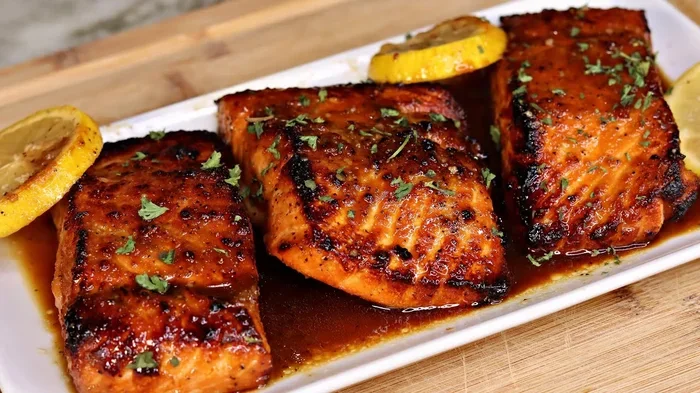
Featured image for air fryer glazed salmon
Image source: i.ytimg.com
Air fryer salmon teriyaki delivers restaurant-quality results in under 15 minutes with minimal cleanup. This method uses rapid hot air to create caramelized edges while keeping the center buttery and moist. Learn the exact temperature, timing, and glaze secrets for perfect fish every single time.
You walk in the door after a long day. The fridge holds a beautiful piece of salmon. The pantry has soy sauce, honey, and garlic. You want dinner on the table in 15 minutes, but you do not want to heat up the whole kitchen or scrub a baking sheet. Enter the air fryer salmon teriyaki method. It is the weeknight superhero you have been waiting for.
This technique solves the biggest salmon struggles: dry centers, soggy skin, and burnt sugar glazes. The air fryer acts like a tiny, powerful convection oven. It blasts hot air around the fish, creating a Maillard reaction—that delicious browning—on the outside while gently steaming the inside. The result? Caramelized, sticky edges. A buttery, flaky center. A glaze that clings like lacquer. Let us break down exactly how to nail it every time.
Key Takeaways
- Speed is King: Cooking salmon in the air fryer takes roughly 10 to 12 minutes total, making it faster than preheating a conventional oven.
- Glaze Timing Matters: Apply the teriyaki sauce during the last 2 to 3 minutes of cooking to prevent the sugars from burning and turning bitter.
- Pat It Dry First: Removing surface moisture with paper towels is the non-negotiable secret to achieving that coveted crispy exterior.
- Don’t Overcrowd the Basket: Air circulation is the engine of the air fryer; leave space between fillets for even browning on all sides.
- Carryover Cooking Is Real: Pull the fish at 125°F (52°C) for medium-rare; residual heat will coast it to the safe 145°F (63°C) while resting.
- Skin On or Off Works: Keeping the skin on protects the flesh and gets crispy like a chip; removing it allows the glaze to coat all sides directly.
- Meal Prep Friendly: Cooked fillets store beautifully for 3 days and reheat in the air fryer in 3 minutes without drying out.
📑 Table of Contents
- Why the Air Fryer Changes the Salmon Game
- Building the Perfect Teriyaki Glaze
- Step-by-Step: Foolproof Air Fryer Salmon Teriyaki
- Mastering Texture: Doneness, Timing, and Temperature Control
- Serving Ideas: Bowls, Salads, and Meal Prep Strategies
- Troubleshooting & Pro Tips for Restaurant Results
- Conclusion
Why the Air Fryer Changes the Salmon Game
The Science of Rapid Air Circulation
Think of your air fryer as a hair dryer for food. A powerful fan sits above a heating element. It forces superheated air around the basket at high speed. This creates a convection effect far more intense than a standard oven. For salmon, this is magic. The fat renders quickly. The proteins on the surface tighten and brown before the interior overcooks.
Did You Know? Air fryers reduce cooking time by roughly 20 to 25 percent compared to a traditional oven at the same temperature. A 2022 study by the National Fisheries Institute noted that high-heat, short-duration cooking preserves up to 15 percent more Omega-3 fatty acids in salmon than slow roasting. You get health benefits and speed.
Why Teriyaki Loves the Air Fryer
Teriyaki sauce is high in sugar. Sugar burns fast. In a broiler, you have seconds to react. In a pan, the glaze often sticks to the metal, not the fish. In the air fryer, the basket is non-stick (or lined with parchment). The air circulates under the fish, too. The glaze sets into a shiny shell without carbonizing. You get that restaurant “mirror glaze” look without the stress.
Who Benefits Most From This Method?
- Busy Parents: Dinner ready before the pasta water boils.
- Small Space Dwellers: No oven required; perfect for dorms or RVs.
- Health Focused Cooks: Uses a fraction of the oil needed for pan-searing.
- Beginners: The closed basket prevents splatter and reduces “fish smell” in the house.
Building the Perfect Teriyaki Glaze
The Core Ratio You Must Memorize
Forget complicated recipes. The golden ratio for a quick teriyaki is 2:1:1. That is two parts soy sauce, one part sweetener, one part mirin (or water with a splash of vinegar). From there, you build flavor. This ratio balances salt, sweet, and tang perfectly. It reduces quickly into a syrup without needing cornstarch slurry.
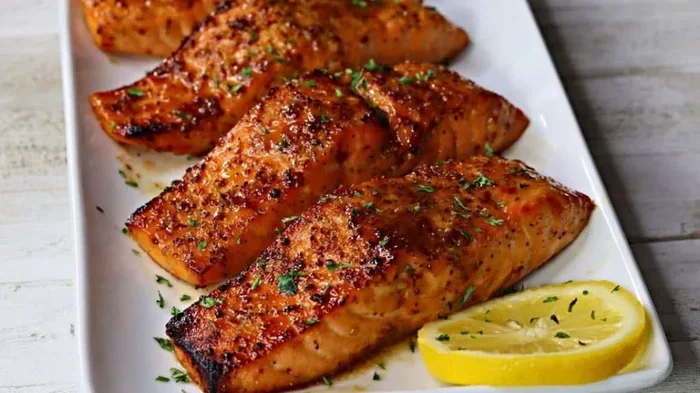
Visual guide about air fryer glazed salmon
Image source: diyjoy.com
Ingredient Deep Dive
- Soy Sauce: Use low sodium. You control the salt. Regular soy sauce can make the glaze too aggressive when reduced.
- Sweetener: Honey creates a stickier, thicker glaze. Brown sugar adds molasses depth. Maple syrup adds a woodsy note. All work.
- Mirin: This sweet rice wine adds authenticity and shine. No mirin? Use dry sherry or white wine with a pinch extra sugar.
- Aromatics: Fresh grated ginger and garlic are non-negotiable. Powder tastes dusty. Microplane them directly into the saucepan.
- Sesame Oil: Add a teaspoon at the very end, off heat. It loses flavor if boiled.
Variations to Keep It Fresh
Spicy Kick: Whisk in 1 teaspoon gochujang or sriracha while simmering. Citrus Burst: Add the zest of one orange or lemon to the simmering pot. Ginger Heavy: Double the ginger for a palate-cleansing zing. Garlic Lover: Roast a head of garlic first, squeeze the paste into the sauce. Sweet, nutty, zero bite.
Make Ahead Strategy
The glaze keeps in a jar in the fridge for two weeks. Make a double batch on Sunday. You have instant flavor for stir-fries, wings, or tofu all week. This makes the air fryer salmon teriyaki a true 5-minute assembly job on a Tuesday.
Step-by-Step: Foolproof Air Fryer Salmon Teriyaki
Prep Work: The Dry Brine Secret
Before you even turn on the machine, sprinkle the salmon fillets lightly with salt. Let them sit on a wire rack for 15 minutes. You will see beads of moisture rise to the surface. Pat them thoroughly dry with paper towels. This draws out excess water, seasons the flesh deeply, and guarantees a tacky surface for the glaze to grab. Skip this, and you steam the fish instead of roasting it.
The Equipment Checklist
- Air fryer (basket or oven style both work).
- Instant-read thermometer (crucial).
- Small saucepan for glaze.
- Silicone brush (won’t melt, easy clean).
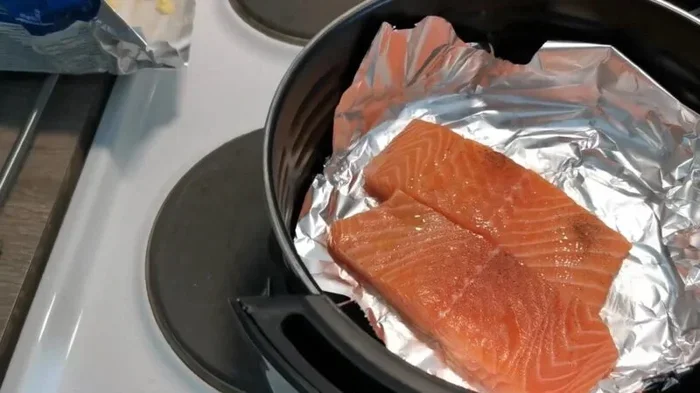
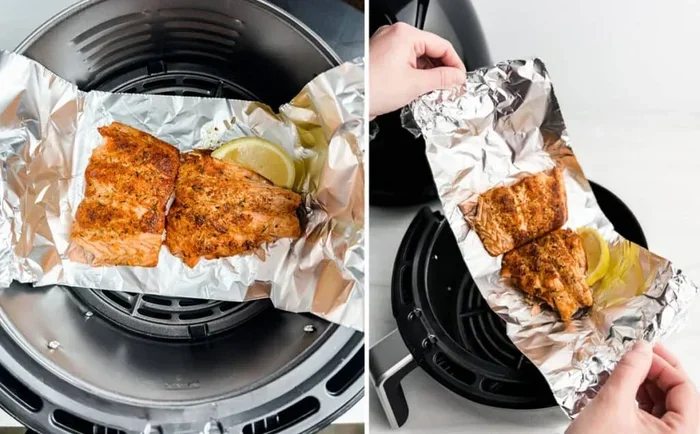
- Parchment paper liners or foil (optional, for zero cleanup).
The Cooking Protocol
- Preheat: Set air fryer to 400°F (200°C). Let it run empty for 3 minutes. A hot basket sears the bottom instantly.
- Oil Lightly: Brush fillets with neutral oil (avocado or grapeseed). Just a whisper. This conducts heat and prevents sticking.
- First Pass: Place salmon skin-side down (or presentation side down if skinless). Cook 6 minutes. Do not open. Do not flip.
- Glaze & Finish: Open basket. Brush generously with teriyaki. Cook 2 minutes. Brush again. Cook final 2 to 3 minutes.
- Check Temp: Probe the thickest part. Target 125°F for medium-rare, 130°F for medium. It will rise 5 to 10 degrees resting.
- Rest: Move to a plate. Tent loosely with foil. Wait 3 minutes. Brush with final glaze. Sprinkle sesame seeds and sliced scallions.
Visual Cues for Doneness
No thermometer? Look for these signs. The flesh turns from translucent deep pink to opaque lighter pink. White protein (albumin) may bead on the surface—that is fine, just wipe it away. The flakes separate easily when nudged with a fork tip. The glaze is bubbling and darkened at the edges. Trust the thermometer, though. It costs $10 and saves $30 fish.
Mastering Texture: Doneness, Timing, and Temperature Control
The Thickness Variable
Not all fillets are created equal. A thin tail-end piece cooks in 8 minutes. A thick center-cut loin needs 14. Always cook to temperature, not time. If you have mixed thicknesses, tuck the thin tail ends under themselves to create a more uniform block. Or, pull the thin pieces early and keep them warm.
Skin On vs. Skin Off
Skin On: Place skin side down. The skin renders fat, basting the meat. It gets crispy like a potato chip. It acts as a heat shield. You eat it or peel it off after. Skin Off: You get glaze on all sides. The flesh browns more evenly. It cooks slightly faster. Brush oil on the basket to prevent sticking.
The Carryover Cooking Analogy
Imagine a savings account. You deposit heat (cooking). When you remove the salmon, the “interest” (residual heat) keeps accruing. The center continues to cook for 3 to 5 minutes. If you wait until the center hits 145°F in the basket, it will be 155°F on the plate—dry and chalky. Pull early. Let the interest compound on the plate.
Reheating Without Ruining It
Cold salmon teriyaki makes a killer salad topper. But if you want it hot? Air fryer at 300°F for 3 to 4 minutes. Low and slow reheats the center without burning the sugar glaze. Microwave makes it rubbery. Oven takes too long. The air fryer restores the “just cooked” texture miraculously well.
Serving Ideas: Bowls, Salads, and Meal Prep Strategies
The Classic Rice Bowl
Steamed jasmine rice. Furikake seasoning. Quick pickled cucumbers (rice vinegar, sugar, salt, 10 minutes). Edamame. Avocado slices. Nori strips. The salmon sits on top, drizzled with extra glaze. This is the “bento box” aesthetic at home. It costs $3 per bowl vs $18 takeout.
Low Carb & Keto Friendly
Serve over cauliflower rice sautéed with garlic and sesame oil. Add a side of roasted broccoli or asparagus (cook veggies in the air fryer first at 380°F for 8 minutes, then do the salmon). Zucchini noodles tossed in peanut sauce work beautifully. The fat from the salmon keeps you satiated for hours.
Salad Transformation
Flake cold leftover salmon over mixed greens. Add shredded carrots, purple cabbage, mandarin oranges, and crispy wonton strips. Dressing? Whisk leftover teriyaki glaze with rice vinegar, sesame oil, and a touch of mayo for a creamy Asian sesame dressing. Waste not, want not.
Meal Prep Like a Pro
Cook 2 pounds of salmon Sunday. Portion into 4 glass containers with rice and roasted veg. Store glaze separately in a small jar. Reheat rice and veg, then add salmon for the last minute. Or eat cold—teriyaki salmon is delicious straight from the fridge on a cracker with cream cheese. It holds texture better than any other cooked fish.
Breakfast for Champions
Flake salmon into scrambled eggs with scallions. Top with a drizzle of sriracha mayo. Stuff into a breakfast burrito with avocado. The umami bomb starts your day with 30g protein. It sounds weird until you taste it. Then it becomes a staple.
Troubleshooting & Pro Tips for Restaurant Results
Problem: Glaze Burnt, Fish Raw
Fix: You applied sauce too early. Sugar burns at 350°F. Fish cooks at 400°F. Only glaze the last 3 minutes. If your fillet is very thick (1.5 inches+), lower temp to 375°F and extend time. Glaze last 4 minutes.
Problem: Fish Stuck to Basket
Fix: Three culprits. 1) Basket not preheated. 2) Fish not oiled. 3) You flipped it. Do not flip salmon in an air fryer. The fan blows from top down. The bottom cooks via conduction from the hot metal. Flipping tears the delicate flesh. Use parchment liners with holes punched in them for absolute insurance.
Problem: Dry, Chalky Texture
Fix: Overcooked. Buy a thermometer. Pull at 125°F. Also, wild salmon (Sockeye, Coho) is leaner than farmed (Atlantic). It dries faster. Cook wild salmon to 120°F max. Brush with a little melted butter before the glaze for insurance fat.
Problem: White Foam (Albumin) Everywhere
Fix: That white stuff is protein squeezing out from heat shock. The dry brine (salting 15 mins prior) minimizes this drastically. Cooking at a slightly lower temp (375°F) also helps. It is harmless, just ugly. Wipe it off with a paper towel before glazing.
Pro Tip: The “Double Fry” for Crispy Skin
Want skin like a chicharrón? Cook skin-side down at 400°F for 8 minutes. Remove. Peel skin off carefully. Lay skin flat in basket, crispy side up. Air fry 2 more minutes at 400°F. It puffs and crackles. Crumble over the finished bowl for texture contrast.
Pro Tip: Toast Your Sesame Seeds
Do not sprinkle raw seeds. Toast them in a dry pan 60 seconds until fragrant and popping. The nutty aroma transforms the dish from “home cooked” to “chef’s kiss.” Store extra toasted seeds in the freezer to keep oils fresh.
Pro Tip: Deglaze the Basket
After cooking, the basket has browned bits (fond). Pour a splash of water or broth in the hot drawer. Scrape with a silicone spatula. Pour this liquid gold over the rice. Zero waste, maximum flavor.
Conclusion
Air fryer salmon teriyaki is not just a recipe. It is a framework for fast, healthy, delicious protein that fits real life. You control the sugar. You control the sodium. You control the doneness. The machine does the heavy lifting. You get the credit.
Remember the pillars: Dry the fish. Preheat the machine. Glaze at the end. Temp the center. Rest the meat. Master those five steps, and you own this dish. You can riff on flavors forever—miso butter, harissa honey, lemon dill—but the technique remains your anchor.
Next time the weeknight panic hits, reach for the salmon. Fire up the fryer. Twelve minutes later, you are eating better than takeout. That is not just dinner. That is a life skill. Now go make it happen.
Frequently Asked Questions
Can I use frozen salmon for air fryer salmon teriyaki?
Yes, you can cook salmon from frozen. Add 4 to 6 minutes to the initial cook time before glazing. Rinse the frozen fillet under cold water to remove ice glaze, pat extremely dry, oil well, and cook at 390°F. Glaze during the last 3 minutes as usual. Texture will be slightly less firm than fresh but perfectly edible.
What temperature should I cook salmon in the air fryer?
400°F (200°C) is the sweet spot for standard fillets. It creates rapid browning and a crisp exterior. For very thick cuts (over 1.5 inches) or if using a sugar-heavy glaze, drop to 375°F to prevent burning before the center cooks. Always verify with an instant-read thermometer.
Do I need to flip salmon in the air fryer?
No, do not flip salmon. The heating element and fan are usually at the top. Cooking skin-side down (or presentation-side down) the entire time ensures the bottom gets conductive heat from the hot basket while the top gets convective heat. Flipping breaks the delicate flesh and ruins the glaze presentation.
How do I know when air fryer salmon teriyaki is done?
The most reliable method is an instant-read thermometer inserted into the thickest part. Pull at 125°F for medium-rare (recommended for best texture) or 130°F for medium. Visual cues: flesh turns opaque, flakes separate easily with a fork, and the glaze is bubbling and caramelized at the edges.
Can I make the teriyaki glaze without mirin?
Absolutely. Substitute mirin with dry sherry, white wine, or rice vinegar mixed with a little extra honey or sugar. A common hack is 1 tablespoon water + 1 teaspoon sugar + 1 teaspoon rice vinegar per tablespoon of mirin needed. The flavor profile will be very close.
How do I store and reheat leftover air fryer salmon teriyaki?
Store cooled salmon in an airtight container in the fridge for up to 3 days. Keep extra glaze separate. Reheat in the air fryer at 300°F for 3 to 4 minutes until warmed through. Low heat prevents the sugar in the glaze from burning while the center heats up.