
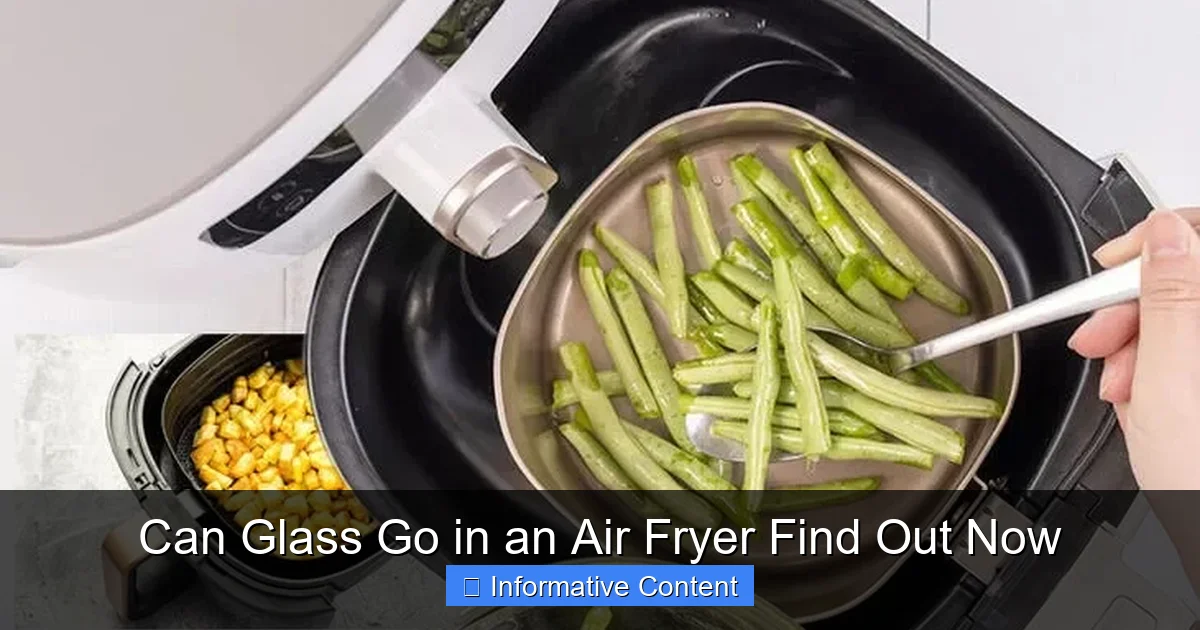
Featured image for can glass go in an air fryer
Image source: findforkitchen.com
Yes, glass can go in an air fryer—but only if it’s labeled oven-safe and can withstand rapid temperature changes. Avoid sudden temperature shifts to prevent cracking, and always check the manufacturer’s guidelines before use. Never use regular glass or cold dishes straight from the fridge, as thermal shock can cause dangerous breakage.
Key Takeaways
- Glass is safe in air fryers if labeled oven-safe and preheated properly.
- Always preheat the air fryer to avoid thermal shock and cracking.
- Use tempered glass for high heat resistance and durability during cooking.
- Avoid sudden temperature changes; never place cold glass in a hot fryer.
- Check manufacturer guidelines to confirm air fryer compatibility with glassware.
- Monitor cooking closely to prevent overheating and potential glass damage.
📑 Table of Contents
- Can Glass Go in an Air Fryer? Find Out Now
- How Air Fryers Work and Why Heat Matters
- Types of Glass: What’s Safe and What’s Not
- Safe Practices When Using Glass in an Air Fryer
- Alternatives to Glass: When to Use Other Materials
- Real-World Examples: What Works and What Doesn’t
- Data Table: Glass Safety in Air Fryers
- Final Verdict: So, Can Glass Go in an Air Fryer?
Can Glass Go in an Air Fryer? Find Out Now
You’ve just pulled a delicious-looking casserole from the oven, only to realize you’re out of oven-safe dishes. The next thought? Can I just use my air fryer? And more importantly, can glass go in an air fryer? If you’ve ever stood in your kitchen, holding a glass dish and staring at your air fryer like it holds the secrets of the universe, you’re not alone. Glass is a kitchen staple—affordable, clear (so you can see your food), and easy to clean. But when it comes to air fryers, the rules aren’t as clear-cut as they are with ovens or microwaves.
Let’s be honest: air fryers are magical. They crisp chicken wings, revive leftovers, and even bake cookies—all with less oil and faster cooking times. But with great power comes great responsibility (and a few safety concerns). Glass might survive a 400°F oven, but an air fryer blasts heat from all angles, creating rapid temperature changes. That’s where things get tricky. In this post, we’ll dive into whether glass is truly safe in your air fryer, what types of glass work, and how to avoid a kitchen disaster. Whether you’re reheating lasagna or baking a mini cheesecake, you’ll walk away knowing exactly what’s safe—and what’s not.
How Air Fryers Work and Why Heat Matters
Before we answer the big question—can glass go in an air fryer—we need to understand how air fryers actually work. Unlike traditional ovens that heat food from the bottom or top, air fryers use a powerful fan to circulate hot air at high speeds. This rapid airflow creates a convection effect, cooking food evenly and giving it that crispy, fried texture without deep frying. But this method has a catch: it creates intense, direct heat that can stress certain materials, especially glass.

Visual guide about can glass go in an air fryer
Image source: makehealthyrecipes.com
Convection vs. Traditional Heating
In a regular oven, heat rises slowly. Glass dishes warm gradually, reducing the risk of thermal shock (when sudden temperature changes cause cracking or shattering). But in an air fryer, the fan blasts hot air from multiple directions—top, sides, and bottom—heating the dish much faster. This rapid temperature shift is the main reason why not all glass is safe.
Think of it like stepping from a cold pool into a hot shower. Your body reacts—sometimes with a gasp. Glass does the same. If the outside of the dish heats up faster than the inside, stress builds up, and crack! you’ve got a broken dish and a mess to clean.
Temperature Ranges and Air Fryer Settings
Most air fryers operate between 175°F and 400°F (80°C to 200°C), with some models going higher. That’s a wide range, and glass reacts differently at various temperatures. For example:
- Reheating at 300°F might be safe for tempered glass
- Baking at 375°F could be risky if the glass wasn’t designed for it
- Preheating an empty glass dish is a major no-no—thermal shock is almost guaranteed
<
<
One home cook shared: “I put a regular glass pie dish in my air fryer to reheat quiche. It didn’t crack during cooking, but when I took it out and set it on a cold granite counter, it shattered. I learned the hard way that even if it survives cooking, sudden cooling can be just as dangerous.”
Types of Glass: What’s Safe and What’s Not
Not all glass is created equal. The key to answering can glass go in an air fryer lies in the type of glass you’re using. Let’s break down the most common types and their air fryer safety.
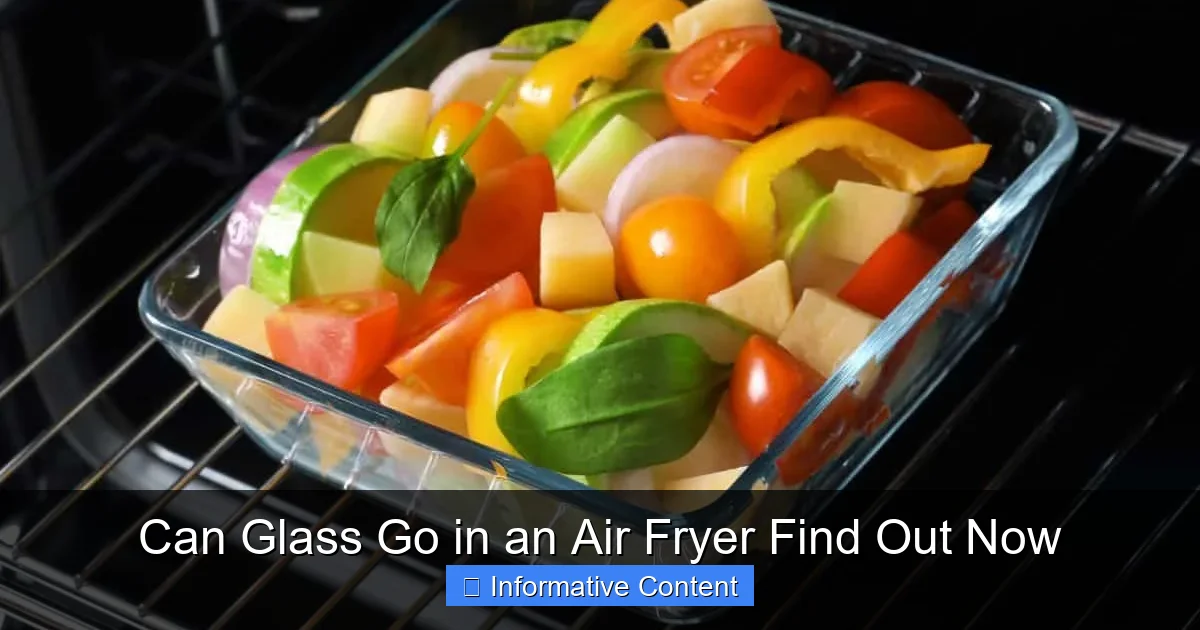
Visual guide about can glass go in an air fryer
Image source: alsothecrumbsplease.com
Tempered Glass (Pyrex, Anchor Hocking, etc.)
Tempered glass is your best bet. It’s heat-treated to withstand higher temperatures and sudden changes better than regular glass. Brands like Pyrex and Anchor Hocking make borosilicate or tempered soda-lime glass dishes that are oven-safe up to 425°F–450°F. These are generally safe in air fryers if you follow a few rules:
-
<
- Always place food in the dish before putting it in the air fryer (never preheat an empty dish)
- Let the dish come to room temperature before cooking (no fridge-to-air fryer moves)
- Use lower to medium heat settings when possible
<
<
Example: A Pyrex 8×8 baking dish works well for mini brownies or roasted veggies in a 350°F air fryer. One user reported: “I bake individual lasagnas in Pyrex ramekins at 360°F for 20 minutes—no cracks, perfect results.”
Regular Glass (Jars, Drinking Glasses, Non-Tempered)
This is where things get dangerous. Regular glass—like mason jars, drinking glasses, or non-tempered storage containers—is not designed for high heat. It’s more likely to shatter due to thermal stress. Avoid using:
- Mason jars (even if labeled “oven-safe,” they’re not meant for convection heat)
- Drinking glasses (wine glasses, tumblers)
- Non-branded glass containers with no safety labels
One Reddit user shared a cautionary tale: “I tried to cook a single-serve cake in a mason jar. It cracked halfway through, and the batter leaked into the air fryer basket. Not worth the risk!”
Oven-Safe vs. Air Fryer-Safe: A Crucial Difference
Just because a glass dish is labeled “oven-safe” doesn’t mean it’s “air fryer-safe.” Oven-safe glass is tested for radiant heat, not intense convection. Some Pyrex products have been recalled in the past due to shattering in ovens, so air fryers—with their faster, more aggressive heating—can be even riskier. Always check the manufacturer’s guidelines. If it says “not for convection ovens,” skip the air fryer.
Safe Practices When Using Glass in an Air Fryer
So, can glass go in an air fryer? Yes—but only if you follow these safety practices. Treat glass with respect, and it will serve you well. Ignore the rules, and you might end up with a kitchen hazard.
Preheating: The Biggest Mistake
Never, ever preheat an empty glass dish in the air fryer. This is the #1 cause of glass breakage. Air fryers heat up quickly, and an empty dish has no food to absorb heat, so the glass heats unevenly. Instead:
- Preheat the air fryer with the basket (empty or with a liner)
- Add the glass dish (with food inside) when the air fryer reaches temperature
- Start cooking immediately
Tip: If your recipe calls for a “preheated dish,” skip glass. Use a metal or silicone alternative instead.
Temperature Gradients: Avoid Sudden Changes
Thermal shock happens when one part of the glass heats or cools faster than another. To prevent this:
- Don’t place a hot glass dish on a cold surface (like stone counters or metal sinks)
- Use a trivet or wooden cutting board to set it down
- Don’t run cold water over a hot dish
- Let it cool gradually on a cooling rack
One mom shared: “I reheated mac and cheese in a Pyrex dish. After removing it, I set it on a silicone mat instead of the counter. No cracking, and the food stayed hot longer.”
Size and Fit: Don’t Overcrowd
Air fryers need space for air to circulate. If your glass dish is too large or too deep, it can block airflow, causing uneven cooking and overheating the glass. Choose dishes that:
- Fit comfortably with 1–2 inches of space around the sides
- Are shallow (under 2 inches deep) for better air flow
- Leave room for the basket to close properly
Example: A 7-inch round Pyrex dish works well in a 5-quart air fryer. A 9-inch dish might touch the heating element, increasing breakage risk.
Alternatives to Glass: When to Use Other Materials
Sometimes, the safest answer to can glass go in an air fryer is “not this time.” Other materials are better suited for air fryers, especially for high-heat or rapid-cooking recipes.
Silicone: The Air Fryer’s Best Friend
Silicone is flexible, heat-resistant (up to 450°F), and won’t crack from thermal shock. It’s perfect for:
- Muffins, cupcakes, and mini quiches
- Individual portions (like single-serve lasagna)
- Reheating sticky foods (no scraping needed)
Bonus: Silicone molds are lightweight and easy to clean. One user said: “I use silicone egg molds for breakfast frittatas. They pop out easily and clean up in seconds.”
Metal: Durable and Efficient
Metal dishes (aluminum, stainless steel) conduct heat quickly and evenly. They’re ideal for:
- Baking bread or rolls
- Roasting vegetables
- Frying foods that need high heat
Note: Avoid non-stick metal pans if the coating is scratched—flaking coating can be dangerous. Stick to plain, oven-safe metal.
Oven-Safe Ceramics and Stoneware
Ceramic dishes (like CorningWare or Le Creuset) are great for casseroles and baked goods. They retain heat well and are less prone to thermal shock than glass. Just make sure they’re labeled “oven-safe” and avoid sudden temperature changes.
One tip: “I use a small ceramic casserole dish for baked oatmeal. It browns evenly and stays warm longer than glass.”
Real-World Examples: What Works and What Doesn’t
Let’s look at actual scenarios to see how glass performs in air fryers. These real-world examples will help you make smarter choices.
Success: Mini Cheesecakes in Pyrex Ramekins
User: Sarah, 34, home baker
Dish: 4-inch Pyrex ramekins
Recipe: Mini cheesecakes with graham cracker crust
Temperature: 325°F
Time: 18 minutes
Result: Perfectly set, no cracks
Sarah’s tip: “I chilled the ramekins before filling them, but let them sit at room temp for 15 minutes before air frying. No issues!”
Disaster: Mason Jar Baked Eggs
User: Tom, 28, breakfast enthusiast
Dish: Wide-mouth mason jar
Recipe: Baked eggs with spinach and cheese
Temperature: 350°F
Time: 12 minutes
Result: Jar cracked halfway through, egg mixture leaked into basket
Tom’s lesson: “I thought it would work like a ramekin. Never using mason jars again!”
Close Call: Glass Pie Dish for Leftover Lasagna
User: Linda, 45, busy mom
Dish: 9-inch Pyrex pie dish
Recipe: Reheating lasagna
Temperature: 375°F
Time: 15 minutes
Result: No cracks during cooking, but dish shattered when placed on cold counter
Linda’s advice: “Always use a trivet. I learned that one the hard way.”
Data Table: Glass Safety in Air Fryers
| Glass Type | Max Safe Temp | Air Fryer Safe? | Best Uses | Risks |
|---|---|---|---|---|
| Tempered (Pyrex, Anchor Hocking) | 425°F–450°F | Yes (with precautions) | Baking, reheating, casseroles | Thermal shock if preheated empty or cooled too fast |
| Regular (non-tempered) | 300°F–350°F | No | None (not recommended) | High risk of shattering |
| Mason Jars | 250°F–300°F (not for convection) | No | None | Very high risk of breakage |
| Oven-Safe Ceramic | 450°F+ | Yes | Casseroles, baked goods | Can crack if cooled too fast |
| Silicone | 450°F | Yes | Muffins, eggs, mini dishes | None (best overall) |
Final Verdict: So, Can Glass Go in an Air Fryer?
After all this, the answer to can glass go in an air fryer is: It depends. Tempered glass like Pyrex or Anchor Hocking can work—but only if you follow strict safety rules. Regular glass, mason jars, and non-tempered dishes? Absolutely not. The rapid, intense heat of an air fryer creates thermal stress that most everyday glass simply can’t handle.
Think of it this way: your air fryer is like a high-performance sports car. Glass is a regular sedan. The sedan can drive on the highway, but it’s not built for racing. Use the right tool for the job. When in doubt, opt for silicone or metal dishes—they’re designed for air fryers and eliminate the risk entirely.
Remember the golden rules: never preheat an empty glass dish, avoid sudden temperature changes, and always check labels. If your glass isn’t labeled “oven-safe” or “tempered,” don’t risk it. Your kitchen—and your air fryer—will thank you.
At the end of the day, convenience isn’t worth a shattered dish or a ruined meal. With the right materials and a little caution, you can enjoy all the crispy, delicious benefits of your air fryer—safely and confidently. So go ahead, bake those mini quiches, reheat that lasagna, or whip up a quick dessert. Just do it the smart way.
Frequently Asked Questions
Can glass go in an air fryer safely?
Yes, but only if it’s labeled oven-safe or air fryer-safe. Regular glass may shatter due to rapid temperature changes, so always check the manufacturer’s guidelines.
What type of glass can I use in an air fryer?
Borosilicate glass (e.g., Pyrex) or tempered glass designed for high heat are safe options. Ensure the glass dish fits without touching the heating element or air fryer walls.
Is it safe to put a cold glass dish in a preheated air fryer?
No—this can cause thermal shock and cracking. Always let the glass warm up gradually or place it in the air fryer before preheating to avoid sudden temperature shifts.
Can I use a glass bowl in an air fryer for baking?
Yes, as long as the bowl is air fryer-safe and fits comfortably. Glass conducts heat evenly, making it great for casseroles or desserts, but monitor cooking times.
Why does glass sometimes break in air fryers?
Air fryers heat rapidly, and non-tempered glass can’t handle the stress. Always use heat-resistant glass to prevent breakage when using glass in an air fryer.
Can glass lids or covers be used in an air fryer?
Only if they’re made of heatproof glass and designed for air fryers. Metal or plastic lids are unsafe, as they can melt or interfere with airflow.