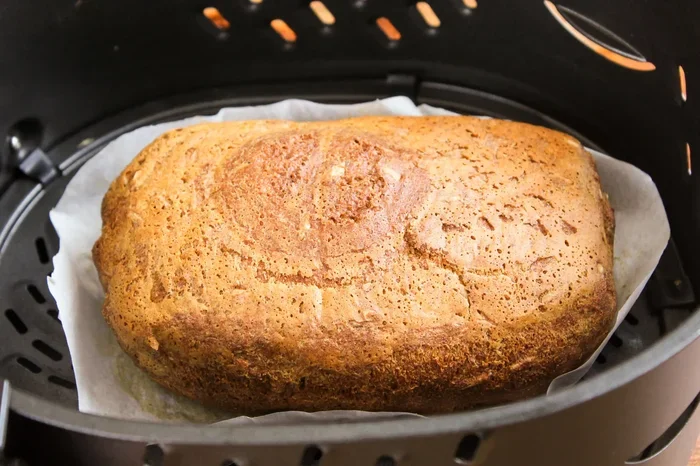
Can I Use Wax Paper in Air Fryer
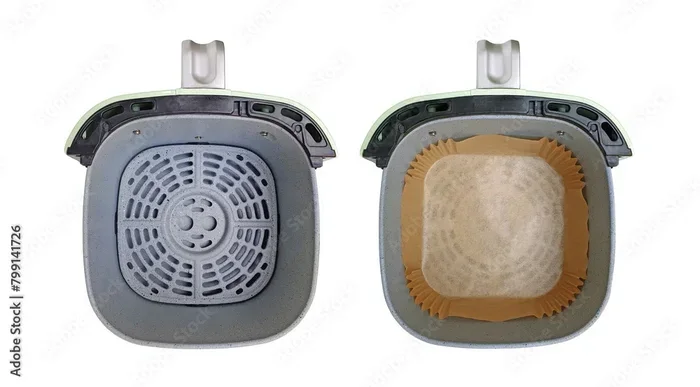
Featured image for wax paper air fryer
Image source: as2.ftcdn.net
Never put wax paper in an air fryer. The wax coating melts at temperatures far below standard air frying heat, creating smoke, ruining food, and posing a serious fire hazard. Safe alternatives include parchment paper (rated for high heat), silicone liners, or aluminum foil. Always check the maximum temperature rating of any liner before use.
You just unboxed your shiny new air fryer. You have a batch of chicken wings ready to go. You reach for the wax paper because, well, it lines baking pans perfectly in the oven. Stop right there. That roll of wax paper is a kitchen staple, but inside an air fryer, it is a safety hazard waiting to happen. Many home cooks confuse wax paper with parchment paper. They look similar. They feel similar. But they behave wildly differently under high heat. Understanding this difference saves your dinner, your appliance, and potentially your kitchen.
This guide breaks down exactly why wax paper fails in an air fryer. We explore the science of the wax coating. We detail the specific dangers of smoke and fire. Most importantly, we give you the safe, effective alternatives that make cleanup just as easy. Whether you are making crispy fries, reheating pizza, or baking cookies, you will know exactly what liner to grab. Let’s clear up the confusion so you can air fry with total confidence.
Key Takeaways
- Wax paper melts at low temperatures: The paraffin or soybean wax coating typically melts around 200°F (93°C), while air fryers often operate between 300°F and 400°F.
- Fire and smoke hazard: Melting wax produces smoke that triggers alarms and can ignite if it contacts the heating element.
- Food contamination risk: Melted wax transfers onto food, creating an unpleasant taste and potential digestive discomfort.
- Parchment paper is the best paper alternative: Look for “air fryer parchment paper” or standard parchment rated for 420°F–450°F (215°C–232°C).
- Silicone liners are reusable and safe: High-quality food-grade silicone withstands temperatures up to 450°F–500°F and eliminates waste.
- Never preheat with liners inside: Loose paper can fly into the heating element during preheating; always weigh it down with food.
- Aluminum foil works with precautions: Foil is heat-safe but blocks airflow; never cover the entire basket bottom and avoid acidic foods.
📑 Table of Contents
- Why Wax Paper And Air Fryers Do Not Mix
- The Critical Difference: Wax Paper Vs. Parchment Paper
- Best Safe Alternatives For Air Fryer Liners
- How To Use Liners Correctly: Step-By-Step
- Common Mistakes That Ruin Results (Or Cause Damage)
- Cleaning And Maintenance Tips For Longevity
- Special Scenarios: When You Might Be Tempted To Use Wax Paper
- Environmental And Cost Considerations
- Conclusion
Why Wax Paper And Air Fryers Do Not Mix
The short answer is heat. Air fryers are essentially small, powerful convection ovens. They circulate superheated air rapidly around food. Most recipes call for temperatures between 300°F and 400°F (150°C–200°C). Some models even reach 450°F. Wax paper is not built for this environment.
The Science Of The Wax Coating
Wax paper is simply tissue paper coated on both sides with paraffin wax or soybean wax. This coating makes the paper moisture-proof and non-stick. It works beautifully for wrapping sandwiches, rolling out dough, or separating burger patties in the freezer. The problem? Wax has a very low melting point. Standard paraffin wax melts between 120°F and 150°F (49°C–65°C). Even specialized food-grade waxes rarely hold up past 200°F (93°C).
Did You Know? The melting point of paraffin wax is roughly the same as a hot summer day inside a parked car. Imagine that thin layer of wax hitting 400°F circulating air. It doesn’t just melt; it vaporizes almost instantly.
When you place wax paper in an air fryer, the wax doesn’t stay on the paper. It melts off immediately. It drips onto your food. It drips into the bottom drawer. It coats the heating element. This creates a trifecta of problems: ruined food, a messy appliance, and a safety risk.
Fire Hazard And Smoke Points
This is the most critical reason to avoid wax paper. Once the wax melts, the paper base is exposed to direct, intense heat. Paper ignites around 451°F (233°C)—the famous Fahrenheit 451 threshold. However, you don’t need open flames for danger. The melting wax produces acrid smoke. This smoke sets off smoke detectors. It leaves a residue on your heating element that smells burnt every time you use the machine afterward.
If that liquid wax hits the bare heating coil, it can flare up. Air fryers have fans that blow air vigorously. Fire needs oxygen. The fan feeds a potential flame. While rare, appliance fires caused by improper liners do happen. Manufacturers explicitly warn against wax paper in manuals for this exact reason.
Food Safety And Taste Issues
Even if you dodge a fire, you ruin your meal. Melted paraffin wax is not toxic in tiny amounts—it is actually used to coat some cheeses and chocolates—but it tastes terrible. It creates a waxy, crayon-like mouthfeel. It coats the inside of your mouth unpleasantly. If you are cooking something delicate like fish or pastries, the wax flavor penetrates the food completely. You cannot scrape it off. The batch is trash.
The Critical Difference: Wax Paper Vs. Parchment Paper
This is the number one confusion point. They sit next to each other on the grocery shelf. They come in similar boxes. They are both “paper.” But their coatings define their limits.
Visual guide about wax paper air fryer
Image source: delipaper.us
Coating Chemistry
Wax Paper: Coated with paraffin or soybean wax. Hydrophobic (repels water). Non-stick. Not heat resistant. Melts at ~200°F.
Parchment Paper: Coated with silicone. This is the game-changer. Silicone is heat stable. It creates a non-stick surface that withstands high temperatures. Most parchment paper is rated safe up to 420°F or 450°F (215°C–232°C). Some professional grades go higher.
Analogy Time: Think of wax paper like a chocolate bar. It is solid and useful at room temperature. Put it in a hot car (or air fryer), and it turns into a gooey mess. Parchment paper is like a silicone baking mat. It stays stable and functional whether it is freezing or scorching hot.
Visual Identification Tips
If you have unmarked rolls, how do you tell them apart?
- The Scratch Test: Scratch the surface with a fingernail. Wax paper feels waxy; wax comes off under your nail. Parchment feels smooth, almost like coated fabric; nothing comes off.
- The Transparency Test: Hold it up to light. Wax paper is usually more translucent, almost see-through. Parchment is more opaque, often bright white or natural brown.
- The Label: Parchment boxes scream “Oven Safe” and list a max temp (e.g., “Safe to 450°F”). Wax paper boxes say “Microwave Safe” or “Freezer Safe” but rarely mention oven temps.
Best Safe Alternatives For Air Fryer Liners
You want easy cleanup. You want non-stick performance. You want safety. Here are the three best options, ranked by versatility.
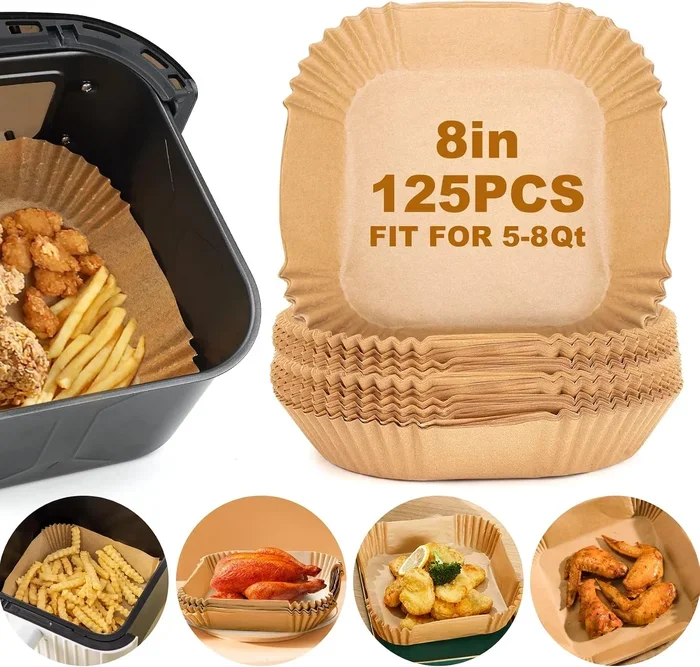
Visual guide about wax paper air fryer
Image source: m.media-amazon.com
1. Perforated Parchment Paper Liners (Top Pick)
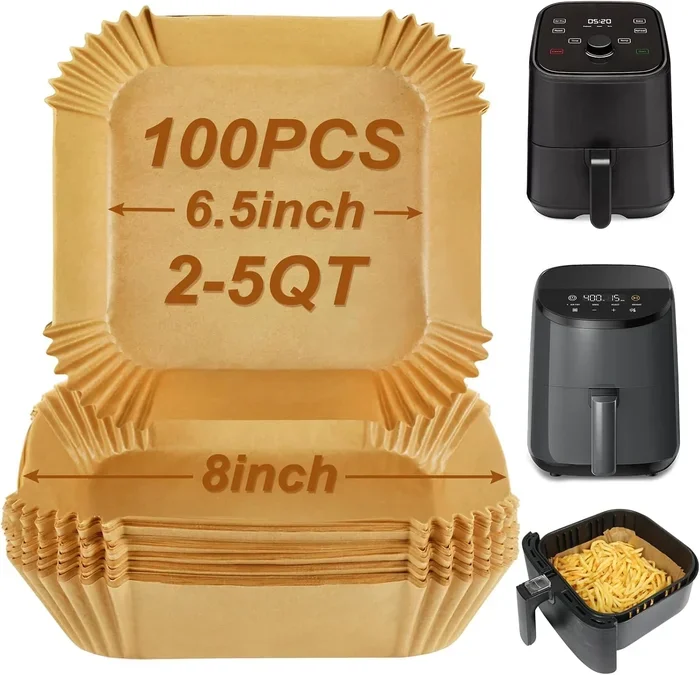
These are pre-cut rounds or squares designed specifically for air fryer baskets. They have tiny holes punched through them. This is crucial. Air fryers work by air flow. A solid sheet of paper blocks that flow. Your food steams instead of fries. It comes out pale and soggy. Perforated liners let the hot air circulate up through the food.
Buy liners sized for your specific basket (e.g., 5-quart, 8-quart, square, round). Look for “Air Fryer Parchment Paper” on the package. Verify the temperature rating matches your cooking style (usually 420°F+).
Pro Tip: Never put parchment in during preheat. The fan will suck the lightweight paper up into the heating element. It will burn instantly. Always place the paper after preheating, weighed down by food.
2. Silicone Liners And Mats (Best Investment)
If you air fry weekly, buy a silicone liner. They are made of food-grade silicone, often reinforced with fiberglass mesh for structure. They are rated to 450°F or 500°F. They are naturally non-stick. Nothing sticks—cheese, marinade, batter slides right off.
They are reusable for years. You wash them in the dishwasher. They pay for themselves in parchment savings within months. They come in basket shapes (with holes) or flat mats for oven-style air fryers. They are heavy enough to stay put during preheat (though weighting them is still smart).
Did You Know? High-quality silicone does not leach chemicals at air frying temperatures. It is inert. Look for “LFGB certified” or “FDA approved food grade” on the packaging for the highest safety standard.
3. Aluminum Foil (Situational Use)
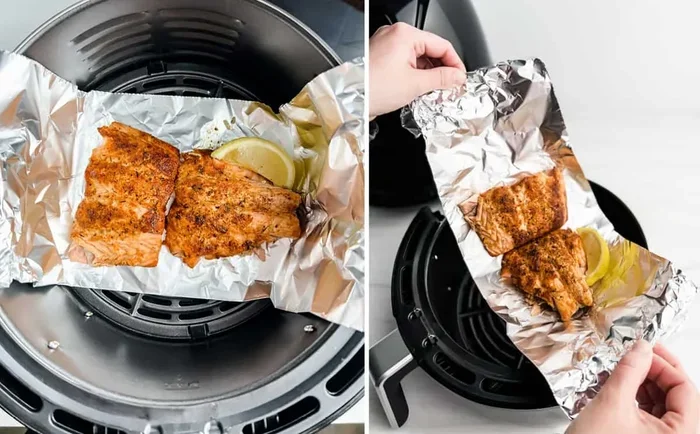
Foil is heat proof. It handles any air fryer temp. It molds perfectly to the basket. It is great for “packets” (salmon with veggies, hobo dinners). It catches heavy drips from marinated meats.
Rules for Foil:
- Don’t block airflow: Never line the entire bottom of the basket solid. Cut foil smaller than the basket diameter. Leave the perimeter open for air to cycle.
- Don’t use with acidic foods: Tomato sauce, lemon juice, vinegar marinades react with aluminum. This pits the foil and leaches metallic taste into food. Use parchment or silicone for acidic dishes.
- Secure it: Foil is light. Crimp it tightly around food or the basket edges so the fan doesn’t blow it into the element.
4. Bare Basket (The Purist Approach)
Most air fryer baskets have a non-stick coating (Teflon/PTFE or ceramic). For many foods—frozen fries, nuggets, veggies—you need nothing. A light spray of oil on the food (not the basket) prevents sticking. Avoid aerosol sprays (like PAM) on non-stick baskets; the propellant builds up a sticky residue that ruins the coating. Use a refillable oil mister instead.
How To Use Liners Correctly: Step-By-Step
Using a liner seems intuitive. Place paper, add food, cook. But air fryers have quirks. Follow these steps for perfect results every time.
Step 1: Preheat Empty
Turn on the air fryer. Set the temp. Let it run 3–5 minutes. The basket gets hot. The air gets moving. This ensures immediate searing when food hits the basket.
Step 2: Place Liner
Open the drawer. Place your parchment liner or silicone mat in the bottom. If using parchment, ensure it is the perforated type. Center it.
Step 3: Add Food Immediately
This is the anchor. Pile your food on top of the liner. The weight holds it down. Spread food in a single layer. Crowding blocks airflow just like a solid liner does. Cook in batches if needed.
Step 4: Cook And Shake
Slide the drawer in. Set the timer. Halfway through, shake the basket or flip food with tongs. This ensures even browning. If using parchment, check that corners haven’t curled up toward the element.
Step 5: Remove Carefully
When done, pull the drawer out. The liner will be hot. Use tongs to lift food off the liner onto a plate. Don’t dump the liner and food together; hot grease on paper can flop unpredictably. Let the liner cool, then toss (parchment/foil) or wash (silicone).
Common Mistakes That Ruin Results (Or Cause Damage)
Even with the right materials, technique matters. Avoid these pitfalls.
Mistake 1: Using Standard Parchment Without Holes
You ran out of perforated liners. You cut a square from your baking roll. It fits perfectly. But it has no holes. Your fries come out limp. Your chicken skin is rubbery. The air fryer is now a “hot air steamer.” Always perforate standard parchment yourself with a hole punch or skewer if you must use it. Better yet, keep a stash of pre-cut perforated liners.
Mistake 2: Preheating With Paper Inside
We said it before; we say it again. The fan is powerful. Empty parchment flies. It finds the heating element. It chars in seconds. You smell burning paper. You potentially damage the element. Always preheat empty.
Mistake 3: Overloading The Basket
This isn’t about the liner, but it ruins the cook. Air must circulate around every piece. A piled mountain of wings cooks uneven. The bottom burns; the top is raw. Single layer. Space between pieces. This is the “secret” to restaurant crispiness.
Mistake 4: Using Aerosol Cooking Sprays On Non-Stick Baskets Or Silicone
This is a silent killer of non-stick coatings. Aerosol sprays (Pam, generic brands) contain lecithin and propellants. At high heat, lecithin polymerizes into a sticky, dark varnish. It cannot be scrubbed off. It makes food stick more. It voids warranties. Use a pump mister with pure oil (avocado, canola, olive).
Mistake 5: Ignoring Max Temp Ratings
Cheap parchment might only be rated to 400°F. Your air fryer hits 450°F on “Max Crisp.” The paper chars at the edges. It gets brittle. It crumbles into food. Check the box. If you cook hot, buy high-temp parchment (450°F+) or stick to silicone.
Cleaning And Maintenance Tips For Longevity
Liners make cleanup easy, but the machine still needs care.
Cleaning The Basket And Drawer
Even with liners, grease splatters. Steam condenses. Wash the basket and drawer after every use. Hot soapy water. Non-abrasive sponge. Most are dishwasher safe (check manual), but hand washing extends the non-stick coating life significantly. Dry thoroughly before storing.
Cleaning The Heating Element
Flip the unit upside down (unplugged, cool!). Look at the coil. See splatter? Wipe with a damp cloth. Soft brush for baked-on bits. Never use oven cleaner or steel wool. A clean element heats efficiently and prevents smoke on next use.
Storing Silicone Liners
Silicone attracts dust and lint like a magnet. Store liners flat in a drawer or zip-top bag. If they get dusty, rinse before use. Don’t fold them sharply; creases can weaken the fiberglass mesh over time. Roll them loosely if you must.
Special Scenarios: When You Might Be Tempted To Use Wax Paper
There are edge cases where wax paper seems like the answer. It isn’t. Here is what to do instead.
Scenario: Dehydrating Fruit Or Herbs At Low Temp (120°F–140°F)
“My air fryer has a dehydrate setting at 130°F. Wax melts at 200°F. Am I safe?” Technically, the wax might not melt at 130°F. But the air flow is still strong. The paper gets brittle. It can still blow around. Fruit leather or thin herb leaves stick to paper aggressively. Peeling wax paper off dried strawberries is a nightmare. Use silicone mats or mesh dehydrator trays. They peel clean. They are reusable.
Scenario: Lining The Outer Drawer (Not The Basket) To Catch Drips
“I’ll put foil or wax paper in the bottom drawer, under the basket, to catch grease.” Foil? Okay, if it doesn’t touch the element and air flows. Wax paper? No. The drawer gets hot. Radiant heat from the element above hits the drawer bottom. Wax melts. Smoke rises through the basket holes onto food. Just wash the drawer. It takes 30 seconds. Or use a dedicated silicone “crumb tray” liner if your model supports it.
Scenario: Wrapping Food In Wax Paper Packets (En Papillote)
“I want to steam fish in a wax paper packet inside the air fryer.” The packet traps steam. The paper stays wet. Wet paper stays cooler than 200°F? Maybe. But the packet touches the hot basket. The contact points scorch. The wax migrates into the food juices. Use parchment paper packets. They are the classic choice for en papillote for a reason. They hold up. They are safe. They look elegant.
Environmental And Cost Considerations
Let’s talk waste and wallet.
Disposable Vs. Reusable
Parchment and foil are single-use. If you air fry daily, you burn through a $6 roll of parchment in two weeks. That is $150+ a year. A $15–$20 silicone liner lasts 2–3 years. The math is obvious. Silicone wins on cost-per-use.
Waste-wise, parchment is compostable in industrial facilities (check local rules). It is not recyclable (silicone coating). Foil is recyclable if clean. Greasy foil goes to landfill. Silicone is not biodegradable, but its long life offsets the footprint. One silicone mat replaces hundreds of parchment sheets.
Health Note On Non-Stick Coatings
Air fryer baskets often use PTFE (Teflon) coatings. These are safe under 500°F. Overheating empty baskets degrades the coating. Liners (parchment/silicone) actually protect the basket coating from direct heat and metal utensil scratches. Using a liner extends the life of your appliance’s non-stick surface.
Conclusion
Can you use wax paper in an air fryer? The answer is a definitive, safety-backed no. The wax coating melts at temperatures far below standard air frying ranges. This creates smoke, ruins flavor, risks fire, and damages your appliance. It is a kitchen “don’t” with zero upside.
The good news? Better options exist. Perforated parchment paper gives you the disposable convenience you want with the heat resistance you need. Silicone liners give you a professional, reusable, non-stick surface that pays for itself. Aluminum foil handles heavy drips and packets (watch the acid). And often, a bare basket with a mist of oil is all you need.
Match the liner to the job. Respect the airflow. Never preheat with loose paper. Follow these rules, and your air fryer will deliver crispy, healthy, easy meals for years. No wax required. No stress allowed. Happy air frying.
Frequently Asked Questions
Can I use wax paper in an air fryer at low temperatures?
No, even at lower temperatures (like 200°F–250°F), wax paper is risky. The wax coating can still soften, transfer to food, and create smoke. The fan can also blow lightweight paper into the heating element. Use silicone mats or parchment paper rated for the specific temperature instead.
What happens if I accidentally put wax paper in the air fryer?
If you catch it quickly, turn off the unit and remove the paper. If it has melted, you will likely see smoke and smell burning wax. You must clean the basket, drawer, and heating element thoroughly before next use to prevent lingering smoke or fire risk. Discard any food that contacted the melted wax.
Is parchment paper the same as wax paper?
No, they are fundamentally different. Wax paper is coated with paraffin or soybean wax which melts at low heat. Parchment paper is coated with silicone, making it heat-resistant up to 420°F–450°F. They are not interchangeable for cooking with heat.
Can I use aluminum foil in an air fryer instead of wax paper?
Yes, aluminum foil is safe for air fryers as it withstands high heat. However, do not cover the entire basket bottom (blocking airflow), avoid using it with acidic foods (tomatoes, citrus), and secure it well so the fan doesn’t blow it into the heating element.
Do I need to perforate parchment paper for the air fryer?
Yes, perforations (holes) are essential for air fryers. They allow hot air to circulate up through the food for even crisping. Solid parchment blocks airflow, resulting in steamed, soggy food. Buy pre-perforated liners or punch holes in standard parchment yourself.
Are silicone air fryer liners worth the money?
Yes, for frequent users. A quality silicone liner costs $15–$20 and lasts years, replacing hundreds of parchment sheets. They are dishwasher safe, naturally non-stick, heavy enough to stay in place, and rated for 450°F+. They offer the best long-term value and performance.