Can You Fry an Egg in an Air Fryer
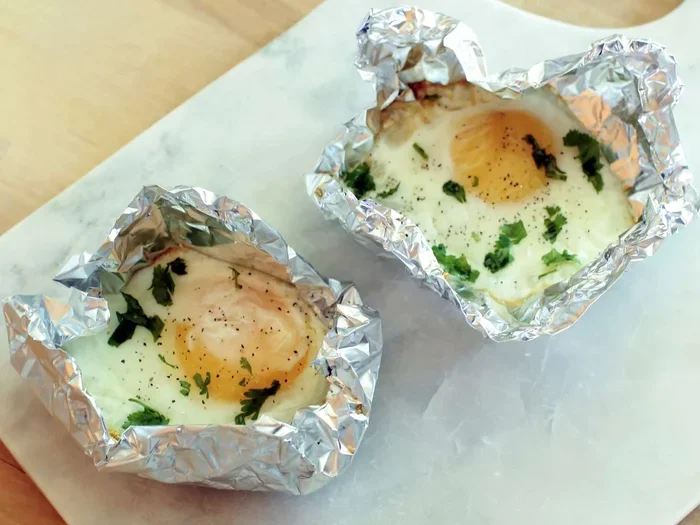
Featured image for air fryer fried egg
Image source: allrecipes.com
Yes, you can absolutely fry an egg in an air fryer and it’s easier than you might think. This guide covers everything from sunny-side-up to hard-boiled styles, with exact temperatures, timing, and pro tips for perfect results every single time.
If you’ve ever stared at your air fryer and wondered whether it could handle something as delicate as a fried egg, you’re not alone. The short answer is yes, you can fry an egg in an air fryer, and honestly, it might become your new favorite way to make breakfast. Think of your air fryer like a tiny convection oven that circulates hot air around food. That same airflow that makes fries crispy can also set egg whites perfectly while keeping the yolk runny, if you know the trick.
Most people use their air fryer for frozen french fries, chicken wings, or reheating pizza. But this countertop appliance is secretly a breakfast powerhouse. According to a 2023 kitchen appliance survey by the NPD Group, over 60% of U.S. households now own an air fryer, yet fewer than 15% use it for eggs regularly. That’s a missed opportunity. Eggs cook fast, need little oil, and the air fryer’s even heat means no more burnt edges or undercooked whites. Let’s walk through exactly how to do it, step by step.
Key Takeaways
- Yes, it works: Air fryers can fry eggs in multiple styles including sunny-side-up, over-easy, and even scrambled with the right technique.
- Temperature matters: 320°F to 350°F is the sweet spot for most egg styles; too hot and the whites get rubbery before the yolk sets.
- Use a ramekin or foil: A small oven-safe dish, silicone mold, or foil boat keeps the egg contained and makes removal effortless.
- Preheat for best results: A 3-minute preheat ensures even cooking and prevents the egg from spreading too thin.
- Timing is quick: Most fried eggs take just 4 to 6 minutes depending on yolk preference; set a timer and check early.
- Cleanup is minimal: Non-stick spray or parchment paper liners make cleanup nearly nonexistent compared to stovetop pans.
- Batch cooking works: You can cook 4 to 6 eggs at once in a large air fryer, perfect for meal prep or feeding a crowd.
📑 Table of Contents
- Why Fry an Egg in an Air Fryer?
- What You Need Before You Start
- Step-by-Step: How to Fry an Egg in an Air Fryer
- Temperature and Timing Cheat Sheet
- Common Mistakes and How to Fix Them
- Creative Ways to Serve Air Fryer Eggs
- Cleaning and Maintenance Tips
- Air Fryer Eggs vs. Other Methods
- Troubleshooting FAQ
- Nutrition and Health Notes
- Batch Cooking and Meal Prep Strategies
- Advanced Techniques for Egg Enthusiasts
- Frequently Asked Questions
- Conclusion
Why Fry an Egg in an Air Fryer?
You might ask, why bother when a skillet works fine? Fair question. But the air fryer brings a few distinct advantages to the table. First, it’s hands-off. You crack the egg into a dish, set the timer, and walk away. No standing over a sputtering pan, no flipping acrobatics, no oil burns on your forearm. Second, cleanup is almost zero. A quick rinse of a ramekin or a toss of parchment paper beats scrubbing a sticky non-stick pan any day.
Third, consistency. The circulating hot air cooks the egg from all sides at once. That means the white sets evenly without those weird translucent spots you get when the pan isn’t perfectly level. And if you’re cooking for a crowd, you can fit four to six eggs at once in a large basket model. Try doing that in a single skillet without them merging into one giant egg blob.
Did You Know? The air fryer was originally patented in 2010 by Philips as a “Rapid Air Technology” device for making fries with 80% less fat. But the same convection principle works beautifully for proteins like eggs, which coagulate at relatively low temperatures (whites at 144°F, yolks at 149°F).
What You Need Before You Start
Essential Equipment
You don’t need fancy gadgets, but you do need a vessel to hold the egg. The air fryer basket has holes or a mesh bottom, so a raw egg would just drip through. Here are your best options:
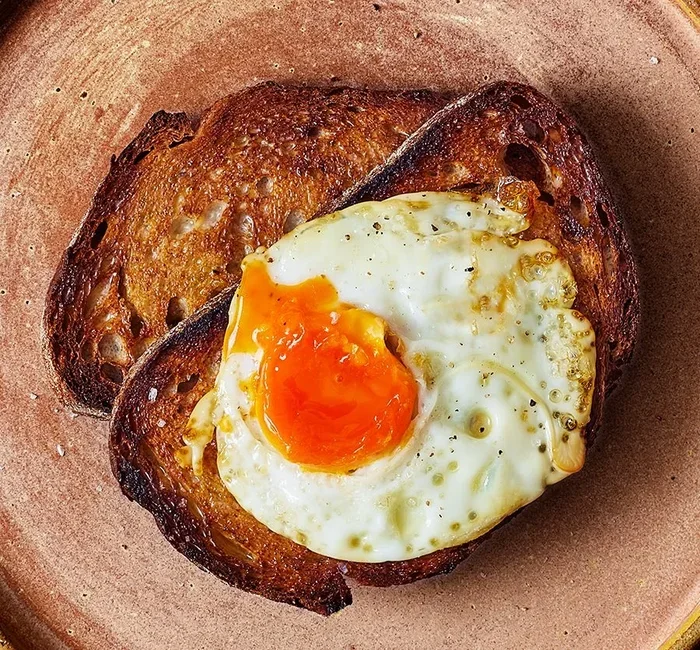
Visual guide about air fryer fried egg
Image source: images.immediate.co.uk
- Ramekins or small oven-safe bowls: These are ideal. A 4-ounce ramekin holds one egg perfectly. Ceramic, glass, or silicone all work.
- Silicone egg bite molds: These flexible cups pop the egg out cleanly and are dishwasher safe.
- Aluminum foil boats: Fold a 6-inch square of foil into a little bowl shape with raised edges. Cheap, disposable, and molds to any basket size.
- Parchment paper liners with raised edges: Some brands sell perforated parchment cups made for air fryers. They work but can be pricey for daily use.
Optional but Helpful
- Cooking spray (olive oil, avocado oil, or a light mist of non-stick spray)
- Small silicone spatula for loosening edges
- Instant-read thermometer (if you’re particular about yolk doneness)
- Salt, pepper, and any toppings you like (chives, cheese, hot sauce, everything bagel seasoning)
Air Fryer Type Matters
Basket-style air fryers (the pull-out drawer kind) are the most common and work great. Oven-style air fryers with racks work too, but you’ll want to place your ramekins on a wire rack or the middle tray for best airflow. Avoid the paddle-style air fryers with a rotating arm, those are meant for stirring fries and will wreck a delicate egg.
Step-by-Step: How to Fry an Egg in an Air Fryer
Method 1: Sunny-Side-Up (The Classic)
This is the most popular style and the easiest to master. The goal: fully set whites, gloriously runny yolk.
- Preheat your air fryer to 320°F (160°C) for 3 minutes. This step is non-negotiable. A cold basket means the egg starts cooking unevenly as the machine heats up.
- Lightly grease your ramekin or foil boat. A quick spritz of oil spray prevents sticking. If using silicone, you can often skip this.
- Crack one egg into each vessel. Be gentle. You want the yolk intact and centered.
- Place vessels in the air fryer basket. Space them out so air circulates freely. Don’t stack.
- Cook at 320°F for 4 to 5 minutes. Check at 4 minutes. The whites should be opaque and set, the yolk still jiggly.
- Remove carefully. Use oven mitts or tongs. The ramekin will be hot. Run a thin silicone spatula around the edge, then slide the egg onto a plate.
- Season and serve immediately. Salt, pepper, maybe a sprinkle of flaky sea salt if you’re feeling fancy.
Pro Tip: If your whites aren’t fully set but the yolk is getting too firm, lower the temp to 300°F and add 1 minute. Lower and slower gives you more control.
Method 2: Over-Easy / Over-Medium / Over-Hard
Flipping an egg in an air fryer sounds wild, but it works if you use a flat surface like a foil boat or a small cast iron skillet that fits your basket.
- Preheat to 330°F.
- Grease your foil boat or mini skillet well.
- Crack in the egg. Cook 3 minutes.
- Carefully pull the basket out. Use a thin spatula to flip the egg gently.
- Return to air fryer. Cook 1 minute for over-easy, 2 for over-medium, 3 for over-hard.
Honestly? For flipped eggs, a stovetop is still faster. But if you’re already air frying bacon or toast, this keeps everything in one appliance.
Method 3: Scrambled Eggs in the Air Fryer
Yes, you can make scrambled eggs. They come out fluffy and curdy, almost like a soft baked custard.
- Preheat to 300°F.
- Whisk 2 to 3 eggs in a bowl with a splash of milk, salt, and pepper.
- Pour into a greased 6-inch cake pan or oven-safe dish that fits your basket.
- Cook 4 minutes. Pull out, stir gently with a silicone spatula.
- Return for 2 to 3 more minutes, stirring once halfway, until just set but still moist.
These won’t look like diner-style scrambled eggs. They’re more like a soft frittata. But they’re delicious and completely hands-off.
Method 4: “Hard-Fried” Eggs (Meal Prep Style)
Want fully cooked yolks for sandwiches, salads, or meal prep boxes? Crank it up.
- Preheat to 350°F.
- Grease ramekins. Crack in eggs.
- Cook 6 to 7 minutes.
- Cool slightly, then pop out. Store in the fridge up to 4 days.
These reheat beautifully in the microwave for 20 seconds. Meal prep win.
Temperature and Timing Cheat Sheet
Every air fryer runs a little different. Think of it like ovens, some run hot, some cool. Use this as a starting point and adjust based on your machine and egg size.
| Style | Temp | Time | Yolk Result |
|---|---|---|---|
| Sunny-side-up (runny) | 320°F | 4-5 min | Liquid gold |
| Sunny-side-up (jammy) | 320°F | 5-6 min | Thick, spreadable |
| Over-easy | 330°F | 3+1 min (flip) | Runny, sealed top |
| Over-medium | 330°F | 3+2 min (flip) | Jammy, sealed top |
| Over-hard | 330°F | 3+3 min (flip) | Fully set |
| Scrambled (soft) | 300°F | 4+2 min (stir) | Custardy curds |
| Hard-fried (meal prep) | 350°F | 6-7 min | Fully cooked |
Did You Know? Large eggs vary in weight from 56g to 63g. A jumbo egg might need 30 extra seconds. When in doubt, check early. You can always add time. You can’t un-cook an egg.
Common Mistakes and How to Fix Them
Mistake 1: Skipping Preheat
Putting eggs in a cold air fryer is like putting a cake in a cold oven. The whites start spreading before they set, giving you thin, lacey edges instead of a neat round egg. Always preheat 3 minutes.
Mistake 2: Too High Heat
350°F or higher makes the whites rubbery and browned before the yolk does anything. Eggs are delicate proteins. They want gentle heat. Stay at 320°F for fried styles.
Mistake 3: No Grease
Even non-stick ramekins can grab egg whites. A one-second spray of oil saves you from chipping egg off ceramic with a fork.
Mistake 4: Overcrowding
Air fryers need airflow. If you pack four ramekins touching each other, the eggs in the middle cook slower. Leave at least half an inch between vessels.
Mistake 5: Walking Away Completely
Set a timer for 1 minute less than you think. Check. Add time if needed. The difference between perfect runny and fully set is 30 seconds.
Creative Ways to Serve Air Fryer Eggs
Breakfast Sandwiches
Toast an English muffin in the air fryer (2 minutes at 350°F). Add a slice of cheese, the hot egg, and maybe a pre-cooked sausage patty or bacon. The residual heat melts the cheese perfectly.
Eggs on Avocado Toast
Mash avocado with lemon, salt, and red pepper flakes on toasted sourdough. Top with a sunny-side-up air fryer egg. The runny yolk mixes with the avocado into a rich sauce.
Rice Bowls
Leftover rice, a fried egg, soy sauce, sesame oil, scallions, and kimchi. Korean-style comfort food in 5 minutes.
Salad Topper
A jammy-yolk egg turns a simple green salad into a meal. The yolk emulsifies with vinaigrette into a creamy dressing. Try it on bitter greens like radicchio or frisée with a warm bacon vinaigrette.
Ramen Upgrade
Instant ramen + air fryer egg = restaurant quality. Cook the noodles, pour broth over, slide in the egg. The heat finishes the yolk to jammy perfection.
Cleaning and Maintenance Tips
One of the biggest selling points of air fryer eggs is easy cleanup. But a few habits keep your machine in top shape:
- Line the basket: Even with ramekins, sometimes egg white drips. A parchment liner or foil on the basket bottom catches it.
- Soak ramekins immediately: Egg protein sets fast. A 5-minute soak in hot soapy water makes them wipe clean.
- Wipe the heating element: Once a month, when the machine is cool, wipe the top heating coil with a damp cloth. Splattered grease can smoke later.
- Don’t use aerosol sprays directly on the basket: Propellants in PAM-style sprays can degrade non-stick coatings over time. Use a refillable oil mister instead.
Air Fryer Eggs vs. Other Methods
vs. Stovetop Skillet
Stovetop wins for: Speed (2 minutes vs 6), flipping control, crispy lace edges if you like them, basting with butter.
Air fryer wins for: Hands-off cooking, batch capacity, no oil splatter, consistent results, easier cleanup.
vs. Microwave
Microwave eggs are… sad. Rubbery whites, exploding yolks, weird texture. Air fryer eggs actually taste like fried eggs. No contest.
vs. Oven-Baked (Shirred Eggs)
Similar concept, but oven takes 10+ minutes to preheat and 12-15 to bake. Air fryer preheats in 3 and cooks in 5. For one or two eggs, air fryer wins on speed and energy use.
vs. Poaching
Poached eggs have a silky texture you can’t replicate in an air fryer. But poaching requires swirling water, vinegar, and skill. Air fryer “poached” (crack into water-filled ramekin, cover with foil, 300°F for 5 min) gets you close with zero technique.
Troubleshooting FAQ
My egg whites are still runny but the yolk is firm. What gives?
Your air fryer runs hot. Lower the temp 10-15 degrees and add a minute. Or try the “tent” method: loosely cover the ramekin with foil for the first 3 minutes to slow the yolk cooking, then remove foil to finish the whites.
The egg stuck to the ramekin.
Spray more oil next time. Or let it cool 1 full minute before removing, the steam helps release it. Run a thin silicone spatula around the edge first.
Can I cook eggs directly on the basket grate?
Only if your basket has a solid bottom or you use a grill mat. Standard mesh baskets will let the white drip through. Don’t do it.
Can I use cold eggs straight from the fridge?
Yes, but they’ll need 30-60 seconds more. Room temp eggs cook more evenly. If you remember, set them out while the air fryer preheats.
What about egg bites like Starbucks?
Whisk eggs with cottage cheese, roasted veggies, bacon, pour into silicone molds, cook at 300°F for 8-10 minutes. They’re fluffy, protein-packed, and freeze beautifully.
Nutrition and Health Notes
Air fryer eggs need minimal added fat. A spray of oil is maybe 1/4 teaspoon total. Compare that to a tablespoon of butter in a skillet. That’s 100 calories saved per egg. Over a year of daily eggs, that’s 36,500 calories, or about 10 pounds of body fat equivalent.
Eggs themselves are nutritional powerhouses. One large egg has 6g protein, 5g fat (mostly unsaturated), and key nutrients like choline (brain health), lutein (eye health), and vitamin D. The cholesterol myth has been largely debunked for most people; the 2020-2025 Dietary Guidelines for Americans no longer set a daily cholesterol limit.
Did You Know? A 2022 study in the journal Nutrients found that eating 1-2 eggs daily did not increase cardiovascular risk in healthy adults and actually improved HDL (“good”) cholesterol function.
Batch Cooking and Meal Prep Strategies
Sunday Prep for the Week
Cook a dozen hard-fried eggs at 350°F for 7 minutes. Cool, peel if you used silicone molds, store in airtight containers. Grab two each morning for instant protein. They last 4-5 days refrigerated.
Freezing Air Fryer Eggs
Scrambled eggs freeze well. Cook them slightly underdone, cool completely, portion into muffin tins, freeze solid, then bag. Reheat 60-90 seconds in microwave. Fried eggs don’t freeze well, the texture gets weird.
Feeding a Crowd
Brunch for 8? Large air fryer oven models can hold 12 ramekins across two racks. Rotate racks halfway through. You’ll look like a breakfast wizard with zero sweat.
Advanced Techniques for Egg Enthusiasts
Sous-Vide Style in the Air Fryer
Want that perfect 145°F yolk texture without a $200 immersion circulator? Fill a ramekin with 1/4 inch water. Crack egg in. Cover tightly with foil. Cook at 275°F for 12 minutes. The water bath gently cooks the egg like sous-vide. Whites tender, yolk like honey.
Cloud Eggs
Separate the white. Whip to stiff peaks with a pinch of cream of tartar. Pile into mounds on parchment. Make a well in center. Air fry at 300°F for 3 minutes. Add yolk to well. Cook 2 more minutes. Impressive, fluffy, Instagram-ready.
Egg in a Hole (Air Fryer Style)
Cut a circle in bread with a cookie cutter. Butter both sides. Place in air fryer at 350°F for 2 minutes. Crack egg into hole. Cook 3-4 more minutes. The bread toasts, the egg fries, everyone’s happy.
Frequently Asked Questions
Can you fry an egg in an air fryer without a ramekin?
You need some kind of container. A foil boat works in a pinch. Fold a 6×6 inch piece of heavy-duty foil into a shallow bowl with 1-inch sides. Spray with oil. Crack egg in. It holds shape surprisingly well.
What temperature do you fry an egg in an air fryer?
320°F is the sweet spot for sunny-side-up. 300°F for scrambled. 350°F for fully set meal-prep eggs. Avoid going higher, eggs toughen fast.
How long does it take to fry an egg in an air fryer?
4 to 6 minutes for sunny-side-up depending on yolk preference. Add 3 minutes preheat. Total time under 10 minutes.
Can you cook multiple eggs at once in an air fryer?
Yes. A standard 5-quart basket fits 4 ramekins comfortably. Large oven-style models fit 6-12 across two racks. Just don’t overcrowd, airflow is key.
Do air fryer eggs taste different than pan-fried?
Slightly. No crispy browned edges unless you use higher heat. The whites are more uniformly tender. The flavor is clean, pure egg. Many people prefer the texture once they try it.
Is it safe to cook eggs in an air fryer?
Absolutely. As long as the egg reaches 160°F internally (whites set, yolk thickened), it’s safe. The USDA recommends cooking eggs until both yolk and white are firm for maximum safety, but runny yolks are a personal risk choice.
Conclusion
So, can you fry an egg in an air fryer? Unequivocally yes. And once you dial in your specific model’s sweet spot, you might find yourself reaching for the air fryer instead of the skillet more often than not. The convenience of hands-off cooking, the easy cleanup, the ability to batch cook, it all adds up to a breakfast hack that genuinely makes mornings easier.
Start with the basic sunny-side-up method at 320°F for 4 minutes. Take notes. Adjust by 30-second increments until it’s exactly how you like it. Then experiment. Scrambled for meal prep. Jammy eggs for ramen. Cloud eggs for weekend brunch. Your air fryer just became the most versatile breakfast tool in your kitchen.
And hey, if you burn the first batch? That’s just breakfast for the dog. Try again tomorrow. Eggs are cheap. Knowledge is priceless.