
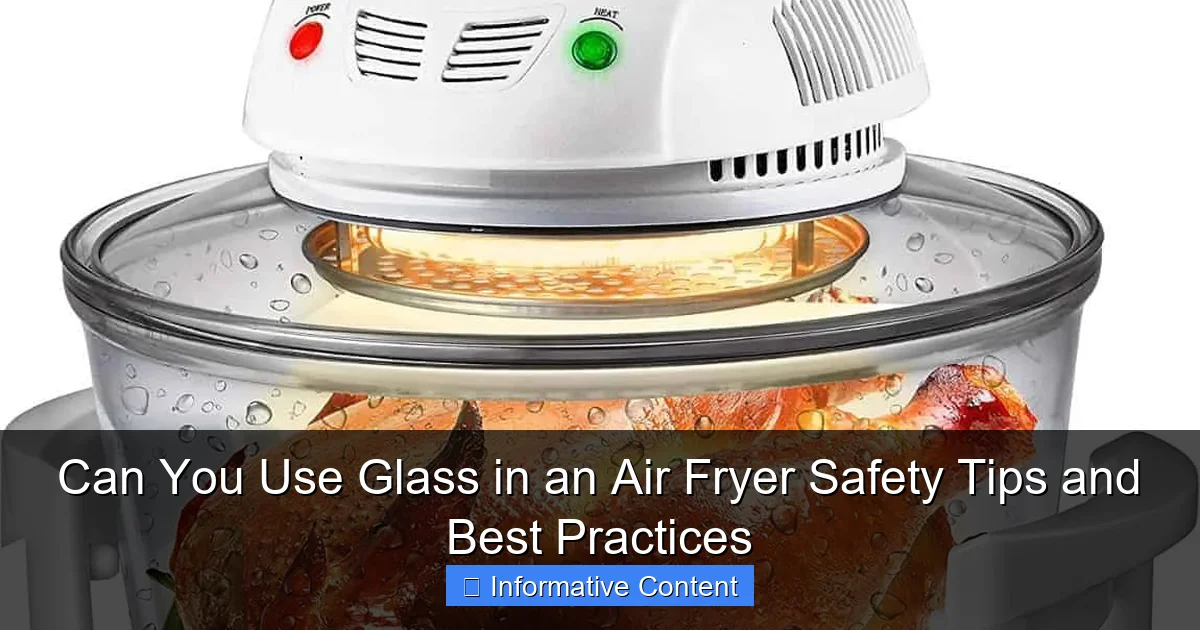
Featured image for can you use glass in an air fryer
Image source: everydayfamilycooking.com
Yes, you can use glass in an air fryer—but only if it’s labeled oven-safe or borosilicate to withstand high heat. Avoid sudden temperature changes to prevent cracking, and always check the manufacturer’s guidelines before use. Never use regular glass or cold dishes straight from the fridge, as thermal shock can shatter them instantly.
Key Takeaways
- Only use tempered glass: Ensure it’s labeled oven-safe and air fryer-safe.
- Avoid sudden temperature changes: Preheat glass to prevent cracking from heat shock.
- Check manufacturer guidelines: Confirm compatibility with your air fryer model first.
- Never use cracked glass: Even small damage can worsen and cause breakage.
- Use glass lids cautiously: High heat may damage or shatter non-tempered covers.
- Monitor cooking closely: Glass can retain heat longer than metal, altering results.
📑 Table of Contents
- Can You Use Glass in an Air Fryer? Safety Tips and Best Practices
- Understanding Air Fryer Temperatures and How They Affect Glass
- Which Types of Glass Are Safe to Use in an Air Fryer?
- How to Safely Use Glass in Your Air Fryer: Step-by-Step Tips
- Common Mistakes to Avoid When Using Glass in an Air Fryer
- Alternative Cookware: When to Use Something Else
- Data Table: Glass Types and Air Fryer Compatibility
- Final Thoughts: Can You Use Glass in an Air Fryer?
Can You Use Glass in an Air Fryer? Safety Tips and Best Practices
Let’s face it—air fryers have revolutionized the way we cook. From crispy french fries to juicy chicken wings, these compact countertop appliances promise the golden, crunchy texture of deep frying without the mess or the guilt. But as we get more creative in the kitchen, a common question pops up: Can you use glass in an air fryer? Maybe you’ve got a leftover lasagna in a glass dish, or you’re eyeing that beautiful casserole recipe that calls for a glass baking dish. You’re not alone—plenty of us have stood in front of our air fryers, dish in hand, wondering if it’s safe to pop it in.
The short answer? It depends. While glass *can* be used in an air fryer under the right conditions, it’s not as simple as just tossing any old glass container in. The high heat, rapid air circulation, and sudden temperature changes inside an air fryer can turn a simple cooking session into a potential hazard if you’re not careful. In this guide, we’ll walk you through everything you need to know about using glass in your air fryer—what works, what doesn’t, and how to do it safely. Whether you’re a seasoned air fryer pro or just getting started, this is one conversation you won’t want to skip.
Understanding Air Fryer Temperatures and How They Affect Glass
To answer the question “can you use glass in an air fryer,” we first need to understand how air fryers work. Unlike traditional ovens that heat from the top and bottom with radiant heat, air fryers use a powerful fan to circulate hot air rapidly around the food. This creates a convection effect that crisps food from all sides. Most air fryers operate between 175°F and 400°F (80°C–200°C), with many recipes calling for temps of 350°F–390°F.
Visual guide about can you use glass in an air fryer
Image source: hiroasiankitchen.com
How Heat Circulation Impacts Glass
Glass is a poor conductor of heat, meaning it heats up and cools down slowly. When you place a cold glass dish into a preheated air fryer, the sudden temperature difference can cause the glass to expand unevenly. This is called thermal shock, and it’s the number one reason why glass breaks in high-heat environments. The rapid air flow in an air fryer doesn’t help—it can create hot spots on the glass surface, increasing the risk of cracking or shattering.
Imagine this: You’re reheating leftover mac and cheese in a glass casserole dish. You set the air fryer to 375°F, place the dish inside, and walk away. Five minutes later, you hear a loud *crack*. That’s thermal shock in action. The edges of the dish, exposed directly to hot air, expand faster than the center, causing stress fractures.
Temperature Limits of Common Glass Types
Not all glass is created equal. Some types are engineered to handle high heat, while others are not. Here’s a quick breakdown:
- Pyrex (borosilicate glass): Can withstand temperatures up to 425°F (218°C) and is highly resistant to thermal shock. This is your best bet for air fryer use.
- Regular tempered glass (like Anchor Hocking): Typically rated for oven use up to 450°F, but may not handle rapid temperature changes well.
- Standard glass (e.g., mason jars, drinking glasses): Not designed for high heat. These can crack or explode when exposed to air fryer temperatures.
- Ceramic-coated or enameled glass: May have heat-resistant coatings, but the glass underneath is still vulnerable to thermal shock.
<
Pro tip: Always check the bottom of your glass dish for a stamp that says “oven-safe” or “borosilicate.” If it’s not labeled, assume it’s not safe for air fryer use.
Which Types of Glass Are Safe to Use in an Air Fryer?
Now that we know how heat affects glass, let’s talk about which types are actually safe. The key is choosing glass that’s both oven-safe and thermal shock-resistant. Not all oven-safe glass is created equal—some can handle slow oven heat but fail in the intense, fast-moving environment of an air fryer.

Visual guide about can you use glass in an air fryer
Image source: i.pinimg.com
Oven-Safe Glass Dishes (The Good)
Look for dishes made from borosilicate glass, like classic Pyrex or modern equivalents. These are designed to withstand sudden temperature changes. For example, Pyrex dishes can go from the freezer straight into a 400°F oven without cracking—exactly the kind of durability you want in an air fryer.
Popular options include:
- Pyrex 8-inch square baking dish
- Anchor Hocking TrueFit baking set (check for oven-safe label)
- Glass measuring cups (yes, even these—just don’t use them for deep frying)
- Glass pie dishes (as long as they’re oven-safe)
I once used my trusty 9-inch Pyrex pie dish to bake a quiche in my air fryer. I preheated the dish (more on that later), and it came out perfectly—no cracks, no warping. The crust was golden, and the filling was creamy. It was a win!
Glass That Should Never Go in an Air Fryer (The Bad)
Stay away from:
- Mason jars: These are made from soda-lime glass, which isn’t heat-treated for rapid temperature changes. Even if you’ve seen TikTok videos of people making mug cakes in mason jars, it’s risky. I tried it once—luckily, the jar didn’t explode, but the bottom cracked after cooling.
- Drinking glasses or stemware: These are thin and designed for cold liquids. Never use them for cooking.
- Decorative glassware: Even if it looks sturdy, it’s not tested for cooking.
- Glass lids or covers: Most glass lids aren’t meant to be exposed to direct high heat. If your dish comes with a lid, check the material—many are plastic or have metal rims that can overheat.
Glass with Metal or Plastic Components (The Confusing)
Some glass containers come with metal rims, plastic lids, or silicone seals. While the glass part might be safe, the metal can get extremely hot, and plastic can melt or warp. For example, a glass storage container with a plastic lid is fine for reheating in the microwave, but in an air fryer, the plastic lid could melt onto the food or create fumes.
Best practice: Only use the glass portion, and never cover it with anything that isn’t rated for high heat. Use air fryer-safe silicone lids or leave it uncovered if needed.
How to Safely Use Glass in Your Air Fryer: Step-by-Step Tips
So, you’ve got an oven-safe glass dish and you’re ready to cook. Great! But just tossing it in isn’t enough. Here’s how to use glass in an air fryer safely and effectively—every single time.
1. Preheat the Glass (Yes, Really)
This is the most important step. Never put a cold glass dish into a hot air fryer. Instead, place the empty dish inside the air fryer and preheat it for 2–3 minutes at the cooking temperature. This allows the glass to warm up gradually, reducing the risk of thermal shock.
For example, if you’re making a casserole at 375°F, set the air fryer to 375°F, place the dish inside, and let it heat up for 3 minutes before adding your ingredients. This simple step can prevent 90% of glass-related accidents.
2. Avoid Sudden Temperature Changes
After cooking, don’t place the hot glass dish directly on a cold surface like a granite countertop or a metal sink. The sudden temperature drop can cause it to crack. Instead, let it cool in the air fryer for 5 minutes, then transfer it to a wooden cutting board or a trivet.
I learned this the hard way when I pulled a hot dish out and set it on my marble counter. The dish cracked right down the middle. Now I always use a trivet or a folded kitchen towel.
3. Use the Right Size Dish
Make sure your glass dish fits comfortably in the air fryer basket without touching the heating element or fan. Leave at least 1 inch of space around the edges to allow air to circulate. Overcrowding can block airflow, leading to uneven cooking and hot spots on the glass.
Most standard air fryers (5–6 quarts) can fit an 8-inch square or 9-inch round dish. Measure your basket before choosing a dish.
4. Don’t Fill It Too Full
Leave about 1 inch of space at the top of the dish. This prevents bubbling or boiling liquid from touching the heating element, which can cause smoke, splatter, or even damage to the air fryer. It also reduces the chance of the glass cracking from internal pressure.
5. Monitor Cooking Time and Temperature
Glass conducts heat differently than metal, so cooking times may vary. Start checking your food 2–3 minutes earlier than the recipe suggests. Glass retains heat longer, so food can continue cooking even after you remove the dish.
For instance, I once baked a small lasagna in a glass dish. The recipe said 15 minutes, but after 12 minutes, it was already bubbling and golden. I pulled it out, and it finished cooking perfectly while cooling.
Common Mistakes to Avoid When Using Glass in an Air Fryer
Even with the best intentions, it’s easy to make mistakes when using glass in an air fryer. Here are the most common ones—and how to avoid them.
Using Cold Glass Directly from the Fridge or Freezer
This is the #1 mistake. If your food is cold (like leftovers), don’t just pop the whole dish in. Let it sit at room temperature for 10–15 minutes, or preheat the dish as mentioned earlier. If you’re reheating frozen casserole, thaw it in the fridge first, then bring to room temp.
Covering the Dish with Foil or Plastic
While aluminum foil is safe (as long as it doesn’t touch the heating element), plastic wrap or regular plastic lids are not. They can melt, release harmful chemicals, or catch fire. If you need to cover food to prevent splatter, use a silicone air fryer lid or a small metal rack with a mesh cover.
Using Damaged or Cracked Glass
Even a small chip or hairline crack can turn into a full break when heated. Always inspect your glass dishes before use. If it’s scratched, chipped, or has been dropped, retire it. Safety first!
Overfilling or Overcrowding
As mentioned earlier, too much food can block airflow and create pressure inside the dish. This increases the risk of cracking, especially if the dish is already under thermal stress.
Ignoring the Manufacturer’s Warnings
Some glass dishes come with specific instructions: “Do not use on stovetop,” “Not for broiling,” or “Avoid direct heat.” If the manufacturer warns against certain uses, don’t assume the air fryer is an exception. Air fryers create direct, intense heat—similar to broiling in an oven.
Using Glass for High-Fat or Acidic Foods
While not directly related to cracking, acidic foods (like tomato sauce or citrus-based marinades) can react with glass over time, especially if the dish has a coating. High-fat foods can also cause splatter, which can burn onto the glass and be hard to clean. Use parchment paper or silicone liners to protect the dish.
Alternative Cookware: When to Use Something Else
While glass can work, it’s not always the best choice. Sometimes, other materials are safer, more efficient, or simply easier to use. Here’s when to skip the glass and go with something else.
Silicone Molds and Liners
Silicone is a game-changer for air fryers. It’s flexible, non-stick, heat-resistant up to 425°F, and won’t crack or warp. Use silicone baking cups for cupcakes, mini frittatas, or egg bites. Silicone liners can also protect your basket and make cleanup a breeze.
I use silicone muffin cups to make breakfast egg cups. They slide out easily, and I never have to worry about sticking or breaking.
Metal Pans and Baking Dishes
Aluminum, stainless steel, and cast iron pans are excellent choices. They conduct heat evenly and are durable. Just make sure they fit in your basket and don’t have plastic or wooden handles.
Pro tip: Use a small metal cake pan for brownies or a mini loaf pan for banana bread. They brown beautifully and clean up easily.
Air Fryer-Specific Accessories
Many brands now offer silicone-coated metal racks, mesh baskets, and non-stick baking trays designed specifically for air fryers. These are optimized for airflow and heat distribution, so they often cook more evenly than glass.
When Glass Is Still the Best Option
Despite the alternatives, glass still has its place. It’s perfect for:
- Reheating leftovers (like casseroles or baked pasta)
- Baking desserts (brownies, bread pudding, fruit crisps)
- Making small-batch quiches or frittatas
- Cooking dishes with sauces (glass doesn’t react with acidity like metal can)
Just remember: if you’re using glass, follow the safety tips above. It’s not about avoiding glass altogether—it’s about using it wisely.
Data Table: Glass Types and Air Fryer Compatibility
| Glass Type | Max Safe Temp | Thermal Shock Resistant? | Air Fryer Safe? | Notes |
|---|---|---|---|---|
| Pyrex (Borosilicate) | 425°F (218°C) | Yes | Yes | Best choice. Can go from freezer to air fryer (if preheated). |
| Anchor Hocking (Tempered) | 450°F (232°C) | Moderate | Yes (with caution) | Oven-safe, but avoid rapid temp changes. |
| Mason Jars | 350°F (177°C) | No | No | High risk of cracking. Not recommended. |
| Drinking Glasses | 200°F (93°C) | No | No | Only for cold liquids. Never for cooking. |
| Ceramic-Coated Glass | Depends on base glass | Depends | Only if labeled oven-safe | Check manufacturer’s guidelines. |
| Glass with Plastic Lid | 350°F (177°C) | Depends | No (use only glass portion) | Plastic can melt. Use lid only if silicone or metal. |
Final Thoughts: Can You Use Glass in an Air Fryer?
So, can you use glass in an air fryer? The answer is a cautious yes—but only if you’re using the right kind of glass, following safety protocols, and respecting the limits of your cookware. Borosilicate glass like Pyrex is your safest bet, while mason jars, drinking glasses, and damaged dishes should stay out of the basket.
Think of your air fryer like a high-performance engine. It’s powerful, efficient, and capable of amazing things—but it needs the right fuel (and the right tools) to run safely. Using glass isn’t a shortcut; it’s a skill. With the right precautions, you can bake, reheat, and even cook casseroles in glass dishes without fear of explosions or cracks.
Remember: preheat the dish, avoid thermal shock, check for damage, and use the right size. And when in doubt, reach for silicone or metal instead. At the end of the day, cooking should be fun, safe, and delicious. So go ahead—try that glass dish. Just do it wisely, and your air fryer adventures will be golden (and crack-free).
Frequently Asked Questions
Can you use glass in an air fryer safely?
Yes, you can use glass in an air fryer, but only if it’s labeled as oven-safe or borosilicate (like Pyrex). Regular glass may crack due to rapid temperature changes. Always check the manufacturer’s guidelines before use.
What types of glass can you use in an air fryer?
Only use borosilicate or tempered glass dishes (e.g., Pyrex, Anchor Hocking) that can withstand high heat. Avoid thin or decorative glass, as it may shatter under air fryer conditions.
Is it safe to use glass in an air fryer with rapid temperature shifts?
Thermal shock is a risk—always preheat the glass dish gradually. Never place a cold glass container directly into a preheated air fryer, as sudden temperature changes can cause breakage.
Can you use glass in an air fryer for all recipes?
Glass works well for baking, reheating, or roasting, but avoid overcrowding to ensure proper air circulation. For crispy results, opt for perforated metal or silicone baskets instead.
Are there any safety tips when using glass in an air fryer?
Always place glass dishes in the center of the basket for even heat distribution. Use oven mitts to handle hot glass, and let it cool gradually to prevent cracking.
Can glass lids or covers be used in an air fryer?
No, never use glass lids, as they block airflow and trap steam. Instead, use air fryer-safe mesh covers or leave the basket uncovered to maintain optimal cooking performance.