
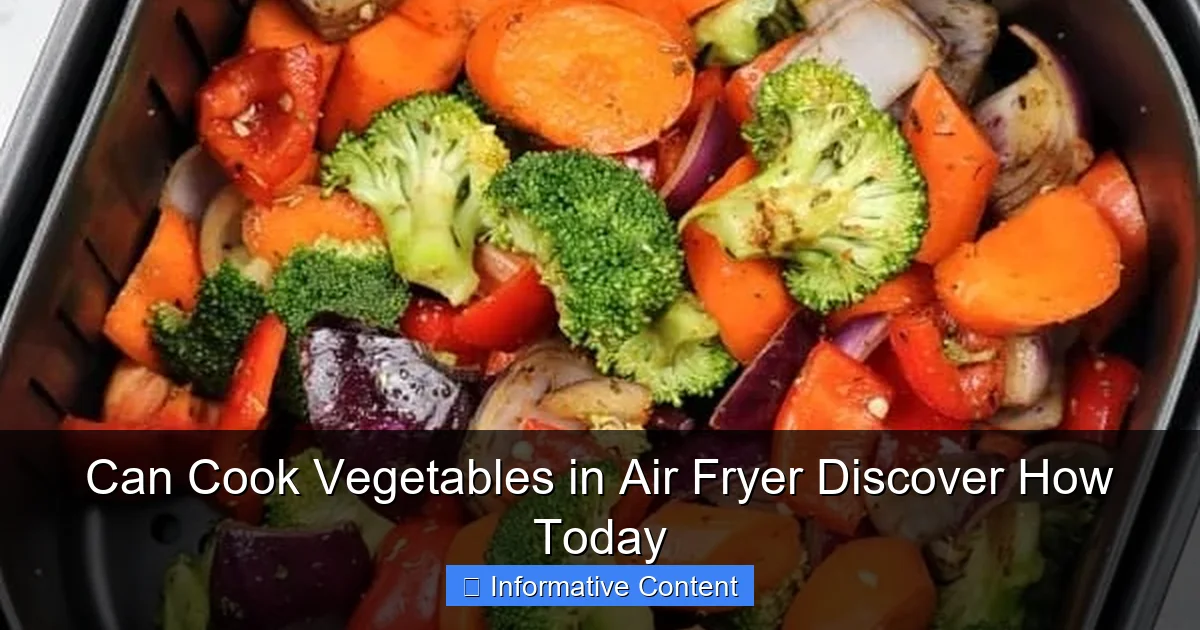
Featured image for can cook vegetables in air fryer
Image source: recipevibes.com
Yes, you can cook vegetables in an air fryer—and they come out crispy, tender, and full of flavor with minimal oil. From broccoli to sweet potatoes, air frying preserves nutrients while delivering a delicious texture that rivals roasting, all in half the time. Discover how this kitchen hero transforms fresh veggies into healthy, mouthwatering sides with ease.
Key Takeaways
- Air fryers cook vegetables quickly with minimal oil for crispy, healthy results.
- Prep matters: cut veggies evenly for consistent air frying.
- Shake the basket halfway for even browning and crispiness.
- Season after cooking to enhance flavors without excess oil.
- Use high smoke-point oils like avocado for best results.
- Clean air fryer after use to prevent residue and odors.
📑 Table of Contents
- Why Air Frying Vegetables Might Be Your New Kitchen Hack
- How the Air Fryer Works for Vegetables (And Why It’s Better Than You Think)
- Best Vegetables to Cook in an Air Fryer (And a Few to Avoid)
- Step-by-Step: How to Cook Vegetables in an Air Fryer (With Real Recipes)
- Pro Tips for Perfect Air Fryer Veggies Every Time
- Air Fryer vs. Other Cooking Methods: A Quick Comparison
- Conclusion: Yes, You Can (and Should) Cook Vegetables in an Air Fryer
Why Air Frying Vegetables Might Be Your New Kitchen Hack
Let’s be honest—cooking vegetables can feel like a chore. Whether you’re juggling a busy schedule, trying to eat healthier, or just want something that tastes actually good without a lot of effort, the air fryer might be your new best friend. I remember the first time I tried roasting broccoli in my air fryer. I was skeptical. “How different can it be from the oven?” I thought. But after just 10 minutes, I pulled out perfectly crisp, caramelized florets with a tender center. No soggy mess. No constant checking. Just delicious, restaurant-quality veggies. That’s when I realized: yes, you can cook vegetables in an air fryer, and you should probably start doing it today.
The air fryer isn’t just for crispy chicken tenders or reheating fries. It’s a game-changer for vegetables too. With rapid air circulation, it mimics the effect of deep frying—but with little to no oil. That means you get the crunch you crave without the guilt. Whether you’re a meal prepper, a parent trying to get your kids to eat more greens, or someone who just wants to eat more plant-based foods without sacrificing flavor, this method is worth exploring. And the best part? It’s fast, easy, and surprisingly versatile. Let’s dive into why and how you can start cooking vegetables in your air fryer—no culinary degree required.
How the Air Fryer Works for Vegetables (And Why It’s Better Than You Think)
The Science Behind the Crisp
At its core, an air fryer uses convection heat and rapid air circulation to cook food. A heating element warms the air, and a powerful fan pushes it around the food at high speed. This creates a “fried” texture on the outside while cooking the inside evenly. For vegetables, this means you can achieve a golden, slightly charred exterior—like what you’d get from roasting at high heat in the oven—but in less time and with less oil.
Visual guide about can cook vegetables in air fryer
Image source: buildyourbite.com
Unlike traditional ovens, which can take 10–15 minutes just to preheat, most air fryers heat up in under 5 minutes. That speed is a huge advantage when you’re short on time or cooking for one. Plus, because the cooking chamber is smaller, heat is more concentrated, which helps vegetables crisp up faster without drying out.
Oil: Less Is More (But You Still Need a Little)
Here’s a common myth: you need a ton of oil to get crispy vegetables. Not true in an air fryer. In fact, most vegetables only need 1–2 teaspoons of oil per pound to get that perfect crunch. That’s a fraction of what you’d use for sautéing or deep frying. A light mist from an oil sprayer works great, or you can toss veggies in a small amount of olive oil, avocado oil, or even sesame oil for extra flavor.
Why does a little oil go a long way? Because the hot air circulates so efficiently. The oil helps with browning (via the Maillard reaction) and prevents sticking. Without it, some vegetables (like zucchini or mushrooms) can turn rubbery or dry. But too much oil? That’s a recipe for smoke, splatter, and soggy results. So keep it light and even.
Temperature and Time: The Sweet Spot
Most vegetables cook best between 375°F and 400°F (190°C–205°C). At this range, they crisp up without burning. Leafy greens and delicate veggies (like asparagus or green beans) do well at 375°F for 8–10 minutes. Harder vegetables (like sweet potatoes, carrots, or beets) may need 12–15 minutes at 400°F. Stirring or shaking the basket halfway through ensures even cooking.
Pro tip: Don’t overcrowd the basket. Air needs to circulate freely. If your basket is packed, the veggies will steam instead of crisp. Cook in batches if needed. And remember—air fryer models vary slightly, so keep an eye on your first few attempts. You’ll quickly learn what works best for your machine.
Best Vegetables to Cook in an Air Fryer (And a Few to Avoid)
Top 10 Veggies That Shine in the Air Fryer
Not all vegetables are created equal when it comes to air frying. Some transform into crispy, flavorful delights, while others… not so much. Here are the winners:
- Broccoli: Crispy edges, tender center. Toss with garlic powder and a splash of lemon juice.
- Brussels Sprouts: Roast at 400°F for 12–15 minutes. They get nutty and slightly sweet.
- Carrots: Slice into sticks or rounds. They caramelize beautifully with a touch of honey or maple syrup.
- Sweet Potatoes: Cut into fries or cubes. They crisp on the outside, soft inside.
- Zucchini and Yellow Squash: Slice thinly or into rounds. Lightly oiled and seasoned—perfect for a low-carb side.
- Asparagus: Trim the ends. 8–10 minutes at 375°F gives you tender stalks with a slight crunch.
- Green Beans: Crisp-tender in 10 minutes. Add smoked paprika for a savory kick.
- Bell Peppers: Halve or slice. They get slightly charred and juicy—great for fajitas or salads.
- Cauliflower: Toss with turmeric, cumin, and a bit of oil for “roasted” Indian-inspired florets.
- Mushrooms: Whole or sliced. They shrink but become meaty and flavorful.
Veggies That Need a Little Extra Help (Or Should Be Avoided)
Some vegetables don’t play well with the air fryer’s high heat and rapid airflow. Here’s what to watch out for:
- Leafy Greens (Spinach, Kale, Chard): They wilt too fast and can burn. Better for steaming or sautéing. If you must air fry, use a mesh basket or parchment liner and cook at 325°F for 2–3 minutes—just to crisp kale chips.
- Eggplant: Can turn mushy if overcooked. Slice thin, salt to draw out moisture, then air fry at 375°F for 8–10 minutes.
- Corn on the Cob: Whole ears take too long and don’t crisp evenly. Cut into 2-inch rounds or remove kernels first.
- Very Wet Vegetables (Cucumbers, Tomatoes): High water content means they’ll steam, not crisp. Better for raw dishes or roasting in the oven.
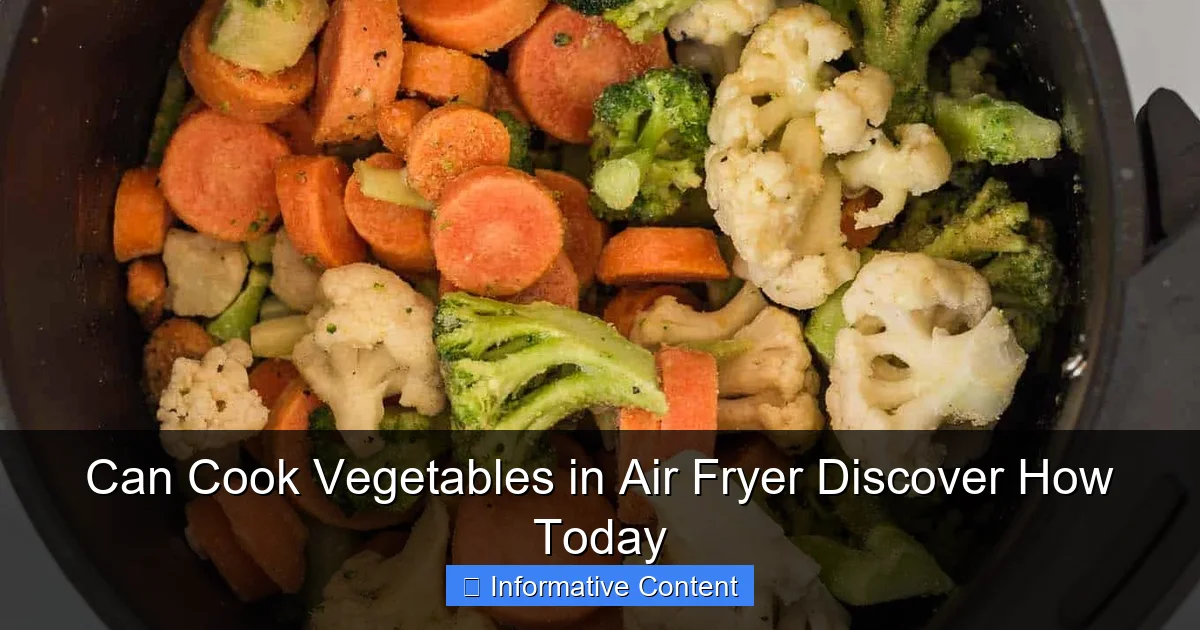
One veggie surprise? Frozen vegetables actually work great in the air fryer! No need to thaw. Just increase cooking time by 2–3 minutes. Frozen broccoli, green beans, and mixed veggies come out surprisingly crisp—perfect for quick weeknight sides.
Step-by-Step: How to Cook Vegetables in an Air Fryer (With Real Recipes)
Basic Method: The 3-Step Framework
No matter the vegetable, follow this simple process:
- Prep: Wash, dry, and cut veggies into even sizes (so they cook at the same rate). Pat dry with a paper towel to remove excess moisture.
- Season: Toss with 1–2 tsp oil, salt, and any seasonings (garlic, herbs, spices). Use a bowl or bag to coat evenly.
- Cook: Preheat air fryer (optional but recommended). Add veggies in a single layer. Cook at 375°F–400°F, shaking halfway. Check for doneness at the lower end of the time range.
Recipe 1: Crispy Air Fryer Brussels Sprouts
Ingredients:
- 1 lb Brussels sprouts, trimmed and halved
- 1 tbsp olive oil
- ½ tsp garlic powder
- ½ tsp smoked paprika
- Salt and pepper to taste
- Optional: Balsamic glaze for drizzling
Instructions:
- Toss sprouts with oil and seasonings.
- Preheat air fryer to 400°F for 3 minutes.
- Add sprouts in a single layer (cook in batches if needed).
- Cook for 12–15 minutes, shaking halfway. They’re done when edges are golden and crispy.
- Drizzle with balsamic glaze and serve warm.
Note: For extra crunch, add a sprinkle of grated Parmesan during the last 2 minutes.
Recipe 2: Sweet Potato Fries (No Soggy Bottoms!)
Ingredients:
- 2 medium sweet potatoes, cut into ½-inch fries
- 1 tbsp avocado oil
- ½ tsp salt
- ½ tsp chili powder
- ¼ tsp black pepper
Instructions:
- Soak fries in cold water for 15 minutes to remove starch (helps prevent sogginess).
- Drain and pat very dry.
- Toss with oil and seasonings.
- Preheat air fryer to 400°F.
- Cook in a single layer for 12–15 minutes, flipping halfway. They should be golden and tender inside.
Pro tip: Don’t skip the soak and dry step—this is the secret to crispy fries!
Pro Tips for Perfect Air Fryer Veggies Every Time
Prevent Sticking and Burning
Nothing’s worse than veggies glued to the basket. Here’s how to avoid it:
- Use a light oil coating—too much oil can cause smoke, too little causes sticking.
- Line the basket with parchment paper (with holes for airflow) or use a reusable silicone liner.
- Don’t skip the shake! Stirring or shaking halfway ensures even browning.
- For sticky veggies (like sweet potatoes), lightly spray the basket with oil before adding food.
Flavor Hacks: Beyond Salt and Pepper
Want to take your veggies from “meh” to “wow”? Try these:
- Citrus zest: A little lemon or orange zest brightens up roasted carrots or broccoli.
- Umami boosters: Soy sauce, tamari, or nutritional yeast add depth to mushrooms or cauliflower.
- Spice blends: Taco seasoning, curry powder, or za’atar work great on mixed veggies.
- Fresh herbs: Add chopped parsley, cilantro, or basil after cooking.
- Cheese: Sprinkle grated Parmesan, feta, or goat cheese at the end.
Meal Prep and Leftovers
Air fryer veggies reheat amazingly well—just 3–5 minutes at 375°F brings back the crisp. Store leftovers in an airtight container in the fridge for up to 4 days. For meal prep:
- Pre-cut veggies and store in containers (don’t season until cooking).
- Batch-cook on Sundays and reheat during the week.
- Use leftovers in grain bowls, omelets, or salads.
Air Fryer vs. Other Cooking Methods: A Quick Comparison
Time, Texture, and Health
Let’s compare how air frying stacks up against other common veggie-cooking methods:
| Method | Avg. Time | Texture | Oil Used | Health Impact |
|---|---|---|---|---|
| Air Fryer | 8–15 min | Crispy exterior, tender inside | 1–2 tsp | Low fat, retains nutrients |
| Oven Roasting | 20–35 min (plus preheat) | Evenly roasted, less crisp | 1–3 tbsp | Good, but longer cook time may reduce some nutrients |
| Sautéing | 10–15 min | Soft, slightly browned | 1–2 tbsp | Quick, but higher oil use |
| Steaming | 5–10 min | Tender, moist | None | Best nutrient retention, but no crisp |
| Microwaving | 3–5 min | Soft, sometimes rubbery | None | Fast, but texture suffers |
As you can see, the air fryer wins on speed and texture, with far less oil than sautéing or roasting. It’s not the healthiest (steaming takes that crown), but it’s a great balance of taste, convenience, and nutrition.
When to Choose Another Method
The air fryer isn’t perfect for everything. Use other methods when:
- You’re cooking large batches—the oven has more space.
- You want very tender, soft veggies (like in soups)—steaming or boiling is better.
- You’re making stir-fries—a wok or skillet gives better control.
Conclusion: Yes, You Can (and Should) Cook Vegetables in an Air Fryer
So, can you cook vegetables in an air fryer? Absolutely. And once you try it, you might wonder how you ever lived without it. The speed, the crispiness, the minimal cleanup—it’s a win-win for busy cooks, health-conscious eaters, and flavor lovers alike.
From crispy Brussels sprouts to golden sweet potato fries, the air fryer transforms humble vegetables into something special. It’s not magic, but it feels like it. And the best part? It makes eating your veggies actually enjoyable. No more soggy, steamed broccoli. No more bland, boiled carrots. Just vibrant, flavorful, perfectly cooked vegetables—every time.
Start simple. Pick one vegetable you love (or one you’re trying to love). Toss it with a little oil and your favorite seasonings. Pop it in the air fryer. Shake it halfway. And in 10 minutes, you’ll have a side dish that might just steal the show. Whether you’re feeding a family, meal prepping, or just want a quick snack, the air fryer is your ally in the kitchen. So go ahead—discover how easy, tasty, and satisfying cooking vegetables in an air fryer can be. Your taste buds (and your schedule) will thank you.
Frequently Asked Questions
Can I cook vegetables in an air fryer?
Yes, you can cook vegetables in an air fryer! It’s a quick and healthy way to achieve crispy, flavorful results with minimal oil. Just toss them in a light coating of oil and seasonings, then air fry until tender-crisp.
What are the best vegetables to cook in an air fryer?
Most vegetables work well, including broccoli, Brussels sprouts, carrots, zucchini, and bell peppers. Dense veggies like potatoes and sweet potatoes may need longer cook times, while softer ones like asparagus cook faster.
How do I prepare vegetables for air frying?
Cut vegetables into even-sized pieces to ensure uniform cooking, then lightly coat them with oil, salt, and your favorite seasonings. For best results, avoid overcrowding the air fryer basket to allow proper airflow.
Do I need to preheat the air fryer for vegetables?
Preheating your air fryer for 3-5 minutes helps achieve consistent results, especially for crispier textures. While not always required, it’s recommended for recipes where timing is critical, like roasted veggies or air fryer sweet potatoes.
How long does it take to cook vegetables in an air fryer?
Cooking times vary by vegetable type and size, but most take 8-15 minutes at 375°F-400°F (190°C-200°C). Shake the basket halfway through for even browning, and check for tenderness with a fork.
Can I cook frozen vegetables in an air fryer?
Absolutely! Air frying frozen vegetables is a convenient way to skip thawing—just increase cook time by 2-5 minutes. They’ll come out crispy and delicious without turning mushy, making it a great option for quick meals.