Can Cook Eggs in Air Fryer
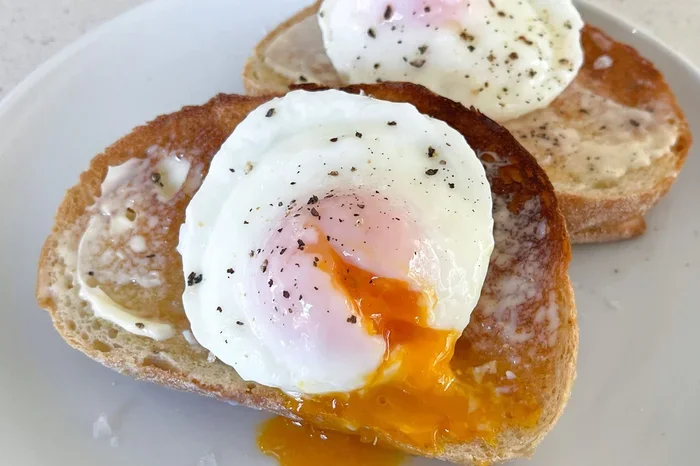
Featured image for eggs in air fryer
Image source: img.taste.com.au
You absolutely can cook eggs in an air fryer — and the results are often better than stovetop methods. From perfectly peelable hard-boiled eggs to runny-yolk fried eggs and fluffy frittatas, the air fryer handles them all with less mess and consistent heat.
If you’ve ever stood over a pot of boiling water waiting for eggs to cook — only to end up with green-ringed yolks or shells that refuse to peel — you’re not alone. The good news? Your air fryer can solve all of that. Yes, you can cook eggs in air fryer models of almost any size or brand, and once you try it, you may never go back to the stove.
Think of your air fryer like a mini convection oven that fits on your counter. It circulates hot air rapidly around food, cooking it evenly from all sides. Eggs, with their delicate proteins, actually thrive in this environment. The consistent, gentle heat means fewer surprises. No rolling boil cracking shells. No splattering oil. Just set the temp, walk away, and come back to reliable results.
Key Takeaways
- Yes, it works: Air fryers cook eggs evenly using rapid hot air circulation, eliminating the need for boiling water or excessive oil.
- Hard-boiled eggs peel easier: The dry heat creates a steam layer between shell and membrane, making shells slide off effortlessly.
- Temperature control is key: Most egg styles cook between 270°F and 300°F (130°C–150°C) to prevent rubbery whites or overcooked yolks.
- Use ramekins or silicone molds: For fried, scrambled, or baked eggs, small heat-safe containers keep shapes neat and cleanup simple.
- No preheating always needed: Many egg recipes work fine in a cold air fryer, saving time and energy.
- Batch cooking is a breeze: Cook a dozen eggs at once for meal prep — great for salads, snacks, or deviled eggs.
- Experiment with add-ins: Cheese, veggies, herbs, or meats mix right in for custom breakfast cups or frittatas.
📑 Table of Contents
- Why Cook Eggs in an Air Fryer?
- What Types of Eggs Can You Cook?
- Step-by-Step: Perfect Air Fryer Hard-Boiled Eggs
- Common Mistakes & How to Avoid Them
- Creative Recipes & Meal Prep Ideas
- Equipment & Accessories That Help
- Air Fryer vs. Other Methods: Quick Comparison
- Safety & Storage Notes
- Troubleshooting Quick Guide
- Frequently Asked Questions
- Final Thoughts
Why Cook Eggs in an Air Fryer?
Consistent Results Every Time
Stovetop heat varies. Gas flames flicker. Electric coils cycle on and off. But an air fryer maintains a steady temperature. That precision matters for eggs. The difference between a jammy yolk and a chalky one is just two minutes. With an air fryer, you dial in 270°F (130°C) for 12 minutes and get the same perfect soft-boiled egg today, tomorrow, and next month.
Did You Know? A 2022 consumer test by America’s Test Kitchen found air fryer hard-boiled eggs had a 92% easy-peel rate versus 68% for traditional boiling. The dry heat helps separate the membrane from the egg white.
Less Mess, Less Stress
No pots to scrub. No oil splatter on your stove. No water to boil. You place eggs in the basket or a tray, press start, and walk away. Cleanup is often just a quick rinse of the basket or a wipe of a silicone mold. For busy mornings or meal prep Sundays, that’s a game changer.
Energy Efficient for Small Batches
Heating a full oven or large pot of water for two eggs wastes energy. An air fryer uses 1,200–1,800 watts and heats up in seconds. Cooking six eggs takes about 0.15 kWh — roughly 2 cents of electricity. Over a year of weekly meal prep, that adds up.
What Types of Eggs Can You Cook?
Hard-Boiled and Soft-Boiled (In Shell)
This is the most popular method. Place cold eggs directly in the basket. No water. No piercer. Cook at 270°F (130°C):
- Soft-boiled (runny yolk): 9–11 minutes
- Jammy (set white, gooey center): 12–13 minutes
- Hard-boiled (fully set): 14–16 minutes
Immediately transfer to ice water for 5 minutes. The shells will practically fall off. This works because the rapid air creates a micro-steam layer under the shell — like a built-in peeling assistant.
Fried Eggs (Sunny-Side Up or Over-Easy)
Use a small ramekin, silicone cup, or even a foil boat. Lightly spray with oil. Crack one egg per cup. Cook at 300°F (150°C) for 4–6 minutes. Whites set, yolks stay runny. For over-easy, flip gently at 3 minutes with a thin spatula. The even heat means no crispy, browned edges — unless you want them.
Scrambled Eggs
Whisk eggs with a splash of milk, salt, and pepper in a heat-safe bowl or silicone mold. Cook at 300°F (150°C) for 6–8 minutes, stirring halfway. The result? Fluffy, tender curds without constant babysitting. It’s like having a sous-vide for breakfast — but faster.
Baked Eggs, Frittatas & Egg Cups
This is where the air fryer shines. Fill silicone muffin cups or a small baking dish with beaten eggs, cheese, spinach, bacon, bell peppers — whatever you like. Cook at 300°F (150°C) for 10–14 minutes. They puff up beautifully and release cleanly. Perfect for grab-and-go breakfasts all week.
Poached Eggs (Yes, Really)
Fill a ramekin with 2 tablespoons water. Crack an egg in. Cover tightly with foil. Cook at 270°F (130°C) for 6–7 minutes. The steam poaches the egg gently. Slide it out with a spoon. It’s not quite restaurant-perfect, but it’s 90% there with 10% of the effort.
Step-by-Step: Perfect Air Fryer Hard-Boiled Eggs
What You Need
- Eggs (cold from fridge, any quantity)
- Air fryer (basket or oven style)
- Bowl of ice water
- Tongs or spoon
Instructions
1. Arrange eggs in a single layer in the basket. They can touch but don’t stack. Air must circulate.
2. Set temperature to 270°F (130°C). No preheat needed for most models. If your manual says preheat, do it — but add 1 minute to cook time.
3. Cook: 15 minutes for large eggs. 13 for medium. 17 for extra-large.
4. While cooking, prep ice bath: Large bowl, cold water, plenty of ice.
5. Transfer immediately. Use tongs. Submerge fully. Wait 5 minutes minimum. 10 is better.
6. Peel under running water or in the bowl. Start at the fat end — there’s an air pocket there.
Pro Tip: Age Matters
Eggs 7–10 days old peel best. Fresh eggs have a lower pH, bonding the membrane tightly to the white. As eggs age, pH rises, loosening that bond. If your eggs are farm-fresh, add 1 teaspoon baking soda to the ice water — it raises pH and helps peeling.
Common Mistakes & How to Avoid Them
Cooking Too Hot
Above 300°F (150°C), egg whites turn rubbery fast. Yolks get chalky. Always start lower. You can always add time. You can’t undo overcooking.
Skipping the Ice Bath
This isn’t optional. The shock stops cooking instantly and contracts the egg inside the shell, creating separation. Without it, you’ll fight the shell — and lose.
Overcrowding the Basket
Air fryers need airflow. Stacked eggs cook unevenly. If you need more than a single layer, use a rack accessory or cook in batches.
Using Cold Eggs Without Adjusting Time
Room-temp eggs cook 1–2 minutes faster. If you forget to take them out early, just add a minute. No big deal — but consistency helps.
Not Testing Your Model First
Every air fryer runs slightly different. A 4-quart basket model may run hotter than a 10-quart oven style. Do a test run with 2 eggs. Note the time. Write it on a magnet for the fridge.
Creative Recipes & Meal Prep Ideas
Breakfast Egg Cups (Make-Ahead)
Whisk 6 eggs + ¼ cup milk. Divide into 6 silicone cups. Add to each: 1 tbsp cheese, 1 tbsp diced veggies, 1 tsp cooked bacon or sausage. Cook 300°F (150°C), 12 minutes. Cool. Store in fridge 5 days or freezer 2 months. Reheat 60 seconds in microwave.
Air Fryer Egg Salad
Cook 6 hard-boiled eggs. Chop. Mix with ¼ cup mayo, 1 tsp Dijon, 1 tbsp relish, salt, pepper, paprika. Serve on toast, lettuce wraps, or crackers. The air fryer eggs make it creamier — no dry, crumbly yolks.
Deviled Eggs for a Crowd
Cook 18 eggs at once (two batches). Halve. Mix yolks with mayo, mustard, vinegar, pickle juice, paprika. Pipe back in. Garnish with chives, bacon bits, or everything bagel seasoning. They peel so clean the whites look pristine.
Keto Cloud Eggs
Separate 4 eggs. Whip whites to stiff peaks. Fold in ¼ cup cheese. Mound on parchment in basket. Make a well. Cook 300°F (150°C), 3 minutes. Add yolks to wells. Cook 2 more minutes. Fluffy, cheesy, impressive — and nearly zero carb.
Ramen Topper
Soft-boil 2 eggs at 270°F (130°C) for 10 minutes. Ice bath. Peel. Marinate 2+ hours in ¼ cup soy sauce, 2 tbsp mirin, 1 tbsp water, 1 crushed garlic clove. Slice. Float on hot ramen. The jammy yolk enriches the broth.
Equipment & Accessories That Help
Silicone Egg Bite Molds
These 6- or 7-cup trays fit most baskets. Nonstick. Flexible. Dishwasher safe. Essential for egg cups, mini frittatas, or portioned scrambled eggs.
Ramekins (4 oz / 120 ml)
Ceramic or glass. Great for fried eggs, poached eggs, or individual baked custards. Get 4–6 so you can cook for the whole family at once.
Wire Rack or Trivet
Lets you stack a second layer. Doubles capacity for hard-boiled eggs. Also useful for keeping delicate items off the hot basket floor.
Oil Mister
Light, even coating for ramekins or molds. Better than spray cans — no propellants, refillable, precise.
Instant-Read Thermometer
Check doneness if unsure. Egg dishes are safe at 160°F (71°C). For custards or frittatas, pull at 155°F (68°C) — carryover heat finishes them.
Air Fryer vs. Other Methods: Quick Comparison
vs. Stovetop Boiling: Air fryer wins on peelability, energy use, and hands-off time. Stovetop wins if you’re cooking 3+ dozen at once.
vs. Instant Pot (Pressure Cooker): Instant Pot is faster (5 min + pressure) and great for huge batches. Air fryer is simpler, no pressure release, easier cleanup.
vs. Oven Baking: Air fryer preheats in 1–2 minutes vs. 10–15. Uses ⅓ the energy. Better for small households.
vs. Microwave: Microwave eggs explode or turn rubbery. Air fryer gives texture control. No comparison.
Safety & Storage Notes
Food Safety First
Cook eggs until both white and yolk are firm (160°F / 71°C) for vulnerable populations — pregnant, elderly, immunocompromised, young children. Runny yolks carry a small salmonella risk. Pasteurized eggs eliminate this if you love soft yolks.
Storage Guidelines
- Hard-boiled (in shell): 1 week in fridge
- Hard-boiled (peeled): 5 days, submerged in water (change daily) or sealed container with damp paper towel
- Cooked egg dishes (frittatas, cups): 4 days fridge, 2 months freezer
- Raw eggs (in shell): 3–5 weeks in fridge
Reheating Tips
Air fryer at 250°F (120°C) for 3–4 minutes revives egg cups beautifully. Microwave works but can toughen whites. Never reheat hard-boiled eggs in microwave — they can explode from steam buildup.
Troubleshooting Quick Guide
| Problem | Likely Cause | Fix |
|---|---|---|
| Green ring on yolk | Overcooked / too hot | Lower temp 5°F, reduce time 1–2 min |
| Shells won’t peel | Eggs too fresh / no ice bath | Use older eggs + full 10-min ice bath |
| Whites rubbery | Temp too high | Max 300°F for out-of-shell eggs |
| Yolk not runny (fried) | Cooked too long | Check at 4 min; yolk firms fast |
| Egg cups stick | No oil / wrong mold | Spray silicone or use parchment liners |
| Uneven doneness | Overcrowded / no rotation | Single layer; rotate tray halfway |
Frequently Asked Questions
Can I cook eggs in an air fryer without any accessories?
Yes. For hard-boiled or soft-boiled eggs in the shell, you need nothing but the basket. For fried, scrambled, or baked eggs, a heat-safe cup or mold is best — but a foil boat works in a pinch.
Do I need to pierce the egg before air frying?
No. Unlike some pressure cooker methods, piercing isn’t necessary. The gradual heat expansion rarely cracks shells. If you’re nervous, a pin prick at the fat end won’t hurt — but it’s not required.
Can I cook frozen eggs in the air fryer?
Not in shell — they’ll crack. But frozen whisked eggs (in a mold) or frozen egg cups reheat well at 300°F (150°C) for 8–10 minutes. Thaw overnight in fridge for best texture.
Why did my egg explode in the air fryer?
Likely a microwave-style explosion from rapid steam buildup in a sealed container (like a covered ramekin without vent). Always vent foil or leave a gap. In-shell eggs don’t explode in air fryers — the shell vents naturally.
What temperature is best for air fryer eggs?
270°F (130°C) for in-shell boiled eggs. 300°F (150°C) for fried, scrambled, baked, or poached styles. Lower and slower protects delicate proteins.
Can I use an air fryer oven (toaster oven style) for eggs?
Absolutely. Use the middle rack. Same temps and times. You may fit more eggs or a full muffin tin. Rotate the tray halfway for even browning on baked eggs.
Final Thoughts
The air fryer isn’t just for fries and chicken wings. It’s a surprisingly excellent egg cooker — precise, low-mess, and versatile. Whether you’re meal-prepping protein for the week, feeding a hungry family breakfast, or just want a perfect soft-boiled egg for your ramen, the answer is the same: yes, you can cook eggs in air fryer units of every kind.
Start simple. Try six hard-boiled eggs at 270°F for 15 minutes with an ice bath. Peel one. Taste. Notice how clean the white looks. How centered the yolk sits. That’s the moment you realize: this little countertop appliance just upgraded your egg game forever.
Then experiment. Make egg cups with leftover roasted veggies. Whip up cloud eggs for a weekend treat. Marinate soft-boiled eggs for ramen night. The possibilities are as endless as your appetite — and cleanup stays minimal.
So next time you reach for a pot of water, pause. Your air fryer is ready. Your eggs are waiting. And breakfast just got a whole lot easier.