
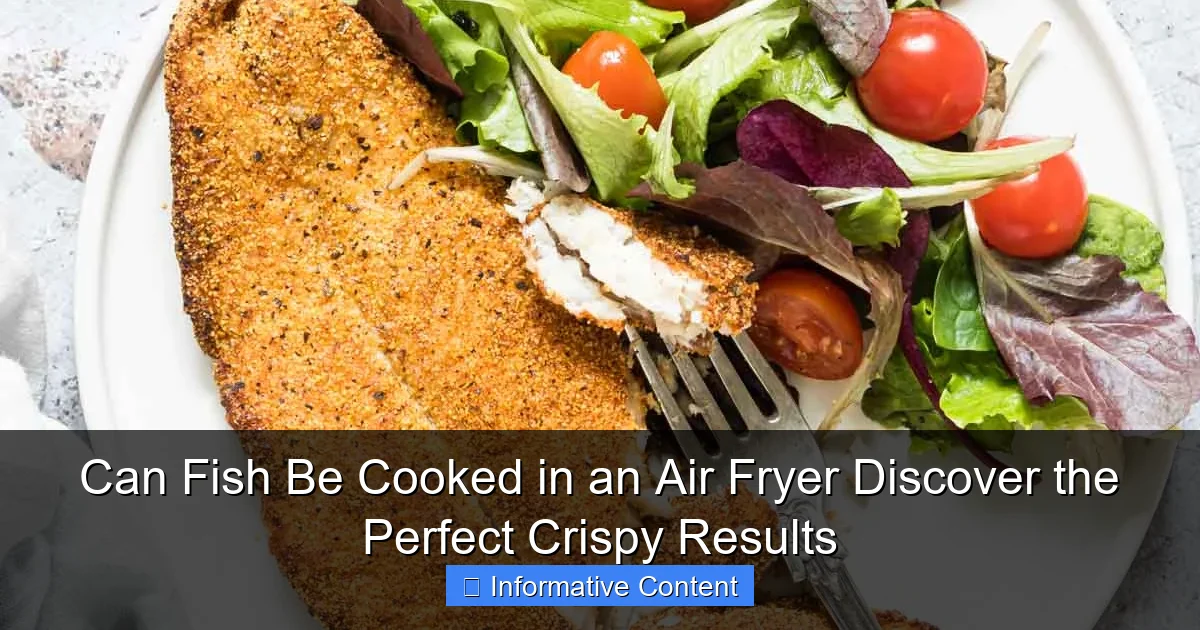
Featured image for can fish be cooked in an air fryer
Image source: recipesfromapantry.com
Yes, fish can be perfectly cooked in an air fryer, delivering crispy, golden results with minimal oil—ideal for healthy, flavorful meals in under 15 minutes. Whether you’re using fillets, battered fish, or salmon, the air fryer’s rapid circulation ensures even cooking and a satisfying crunch every time.
Key Takeaways
- Yes, fish cooks perfectly in an air fryer with crispy results.
- Preheat the air fryer for even cooking and better texture.
- Lightly oil the basket to prevent sticking and enhance crispiness.
- Use minimal seasoning to avoid overpowering delicate fish flavors.
- Cook in batches to maintain airflow and ensure even browning.
- Check internal temperature for doneness—145°F is ideal for flakiness.
📑 Table of Contents
- The Air Fryer Revolution: Is Fish on the Menu?
- How the Air Fryer Works for Fish: The Science Behind the Crisp
- Best Types of Fish for Air Frying: From Mild to Wild
- Step-by-Step: How to Cook Fish in an Air Fryer Perfectly
- Seasoning, Sauces, and Flavor Hacks
- Common Mistakes and How to Fix Them
- Air Fryer Fish Cooking Times & Temperatures: A Quick Reference Table
- Final Thoughts: Why the Air Fryer Is a Fish Lover’s Best Friend
The Air Fryer Revolution: Is Fish on the Menu?
If you’ve ever stood in your kitchen, staring at a frozen fillet of salmon or a pack of cod, wondering if your air fryer could handle the task, you’re not alone. I’ve been there too—craving that golden, crispy crust without the guilt of deep frying. The air fryer, that sleek little countertop wonder, has promised everything from perfectly roasted veggies to crunchy chicken wings. But can it really do justice to something as delicate as fish? The short answer? Absolutely. But like most things in life, it’s not quite that simple.
Fish is a finicky protein. Too hot, and it turns dry and rubbery. Too little heat, and it’s undercooked and flaky (in the wrong way). The air fryer, with its rapid hot air circulation, seems like a natural fit—but there’s a sweet spot in terms of temperature, timing, and technique. Whether you’re a busy parent, a health-conscious eater, or just someone who hates scrubbing greasy pans, the air fryer might just be your new best friend for cooking fish. In this post, we’ll explore how to get it right, what types of fish work best, and why you might never reach for a frying pan again.
How the Air Fryer Works for Fish: The Science Behind the Crisp
Why Air Frying Is Different from Baking or Frying
Let’s start with the basics. An air fryer doesn’t actually “fry” anything. Instead, it uses a powerful heating element and a high-speed fan to circulate hot air around the food. This creates a convection effect that crisps the exterior while cooking the inside evenly. Think of it as a mini convection oven with a turbocharger.
When it comes to fish, this method is a game-changer. Traditional frying drenches the fish in oil, which can lead to greasy, soggy results if not done perfectly. Baking, on the other hand, often lacks that satisfying crunch. The air fryer strikes a balance: it gives you a golden, crisp exterior with a moist, flaky interior—all with little to no oil.
The Role of Moisture and Surface Area
Fish is mostly water. When heated, that water turns to steam, which can make the surface soggy if not managed. The air fryer’s rapid air circulation helps evaporate surface moisture quickly, allowing the outer layer to crisp up. This is why pre-drying your fish (more on that later) is so crucial.
Another key factor is surface area. The air fryer basket is designed to allow air to flow around each piece of food. If you overcrowd the basket, steam builds up, and you lose that crispiness. I learned this the hard way when I tried to cook six salmon fillets at once—ended up with steamed, rubbery fish that my kids politely (but firmly) declined.
Pro tip: Always leave a little space between fillets. Think of it like social distancing for fish—everyone needs room to breathe.
Oil: How Much Is Too Much?
You don’t need much oil to get great results. A light spray or a brush with 1/2 to 1 teaspoon of oil (olive, avocado, or even cooking spray) is usually enough. This helps the coating adhere and promotes browning. But don’t go overboard—too much oil can drip into the bottom of the basket and cause smoking.
I’ve found that a light coating of oil + a dusting of panko or breadcrumbs gives me the crispiest results, especially with white fish like tilapia or cod. For oily fish like salmon, you can often skip the oil entirely—its natural fats do the work.
Best Types of Fish for Air Frying: From Mild to Wild
White Fish: The Crisp Masters
White fish like cod, haddock, tilapia, and halibut are ideal for air frying. They have a mild flavor and a firm texture that holds up well under high heat. These fish are also great for breading or coating, which gives you that classic “fish and chips” crunch without the deep fryer.
Example: I love making air-fried fish tacos with breaded cod. A light coating of panko, a quick spray of oil, and 12 minutes at 400°F (200°C) gives me perfectly crispy strips that stay juicy inside. Serve with lime crema and shredded cabbage—it’s a hit every time.
Oily Fish: Salmon, Mackerel, and More
Oily fish like salmon, trout, and mackerel are naturally rich in fats, which means they don’t need much help from added oil. They’re also more forgiving if you slightly overcook them (though we’ll talk about how to avoid that).
Salmon is a personal favorite. I usually season it with salt, pepper, lemon zest, and a touch of smoked paprika, then pop it in the air fryer for 8–10 minutes at 375°F (190°C). The skin crisps beautifully, and the flesh stays buttery soft. Bonus: no fishy smell in the kitchen.
One thing to note: mackerel has a stronger flavor and can dry out if overcooked. I recommend marinating it in lemon juice and herbs for 15–20 minutes before air frying to keep it moist.
Shellfish: Shrimp and Scallops (Yes, Really!)
Yes, you can cook shrimp and scallops in the air fryer! They cook quickly and develop a nice sear. For shrimp, I use raw, peeled tails (with or without tails on) and season with garlic powder, chili flakes, and a squeeze of lemon. 4–5 minutes at 400°F (200°C), and they’re done.
Scallops are a bit more delicate. I pat them dry, season lightly, and cook them for 5–6 minutes. The key is to not move them around—let them sear in place. You’ll get a golden crust without overcooking the center.
Fish Sticks and Breaded Fillets: A Kid-Friendly Win
If you’ve got picky eaters, air-fried fish sticks are a revelation. No more soggy, greasy freezer aisle disappointments. Just place them in a single layer, spray lightly with oil, and cook at 400°F (200°C) for 8–10 minutes, flipping halfway. They come out crispy on the outside, tender on the inside, and ready in under 15 minutes.
What to Avoid: Delicate or Watery Fish
Not all fish are air fryer-friendly. Flounder, sole, and other very delicate, thin fillets can overcook in minutes. They’re better suited for pan-searing or poaching. Also, avoid fish with high water content (like some types of catfish) unless you pre-pat them very dry—otherwise, they’ll steam instead of crisp.
Step-by-Step: How to Cook Fish in an Air Fryer Perfectly
Step 1: Prep Your Fish (The Most Important Step)
Start by patting your fish dry with paper towels. Seriously, do this twice. Moisture is the enemy of crispiness. If you’re using frozen fish, thaw it in the fridge overnight or use the defrost setting on your microwave. Never cook fish straight from frozen unless the package says it’s safe to do so.
For breaded fish, set up a dredging station: flour, egg wash, and your coating (panko, breadcrumbs, crushed cornflakes, etc.). Dip each fillet, let excess drip off, then place in the basket.
Step 2: Preheat (Yes, Really)
Preheat your air fryer for 3–5 minutes at the cooking temperature. This ensures consistent results. I used to skip this step, and my fish would come out unevenly cooked. Now I preheat religiously.
Step 3: Arrange and Oil
Place fish in a single layer—no overlapping. Leave at least 1/2 inch between pieces. Lightly spray or brush with oil. For breaded fish, spray the top and sides to help the coating crisp.
Pro tip: If you’re cooking multiple batches, keep the cooked fish warm in a low oven (200°F) while the next batch cooks.
Step 4: Cook and Flip (Sometimes)
Most fish needs to be flipped halfway through. This ensures even browning. Use tongs or a spatula—don’t stab the fish with a fork, or you’ll lose juices.
Here’s a general guide for timing (at 400°F / 200°C):
- Tilapia, cod, haddock (1-inch thick): 10–12 minutes
- Salmon (1-inch thick): 8–10 minutes
- Shrimp (large): 4–5 minutes
- Scallops (medium): 5–6 minutes
- Fish sticks (frozen): 8–10 minutes
Always check for doneness. Fish should flake easily with a fork and reach an internal temperature of 145°F (63°C).
Step 5: Rest and Serve
Let fish rest for 1–2 minutes after cooking. This lets the juices redistribute. Serve immediately for the crispiest texture.
Seasoning, Sauces, and Flavor Hacks
Simple Seasonings That Shine
You don’t need a fancy marinade to make delicious air-fried fish. A few well-chosen seasonings can elevate the flavor:
- Lemon pepper + garlic powder: Classic, bright, and fresh.
- Smoked paprika + onion powder: Adds depth and a hint of smokiness.
- Everything bagel seasoning: Great on salmon or cod—adds crunch and flavor.
- Cajun blend: Perfect for shrimp or tilapia—spicy and bold.
I keep a small jar of my favorite seasoning mix (equal parts salt, pepper, garlic powder, and smoked paprika) on hand for quick prep.
Marinades and Glazes (Without the Sogginess)
Marinating fish before air frying can add flavor, but you have to be careful—too much moisture can ruin the crisp. I recommend marinating for 15–30 minutes, then patting dry thoroughly before cooking.
For glazes, apply them in the last 2–3 minutes of cooking. This prevents burning. Honey-mustard, teriyaki, or a simple soy-ginger glaze work beautifully. I once made honey-glazed salmon and my husband said it was “the best fish I’ve ever had”—high praise from a man who usually prefers steak.
Crunchy Coatings Beyond Breadcrumbs
If you want extra crunch, try these alternatives:
- Panko breadcrumbs: Lighter and crispier than regular breadcrumbs.
- Crushed cornflakes or potato chips: Adds a fun, unexpected texture.
- Almond flour or crushed nuts: Great for a low-carb option.
- Tempura batter (lightly): Spray with oil after coating for a golden crust.
One of my favorite tricks: mix panko with grated Parmesan and herbs. It adds a savory, umami punch that’s irresistible.
Common Mistakes and How to Fix Them
Mistake 1: Overcrowding the Basket
This is the #1 reason air-fried fish fails. When you pile too many pieces in, steam builds up, and the fish steams instead of crisping. Solution? Cook in batches. It takes a little longer, but the results are worth it.
Mistake 2: Skipping the Dry Step
Wet fish = soggy fish. Always pat dry. If you’re using marinated fish, dry it twice. I keep a stack of paper towels by the air fryer just for this.
Mistake 3: Overcooking
Fish cooks fast. Set a timer and check early. If it flakes easily with a fork, it’s done. I once left salmon in for 12 minutes instead of 10—ended up with a dry, chalky texture. Lesson learned.
Mistake 4: Not Preheating
As mentioned earlier, preheating ensures even cooking. Cold air fryers take longer to reach temperature, leading to inconsistent results.
Mistake 5: Using Too Much Oil
A little oil goes a long way. Too much can cause smoking and a greasy taste. Stick to a light spray or brush.
Bonus: Cleaning the Air Fryer After Fish
Fish can leave behind a lingering smell. To clean:
- Wash the basket and tray with warm, soapy water.
- For stubborn odors, soak in a mix of water and vinegar (1:1) for 30 minutes.
- Run a cycle with a slice of lemon or vinegar to deodorize.
Air Fryer Fish Cooking Times & Temperatures: A Quick Reference Table
| Fish Type | Thickness | Temperature | Cook Time | Notes |
|---|---|---|---|---|
| Tilapia, Cod, Haddock | 1 inch | 400°F (200°C) | 10–12 min | Flip halfway |
| Salmon | 1 inch | 375°F (190°C) | 8–10 min | Skin-side down first |
| Shrimp (large) | Whole | 400°F (200°C) | 4–5 min | No flip needed |
| Scallops (medium) | 1 inch | 400°F (200°C) | 5–6 min | Do not move during cook |
| Fish Sticks (frozen) | Pre-formed | 400°F (200°C) | 8–10 min | Spray with oil |
| Mackerel | 1 inch | 375°F (190°C) | 9–11 min | Marinate first |
Final Thoughts: Why the Air Fryer Is a Fish Lover’s Best Friend
So, can fish be cooked in an air fryer? Without a doubt. Not only can it, but it often does it better than traditional methods. The air fryer gives you the crisp, golden exterior you crave without the grease, mess, or lingering smell of frying. It’s faster, healthier, and easier to clean—three things we can all get behind.
But like any cooking method, success comes down to understanding your tool and your ingredients. Preheat, dry, don’t overcrowd, and keep an eye on the clock. Once you nail the basics, the possibilities are endless: crispy fish tacos, garlic butter shrimp, honey-glazed salmon, or even a quick weeknight cod dinner with a side of roasted veggies—all from the same little machine.
And the best part? You don’t have to be a gourmet chef to make it work. I’m just a regular person who loves good food and hates scrubbing pans. If I can do it, so can you. So go ahead—grab that fillet, fire up your air fryer, and discover the perfect crispy results you’ve been missing.
Your taste buds (and your kitchen) will thank you.
Frequently Asked Questions
Can fish be cooked in an air fryer without it becoming dry?
Yes, fish can be perfectly cooked in an air fryer without drying out. The key is to avoid overcooking—use a 3-5 minute timer for fillets and brush with oil or butter for moisture.
What types of fish work best in an air fryer?
Firm, fatty fish like salmon, cod, halibut, and tilapia are ideal for air frying. Their texture holds up well, yielding crispy skin and tender flesh in under 10 minutes.
Do I need to preheat my air fryer to cook fish?
Preheating (3-5 minutes) ensures even cooking and crispier results, especially for breaded or skin-on fish. Skipping this step may lead to uneven textures when cooking fish in an air fryer.
How do I prevent breaded fish from sticking to the air fryer basket?
Lightly spray or brush the basket with oil and avoid overcrowding. For extra insurance, use a parchment liner or flip the fish halfway through cooking.
Can I cook frozen fish in an air fryer?
Absolutely! Cooking frozen fish in an air fryer saves time—just add 2-3 minutes to the cook time. No need to thaw; season and air fry directly for crispy, flaky results.
Is air-fried fish healthier than deep-fried?
Yes, air-fried fish uses up to 80% less oil than deep frying, reducing calories and fat. The air fryer still delivers a crispy texture with minimal oil, making it a heart-healthy choice.