
Featured image for can glass be put in air fryer
Image source: cookeryspace.com
No, you should never put glass in an air fryer unless it’s explicitly labeled as air fryer-safe, as extreme heat can cause it to crack or shatter. Always check manufacturer guidelines and opt for borosilicate glass (like Pyrex) if using, but avoid sudden temperature changes to prevent breakage.
Key Takeaways
- Never place glass in air fryers: High heat can cause cracking or explosions.
- Use oven-safe glass only: If essential, ensure it’s rated for extreme temperatures.
- Avoid sudden temperature changes: Preheat glass gradually to prevent thermal shock.
- Check manufacturer guidelines: Verify air fryer and glass compatibility before use.
- Opt for metal or silicone: Safer, more durable alternatives for air frying.
- Inspect glass for flaws: Cracks or chips increase breakage risk during cooking.
📑 Table of Contents
- Can Glass Be Put in Air Fryer? Safety Tips and Facts
- Understanding Glass Types: What You Need to Know
- Can Glass Be Put in Air Fryer? The Science Behind It
- Safe Ways to Use Glass in Your Air Fryer
- What Not to Do: Common Mistakes and Risks
- Alternatives to Glass: When to Choose Other Materials
- Final Thoughts: Cooking Safely with Glass in the Air Fryer
Can Glass Be Put in Air Fryer? Safety Tips and Facts
So, you’ve just pulled a delicious casserole out of your air fryer, and it’s piping hot. You’re about to transfer it to a serving dish, but then it hits you: Can I just leave the glass dish in the air fryer while it cools? Or maybe you’re wondering if you can put glass in the air fryer in the first place—say, a glass baking dish with your lasagna or a glass bowl with roasted veggies. It’s a common question, especially since air fryers have become kitchen superheroes, promising crispy results without the oil. But here’s the thing: not all glass is created equal, and the way you use it in your air fryer can make the difference between a perfect meal and a shattered disaster.
I remember the first time I tried using a glass dish in my air fryer. I was so excited to make a frittata—eggs, cheese, spinach, the works—and I figured, “Hey, glass is oven-safe, right? Air fryer is basically a mini oven, so why not?” Well, let’s just say I learned the hard way. One sudden temperature change, and crack!—my favorite casserole dish met its untimely end. That moment taught me a valuable lesson: can glass be put in air fryer isn’t a yes-or-no answer. It depends on the type of glass, how you use it, and a few key safety rules. In this guide, I’ll walk you through everything you need to know so you can cook with confidence—and avoid the heartbreak of broken dishes.
Understanding Glass Types: What You Need to Know
Why All Glass Isn’t the Same
Not all glass is safe for high heat or rapid temperature changes. Think of it like this: regular drinking glasses, mason jars, and even some cheap baking dishes aren’t built to handle the intense, concentrated heat of an air fryer. They’re made from annealed glass, which is standard glass that hasn’t been treated for thermal shock resistance. This type of glass is great for everyday use but can crack or shatter when exposed to sudden heat or cold—like going from room temperature into a 400°F air fryer.
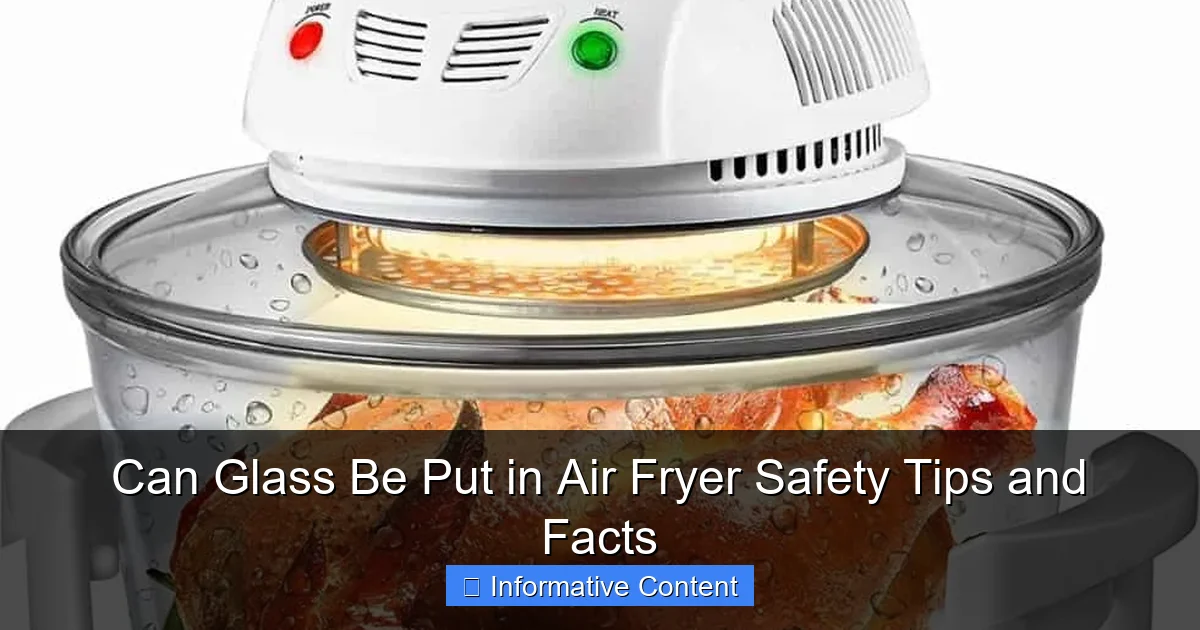
Visual guide about can glass be put in air fryer
Image source: everydayfamilycooking.com
On the other hand, tempered glass and borosilicate glass are designed to withstand thermal stress. Tempered glass is heat-treated to be up to five times stronger than regular glass and can handle temperature swings better. Borosilicate glass (like Pyrex or Duran) has a low thermal expansion coefficient, meaning it doesn’t expand or contract as much when heated or cooled. This makes it ideal for baking, roasting, and—yes—air frying.
How to Identify Air Fryer-Safe Glass
Before you even think about putting glass in the air fryer, check the bottom of the dish. Look for labels like:
- Oven-safe or bake-safe
- Borosilicate glass or tempered glass
- Symbols like a square with wavy lines (oven-safe) or a triangle (microwave-safe)
Brands like Pyrex, Anchor Hocking, and CorningWare typically use borosilicate or tempered glass, making them safer choices. Avoid dishes labeled “decorative” or “not for oven use.” And if you’re unsure? When in doubt, don’t risk it. Use a silicone, metal, or ceramic alternative instead.
Real-Life Example: The Frittata Fiasco
Remember my frittata story? I used a glass dish I thought was oven-safe—it had a “microwave-safe” label, so I assumed it was fine. But microwave-safe doesn’t always mean air fryer-safe. The dish cracked because it wasn’t designed for the air fryer’s intense, direct heat. Since then, I’ve stuck to borosilicate glass dishes with clear oven-safe markings. No more shattered dishes—just perfectly cooked frittatas.
Can Glass Be Put in Air Fryer? The Science Behind It
Thermal Shock: The Silent Enemy
The main reason glass breaks in an air fryer is thermal shock. This happens when different parts of the glass expand or contract at different rates. For example, if the bottom of your dish hits 400°F while the sides are still cool, the stress can cause it to crack. Air fryers are especially risky because they use rapid, circulating hot air—unlike conventional ovens, which heat more gradually.
Think of it like pouring hot coffee into a cold glass. The sudden temperature change can cause the glass to crack. The same principle applies when you put glass in the air fryer without preheating it or when you remove a hot dish and place it on a cold countertop. Even small temperature differences can be enough to break weaker glass.
Heat Distribution Matters
Air fryers circulate hot air at high speeds, which means the heat is more intense and concentrated than in a traditional oven. This can lead to uneven heating in glass dishes, especially if they’re thick or have a high thermal mass. The edges might heat up faster than the center, creating stress points.
For example, a thick glass casserole dish might take longer to heat through, causing the outer layers to expand while the center stays cooler. This imbalance can lead to cracking. Thinner, borosilicate glass dishes heat more evenly and are less likely to fail.
The Role of Preheating
One way to reduce thermal shock is to preheat your air fryer before adding the glass dish. This ensures the air inside is already hot, so the dish heats more gradually. Never put a cold glass dish into a preheated air fryer—that’s a recipe for disaster.
Here’s a tip: If you’re baking something that requires a cold start (like a casserole with a frozen filling), let the dish warm up slightly at room temperature for 5–10 minutes before placing it in the air fryer. This small step can make a big difference.
Safe Ways to Use Glass in Your Air Fryer
Choose the Right Dish
Not all glass dishes are created equal. Here’s what to look for:
- Borosilicate or tempered glass (e.g., Pyrex, Anchor Hocking)
- Oven-safe labeling with a temperature rating (ideally up to 450°F)
- Thin to medium thickness (thicker dishes heat unevenly)
- Flat bottoms to ensure even contact with the air fryer basket
Avoid glass dishes with metal trim, decorative handles, or plastic lids—these can melt or interfere with airflow.
Preheat the Air Fryer (and the Dish, If Possible)
Always preheat your air fryer for 3–5 minutes before adding the glass dish. This reduces the temperature shock. If your recipe allows, you can also preheat the glass dish slightly by placing it in the air fryer during preheating—just don’t leave it empty for too long, as this can cause overheating.
For example, if you’re making a quiche, preheat the air fryer, then place the filled glass dish inside. The gradual heat rise helps prevent cracking.
Mind the Temperature and Time
Glass conducts heat differently than metal, so you may need to adjust your cooking time or temperature. Here are some guidelines:
- Reduce the temperature by 25°F if your recipe is for a conventional oven. Air fryers are more efficient, so lower temps often work better.
- Check for doneness early—glass dishes can cook faster than expected.
- Use a lower rack position if your air fryer has multiple levels. This reduces direct exposure to the heating element.
For instance, if a recipe says “375°F for 20 minutes” in an oven, try 350°F for 15–18 minutes in the air fryer with glass.
Handle with Care After Cooking
Never place a hot glass dish on a cold surface like a granite countertop or a wet towel. The sudden temperature change can cause it to crack. Instead:
- Use a trivet or wooden cutting board
- Let it cool for 5–10 minutes in the air fryer (with the door slightly open)
- Avoid covering with a cold lid or plastic wrap immediately
I once made the mistake of putting a hot glass casserole on a marble countertop—crack!—and learned my lesson the hard way. Now I always use a trivet.
What Not to Do: Common Mistakes and Risks
Using Non-Oven-Safe Glass
This is the biggest mistake people make. Just because a glass dish looks sturdy doesn’t mean it’s safe. Regular drinking glasses, mason jars (unless labeled oven-safe), and decorative dishes can shatter under high heat. I’ve seen people try to use mason jars for mini cakes or glass bowls for roasted nuts—don’t do it unless the label explicitly says “oven-safe.”
Sudden Temperature Changes
Never:
- Put a cold glass dish into a preheated air fryer
- Remove a hot dish and place it in the fridge or freezer
- Run cold water over a hot dish (even to clean it)
These actions create thermal shock, which is the #1 cause of glass breakage. Always let the dish cool naturally.
Overfilling or Uneven Filling
Filling a glass dish too full or unevenly can create hot spots. For example, if one side of your casserole is thicker than the other, it may cook unevenly and stress the glass. Aim for even layers and leave about 1 inch of space at the top to allow for expansion.
Ignoring Manufacturer Guidelines
Some glass dishes come with specific instructions. For example, Pyrex warns against using glass lids in ovens or air fryers—only use them for storage. Always read the care instructions that came with your dish. If it says “not for direct heat,” that includes air fryers.
Alternatives to Glass: When to Choose Other Materials
Silicone Pans and Molds
Silicone is a fantastic alternative to glass. It’s flexible, non-stick, and safe for air fryers up to 450°F. Plus, it cools quickly and can go from air fryer to freezer without issues. I love using silicone muffin cups for mini quiches or a silicone loaf pan for banana bread.
Pros: Lightweight, easy to clean, won’t break if dropped
Cons: Can absorb odors over time, may not brown food as well
Metal Pans (Aluminum, Stainless Steel)
Metal conducts heat quickly and evenly, making it ideal for air fryers. Lightweight aluminum pans are great for cakes or casseroles, while stainless steel works well for roasting veggies.
Pros: Durable, promotes browning, heats up fast
Cons: Can scratch if you use metal utensils, may react with acidic foods (like tomatoes)
Ceramic Dishes
Ceramic is a good middle ground between glass and metal. It retains heat well and can handle high temperatures. Look for glazed ceramic dishes labeled “oven-safe.”
Pros: Retains heat, non-reactive, attractive for serving
Cons: Heavy, can crack if dropped, slower to heat than metal
Data Table: Material Comparison for Air Fryer Use
| Material | Max Temp | Heat Conductivity | Thermal Shock Resistance | Best For |
|---|---|---|---|---|
| Borosilicate Glass | 450°F | Low | High | Casseroles, baked goods |
| Tempered Glass | 400°F | Low | Medium | Oven-safe dishes |
| Silicone | 450°F | Very Low | Very High | Molds, flexible pans |
| Aluminum | 500°F | High | High | Quick cooking, browning |
| Ceramic | 500°F | Medium | Medium | Slow cooking, presentation |
Final Thoughts: Cooking Safely with Glass in the Air Fryer
So, can glass be put in air fryer? The answer is yes—but only if you choose the right type of glass and follow safety guidelines. Borosilicate and tempered glass dishes labeled “oven-safe” are your best bets. Avoid sudden temperature changes, preheat your air fryer, and handle hot dishes with care. Remember, it’s not just about avoiding broken glass; it’s about protecting yourself from potential burns or injuries from sharp shards.
I’ve learned over time that the air fryer is a powerful tool, but it demands respect. Glass can work beautifully in it, but only when used correctly. Think of it like cooking with cast iron—there’s a learning curve, but once you get it, the results are worth it. Whether you’re baking a quiche, roasting veggies, or making a small casserole, using the right dish makes all the difference.
And if you’re ever unsure? Don’t risk it. Switch to silicone, metal, or ceramic. Your dishes—and your kitchen—will thank you. At the end of the day, the goal is to enjoy delicious, healthy meals without the stress of shattered glass. So go ahead, experiment, but do it safely. Happy air frying!
Frequently Asked Questions
Can glass be put in an air fryer safely?
Yes, but only if it’s labeled as oven-safe or borosilicate glass (e.g., Pyrex, tempered glass). Regular glass can shatter due to rapid temperature changes in an air fryer.
What types of glass containers can go in an air fryer?
Only use borosilicate or tempered glass containers marked oven-safe. Avoid thin glass, jars, or dishes with metal parts, as they may not withstand air fryer heat.
Is it safe to put a cold glass dish in a preheated air fryer?
No. Always preheat the glass dish gradually to avoid thermal shock, which can cause cracking. Let it warm to room temperature before placing it in the air fryer.
Can glass be put in an air fryer for reheating leftovers?
Yes, as long as the container is air fryer-safe. Cover the glass with foil or a lid to prevent splatters and ensure even heating.
Why does glass sometimes break in an air fryer?
Glass breaks due to rapid temperature shifts or using non-tempered glass. Air fryers circulate hot air quickly, so always check for oven-safe labels before use.
Can I use a glass baking dish in my air fryer basket?
Yes, if it fits and is oven-safe. Ensure there’s space for air circulation around the dish to avoid uneven cooking or damage to the air fryer.