
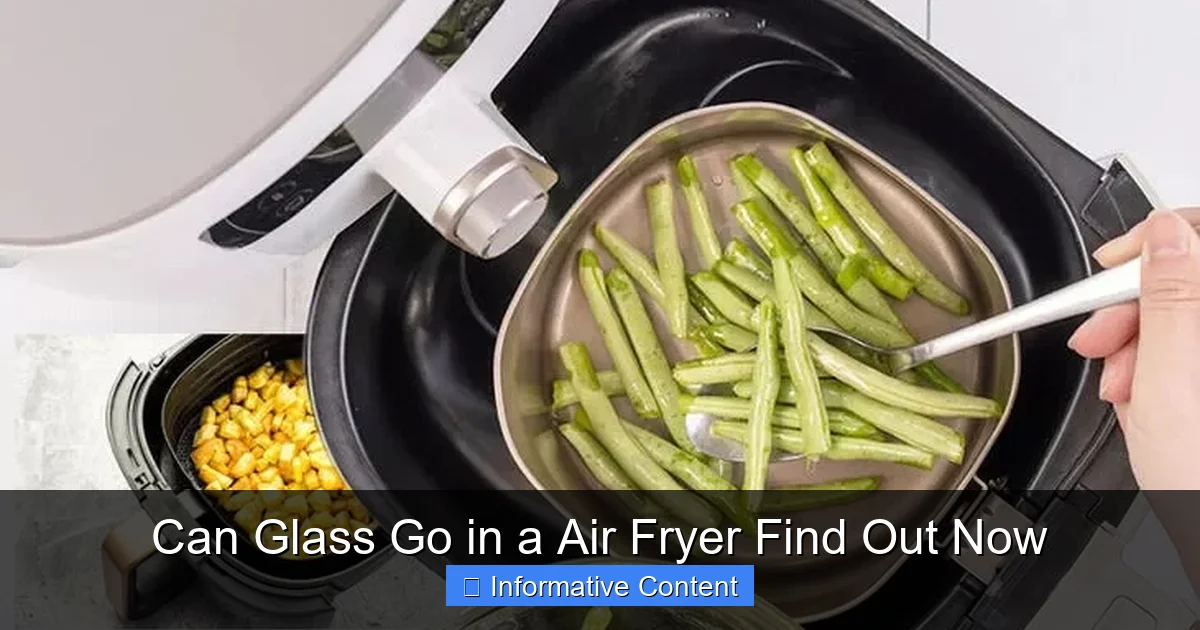
Featured image for can glass go in a air fryer
Image source: findforkitchen.com
No, you should never put glass in an air fryer unless it’s explicitly labeled as air fryer-safe, as extreme temperature changes can cause it to shatter. Only use tempered glass cookware designed for high-heat appliances to avoid dangerous breakage and ensure safe cooking.
Key Takeaways
- Never place glass in air fryers: Extreme heat can cause shattering or explosions.
- Use air fryer-safe cookware: Opt for metal, silicone, or ceramic alternatives instead.
- Check manufacturer guidelines: Always verify cookware compatibility before use.
- Preheat properly: Avoid thermal shock by preheating with compatible materials only.
- Monitor cooking closely: Stay alert for unusual smells or sounds during cooking.
- Transfer food safely: Move food to a plate after cooking if unsure about container safety.
📑 Table of Contents
- Can Glass Go in an Air Fryer? Let’s Find Out Now
- Understanding How Air Fryers Work (And Why It Matters)
- Types of Glass: What’s Safe and What’s Not
- How to Safely Use Glass in Your Air Fryer
- Common Mistakes and How to Avoid Them
- Real-World Examples: What Works (And What Doesn’t)
- Final Thoughts: When to Use Glass (And When to Choose Another Option)
Can Glass Go in an Air Fryer? Let’s Find Out Now
You’ve just pulled your favorite lasagna from the oven, and it’s bubbling perfectly. But wait—your oven’s on the fritz, and your air fryer is sitting right there, ready to save dinner. You glance at the glass dish in your hand and wonder: Can glass go in an air fryer? It’s a question that pops up more often than you’d think, especially as air fryers become a staple in kitchens everywhere. I’ve been there—excited to use my air fryer for everything from roasted veggies to baked desserts, only to pause mid-step, staring at my glass casserole dish, unsure if it’s safe.
Glass is a go-to for baking and roasting, but air fryers work differently. They blast food with superheated air at high speeds, creating a rapid temperature shift that can be harsh on certain materials. So, is glass up for the challenge? The short answer: sometimes. But like most things in cooking, the details matter. In this post, we’ll dig into what types of glass are safe, how to use them properly, and what to avoid. Whether you’re reheating leftovers, baking a casserole, or trying a new recipe, you’ll walk away knowing exactly when and how to use glass in your air fryer—without risking a shattered mess.
Understanding How Air Fryers Work (And Why It Matters)
How Air Fryers Create Heat and Airflow
Air fryers are like mini convection ovens. They use a heating element (usually at the top) and a powerful fan to circulate hot air around food. This rapid airflow creates a crispy outer layer—think golden fries or crunchy chicken wings—without needing much oil. The temperature can jump from room temp to 400°F (205°C) in minutes. That’s where the concern with glass comes in.
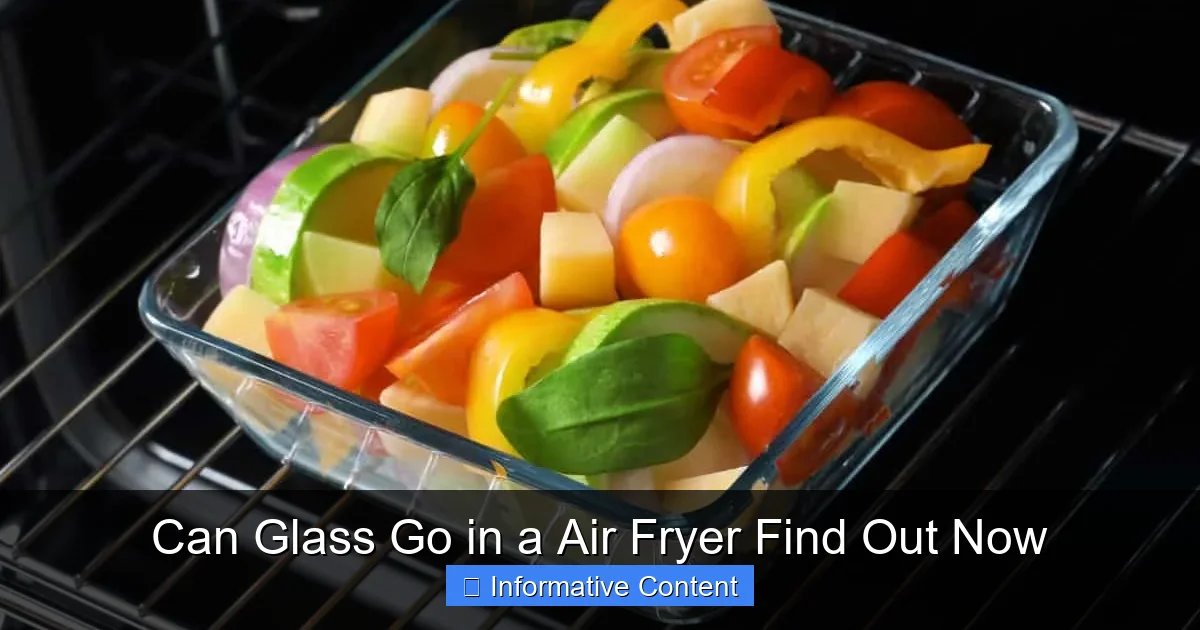
Visual guide about can glass go in a air fryer
Image source: alsothecrumbsplease.com
Unlike ovens, which heat more slowly and evenly, air fryers create intense bursts of heat and strong air currents. Glass, especially if it’s not designed for thermal shock, can’t always handle this sudden change. Imagine pouring boiling water into a cold glass jar—it might crack. The same principle applies here.
Thermal Shock: The Silent Threat to Glass
Thermal shock happens when one part of a material heats up or cools down faster than another. Glass is a poor conductor of heat, so when it’s exposed to rapid temperature changes, the outer surface expands faster than the inside. This creates stress, which can lead to cracks or shattering.
For example, if you place a cold glass dish straight into a preheated air fryer, the sudden heat can cause the outer layer to expand while the inner layer stays cool. The result? A loud pop, a mess, and possibly broken glass in your food. That’s why understanding thermal shock is key to using glass safely in any high-heat appliance.
Airflow and Placement Matter Too
Even if your glass is heat-resistant, the way the air fryer circulates hot air can affect it. If the glass dish is too close to the heating element or blocks airflow, it might overheat on one side. This uneven heating increases the risk of breakage. Always leave space around the dish for air to move freely—usually about 1-2 inches on all sides.
Pro Tip: Use the air fryer’s basket or rack as a base. Place your glass dish on top of it, not directly on the bottom. This helps maintain even airflow and reduces direct exposure to the heating element.
Types of Glass: What’s Safe and What’s Not
Heat-Resistant Glass (Borosilicate and Tempered)
Not all glass is created equal. The safest options for air fryer use are borosilicate glass (like Pyrex or Duralex) and tempered glass. These materials are specifically designed to handle thermal stress.
- Borosilicate glass contains boron trioxide, which makes it resistant to temperature changes. It can handle jumps from freezer to oven without cracking.
- Tempered glass is treated with heat or chemicals to increase strength. It’s about 4-5 times stronger than regular glass and more resistant to thermal shock.
I’ve used my Pyrex 2-quart dish in my air fryer for casseroles and even baked potatoes—no issues. But I always make sure it’s at room temperature first. One time, I forgot and put it straight from the fridge into the air fryer. The result? A hairline crack. Lesson learned.
Regular Glass and Drinking Glasses: A Big No-No
Everyday glassware like drinking glasses, Mason jars (unless labeled oven-safe), or decorative dishes are not safe for air fryers. These are made from soda-lime glass, which isn’t designed for rapid temperature changes.
For example, I once tried to reheat soup in a regular glass mug in my air fryer. It was a disaster. The mug cracked within minutes, spilling hot soup everywhere. Not only was it dangerous, but it also ruined my air fryer basket. Stick to glass that’s clearly marked as oven-safe or heat-resistant.
Label Check: Always Read the Bottom
Before using any glass dish, flip it over and check the bottom. Look for:
- Oven-safe symbols (often a square with wavy lines)
- “Microwave-safe” or “heat-resistant” labels
- Brand names like Pyrex, Anchor Hocking, or Corelle
If there’s no label or it’s unclear, assume it’s not safe. It’s better to be cautious than to risk injury or damage. I keep a small notepad on my fridge listing which dishes are air fryer-approved—saves me from guessing every time.
How to Safely Use Glass in Your Air Fryer
Preheat? Yes, But Do It Right
Preheating your air fryer is great for cooking efficiency, but it’s risky with glass. Instead, follow this simple rule: preheat the air fryer, but add the glass dish only when it’s time to cook.
For example:
- Set your air fryer to 350°F and let it preheat for 5 minutes.
- While it heats, place your glass dish on the counter (not the fridge or freezer).
- After preheating, turn off the air fryer, open the basket, and carefully add the dish.
- Set the timer and start cooking.
This gives the glass time to adjust to room temperature and reduces thermal shock. I’ve found this method works for everything from lasagna to baked mac and cheese.
Room Temperature is Non-Negotiable
Never, ever put cold glass into a hot air fryer. If your dish has been in the fridge, let it sit on the counter for 15-20 minutes. If it’s been in the freezer, thaw it in the fridge first, then let it reach room temperature.
One winter, I tried to air fry a frozen casserole in a glass dish. Big mistake. The dish shattered, and I had to spend an hour cleaning up glass shards. Now, I always thaw frozen dishes in the fridge overnight before air frying.
Use Parchment Paper or Silicone Liners
To protect your glass and make cleanup easier, line the dish with parchment paper or a silicone liner. This helps:
- Prevent food from sticking
- Reduce direct heat exposure to the glass
- Make removing food easier
I love using pre-cut parchment rounds for round glass dishes. They fit perfectly and save me from scrubbing burnt cheese off the sides. Just make sure the paper doesn’t block airflow or touch the heating element.
Monitor Cooking Time and Temperature
Glass conducts heat differently than metal, so cooking times may vary. Start by reducing the air fryer’s temperature by 25°F from what the recipe says (e.g., if it calls for 375°F, use 350°F). Check the food 5-10 minutes before the suggested time. Glass tends to retain heat longer, so food can continue cooking even after you turn off the air fryer.
Example: I baked brownies in a glass dish at 325°F instead of 350°F. They came out perfectly moist—no dry edges.
Common Mistakes and How to Avoid Them
Putting Cold Glass in a Hot Air Fryer
This is the #1 mistake. Cold glass + hot air fryer = disaster. Always let the dish warm up first. If you’re in a rush, use a microwave to gently warm it (10-15 seconds on low), but never go straight from fridge to air fryer.
Using the Wrong Dish Size
Glass dishes that are too large block airflow, while ones that are too small can tip over. Aim for a dish that:
- Fits in the air fryer basket with 1-2 inches of space around it
- Is no more than 2/3 full of food
I once tried to air fry a whole casserole in a huge 9×13 glass dish. It barely fit, and the edges got burnt while the center was undercooked. Now, I use a 7×7 dish for most casseroles.
Ignoring Lids and Covers
Glass lids can trap steam, which is great for moist dishes but risky if they’re not heat-resistant. If your glass lid isn’t labeled for high heat, remove it during cooking. For dishes that need covering, use aluminum foil—poke a few holes to let steam escape.
Overcrowding the Dish
Air fryers need space for air to circulate. If your glass dish is packed too full, the food won’t cook evenly, and the glass may overheat. Leave at least 1/2 inch of space around the edges. For example, when baking potatoes, don’t stack them—lay them flat.
Real-World Examples: What Works (And What Doesn’t)
Success Story: Baked Mac and Cheese
Last month, I made mac and cheese in a Pyrex 2-quart glass dish. I preheated the air fryer to 350°F, but waited to add the dish. The mac and cheese was ready in 15 minutes—golden on top, creamy inside. The glass stayed intact, and cleanup was easy with a silicone liner.
Fail Story: Frozen Casserole
I tried to air fry a frozen casserole in a glass dish (not pre-thawed). The dish shattered after 10 minutes. The casserole was ruined, and I had to replace my air fryer basket. The lesson? Always thaw frozen dishes first.
Creative Use: Baked Oatmeal
I baked oatmeal in a small glass ramekin. It cooked perfectly in 12 minutes at 325°F. The oatmeal was fluffy, and the glass didn’t crack. This works great for single servings or meal prep.
Data Table: Glass Types and Air Fryer Safety
| Glass Type | Safe for Air Fryer? | Max Temp | Notes |
|---|---|---|---|
| Borosilicate (e.g., Pyrex) | Yes | 450°F (230°C) | Handle with care; avoid sudden temp changes |
| Tempered Glass | Yes | 400°F (205°C) | Check for oven-safe label |
| Regular Soda-Lime Glass | No | Not recommended | Risk of shattering; never use |
| Mason Jars (non-oven-safe) | No | Not recommended | Use only if labeled oven-safe |
| Drinking Glasses | No | Not recommended | Not designed for heat |
Final Thoughts: When to Use Glass (And When to Choose Another Option)
So, can glass go in an air fryer? Yes—but only if it’s the right type and you follow the rules. Heat-resistant glass like borosilicate or tempered glass can handle air fryer cooking, but regular glass is a no-go. The key is respecting the temperature changes, prepping your dish properly, and choosing the right size.
That said, there are times when glass might not be the best choice. For high-heat searing (like steaks or chicken skin), metal pans or baskets work better. They conduct heat more evenly and get hotter faster. But for baking, reheating, or cooking moist dishes (casseroles, oatmeal, brownies), glass is a fantastic option. It’s non-reactive, easy to clean, and lets you see how the food is cooking.
At the end of the day, it’s about knowing your tools and using them wisely. I keep a few glass dishes on hand for air frying, but I also have metal pans and silicone molds for different tasks. The more you experiment, the more you’ll learn what works for your favorite recipes.
Remember: when in doubt, err on the side of caution. A little patience—letting your glass warm up, checking labels, adjusting temperatures—can save you from a kitchen disaster. And if you’re ever unsure, test a small dish first. Better to waste a little food than risk a shattered glass mess.
Happy air frying! With the right glass and a few smart tricks, you can expand your air fryer’s capabilities and enjoy even more delicious meals—safely and confidently.
Frequently Asked Questions
Can glass go in an air fryer safely?
Yes, most oven-safe glass (like Pyrex or borosilicate) can go in an air fryer if it fits securely and doesn’t touch the heating element. Always check the manufacturer’s guidelines to confirm it’s safe for high-heat cooking methods.
What types of glass are air fryer-safe?
Borosilicate and tempered glass dishes, such as those from Pyrex or Anchor Hocking, are generally safe for air fryers. Avoid thin or decorative glass, as sudden temperature changes can cause cracking.
Can I put a glass bowl in my air fryer?
Yes, a glass bowl can go in an air fryer if it’s labeled oven-safe and fits without blocking airflow. Ensure it’s placed in the center of the basket or tray to avoid direct contact with the heating coil.
Is it safe to preheat a glass dish in the air fryer?
Preheating a glass dish in the air fryer is safe if done gradually—start at a low temperature and increase it slowly. Avoid placing cold glass into a preheated air fryer to prevent thermal shock.
Why does glass sometimes crack in an air fryer?
Glass can crack due to rapid temperature changes (thermal shock) or poor-quality material. Always use air fryer-safe glass and avoid drastic shifts in heat exposure during cooking.
Can I use a glass lid in my air fryer?
Glass lids are not recommended for air fryers, as they trap steam and disrupt the air circulation essential for crispy results. Stick to vented, metal, or air fryer-specific lids for best performance.