
Featured image for can i add aluminum foil to air fryer
Image source: foodsguy.com
Yes, you can safely use aluminum foil in your air fryer—but only when used correctly to avoid blocking airflow or damaging the appliance. Always place foil in the basket’s bottom or under food, never covering the heating element or sides, to ensure even cooking and prevent fire hazards. With proper placement, foil simplifies cleanup and enhances cooking performance.
Key Takeaways
- Use heavy-duty foil to avoid tearing and ensure even heat distribution.
- Never cover air vents—blocking airflow risks damage and uneven cooking.
- Prevent foil-to-basket contact to avoid sparks and potential fire hazards.
- Secure foil tightly so it doesn’t shift during cooking or shaking.
- Opt for parchment paper when possible for safer, non-reactive results.
- Check manufacturer guidelines—some air fryers prohibit foil use entirely.
📑 Table of Contents
- Can I Add Aluminum Foil to Air Fryer Safely and Effectively
- Understanding How Air Fryers Work (And Why Foil Matters)
- When Is It Safe to Use Aluminum Foil in an Air Fryer?
- When You Should NEVER Use Aluminum Foil in an Air Fryer
- Alternatives to Aluminum Foil (Safer & More Effective)
- Practical Tips & Best Practices for Using Foil (If You Must)
- Data Table: Air Fryer Liner Comparison
- Final Thoughts: Foil in Air Fryers—A Tool, Not a Crutch
Can I Add Aluminum Foil to Air Fryer Safely and Effectively
Let’s be honest—air fryers have revolutionized home cooking. They’re fast, energy-efficient, and give us that crispy, golden finish we all crave without drowning food in oil. But as we dive deeper into the world of air frying, one question keeps popping up: can I add aluminum foil to air fryer safely? If you’ve ever stared at a greasy basket or worried about food sticking, you’re not alone. I’ve been there too, standing in my kitchen, foil in hand, wondering if it’s a genius hack or a recipe for disaster.
When I first got my air fryer, I was excited but also a little intimidated. The manual had a whole section on “do’s and don’ts,” and while it didn’t explicitly say “no foil,” it did warn about blocking airflow. That got me thinking: is aluminum foil a friend or foe in this appliance? After months of experimenting, reading up on manufacturer guidelines, and even a few minor kitchen mishaps (RIP, slightly charred chicken), I’ve learned the ins and outs of using foil in air fryers. And the answer isn’t a simple yes or no—it’s a little more nuanced. So, let’s break it down together and find out how to use aluminum foil in your air fryer safely, effectively, and without turning your kitchen into a smoke alarm symphony.
Understanding How Air Fryers Work (And Why Foil Matters)
Before we dive into the foil debate, it helps to understand how air fryers actually work. Unlike traditional ovens or deep fryers, air fryers rely on a powerful fan and heating element to circulate hot air rapidly around your food. This process, called convection cooking, creates that crispy exterior we love by evaporating surface moisture and triggering the Maillard reaction (fancy term for browning).
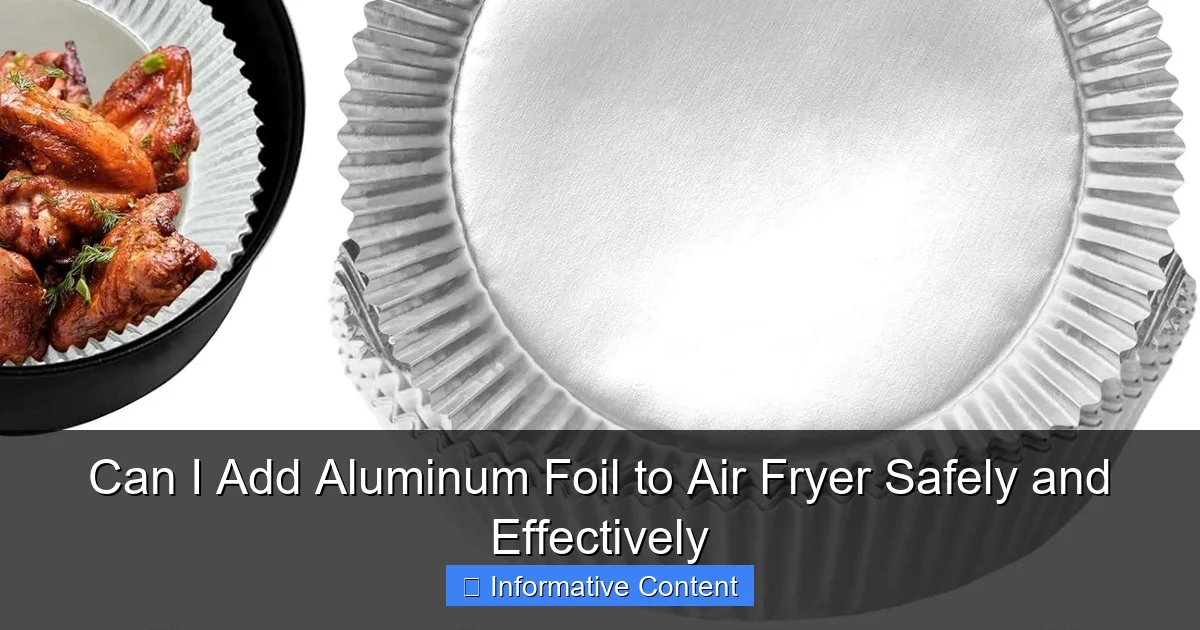
Visual guide about can i add aluminum foil to air fryer
Image source: circaairfryer.com
The Role of Airflow
Airflow is the secret sauce in air frying. The fan pulls air from the top, heats it, and then blasts it down and around the food. This constant movement ensures even cooking and prevents soggy results. But here’s the catch: if you block that airflow, you’re basically turning your air fryer into a mini convection oven—and not in a good way.
Imagine covering the entire basket with a flat sheet of foil. The hot air hits the foil, bounces off, and can’t reach the food properly. This leads to uneven cooking, longer cook times, and potentially undercooked or burnt spots. Worse, if the foil is too close to the heating element, it can spark, melt, or even cause a fire. Not exactly the kitchen experience we’re aiming for.
Why People Use Foil (The Temptation is Real)
Despite the risks, many people reach for foil because it solves real problems:
- Easy cleanup: No more scrubbing sticky residue off the basket.
- Preventing sticking: Delicate foods like fish or marinated meats can cling to the basket.
- Containment: Small items like chopped vegetables or breadcrumbs won’t fall through the basket gaps.
- Moisture retention: Foil traps steam, which can be useful for certain recipes.
These benefits are tempting, especially after a long day when you just want dinner on the table without a mountain of dishes. But the key is using foil strategically—not as a full liner, but as a targeted tool. Think of it like a band-aid, not a full cast.
When Is It Safe to Use Aluminum Foil in an Air Fryer?
Now for the million-dollar question: can I add aluminum foil to air fryer without risking safety or performance? The answer is: yes, but with strict rules. Let’s explore the safe scenarios and how to execute them.
1. Small, Loose-Fitting Liners (Not Full Baskets)
The safest way to use foil is to line only the bottom of the basket, leaving the sides exposed. This allows air to flow freely around the food while catching drips. For example:
- Place a piece of foil that matches the shape of the basket’s base (not the sides).
- Make sure it doesn’t touch the heating element (usually at the top).
- Leave at least 1-2 inches of clearance around the edges for airflow.
Real-world example: I use this method when cooking fatty meats like bacon or sausages. The foil catches the grease, and the open sides let the hot air crisp up the edges. Just remember to discard the foil after use—don’t try to wash and reuse it, as it can tear and leave aluminum particles in your food.
2. Foil Packets (For Steaming or Baking)
Another safe technique is wrapping food in foil packets. This is perfect for:
- Vegetables (e.g., asparagus, carrots) that need a little extra moisture.
- Fish or chicken that might dry out in direct air circulation.
- Stews or braised dishes that benefit from trapped steam.
How to do it:
- Place your food in the center of a large sheet of foil (about 12×12 inches).
- Add seasonings, a splash of liquid (like broth or lemon juice), and any veggies.
- Fold the edges to create a sealed packet, leaving a small air pocket for steam.
- Place the packet in the air fryer basket. The foil will protect the food from direct heat while allowing some air circulation.
Tip: Don’t seal the packet too tightly—leave a tiny gap to let steam escape. This prevents pressure buildup and potential bursting.
3. Elevated Foil Trays (For Crispy Results)
If you want the benefits of foil without sacrificing crispiness, try using a small foil tray or pan. Many air fryers come with accessories like:
- Foil pans (similar to disposable baking trays).
- Silicone or metal trivets that elevate food.
Place the tray on top of the basket’s rack (not directly on the heating element). This keeps food elevated, allowing air to circulate underneath. It’s great for:
- Reheating pizza (no more soggy crust!).
- Cooking casseroles or baked dishes.
- Keeping small items contained (e.g., chopped onions).
When You Should NEVER Use Aluminum Foil in an Air Fryer
While foil can be a helpful tool, there are situations where it’s a hard no. Ignoring these warnings can damage your air fryer, ruin your food, or even cause a safety hazard.
1. Fully Lining the Basket (The #1 Mistake)
Never, ever cover the entire basket with a single sheet of foil. This includes:
- Lining the sides and bottom.
- Using foil to create a “dish” inside the basket.
- Covering the basket’s perforated surface.
Why it’s dangerous:
- Blocks airflow: The fan can’t circulate hot air, leading to uneven cooking.
- Overheating: Trapped air can cause the heating element to overheat, potentially damaging the appliance.
- Fire risk: If the foil touches the heating element, it can spark or melt.
Personal anecdote: I once tried lining my basket with foil for a big batch of chicken wings. Big mistake. The wings cooked unevenly—some were dry, others undercooked—and the foil started to smoke near the top. I had to turn off the air fryer and air out the kitchen. Lesson learned.
2. Using Foil Near the Heating Element
Most air fryers have a heating coil at the top (sometimes exposed, sometimes covered). If foil gets too close to this element, it can:
- Melt or catch fire.
- Release harmful fumes (especially if the foil has a non-stick coating).
- Damage the heating element, requiring costly repairs.
Rule of thumb: Keep foil at least 2-3 inches away from the top of the basket. If you’re unsure, consult your air fryer’s manual for the location of the heating element.
3. Cooking Acidic or Salty Foods in Foil
Foil can react with acidic ingredients (like tomatoes, citrus, or vinegar) or high-salt foods, causing:
- Aluminum leaching: Small amounts of aluminum can transfer to your food, which isn’t ideal for long-term health.
- Foil degradation: The foil may weaken, tear, or develop holes, leading to leaks or mess.
Safer alternatives: For acidic dishes, use parchment paper (see next section) or a silicone liner. For salty foods, opt for a non-stick basket or spray with cooking oil.
Alternatives to Aluminum Foil (Safer & More Effective)
If you’re hesitant to use foil—or want options that are even safer—here are some great alternatives that solve the same problems without the risks.
1. Parchment Paper (The MVP of Air Fryer Liners)
Parchment paper is a game-changer. It’s non-stick, heat-resistant (up to 450°F/230°C), and won’t block airflow. Here’s how to use it:
- Cut a round piece to fit the bottom of your basket (use the basket as a template).
- Poke a few small holes in the paper to allow steam to escape.
- Place food directly on the paper—no oil needed!
Benefits:
- No risk of aluminum leaching.
- Easier to remove food (especially sticky items like cheese).
- Can be composted (unlike foil).
Note: Don’t use wax paper—it’s not heat-safe and can melt or catch fire.
2. Silicone Liners (Reusable & Eco-Friendly)
Silicone liners are another fantastic option. They’re:
- Heat-resistant (up to 480°F/250°C).
- Reusable (just wash with soap and water).
- Non-stick (no oil required).
How to use:
- Place the liner in the basket.
- Add your food.
- Air fry as usual.
Tip: Some silicone liners come with holes or grooves to promote airflow. Look for these for optimal results.
3. Air Fryer Accessories (Pans, Trivets, and Racks)
Many brands sell accessories designed specifically for air fryers:
- Metal or silicone pans: Great for casseroles, baked dishes, or reheating leftovers.
- Trivets or racks: Elevate food for better air circulation (e.g., for crispy chicken wings).
- Mesh baskets: Contain small items without blocking airflow.
These accessories are often safer and more effective than foil, especially for complex recipes.
Practical Tips & Best Practices for Using Foil (If You Must)
If you’ve weighed the risks and still want to use foil, here’s how to do it safely and effectively. These tips are based on my own experience and manufacturer guidelines.
1. Choose the Right Foil
Not all foil is created equal. Here’s what to look for:
- Heavy-duty foil: Thicker foil is less likely to tear or crumple during cooking.
- Uncoated foil: Avoid foil with non-stick or colored coatings—these can release harmful chemicals when heated.
- No sharp edges: Crumpled foil can create sharp points that damage your air fryer basket.
Pro tip: Smooth the foil gently with your hands before placing it in the basket. Avoid excessive creasing.
2. Monitor Cooking Closely
Foil changes the cooking environment. Always:
- Set a timer and check on your food halfway through.
- Look for signs of overheating (smoke, strange smells, or discoloration).
- Adjust cook time or temperature if needed.
Example: If you’re cooking chicken breasts in foil packets, start checking at 12 minutes (instead of the usual 15) to avoid drying them out.
3. Avoid Overcrowding
Even with foil, overcrowding can block airflow. Follow these rules:
- Leave space between food items (at least 1 inch).
- Use multiple foil packets if cooking a large batch.
- Don’t stack food—cook in single layers.
Real-world tip: I use foil packets for meal prep—I make 4-5 packets at once, freeze them, and air fry from frozen. Just add 2-3 minutes to the cook time.
4. Clean Up Properly
After using foil, clean your air fryer thoroughly:
- Remove any foil fragments (use tongs or a paper towel).
- Wash the basket with warm, soapy water.
- Wipe the interior with a damp cloth (never immerse the main unit in water).
Warning: If foil has melted onto the heating element, unplug the air fryer and let it cool completely before attempting to clean it. If damage is severe, contact the manufacturer.
Data Table: Air Fryer Liner Comparison
| Liner Type | Max Temp | Reusable? | Airflow Friendly | Best For | Safety Notes |
|---|---|---|---|---|---|
| Aluminum Foil | 400°F (205°C) | No | Only if used sparingly | Greasy foods, foil packets | Avoid contact with heating element; don’t use with acidic/salty foods |
| Parchment Paper | 450°F (230°C) | No | Yes (with holes) | Delicate foods, baked goods | Never use wax paper; keep away from heating element |
| Silicone Liner | 480°F (250°C) | Yes | Yes | All-purpose, eco-friendly option | Ensure it’s food-grade silicone |
| Metal Pans | 500°F (260°C) | Yes | Yes (if elevated) | Casseroles, reheating | Use oven-safe pans only |
Final Thoughts: Foil in Air Fryers—A Tool, Not a Crutch
So, can I add aluminum foil to air fryer safely and effectively? The short answer is: yes, but with caution. Foil can be a helpful tool for reducing cleanup, preventing sticking, and containing small foods—but it’s not a one-size-fits-all solution. Used incorrectly, it can block airflow, damage your appliance, or even pose safety risks.
Here’s my takeaway after months of experimenting: treat foil like a precision instrument, not a blanket. Use it sparingly, follow the rules, and always prioritize airflow. And if you’re unsure, opt for safer alternatives like parchment paper or silicone liners. They’re just as effective, without the risks.
At the end of the day, your air fryer is designed to work best when air can circulate freely. Foil—like any hack—should enhance that process, not hinder it. So next time you’re tempted to line your basket with foil, ask yourself: “Am I solving a problem, or creating a new one?” If the answer is the former, go for it—just do it wisely. And if you’re ever in doubt, remember: a little extra cleanup is a small price to pay for perfectly crispy, evenly cooked food.
Happy air frying, and may your kitchen stay foil-smoke-free!
Frequently Asked Questions
Can I add aluminum foil to an air fryer without damaging it?
Yes, you can safely add aluminum foil to an air fryer as long as it’s used properly. Avoid letting the foil touch the heating element or block airflow to prevent damage or fire hazards.
Is it safe to use aluminum foil in an air fryer for all foods?
Aluminum foil is safe for most foods, especially those prone to sticking or falling through the basket, like fish or veggies. However, avoid wrapping acidic foods (e.g., tomatoes, citrus) as they may react with the foil.
How do I use aluminum foil in an air fryer effectively?
Line the air fryer basket with foil, ensuring it doesn’t cover the sides or block vents. Crimp the edges to keep it in place, and always leave space for hot air to circulate around the food.
Can adding aluminum foil to an air fryer cause a fire?
When used correctly, aluminum foil won’t cause a fire. Never let loose foil touch the heating element, and always secure it to avoid flapping from the air circulation.
Does using aluminum foil in an air fryer affect cooking performance?
Properly placed foil won’t hinder cooking—it may even help with cleanup and even browning. Just ensure it doesn’t obstruct airflow, which could lead to unevenly cooked food.
What are the best tips for using aluminum foil in an air fryer?
Use heavy-duty foil, pre-cut to fit your basket, and avoid crumpling it too tightly. Always monitor cooking and never use foil when air frying with high-sugar or acidic marinades.