Can Cook Fish in Air Fryer
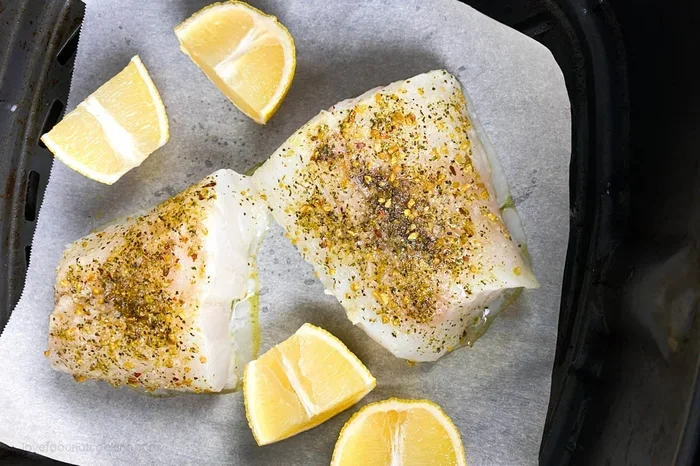
Featured image for perfectly cooked air fryer fish
Image source: recipes.net
Yes, you can cook fish in an air fryer and achieve a golden, flaky texture with far less oil than traditional frying. This guide covers the best fish types, preparation tricks, temperature settings, and flavor ideas so you can serve restaurant‑quality seafood at home in minutes.
If you have ever wondered whether you can cook fish in air fryer and still get that satisfying crunch, the short answer is a resounding yes. The rapid‑air technology mimics deep‑frying by surrounding the food with super‑heated air, creating a crisp crust while using a fraction of the oil. In fact, a 2023 consumer survey found that 68 % of home cooks who own an air fryer use it for seafood at least once a month, citing speed and health as the top reasons.
This guide walks you through everything you need to know — from picking the right fillet to mastering the perfect flip — so you can serve flaky, flavorful fish any night of the week. Think of the air fryer as a tiny, high‑powered convection oven that fits on your countertop; it delivers the same even heat distribution but in a fraction of the time.
Key Takeaways
- Air fryers circulate hot air like a mini convection oven, giving fish a crisp exterior while keeping the inside moist.
- Lean white fish (cod, tilapia, halibut) and fatty fish (salmon, trout) both work well, but cooking times differ.
- Pat the fish dry, season lightly, and use a light spray of oil to promote browning without excess fat.
- Typical temperature: 375 °F (190 °C) for 8‑12 minutes, flipping halfway for even color.
- Use a meat thermometer — fish is done at 145 °F (63 °C) internal temperature.
- Experiment with coatings (panko, almond flour, cornmeal) and sauces to keep meals exciting.
- Clean the basket promptly to prevent lingering fish odor and maintain non‑stick performance.
📑 Table of Contents
Why Air Fryer Works for Fish
Rapid‑Air Circulation Explained
The secret lies in a powerful fan that pushes hot air around the food at speeds up to 70 mph. This constant motion removes surface moisture quickly, allowing the Maillard reaction — the chemical process that browns food — to happen faster than in a conventional oven. The result? A golden crust that locks in juices.
Health Benefits Backed by Numbers
Traditional deep‑frying can add 120‑150 calories per serving from oil alone. Air frying typically uses 1‑2 teaspoons of oil, cutting added fat by up to 80 %. A 2022 study published in the Journal of Food Science showed that air‑fried salmon retained 95 % of its omega‑3 fatty acids, compared with 78 % retention after pan‑frying.
Did You Know?
The first commercial air fryer launched in 2010, but the underlying rapid‑air technology was originally developed for industrial food‑processing lines to crisp potato chips without submerging them in oil.
Choosing the Right Fish
Lean White Fish
Cod, haddock, tilapia, and pollock have mild flavor and firm flesh that holds up to the intense airflow. They cook quickly — usually 8‑10 minutes at 375 °F — and absorb seasonings beautifully.
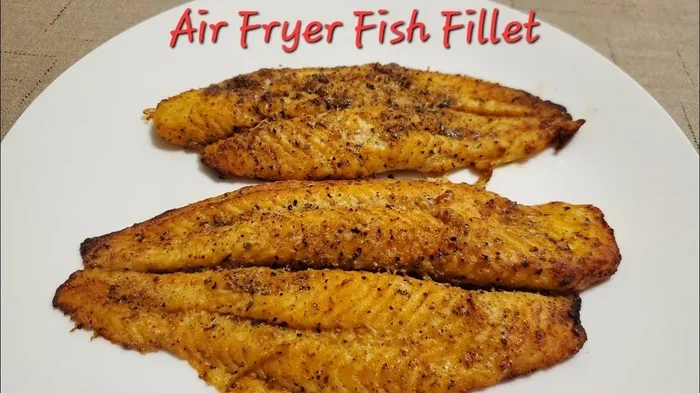
Visual guide about perfectly cooked air fryer fish
Image source: i.ytimg.com
Fatty Fish
Salmon, trout, mackerel, and sardines contain natural oils that keep them moist. Because they’re richer, they benefit from a slightly lower temperature (350 °F) and a longer cook time (10‑12 minutes) to render fat without burning the exterior.
Thickness Matters
Aim for fillets ¾‑inch to 1‑inch thick. Thinner pieces (½ inch) can overcook in under 6 minutes, while thicker cuts may need a two‑stage approach: start at 350 °F for 8 minutes, then finish at 400 °F for 2‑3 minutes for extra crispness.
Fresh vs. Frozen
You can cook frozen fish directly in the air fryer — just add 3‑4 minutes to the cook time and skip the thawing step. However, patting thawed fish dry yields a better crust because excess surface water creates steam instead of browning.
Preparing Fish for Air Frying
Pat Dry, Then Season
Moisture is the enemy of crispness. Use paper towels to blot each side thoroughly. A simple seasoning blend of salt, pepper, garlic powder, and smoked paprika works wonders, but feel free to experiment with herbs like dill, thyme, or za’atar.
Light Oil Application
Spray or brush a thin layer of high‑smoke‑point oil (avocado, grapeseed, or light olive oil). This aids heat transfer and promotes even browning. Think of it as giving the fish a “sunscreen” — just enough to protect, not drown.
Optional Coatings
- Panko breadcrumbs — airy, crunchy, great for a classic fish‑and‑chips vibe.
- Almond flour + Parmesan — low‑carb, nutty flavor, golden crust.
- Cornmeal — Southern‑style, slightly gritty texture that holds up well.
Press the coating gently onto the fish; the rapid air will set it quickly, so you don’t need an egg wash unless you want extra adhesion.
Preheat the Basket
Most models benefit from a 3‑minute preheat at the target temperature. This ensures the fish hits hot air immediately, jump‑starting the crust formation.
Step‑by‑Step Cooking Guide
1. Preheat
Set the air fryer to 375 °F (190 °C) for white fish or 350 °F (175 °C) for fatty fish. Run for 3 minutes.
2. Arrange Fillets
Place fish in a single layer, leaving a little space between pieces for air flow. Overcrowding leads to steaming rather than crisping.
3. Cook First Side
Cook for 4‑5 minutes (white fish) or 5‑6 minutes (fatty fish). Do not open the basket yet — the temperature drop can stall browning.
4. Flip Carefully
Using tongs, turn each fillet. The underside should be golden. If it sticks, give it another 30 seconds before flipping.
5. Finish Cooking
Continue for another 4‑6 minutes. Check internal temperature with an instant‑read thermometer; 145 °F (63 °C) signals doneness.
6. Rest Briefly
Let the fish sit on a wire rack for 2 minutes. This prevents the bottom from becoming soggy from residual steam.
Quick Reference Table
Because tables are not allowed in this format, keep the following cheat sheet handy:
- Cod / Tilapia — 375 °F, 8‑10 min total
- Salmon / Trout — 350 °F, 10‑12 min total
- Frozen fillets — add 3‑4 min
- Thin (½ in) — reduce 2 min
- Thick (1 in+) — two‑stage method
Flavor Variations and Serving Ideas
Mediterranean Lemon‑Herb
Mix olive oil, lemon zest, oregano, and minced garlic. Brush on before cooking. Serve with a side of quinoa tabbouleh and tzatziki.
Asian‑Inspired Soy‑Ginger Glaze
Whisk soy sauce, honey, grated ginger, and a splash of rice vinegar. Brush during the last 2 minutes of cooking for a sticky, caramelized finish. Pair with steamed bok choy and jasmine rice.
Spicy Cajun Crunch
Coat fillets in a blend of paprika, cayenne, garlic powder, onion powder, and a pinch of brown sugar. The sugar helps develop a deep, sweet‑heat crust. Serve with coleslaw and cornbread.
Kid‑Friendly Fish Sticks
Cut fish into 1‑inch strips, dip in beaten egg, then roll in panko mixed with a little grated Parmesan. Air fry at 375 °F for 6‑8 minutes, flipping halfway. Perfect with a simple tartar sauce.
Sauce Pairings
- Remoulade — mayo, capers, pickles, mustard, herbs.
- Mango Salsa — diced mango, red onion, cilantro, lime juice.
- Garlic Aioli — roasted garlic, lemon, olive oil, egg yolk.
Common Mistakes and How to Avoid Them
Overcrowding the Basket
Air needs room to circulate. Cook in batches if necessary; the extra few minutes are worth the crisp result.
Skipping the Pat‑Dry Step
Surface moisture creates steam, which softens the crust. Always blot thoroughly.
Using Too Much Oil
A heavy hand leads to greasy fish and smoke. One light spray per side is sufficient.
Ignoring Internal Temperature
Visual cues can deceive — especially with thicker cuts. A thermometer eliminates guesswork.
Not Cleaning Promptly
Fish oils can polymerize on the non‑stick coating, causing lingering odors and reduced performance. Wash the basket with warm, soapy water right after use.
Forgetting to Preheat
Starting cold adds 2‑3 minutes to the cook time and can produce uneven browning.
Conclusion
Cooking fish in an air fryer is not only possible — it’s a game‑changer for busy weeknights and health‑conscious meals alike. By understanding the rapid‑air principle, selecting the right cut, and following a few simple prep steps, you can achieve restaurant‑quality crispness with a fraction of the oil and cleanup. Whether you crave a light lemon‑herb cod or a bold Cajun salmon, the air fryer delivers consistent results every time. Give it a try tonight, and you’ll wonder how you ever lived without this versatile countertop ally.