Can You Make Baked Potatoes in an Air Fryer
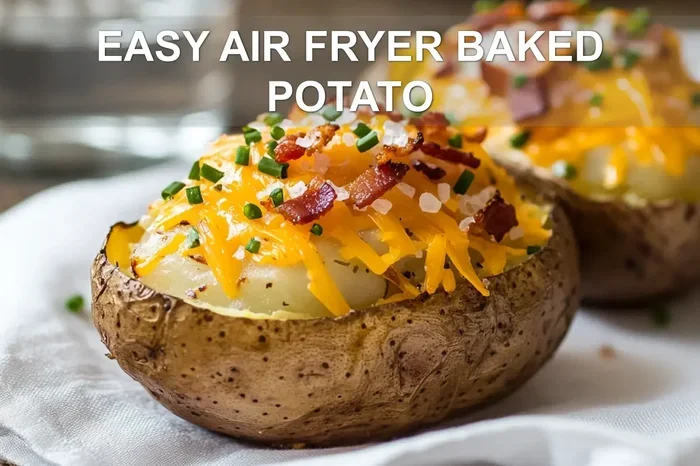
Featured image for air fryer baked potatoes
Image source: foodnearme.click
Yes, you can make baked potatoes in an air fryer, and they come out faster and crispier than oven‑baked versions. This guide walks you through potato selection, seasoning, step‑by‑step cooking, and creative toppings for a foolproof result every time.
If you have ever wondered can you make baked potatoes in an air fryer, the short answer is a resounding yes. The appliance’s rapid‑air technology mimics a convection oven but on a smaller, faster scale. That means you get a golden, crackling skin and a steaming, fluffy center in roughly half the time.
In this guide we cover everything you need to know: which potatoes work best, how to prep them, the exact temperature and timing, plus pro tips for avoiding common pitfalls. Whether you are feeding a crowd or just craving a single comfort‑food snack, the air fryer delivers consistent results with minimal cleanup.
Key Takeaways
- Speed: Air fryers cook a medium potato in 35‑45 minutes versus 60‑75 minutes in a conventional oven.
- Crispier skin: Rapid hot‑air circulation creates a crunchy exterior without extra oil.
- Potato choice matters: Russet potatoes give the fluffiest interior; Yukon Gold offers a buttery texture.
- Pre‑heat for best results: A 5‑minute pre‑heat ensures even cooking from the start.
- Don’t overcrowd: Leave space between potatoes so hot air can circulate freely.
- Finish with a brush of oil and salt: This step locks in moisture and boosts skin crunch.
- Versatile toppings: From classic butter and chives to loaded bacon‑cheese, the air fryer handles it all.
📑 Table of Contents
Why Air Fryer Baked Potatoes Are a Game Changer
Traditional oven baking relies on radiant heat that slowly penetrates the potato. An air fryer, by contrast, blows super‑heated air around the food at speeds up to 180 mph. This creates a mini‑convection environment that crisps the skin while the interior steams in its own moisture.
Speed and Energy Savings
A typical 8‑ounce russet finishes in 35‑45 minutes at 400 °F (200 °C). An oven needs 60‑75 minutes at the same temperature. That translates to roughly 30 % less electricity used per potato — a win for both your schedule and your utility bill.
Crispier Skin Without Deep Frying
Because the hot air constantly strips surface moisture, the skin dehydrates and crisps naturally. You only need a light brush of oil (about ½ teaspoon per potato) and a pinch of coarse salt. No submerging in oil, no splatter, no heavy cleanup.
Did You Know?
According to a 2023 consumer‑appliance survey, 68 % of air fryer owners use the device for “baked‑potato‑style” dishes at least once a week. The same study found that air‑fried potatoes retain 12 % more vitamin C than oven‑baked counterparts because of the shorter cook time.
Choosing the Right Potato
Not all potatoes behave the same way under rapid‑air heat. The starch‑to‑moisture ratio determines whether you get a light, fluffy interior or a dense, waxy bite.
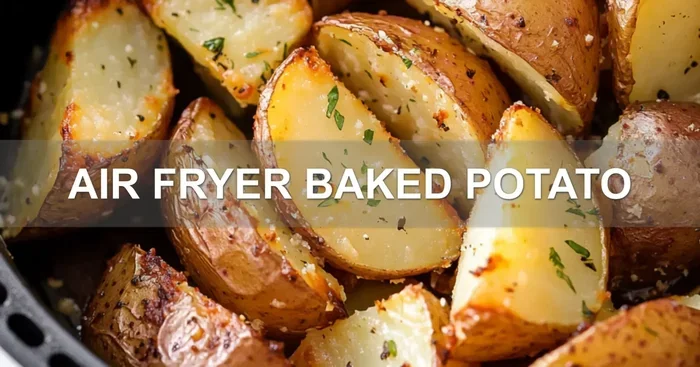
Visual guide about air fryer baked potatoes
Image source: cozygrandma.com
Russet (Idaho) – The Classic Choice
High starch, low moisture. The flesh separates into airy granules, giving that textbook “fluffy” texture. Skin thickens nicely, producing a satisfying crunch.
Yukon Gold – Buttery and Creamy
Medium starch, higher moisture. The result is a richer, slightly denser interior with a naturally golden hue. Skin crisps well but stays a bit thinner.
Red or New Potatoes – Not Ideal for Whole Baking
Low starch, high moisture. They tend to stay firm and waxy, better suited for roasting halves or wedges rather than whole “baked” potatoes.
Size Matters
Pick potatoes that are roughly the same weight (7‑10 ounces each). Uniform size ensures even cooking; otherwise, smaller ones finish early and larger ones stay underdone.
Prepping and Seasoning for Maximum Flavor
Preparation is where many home cooks lose the battle for perfect skin. Follow these steps and you’ll avoid soggy exteriors and bland interiors.
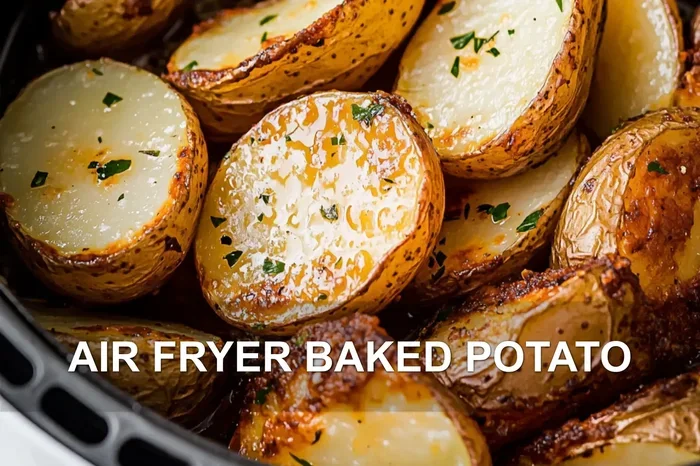
Visual guide about air fryer baked potatoes
Image source: cookzya.com
Wash and Dry Thoroughly
Scrub each potato under running water. Pat dry with a clean kitchen towel — any surface water creates steam, which softens the skin.
Pierce the Skin
Use a fork to poke 6‑8 holes around each potato. This lets steam escape, preventing the potato from bursting and allowing the hot air to penetrate evenly.
Oil and Salt Rub
Brush each potato with a thin layer of neutral oil (canola, avocado, or light olive oil). Sprinkle generously with coarse sea salt. The salt draws out a tiny amount of surface moisture, which then evaporates, leaving a crunchy crust.
Optional Flavor Boosters
- Garlic powder – ¼ teaspoon per potato for a subtle savory note.
- Smoked paprika – adds a hint of campfire aroma.
- Dried herbs – rosemary or thyme work well; sprinkle after oiling.
Step‑by‑Step Air Fryer Method
Below is the exact workflow that yields restaurant‑quality baked potatoes every single time.
1. Pre‑heat the Air Fryer
Set the appliance to 400 °F (200 °C) and run it empty for 5 minutes. Pre‑heating mimics the “oven‑ready” environment and eliminates the cold‑start lag.
2. Arrange Potatoes in a Single Layer
Place the prepared potatoes in the basket, leaving at least ½ inch of space between each. Overcrowding blocks airflow and leads to uneven cooking.
3. Cook the First Phase
Air fry for 30 minutes. At the halfway mark (15 minutes), flip each potato using tongs. Flipping ensures both sides receive direct hot‑air exposure.
4. Check Doneness
Insert a thin metal skewer or instant‑read thermometer into the center. The internal temperature should read 210 °F (99 °C). If the skewer slides in with zero resistance, the potato is done.
5. Optional Crisp‑Boost
For extra crunch, increase temperature to 425 °F (220 °C) and cook an additional 3‑5 minutes. Watch closely — skin can go from golden to burnt quickly.
6. Rest Before Serving
Remove potatoes and let them rest on a wire rack for 5 minutes. Resting allows steam to redistribute, keeping the interior fluffy rather than gummy.
Tips for Perfect Crisp Skin and Fluffy Interior
Even with the right method, a few nuances separate “good” from “great.”
Use a Wire Rack Inside the Basket
Elevating the potatoes lets air circulate underneath, preventing a soggy bottom. If your air fryer didn’t include a rack, a small silicone trivet works.
Don’t Skip the Salt
Salt is not just for flavor; it creates micro‑crystals on the skin that draw out moisture, accelerating crisping. Think of it like seasoning a steak before searing.
Reheat Without Losing Texture
Leftover baked potatoes reheat beautifully at 350 °F (175 °C) for 8‑10 minutes. The skin re‑crisps while the interior stays moist.
Batch Cooking for Meal Prep
Cook up to four medium potatoes at once (depending on basket size). Store cooled potatoes in an airtight container in the fridge for up to 4 days. Reheat as needed.
Analogy: The Air Fryer Is a Mini‑Convection Oven
Imagine a hair dryer blowing hot air over a wet towel — the towel dries fast and gets crisp at the edges. The air fryer does the same thing to a potato, but with precise temperature control.
Common Mistakes and How to Fix Them
Even seasoned cooks stumble. Here are the top five errors and quick fixes.
Mistake 1: Skipping the Pre‑heat
Fix: Always pre‑heat 5 minutes. Without it, the first 10 minutes are essentially “warm‑up” time, extending total cook time and softening skin.
Mistake 2: Overcrowding the Basket
Fix: Cook in batches if needed. A single layer guarantees each potato gets 360° airflow.
Mistake 3: Using Too Much Oil
Fix: A light brush (½ teaspoon) is enough. Excess oil pools, creating soggy patches instead of crispness.
Mistake 4: Not Piercing the Skin
Fix: Fork holes let steam escape. Unpierced potatoes can explode, making a mess and ruining texture.
Mistake 5: Cutting Into the Potato Too Early
Fix: Rest 5 minutes. Cutting immediately releases steam, turning fluffy interior into dense paste.
Creative Toppings and Serving Ideas
A baked potato is a blank canvas. Below are crowd‑pleasing combos that go beyond butter and sour cream.
Classic Loaded
Shredded cheddar, crisp bacon bits, chopped chives, and a dollop of sour cream. Add a splash of hot sauce for heat.
Mediterranean Twist
Crumble feta, Kalamata olives, diced cucumber, cherry tomatoes, and a drizzle of tzatziki.
Vegan Power Bowl
Black beans, corn, avocado slices, cilantro‑lime crema (blended cashews, lime, water), and a sprinkle of nutritional yeast.
Breakfast Potato
Scrambled eggs, smoked salmon, capers, and a smear of cream cheese. Perfect for a hearty brunch.
Sweet‑Savory Fusion
Maple‑glazed bacon, goat cheese, and a dusting of cinnamon. The sweet‑salty contrast surprises the palate.
Leftover Makeover
Chop cold baked potato, toss with olive oil, rosemary, and garlic, then air fry 5 minutes for instant “potato croutons” on salads or soups.
Conclusion
So, can you make baked potatoes in an air fryer? Absolutely. The appliance delivers faster cook times, crunchier skins, and a fluffier center with far less energy than a full‑size oven. By selecting the right potato, pre‑heating, seasoning lightly, and respecting airflow, you’ll achieve consistent, restaurant‑quality results every time. Experiment with toppings, batch‑cook for meal prep, and enjoy the convenience of a comfort‑food staple that’s ready in under an hour. Happy air frying!
Frequently Asked Questions
Can you make baked potatoes in an air fryer without oil?
Yes, you can skip oil entirely, but the skin will be less crisp. A light brush of oil (about ½ teaspoon) dramatically improves texture without adding many calories.
What temperature should I set my air fryer for baked potatoes?
Set the air fryer to 400 °F (200 °C). This temperature balances rapid skin crisping with thorough interior cooking.
How long does it take to bake a potato in an air fryer?
A medium 8‑ounce russet typically needs 35‑45 minutes at 400 °F, flipping halfway through. Larger potatoes may require an extra 5‑10 minutes.
Do I need to pre‑heat the air fryer before baking potatoes?
Pre‑heating for 5 minutes is highly recommended. It ensures the hot‑air environment is stable from the start, giving even cooking and better skin crispness.
Can I cook multiple potatoes at once in an air fryer?
Yes, as long as they fit in a single layer with space between each. Overcrowding blocks airflow and leads to uneven results.
How do I reheat a baked potato in an air fryer?
Reheat at 350 °F (175 °C) for 8‑10 minutes. The skin re‑crisps while the interior stays moist and fluffy.