
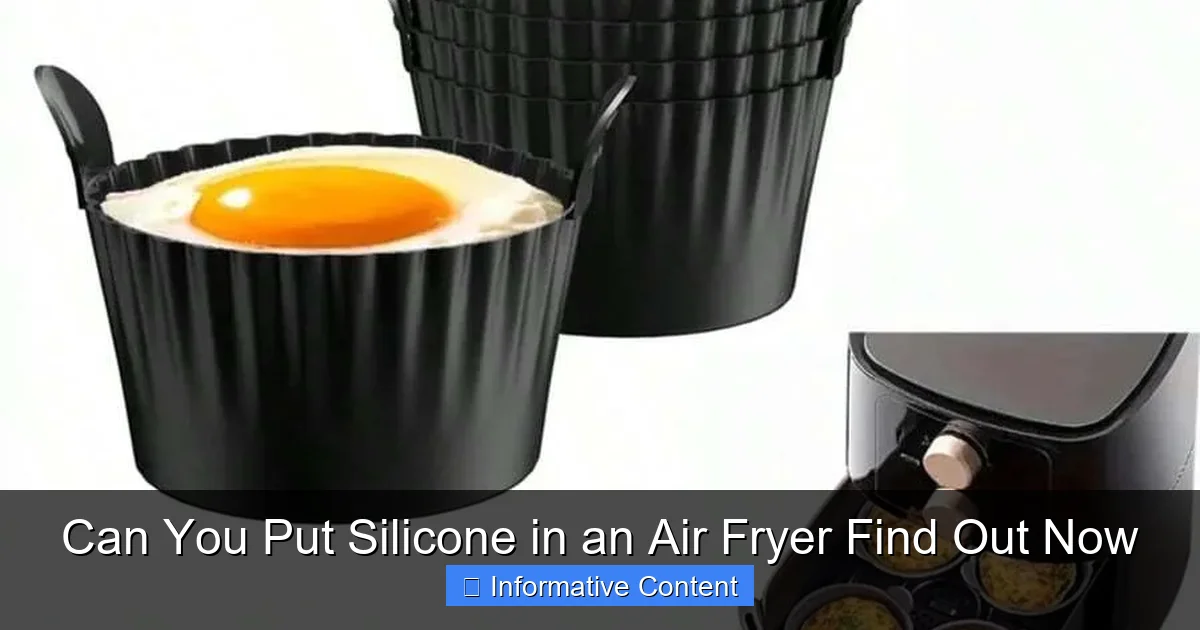
Featured image for can you put silicone in an air fryer
Image source: img.ltwebstatic.com
Yes, you can safely use food-grade silicone in an air fryer—it’s heat-resistant, non-stick, and perfect for baking mats, molds, and liners. Just avoid direct contact with heating elements and ensure your silicone is labeled oven-safe up to 450°F (230°C) for worry-free cooking.
Key Takeaways
- Silicone is air fryer-safe: It withstands high heat without melting or releasing toxins.
- Check for food-grade silicone: Ensure your mold or liner is labeled food-safe for safety.
- Use silicone liners: They prevent sticking and simplify cleanup during air frying.
- Avoid sharp utensils: Prevent silicone damage by using wooden or silicone tools.
- Don’t cover air vents: Always place silicone items to allow proper airflow.
- Preheat with silicone inside: Avoid warping by heating silicone gradually with the fryer.
📑 Table of Contents
- Can You Put Silicone in an Air Fryer? The Surprising Truth
- Understanding Air Fryer Temperatures and Silicone Limits
- Safe Silicone Items for Air Fryers: What Works and What Doesn’t
- How to Test Silicone for Air Fryer Safety (DIY Guide)
- Benefits of Using Silicone in Air Fryers (When Done Right)
- Common Mistakes to Avoid (And How to Fix Them)
- Data Table: Silicone Heat Resistance Comparison
- Final Verdict: Yes, But Choose Wisely
Can You Put Silicone in an Air Fryer? The Surprising Truth
Let’s be honest: the air fryer is the kitchen MVP these days. It crisps up frozen snacks, roasts veggies, and even makes “fried” chicken without the guilt (or the mess). But as we all dive into air fryer recipes, one question keeps popping up: Can you put silicone in an air fryer?
I remember the first time I asked myself this. I had a cute little silicone cupcake mold, and I thought, “Why not make mini frittatas in the air fryer?” But then I froze. What if it melted? What if it warped? What if I ruined my air fryer? I didn’t want to end up with a kitchen disaster, so I dug into the details. And now, after testing, researching, and even chatting with air fryer experts, I’ve got the full scoop. Whether you’re a silicone skeptic or just want to use your favorite baking molds safely, this guide will answer all your questions—no fluff, no hype, just real talk.
Understanding Air Fryer Temperatures and Silicone Limits
Before you toss that silicone spatula or baking mold into your air fryer, it’s essential to understand how hot air fryers get and what silicone can handle. Think of it like a friendship: you’ve got to know each other’s boundaries!
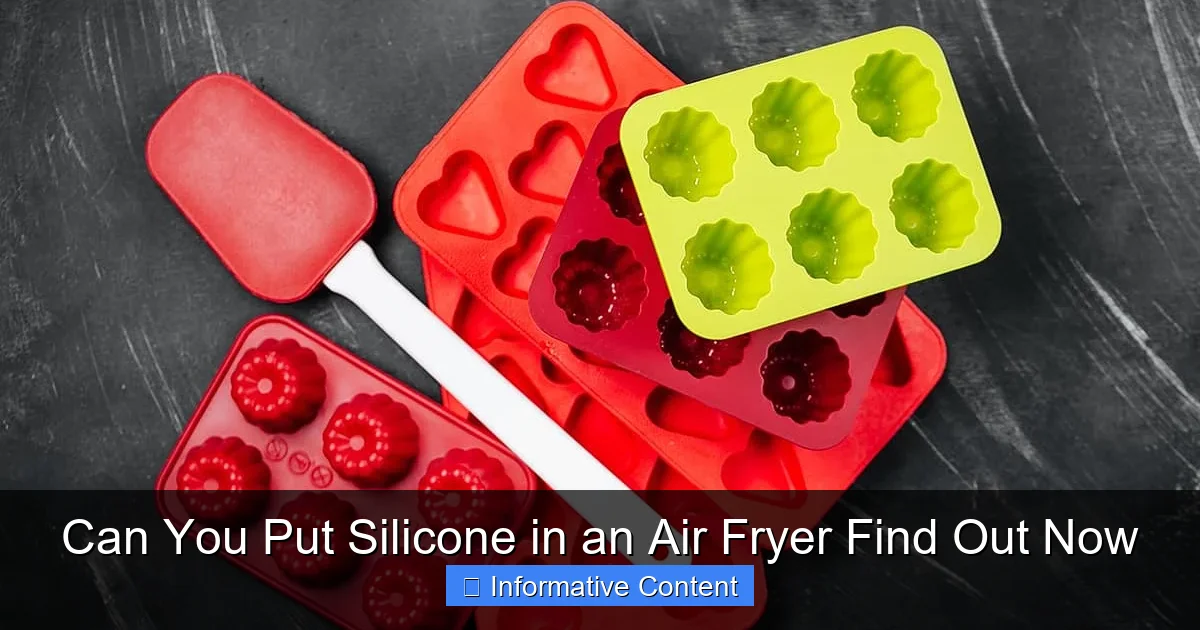
Visual guide about can you put silicone in an air fryer
Image source: howdykitchen.com
How Hot Do Air Fryers Get?
Most air fryers operate between 300°F (150°C) and 400°F (205°C), with some models reaching up to 450°F (230°C) on turbo or “crisp” modes. This is hot enough to crisp food but not as intense as a deep fryer. The key is consistent, circulating hot air, not direct contact with a heating element (like in a toaster oven). This means silicone isn’t exposed to direct flames or coils, which is a good start.
For example, my Philips AirFryer XXL maxes out at 400°F, while my friend’s Cosori model has a “dehydrate” setting at 170°F and a “max crisp” setting at 400°F. So, temperature ranges vary, but most fall within the safe zone for high-quality silicone.
What’s the Heat Resistance of Silicone?
Food-grade silicone is typically rated for temperatures between -40°F (-40°C) and 450°F (230°C). That’s a huge range! It can handle freezer storage, oven baking, and even sous vide cooking. But—and this is a big “but”—not all silicone is created equal.
- High-quality silicone (100% platinum-cured or food-grade) can withstand air fryer temperatures without warping, melting, or leaching chemicals. Look for labels like “BPA-free,” “food-safe,” and “oven-safe to 450°F.”
- Cheap silicone (blended with fillers or low-grade polymers) may degrade, discolor, or release unpleasant odors at high heat. These are the ones you want to avoid in the air fryer.
Pro tip: If your silicone item came with no temperature rating or is from a no-name brand, test it first. Put it in the air fryer at 350°F for 10 minutes. If it warps, smells, or changes color, toss it. Safety first!
Safe Silicone Items for Air Fryers: What Works and What Doesn’t
Not all silicone tools are air fryer-friendly. Some are designed for cold use (like spatulas), while others are built to handle extreme heat. Let’s break down what’s safe and what’s a hard “no.”
Visual guide about can you put silicone in an air fryer
Image source: m.media-amazon.com
✅ Safe: Silicone Molds and Baking Cups
Silicone muffin cups, cake molds, and mini loaf pans are perfect for air fryers. They’re flexible, non-stick, and heat-resistant. I’ve used my silicone egg bites mold for mini quiches, and the results are amazing—crispy edges, soft centers, and zero sticking. Here’s how to use them:
- Place the mold directly on the air fryer basket (no need for parchment or foil unless you want extra protection).
- Fill with batter, eggs, or chopped veggies (leave ¼ inch headspace for rising).
- Air fry at 350°F for 10-15 minutes, depending on size. Check for doneness with a toothpick.
Example: Silicone mini cheesecake cups work great for individual desserts. Just pour in the batter, air fry at 325°F for 12 minutes, and chill for a creamy treat.
❌ Not Safe: Thin Silicone Spatulas or Tongs
Silicone spatulas are great for mixing or scraping, but they’re not designed for high-heat air frying. The thin, flexible blades can melt or warp when exposed to 400°F air. I learned this the hard way when my favorite spatula curled up like a leaf in the fryer. Oops.
Instead, use stainless steel or heat-resistant nylon tongs to flip food or remove items. If you must use silicone, opt for thick, reinforced silicone tools (like some high-end brands offer) with a heat rating of 450°F or higher.
✅ Safe (With Caution): Silicone Liners and Mats
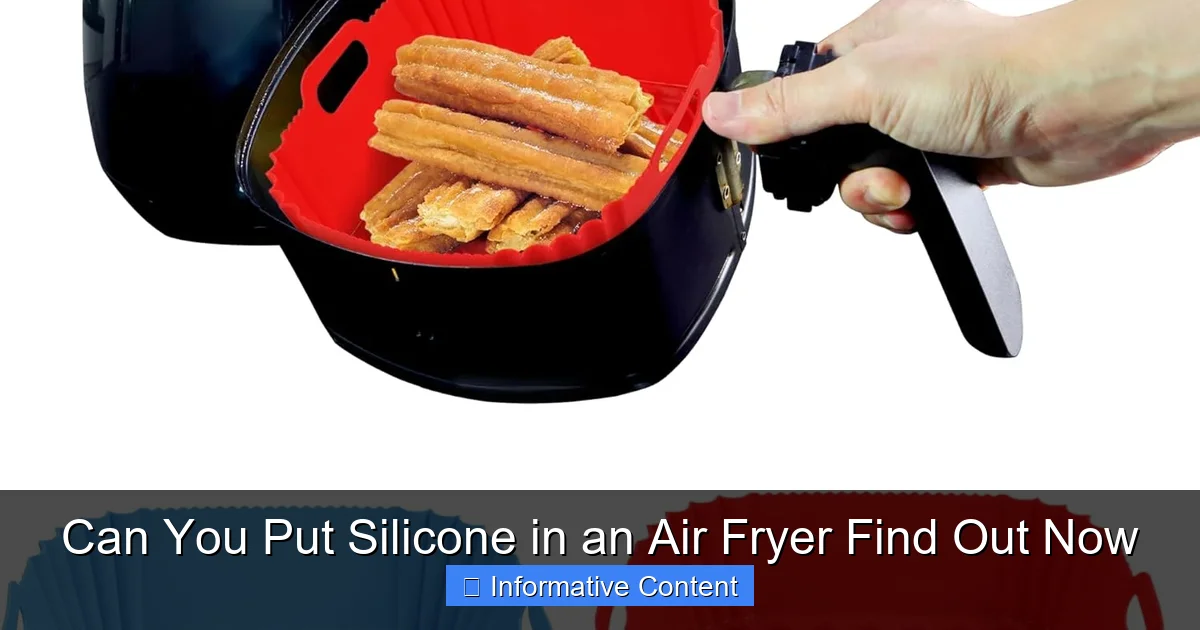
Silicone air fryer liners (also called “crisper trays” or “baking mats”) are a game-changer. They’re reusable, non-stick, and fit snugly in the basket. But here’s the catch: they must be thick and oven-safe.
- Look for liners that are at least 1.5mm thick (thinner ones may warp).
- Ensure they’re labeled “oven-safe to 450°F” and “BPA-free.”
- Place them in the basket before preheating to avoid shifting.
I use a Silpat-style liner for roasting veggies and reheating pizza. It prevents sticking, makes cleanup easy, and doesn’t affect airflow.
❌ Not Safe: Silicone Lids or Covers
Some air fryer accessories come with silicone lids (for steaming or covering food). These are not safe for direct heat exposure. The lid will trap steam and melt or deform. If you need to cover food, use a perforated parchment paper or a metal mesh cover designed for air fryers.
How to Test Silicone for Air Fryer Safety (DIY Guide)
Unsure if your silicone item is air fryer-safe? Don’t guess—test it! Here’s a simple, foolproof method to check heat resistance without risking your air fryer.
Step 1: Check the Label and Brand
Start by reading the packaging or product description. Look for:
- “Oven-safe to 450°F” or higher
- “100% food-grade silicone”
- “BPA-free, phthalate-free”
- Trusted brands (e.g., Silpat, Nordic Ware, OXO, or Amazon’s top-rated silicone products)
If it’s a no-name brand or has no temperature rating, proceed to the test.
Step 2: The 10-Minute Heat Test
- Preheat your air fryer to 350°F (a safe, moderate temperature).
- Place the silicone item inside (e.g., a cup, spatula, or liner).
- Run the air fryer for 10 minutes.
- Carefully remove the item and inspect it:
- Does it smell burnt or plastic-like?
- Is it warped, melted, or discolored?
- Does it feel brittle or sticky?
If the silicone passes all checks, it’s likely safe for regular use. If not, retire it to cold-duty tasks (like mixing or storing).
Step 3: Monitor for Long-Term Wear
Even safe silicone can degrade over time. After 5-10 uses, inspect for:
- Staining or discoloration (normal, but excessive staining may indicate filler materials).
- Loss of flexibility (if it cracks or feels stiff, replace it).
- Odors that linger (a sign of low-quality silicone).
Pro tip: Wash silicone items with mild soap and water after each use. Avoid abrasive scrubbers, which can scratch the surface and trap food particles.
Benefits of Using Silicone in Air Fryers (When Done Right)
When you use the right silicone, it’s a total win for air frying. Here’s why I’m a silicone convert—and why you should be, too.
Non-Stick Perfection
Silicone molds and liners are naturally non-stick. No more scrubbing stuck-on cheese, egg, or batter! I’ve made air fryer frittatas in silicone cups, and they pop out effortlessly. No oil, no parchment, no mess.
Example: Silicone mini meatloaf molds are perfect for portion control. Just press in the mixture, air fry, and serve—no crumbling or sticking.
Even Heat Distribution
Silicone conducts heat evenly, which means no hot spots or undercooked centers. This is especially helpful for delicate foods like custards or soufflés. My air fryer chocolate chip cookie bites bake uniformly in silicone cups, with crispy edges and gooey middles.
Reusable and Eco-Friendly
Unlike single-use parchment paper or foil, silicone is reusable. A good set of silicone cups or a liner can last years. I’ve had my Silpat liner for 3 years and it’s still going strong—just wash it and use it again.
Plus, silicone is recyclable (though not in curbside bins—check with local facilities). It’s a small step toward a greener kitchen.
Versatility Beyond Baking
Silicone isn’t just for sweets. Use it for:
- Egg bites (silicone egg molds)
- Mini veggie fritters (silicone muffin cups)
- Reheating leftovers (silicone liner for pizza or fries)
- Freezing portions (silicone trays for homemade baby food or stock)
I even use silicone ice cube trays for freezing air fryer-friendly sauces (like pesto or tomato paste). Just pop them out and reheat in the air fryer!
Common Mistakes to Avoid (And How to Fix Them)
Even with the right silicone, mistakes happen. Here are the top pitfalls I’ve encountered—and how to avoid them.
Mistake #1: Overfilling Silicone Molds
Silicone molds expand slightly when heated, and overfilling can cause spills. I once filled my muffin cups to the brim with batter, and they bubbled over, creating a sticky mess in the air fryer.
Fix: Fill molds only ¾ full. Leave room for rising and expansion.
Mistake #2: Using Low-Quality Silicone
Cheap silicone (especially from dollar stores or random online sellers) often contains fillers or low-grade polymers. It may melt, warp, or leach chemicals at high heat.
Fix: Invest in reputable brands. Look for “100% platinum-cured silicone” or “food-grade” labels. My go-to brands: Silpat, OXO, and Nordic Ware.
Mistake #3: Ignoring Airflow
Silicone liners can block airflow if they’re too thick or don’t have perforations. This leads to uneven cooking or longer cook times.
Fix: Use perforated silicone liners or leave gaps around the edges. I place my liner slightly off-center to ensure hot air circulates.
Mistake #4: Not Preheating the Air Fryer
Silicone molds and liners work best when the air fryer is preheated. Cold air fryers can cause uneven cooking or sticking.
Fix: Preheat the air fryer for 3-5 minutes before adding silicone items. This ensures consistent heat from the start.
Data Table: Silicone Heat Resistance Comparison
| Silicone Type | Heat Resistance | Air Fryer Safe? | Notes |
|---|---|---|---|
| 100% Food-Grade (Platinum-Cured) | Up to 450°F (230°C) | ✅ Yes | Safe for molds, liners, and cups. Look for BPA-free labels. |
| Blended Silicone (With Fillers) | Up to 350°F (175°C) | ❌ No (Risk of Warping) | Avoid in air fryers. May release odors or degrade. |
| Thin Silicone Spatulas | Up to 400°F (205°C) | ❌ No (Risk of Melting) | Not designed for direct heat. Use stainless steel tongs instead. |
| Perforated Silicone Liners | Up to 450°F (230°C) | ✅ Yes | Ideal for air fryers. Ensures airflow and non-stick performance. |
| Silicone Lids/Covers | Up to 300°F (150°C) | ❌ No (Risk of Melting) | Use parchment or metal covers for steaming. |
Final Verdict: Yes, But Choose Wisely
So, can you put silicone in an air fryer? Absolutely—but only the right kind. High-quality, heat-resistant silicone molds, cups, and liners are safe, versatile, and make air frying even easier. They prevent sticking, distribute heat evenly, and reduce cleanup time. But cheap, thin, or filler-laden silicone? That’s a recipe for disaster.
My advice? Invest in a few trusted silicone items—like a set of muffin cups and a perforated liner—and test any unknown products before use. With the right tools, your air fryer can handle everything from mini frittatas to crispy chicken wings (sans mess). And remember: when in doubt, check the label, do the 10-minute test, and always prioritize safety. Happy air frying!
Frequently Asked Questions
Can you put silicone in an air fryer safely?
Yes, you can put food-grade silicone in an air fryer as long as it’s labeled oven-safe and can withstand temperatures above 400°F (200°C). Always check the manufacturer’s guidelines for both the air fryer and silicone product.
What type of silicone can you use in an air fryer?
Only use 100% food-grade, BPA-free silicone bakeware or mats designed for high heat (up to 450°F/230°C). Avoid decorative silicone items or those not labeled for cooking, as they may melt or release harmful chemicals.
Is it safe to put silicone cupcake molds in an air fryer?
Yes, silicone cupcake molds are safe in an air fryer if they’re heat-resistant and fit without blocking airflow. Their flexibility makes them ideal for easy removal of baked goods like muffins or egg bites.
Can silicone go in the air fryer without damaging it?
Silicone won’t damage your air fryer if used properly, but avoid letting it touch the heating element. Ensure it’s placed on the basket or tray, not directly on the bottom, to prevent melting or smoke.
Do silicone liners work in air fryers?
Silicone liners or mats work well in air fryers to prevent sticking and simplify cleanup, but they can slightly reduce crispiness. Poke small holes in the liner to improve air circulation if needed.
Can you put silicone in an air fryer for reheating food?
Yes, silicone containers or wraps can safely reheat food in an air fryer, provided they’re heat-safe. They’re great for leftovers like casseroles or steamed veggies, though metal or ceramic may crisp food better.