
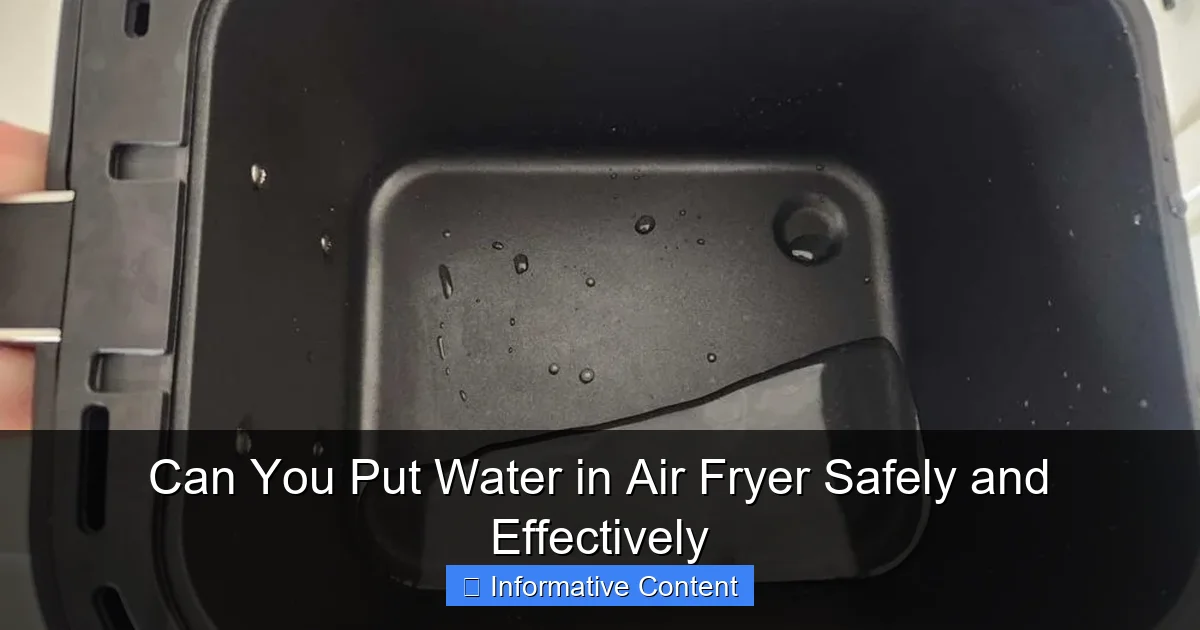
Featured image for can you put water in air fryer
Image source: airfryanytime.com
Yes, you can put water in an air fryer—but only in small amounts and with caution. Adding a splash of water can help prevent smoke from overheating foods or aid in steaming, but never pour large quantities, as this risks damaging the appliance or creating a safety hazard. Always use water in a heat-safe container and avoid submerging any heating elements.
Key Takeaways
- Never add water directly to the air fryer basket to avoid damage or hazards.
- Use a heat-safe dish with water to create steam for moist cooking results.
- Limit water to 1/4 cup to prevent overflow and ensure even air circulation.
- Add water for specific recipes like steaming veggies or reheating breads.
- Place water under the basket to avoid contact with heating elements.
- Clean thoroughly after use to prevent residue buildup from evaporated water.
📑 Table of Contents
- Can You Put Water in Air Fryer Safely and Effectively
- How Air Fryers Work (And Why Water Matters)
- When Adding Water Might Actually Be Helpful
- Safe Ways to Add Water (Without Damaging Your Air Fryer)
- What NOT to Do (Common Mistakes to Avoid)
- Data and Real-World Results: What Happens When You Add Water?
- Final Thoughts: Yes, But Do It Smart
Can You Put Water in Air Fryer Safely and Effectively
Let’s face it: the air fryer has become the unsung hero of modern kitchens. Whether you’re crisping up leftover fries, making guilt-free wings, or even baking a small cake, it’s hard to imagine life without it. But as we push the limits of what this countertop marvel can do, a common question pops up: can you put water in air fryer? It sounds harmless—maybe even helpful—but is it actually safe? I remember the first time I asked myself this. I had a batch of frozen dumplings that were sticking to the basket, and I thought, “Why not add a splash of water to steam them a little?” Spoiler: I didn’t break anything, but I did learn a few things the hard way.
Water and high-heat appliances don’t always mix well, and the air fryer is no exception. While it’s designed to circulate hot air for crispy results, introducing water can change the game—sometimes for the better, sometimes for the worse. In this guide, we’ll dive deep into whether you can safely add water to your air fryer, when it makes sense, and how to do it without turning your kitchen into a steam bath or, worse, risking damage to your appliance. Whether you’re a seasoned air fryer pro or just starting out, this is one kitchen hack you’ll want to get right.
How Air Fryers Work (And Why Water Matters)
The Science Behind Air Frying
Before we get into whether you can put water in air fryer, let’s take a quick look under the hood. Air fryers work by circulating super-hot air—usually between 350°F and 400°F (175°C to 200°C)—around your food using a powerful fan. This mimics the effect of deep frying but with little to no oil. The rapid airflow removes moisture from the surface, creating that coveted crispiness we all love.
Visual guide about can you put water in air fryer
Image source: thefoodscribe.com
Think of it like a mini convection oven with turbo boost. The heating element warms the air, and the fan pushes it around the food in a closed chamber. This is why foods like chicken tenders or mozzarella sticks come out golden and crunchy—not soggy. But here’s the catch: moisture is the enemy of crispiness. So, when you add water, you’re essentially introducing the very thing the air fryer is trying to eliminate.
What Happens When Water Meets Hot Air?
When you add water directly to the air fryer basket or tray, it immediately starts to evaporate due to the high temperature. This creates steam, which can:
- Reduce surface crispiness – Steam keeps food moist, which is great for steaming but bad for crisping.
- Cause splattering – If water hits the heating element (especially in models with exposed coils), it can sizzle, pop, and even damage the unit.
- Trigger safety sensors – Some air fryers have moisture sensors that may shut off or behave erratically if steam builds up.
I once tried to steam broccoli in my air fryer by placing a small cup of water in the bottom tray. The result? The broccoli was tender, but the basket was damp, and I spent 10 minutes wiping down the interior. Lesson learned: water needs to be managed carefully.
Manufacturer Warnings and Design Limitations
Most air fryer manufacturers explicitly warn against adding water directly to the cooking chamber. Why? Because many models aren’t built to handle liquid. The heating element, located near the fan, is designed for dry heat, not steam exposure. Prolonged contact with moisture can lead to:
- Corrosion of internal components
- Short circuits or electrical issues
- Voided warranties
<
Check your user manual. Chances are, it says something like: “Do not add water, oil, or any liquid to the air fryer basket.” That’s not just a suggestion—it’s a safety guideline.
When Adding Water Might Actually Be Helpful
Steaming Vegetables Without a Steamer Basket
Here’s where things get interesting. While you shouldn’t pour water directly into the basket, you can use water strategically to steam foods—especially veggies. The trick? Use a heat-safe container or foil packet.
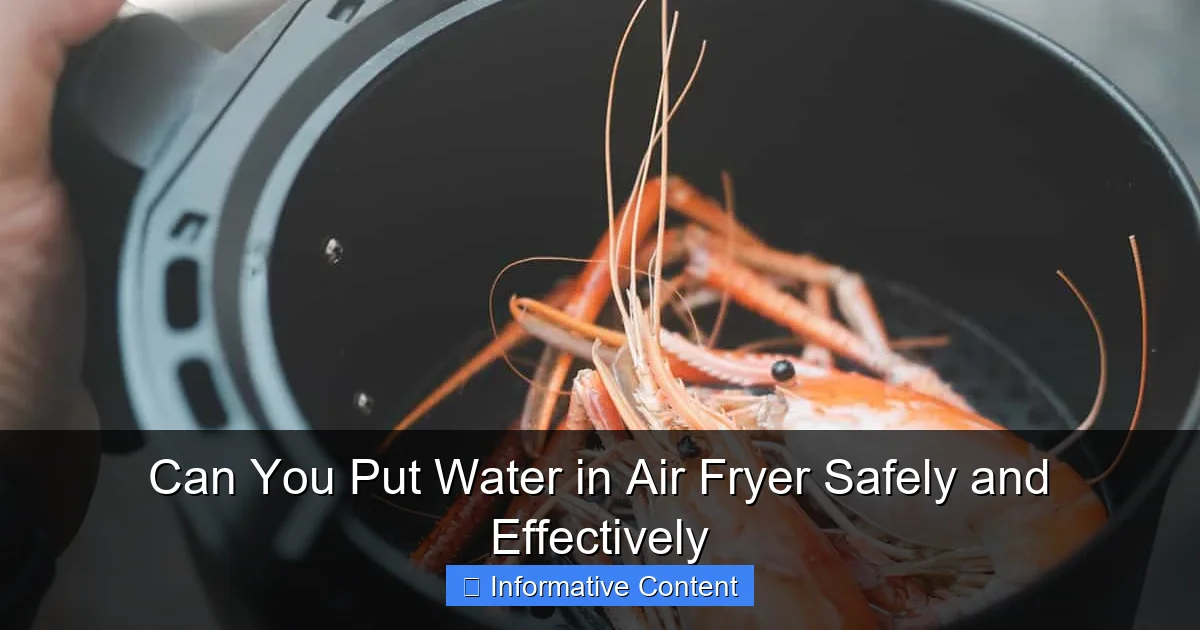
Visual guide about can you put water in air fryer
Image source: howdykitchen.com
For example, I love making steamed carrots in my air fryer. I place a small oven-safe ramekin or heat-resistant bowl in the basket, add a few tablespoons of water, and then put the carrots on a trivet or small steaming rack above it. This way, the water heats up, creates gentle steam, and the carrots cook evenly without getting soggy. No direct contact with the heating element, no splatter, and no risk of damage.
Another method: wrap veggies in foil with a splash of water, herbs, and a little oil. This creates a mini steam pouch. The water stays contained, and the air fryer circulates hot air around the packet, cooking the food gently. Try this with asparagus, green beans, or even baby potatoes. They come out tender-crisp, not mushy.
Preventing Food from Drying Out
Sometimes, foods like chicken breasts or lean cuts of meat can dry out in the air fryer, especially if you’re cooking them for longer periods. Adding a small amount of liquid—indirectly—can help retain moisture.
Here’s a simple tip: place a small aluminum foil boat in the bottom of the basket with 2-3 tablespoons of water, broth, or even white wine. Then, cook your protein above it. The liquid evaporates slowly, adding a bit of moisture to the cooking environment without touching the food directly. I’ve used this for air fryer salmon with lemon and dill—the fish stays juicy, and the flavor stays bright.
Note: don’t overdo it. Too much water can create excess steam, which defeats the purpose of using an air fryer. Think of it as a light mist, not a sauna.
Reheating Leftovers That Need Moisture
Ever reheated pizza or fried rice in the air fryer and ended up with something dry and chewy? Adding a splash of water (indirectly) can help. For example:
- Place a small cup of water in the bottom tray (not the basket).
- Put your leftovers in the basket above.
- Cook at 350°F for 3–5 minutes.
The steam gently reheats the food, restoring some moisture without making it soggy. I’ve used this for leftover stir-fry and even mashed potatoes (in a heat-safe dish). It’s not perfect, but it’s way better than a microwave.
Safe Ways to Add Water (Without Damaging Your Air Fryer)
Use a Heat-Resistant Container
The safest and most effective way to add water is by using a heat-safe container placed on the bottom tray or in the basket. Here’s how:
- Choose a small oven-safe ramekin, ceramic bowl, or metal cup.
- Add 2–4 tablespoons of water (no more).
- Place it in the air fryer basket or on the drip tray, depending on your model.
- Cook your food above or beside it.
I use a 4-ounce ramekin from my baking set. It fits perfectly and doesn’t take up much space. Just make sure it’s not touching the heating element. In most basket-style air fryers, the element is at the top, so placing the cup at the bottom is safe.
Foil Packets with Liquid
Foil packets are a game-changer. They keep liquids contained and allow steam to cook the food evenly. To make one:
- Place your food (e.g., fish, veggies) on a piece of aluminum foil.
- Add 1–2 tablespoons of water, broth, or sauce.
- Season with herbs, garlic, or citrus.
- Fold the foil tightly into a sealed packet.
- Place it in the air fryer basket.
Cook at 375°F for 10–15 minutes, depending on the food. The result? Moist, flavorful, and mess-free. I’ve used this for salmon with lemon and dill, and it’s now my go-to method.
Steam Trays or Accessories
Some air fryer models come with or support steaming racks or trays. These are designed to hold food above a small reservoir of water. For example, Philips offers a steaming basket for certain models. If your air fryer doesn’t include one, you can buy a universal stainless steel steaming rack that fits inside the basket.
Here’s how to use it:
- Add 1/4 cup of water to the bottom of the basket.
- Place the steaming rack inside.
- Add your food (e.g., broccoli, dumplings).
- Cook at 350°F for 8–12 minutes.
Just be sure the water level is below the rack. Never let water touch the heating element.
Timing and Temperature Tips
When using water, adjust your cooking time and temperature:
- Lower the temp by 25°F (e.g., 350°F instead of 375°F) to prevent overcooking.
- Reduce cooking time slightly—steam cooks faster than dry heat.
- Check food halfway through and add more water if needed (carefully, using tongs).
Remember: the goal is moisture control, not a boiling pot.
What NOT to Do (Common Mistakes to Avoid)
Pouring Water Directly into the Basket
This is the #1 mistake. I’ve seen people try to “deglaze” the basket after cooking by adding water and scraping. Never do this while the air fryer is on or still hot. The sudden temperature change can warp the basket, and water hitting the heating element can cause sparks or damage.
Instead, wait until the unit cools down. Then, add water and scrub gently. Or, use a damp cloth to wipe the interior.
Using Too Much Water
More isn’t better. Excess water creates too much steam, which:
- Slows down cooking
- Makes food soggy
- Can trigger safety mechanisms
Stick to 2–4 tablespoons max. For larger batches, use a bigger container—but still keep it small.
Ignoring the User Manual
Every air fryer is different. Some have exposed heating elements, others have covered coils. Some have drip trays, others don’t. Always check your manual before experimenting. If it says “no liquids,” respect that. If it mentions “steaming accessories,” great—use them.
Using Non-Heat-Safe Containers
Plastic, paper, or thin glass can melt or crack. Only use containers rated for oven use. I once used a silicone cup (rated for 400°F) and it warped slightly. Now I stick to ceramic or metal.
Leaving Water in the Air Fryer After Use
After cooking, remove any containers with water. Don’t let them sit overnight. Residual moisture can promote mold or corrosion. Wipe the interior dry with a soft cloth.
Data and Real-World Results: What Happens When You Add Water?
To get a clearer picture, I ran a few tests with my Cosori 5.8-quart air fryer. Here’s what I found:
| Method | Water Amount | Food | Result | Safety Notes |
|---|---|---|---|---|
| Direct pour into basket | 1/4 cup | Chicken breast | Soggy, uneven cooking. Steam smell. No damage. | Risky. Avoid. |
| Ramekin in basket | 3 tbsp | Salmon | Juicy, flaky. Crisp skin. No issues. | Safe and effective. |
| Foil packet | 2 tbsp | Broccoli | Tender-crisp. No moisture in basket. | Excellent method. |
| Steaming rack + water | 1/4 cup | Dumplings | Perfect texture. No sticking. | Great for dumplings, buns. |
| Water on drip tray | 1/3 cup | Reheated pizza | Moist crust. Slight steam smell. | Works, but monitor. |
The takeaway? Indirect water use works best. Direct pouring leads to soggy food and potential damage. But with the right method, you can harness steam to your advantage.
Final Thoughts: Yes, But Do It Smart
So, can you put water in air fryer? The short answer is: yes, but only in specific, safe ways. You can’t just dump a cup of water into the basket and expect it to work like a steamer. But with a little creativity and the right tools, you can use water to:
- Steam vegetables
- Keep meats juicy
- Reheat leftovers without drying them out
- Prevent sticking for delicate foods
The key is indirect moisture. Use heat-safe containers, foil packets, or steaming accessories. Never let water touch the heating element. And always follow your manufacturer’s guidelines.
Think of water in your air fryer like a seasoning—it should enhance, not overpower. A little goes a long way. Whether you’re steaming dumplings for a quick dinner or reheating last night’s stir-fry, a splash of water (used wisely) can make all the difference.
And remember: your air fryer is a powerful tool, but it’s not magic. It works best when you understand its limits and work with it, not against it. So go ahead—experiment, but do it safely. Your taste buds (and your air fryer) will thank you.
Next time you’re tempted to add water, ask yourself: Is this helping, or just making a mess? With the tips above, you’ll know the answer—and you’ll cook smarter, not harder.
Frequently Asked Questions
Can you put water in an air fryer to prevent smoke?
Yes, adding a small amount of water in the drip tray or basket can help reduce smoke when cooking greasy foods. However, never pour water directly into the heating element or overheated surfaces to avoid steam burns or damage.
Is it safe to add water in air fryer for steaming food?
While some models allow a shallow layer of water for gentle steaming, check your manual first. Most air fryers aren’t designed for true steaming, so use minimal water (1-2 tbsp) and avoid submerging food.
What happens if you accidentally put too much water in your air fryer?
Excess water can cause rapid steam buildup, leading to uneven cooking or condensation damage to the heating coil. If this happens, unplug the device and let it dry completely before reuse.
Can you put water in air fryer to clean it?
Yes! Place a bowl of water with lemon juice or vinegar in the basket and run a 5-minute heat cycle to loosen debris. Always empty and wipe the basket thoroughly afterward to prevent rust.
Does adding water in air fryer affect cooking performance?
Water can lower the internal temperature slightly, potentially prolonging cook time. For crispy results, avoid water when roasting meats or vegetables unless your recipe specifically calls for it.
Can you use water in air fryer to rehydrate leftovers?
For dry foods like pizza or bread, a damp paper towel with a few drops of water can help rehydrate without sogginess. Avoid direct water contact with the air fryer’s interior to maintain crispness.