
Featured image for can you use wax paper in the air fryer
Image source: cookroomkitchen.com
No, you should never use wax paper in the air fryer—the high heat can melt the wax coating, creating a fire hazard and potentially damaging your appliance. Instead, opt for parchment paper or silicone baking mats, which are heat-resistant and designed for safe, non-stick cooking at air fryer temperatures.
Key Takeaways
- Never use wax paper: It can melt or catch fire in high heat.
- Choose parchment paper: Opt for air fryer-safe, non-stick parchment instead.
- Check heat resistance: Ensure paper is rated for 400°F+ before using.
- Secure food properly: Prevent paper from flying into heating elements.
- Cut to size: Trim paper to fit basket, avoiding overhang risks.
- Reuse when possible: Clean, reusable liners reduce waste and save money.
📑 Table of Contents
- Can You Use Wax Paper in the Air Fryer Safely
- Why Wax Paper and Air Fryers Don’t Mix
- Safe Alternatives to Wax Paper in the Air Fryer
- How to Choose the Right Liner for Your Air Fryer
- Common Mistakes to Avoid When Using Liners
- Tips for a Clean, Safe, and Efficient Air Fryer Experience
- Final Thoughts: Safety First, Convenience Second
Can You Use Wax Paper in the Air Fryer Safely
Let’s face it: air fryers have changed the game. They’re fast, convenient, and promise crispy, golden results with little to no oil. But as we dive deeper into the world of air frying, one question keeps popping up—especially when we’re trying to keep cleanup simple and avoid food sticking to the basket: *Can you use wax paper in the air fryer?*
You’re not alone if you’ve ever reached for a sheet of wax paper, hoping to line your air fryer basket like you do with a baking sheet. After all, it works great in the fridge, on countertops, and even in some oven applications. But here’s the truth: **wax paper and air fryers don’t mix well**. And while the idea seems harmless—maybe even smart—it’s actually a safety hazard waiting to happen. In this post, I’ll walk you through why wax paper is a no-go, what you *can* use instead, and how to get the same non-stick, mess-free results without risking a kitchen fire or ruined meal. Whether you’re a seasoned air fryer pro or just unboxing your first model, this is the guide you didn’t know you needed.
Why Wax Paper and Air Fryers Don’t Mix
The Science Behind Wax Paper
Wax paper is a kitchen staple. It’s coated with a thin layer of paraffin wax, which gives it that smooth, water-resistant finish we love for wrapping sandwiches, lining counters, or storing leftovers. The wax makes it non-stick and moisture-resistant—perfect for cold or room-temperature uses.
Visual guide about can you use wax paper in the air fryer
Image source: mybudgetrecipes.com
But here’s the catch: **wax melts at low temperatures**. Most paraffin wax begins to soften around 130°F (54°C) and fully melts between 140°F and 170°F (60°C–77°C). That might sound low, but remember—air fryers operate at much higher temperatures. Most recipes call for settings between 325°F and 400°F (163°C–204°C). At those temps, the wax doesn’t just melt—it can ignite.
Air Fryer Temperatures: Too Hot for Wax
Air fryers work by circulating hot air rapidly around food. This convection process is what creates that crispy, fried-like texture. But that same process means the air inside the basket can easily exceed 350°F (177°C) within minutes.
When you place a sheet of wax paper in the basket and crank up the heat, the wax coating starts to liquefy. As it heats, it can:
- Stick to the heating element
- Smoke and emit a chemical odor
- Flare up or catch fire due to direct contact with hot air or the heating coil
One user shared a story on a popular cooking forum: “I thought I was being clever—lining the basket with wax paper for easy cleanup. Five minutes in, I smelled something burning. By the time I opened the drawer, there was a small flame near the back. I shut it off fast, but the wax had already melted and fused to the basket. Took me two hours to clean.”
Real-Life Risks: Smoke, Fire, and Damage
Beyond the immediate fire risk, using wax paper in an air fryer can lead to long-term issues:
- Smoke and fumes: Melting wax releases volatile organic compounds (VOCs), which aren’t safe to inhale.
- Damaged basket: Once wax melts and cools, it hardens into a stubborn, sticky residue. Cleaning it off often requires soaking and scrubbing, which can damage non-stick coatings.
- False sense of safety: Because wax paper *looks* heat-resistant, many people assume it’s safe. But appearances can be deceiving.
Bottom line: **wax paper is not designed for high-heat cooking environments**. It’s meant for cold storage, prep, and light oven use (like covering a dish in the oven at low temps). But in an air fryer? It’s a recipe for disaster.
Safe Alternatives to Wax Paper in the Air Fryer
So if wax paper is off the table, what *can* you use? The good news is, there are several safe, effective, and easy-to-find alternatives that deliver the same non-stick, easy-clean benefits—without the fire hazard.
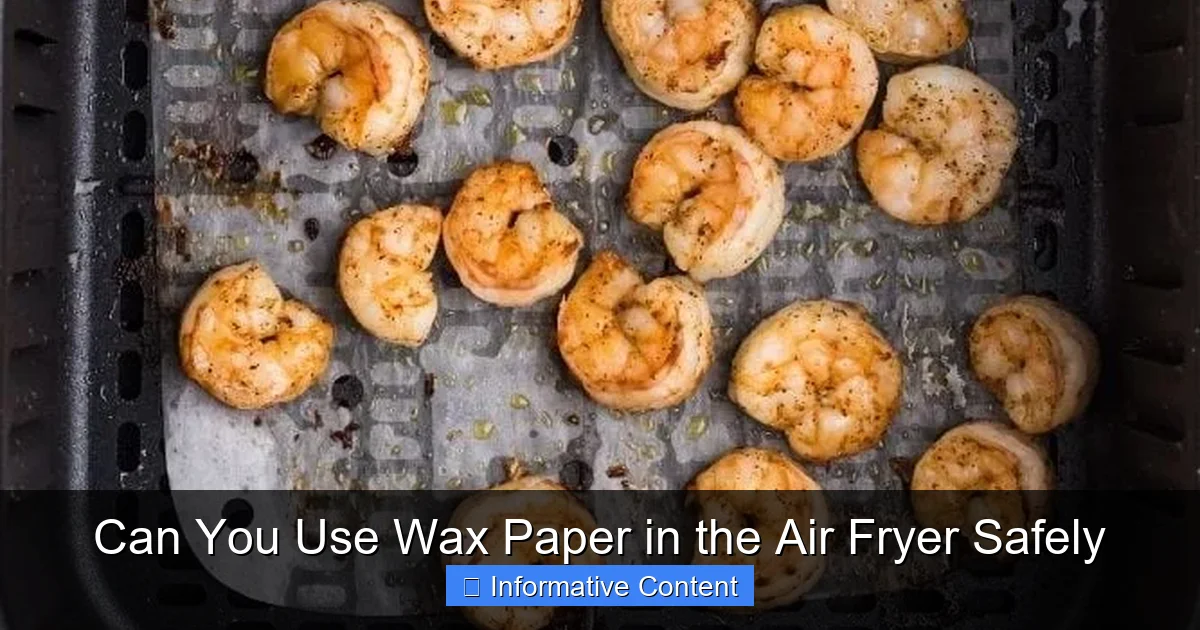
Visual guide about can you use wax paper in the air fryer
Image source: everydayfamilycooking.com
1. Parchment Paper (Yes, This Works!)
Parchment paper is the gold standard for high-heat cooking. Unlike wax paper, it’s coated with silicone, not paraffin wax. This makes it heat-resistant, non-stick, and safe for temperatures up to 425°F (218°C)—well within the range of most air fryers.
Here’s how to use it right:
- Cut a piece slightly smaller than your air fryer basket.
- Pre-cut a small hole in the center (about 1 inch) to allow airflow.
- Place it in the basket *before* adding food.
- Don’t let it hang over the edges—excess paper can blow into the heating element.
Pro tip: Some parchment paper brands are labeled “air fryer safe.” Look for those, or just stick with trusted brands like Reynolds or If You Care.
I use parchment paper for everything—crispy chicken wings, roasted veggies, even homemade mozzarella sticks. It keeps everything from sticking, and cleanup is a breeze. Just lift the paper out, toss it, and wipe the basket.
2. Silicone Air Fryer Liners (Reusable and Eco-Friendly)
If you’re tired of single-use paper, silicone liners are a game-changer. These are flexible, non-stick trays or mats made from food-grade silicone. They’re heat-resistant up to 450°F (232°C) and can be reused hundreds of times.
Benefits:
- No cutting or folding needed—just drop it in.
- Easy to clean (dishwasher safe).
- Reduces waste.
Drawbacks:
- Can block airflow if not designed for air fryers (look for ones with perforations).
- May retain odors over time (though this is rare).
I have a set of perforated silicone liners from a brand called “Air Fryer Essentials.” They’ve lasted over a year, and I use them at least twice a week. Just rinse and toss in the dishwasher. They’re worth the $15 investment.
3. Oil or Cooking Spray (The Old-School Method)
Sometimes, the simplest solution is the best. A light spritz of oil or non-stick cooking spray on the basket can prevent sticking without any liners at all.
Best oils for air frying:
- Avocado oil (high smoke point, neutral flavor)
- Grapeseed oil
- Refined coconut oil
- Spray versions of any of the above
How to use:
- Spray or brush a thin layer on the basket *before* adding food.
- Reapply lightly if cooking multiple batches.
Bonus: Oil helps food crisp up better. Just don’t overdo it—air fryers are meant to use less oil, not drown food in it.
4. Aluminum Foil (With Caution)
Yes, you *can* use aluminum foil in an air fryer—but with important caveats.
- Use only for foods that are heavy or won’t blow around (like a whole chicken or large fish).
- Don’t cover the entire basket—leave space for airflow.
- Never let foil touch the heating element.
- Don’t use for acidic foods (like tomatoes or citrus), as they can react with the metal.
Foil is great for trapping juices or protecting delicate parts (like fish skin), but it’s not a universal fix. And unlike parchment or silicone, it doesn’t prevent sticking—you’ll still need oil or spray.
How to Choose the Right Liner for Your Air Fryer
With so many options, how do you pick the best one? It depends on what you’re cooking, how often you use your air fryer, and your personal preferences.
Consider Your Cooking Style
- Frequent air fryer user? Go for reusable silicone liners. They save money over time and reduce waste.
- Cooking sticky or crumbly foods? Parchment paper is your best bet. It holds shape and prevents mess.
- Prefer minimal cleanup? Combine parchment or silicone with a light oil spray for maximum non-stick power.
- Cooking large or whole items? Aluminum foil can help, but use it sparingly and safely.
Match the Liner to the Food
Not all liners work for all foods. Here’s a quick guide:
| Food Type | Best Liner | Why |
|---|---|---|
| Chicken wings, nuggets, fries | Parchment paper | Prevents sticking, easy cleanup, allows airflow |
| Fish fillets, shrimp | Silicone liner or lightly oiled basket | Delicate foods need gentle support |
| Vegetables (chopped or whole) | Oiled basket or silicone liner | Less sticky, but still benefits from non-stick surface |
| Baked goods (muffins, cookies) | Parchment paper | Essential for even baking and easy removal |
| Whole chicken or large cuts | Aluminum foil (partial cover) | Keeps juices in, protects basket from splatter |
Check Your Air Fryer Model
Some air fryers have unique designs—basket shape, airflow patterns, or heating element placement. Always:
- Measure your basket before buying liners.
- Check the manufacturer’s guidelines (some brands warn against any liners).
- Test a small piece first—especially with new parchment or silicone.
For example, my Cosori air fryer has a slightly curved basket. I had to trim my first parchment sheet to fit, but now I keep a stack of pre-cut ones in a drawer. It’s a small prep step that saves me time later.
Common Mistakes to Avoid When Using Liners
Even with the right liner, mistakes happen. Here are the most common—and how to avoid them.
1. Letting Liners Hang Over the Edge
This is a big no-no. Excess paper or silicone can get sucked into the heating element, causing smoke or fire. Always trim liners to fit snugly inside the basket.
Tip: Use a pair of kitchen shears to cut parchment or silicone to size. Keep a stack of pre-cut liners for quick use.
2. Using Liners Without Airflow Holes
Air fryers rely on circulating air. If your liner blocks airflow, food won’t crisp evenly. Parchment paper should have a small hole in the center. Silicone liners should be perforated.
My first silicone liner was solid—no holes. My fries came out soggy and uneven. After switching to a perforated one, the difference was night and day.
3. Overloading the Basket
Even with a liner, overcrowding prevents proper air circulation. Food needs space to crisp. Follow the “single layer” rule: don’t stack or pile food too high.
For example: When making crispy tofu, I lay each piece flat with a little space between them. It takes a few extra minutes, but the texture is worth it.
4. Ignoring Manufacturer Warnings
Some air fryer brands explicitly say *not* to use liners. Always check the user manual. If it says “no liners,” it’s usually because the design doesn’t allow for safe airflow with added materials.
When I got my air fryer, I skimmed the manual and missed that warning. I used parchment anyway—and my first batch of sweet potato fries stuck. After rereading the manual, I realized the basket needed a light oil spray *even with* parchment. Lesson learned.
5. Reusing Damaged Liners
Silicone liners can tear. Parchment can burn. Don’t use liners that are torn, charred, or misshapen. They won’t perform well—and could pose a safety risk.
I once tried to reuse a silicone liner that had a small tear. The tear caught on the basket, and I had to pry it off. Not fun. Now I inspect my liners after each use.
Tips for a Clean, Safe, and Efficient Air Fryer Experience
Using the right liner is just one piece of the puzzle. Here are my top tips for getting the most out of your air fryer—safely and efficiently.
Preheat When Possible
Most air fryers heat up quickly, but preheating (2–3 minutes) ensures even cooking from the start. This is especially important for foods like chicken or fish, which need a hot surface to crisp up.
Shake or Flip Mid-Cook
For even browning, give the basket a shake halfway through cooking. Use tongs to flip large items like chicken breasts or fish fillets.
Clean After Every Use
Food residue builds up fast. Wipe down the basket and liner after each use. For stuck-on bits, soak in warm, soapy water for 10–15 minutes. Avoid steel wool or abrasive scrubbers—they damage non-stick coatings.
Store Liners Properly
Keep parchment paper and silicone liners in a dry, cool place. Humidity can make parchment brittle. Stack silicone liners flat to prevent warping.
Experiment and Adapt
Every air fryer is different. What works for your neighbor might not work for you. Try small batches first. Adjust timing, temperature, and liner type until you find your perfect combo.
I used to think I needed a liner for *everything*. Then I tried making roasted broccoli with just a light oil spray—no liner. It came out perfectly crisp, and cleanup took 30 seconds. Sometimes, less is more.
Final Thoughts: Safety First, Convenience Second
So, can you use wax paper in the air fryer? **No. And you shouldn’t.** The risk of fire, smoke, and damage far outweighs any convenience it might offer. But that doesn’t mean you’re stuck scrubbing sticky baskets or dealing with stuck-on messes.
With the right tools—parchment paper, silicone liners, oil sprays, or even just a light coating of oil—you can enjoy all the benefits of an air fryer without the hazards. The key is understanding how your appliance works, choosing materials designed for high heat, and following simple safety practices.
Think of it this way: your air fryer is a powerful little machine. It deserves respect. Treat it with care, and it will reward you with crispy fries, juicy chicken, and easy cleanup—batch after batch.
Next time you reach for that roll of wax paper, pause. Remember the melting point, the smoke, the risk. Then grab a sheet of parchment, a silicone liner, or just a spritz of oil. Your air fryer (and your kitchen) will thank you.
Frequently Asked Questions
Can you use wax paper in the air fryer without it melting?
No, wax paper is not safe for air fryers because the wax coating can melt at high temperatures, creating smoke or even a fire hazard. Air fryers circulate hot air rapidly, which can exceed the melting point of wax.
What’s the difference between wax paper and parchment paper for air fryers?
Wax paper has a thin wax coating that isn’t heat-resistant, while parchment paper is treated to withstand high temperatures (often up to 450°F). Parchment paper is the safer choice for air frying.
Is it safe to use wax paper in the air fryer if I poke holes in it?
Even with holes, wax paper can still melt or ignite due to direct heat exposure. The risk remains high, so it’s best to avoid using wax paper in the air fryer entirely.
Can I use wax paper in the air fryer for reheating food?
No, reheating still involves high temperatures that can melt the wax. For reheating, use perforated parchment paper or place food directly on the air fryer basket.
What alternatives to wax paper work best in air fryers?
Parchment paper (preferably pre-cut and perforated) or silicone liners are safe, reusable options. Both are designed to handle air fryer temperatures without releasing harmful chemicals.
Why do people ask if you can use wax paper in the air fryer?
Many confuse wax paper with parchment paper due to their similar appearance, but their heat tolerance differs drastically. This FAQ clarifies the safety risks of using wax paper in air fryers.