

Featured image for can i put ceramic in air fryer
Image source: airfryer.net
Yes, you can safely put ceramic in an air fryer—but only if it’s labeled oven-safe and free of cracks or metallic finishes. Always preheat the air fryer and avoid sudden temperature changes to prevent cracking or shattering. Stick to high-quality, heat-resistant ceramic dishes designed for cooking to ensure both safety and optimal results.
Key Takeaways
- Check for air fryer safety: Only use ceramic labeled oven-safe and air fryer-safe.
- Avoid sudden temperature changes: Preheat ceramic to prevent cracking from thermal shock.
- Choose the right size: Ensure ceramic fits without blocking air circulation.
- Never use damaged ceramic: Cracks or chips can worsen and contaminate food.
- Monitor cooking times: Ceramic retains heat, so adjust time to avoid overcooking.
- Clean properly: Hand-wash ceramic to preserve its finish and longevity.
📑 Table of Contents
- Why Ceramic and Air Fryers Are a Hot Kitchen Combo
- Understanding Air Fryers: How They Work and What They Need
- Is Ceramic Safe in an Air Fryer? The Truth About Safety
- How to Use Ceramic in an Air Fryer: Best Practices and Tips
- Alternatives to Ceramic: When to Use Other Materials
- Data Table: Ceramic vs. Other Air Fryer Cookware
- Final Thoughts: Can I Put Ceramic in an Air Fryer? Yes—With Caution
Why Ceramic and Air Fryers Are a Hot Kitchen Combo
Let’s be honest—air fryers have taken over our kitchens. From crispy fries to golden chicken wings, they promise healthier, faster cooking with less oil. But as we get more adventurous with our recipes, one question keeps popping up: Can I put ceramic in an air fryer? Maybe you’ve got a favorite ceramic baking dish, a pretty ramekin for crème brûlée, or a casserole dish you’d love to use. You don’t want to ruin it—or worse, damage your air fryer.
I remember the first time I thought about this. I had just pulled a gorgeous ceramic pie dish out of the oven and thought, “Hmm, could I just slide this into my air fryer instead?” It seemed logical—after all, both ovens and air fryers use heat. But before I risked cracking my favorite dish, I did some digging. What I found was a mix of myths, manufacturer warnings, and real-world kitchen hacks. In this guide, we’ll explore whether ceramic is air-fryer-friendly, how to use it safely, and when it might be better to stick with metal or silicone. Whether you’re a seasoned air fryer pro or just starting out, this is the no-nonsense breakdown you’ve been waiting for.
Understanding Air Fryers: How They Work and What They Need
How Air Fryers Differ from Ovens
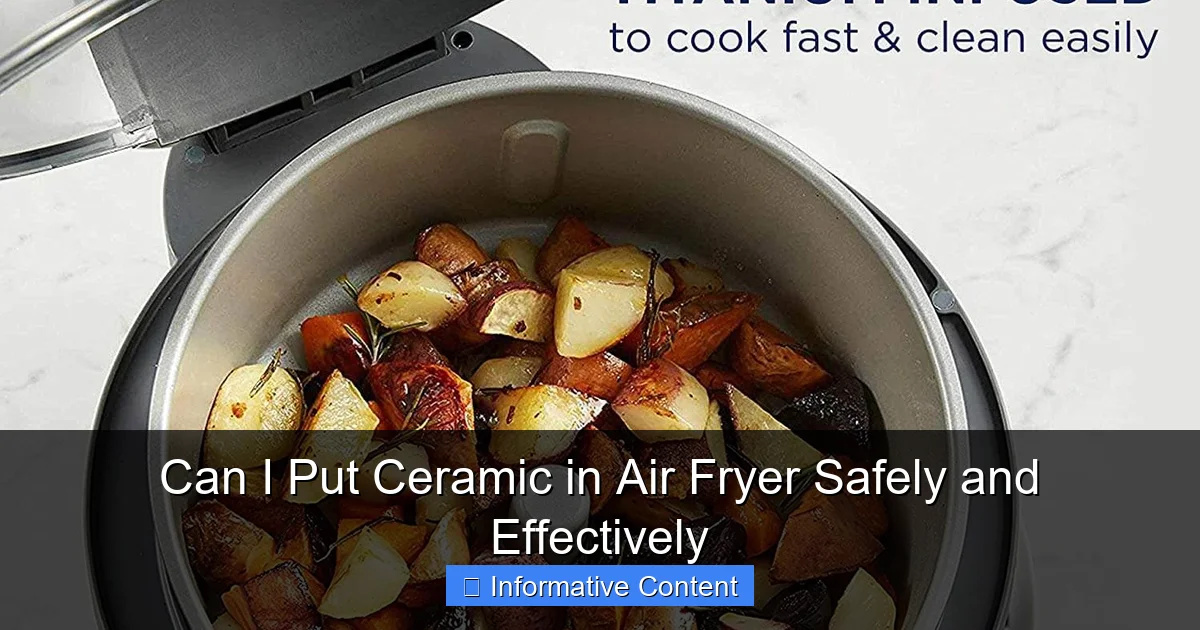
Before tossing a ceramic dish into your air fryer, it helps to understand how these appliances work. Unlike conventional ovens, which heat food through ambient temperature, air fryers use rapid air circulation. A powerful fan pushes hot air around the food at high speed, creating that crisp, “fried” texture without the oil. This means the heating element is often right above the basket, and temperatures can spike quickly—sometimes reaching 400°F (200°C) in under five minutes.
Visual guide about can i put ceramic in air fryer
Image source: airfryer.net
This fast, intense heat is great for food, but it can be tough on certain materials. In ovens, heat rises evenly and gradually. In air fryers, the direct blast of hot air from the top can cause uneven heating in containers. That’s why most air fryer manufacturers recommend using baskets or pans specifically designed for high-speed convection.
Why Material Matters in an Air Fryer
Not all cookware is created equal. Air fryers need materials that can:
- Withstand rapid temperature changes (thermal shock)
- Distribute heat evenly
- Allow hot air to circulate freely around food
- Be lightweight enough not to block airflow
Metal baskets and trays are the go-to because they conduct heat well and don’t crack under sudden temperature shifts. But ceramic? It’s a bit trickier. Ceramic is great at holding heat—once it’s warm, it stays warm—but it can be fragile when exposed to rapid temperature swings. Think of it like a glass window in a car: it’s fine when the sun warms it slowly, but pour cold water on a hot windshield, and it shatters. That’s thermal shock.
So while ceramic can work in an air fryer, it needs the right conditions. We’ll cover those next.
Is Ceramic Safe in an Air Fryer? The Truth About Safety
Types of Ceramic and Their Risks
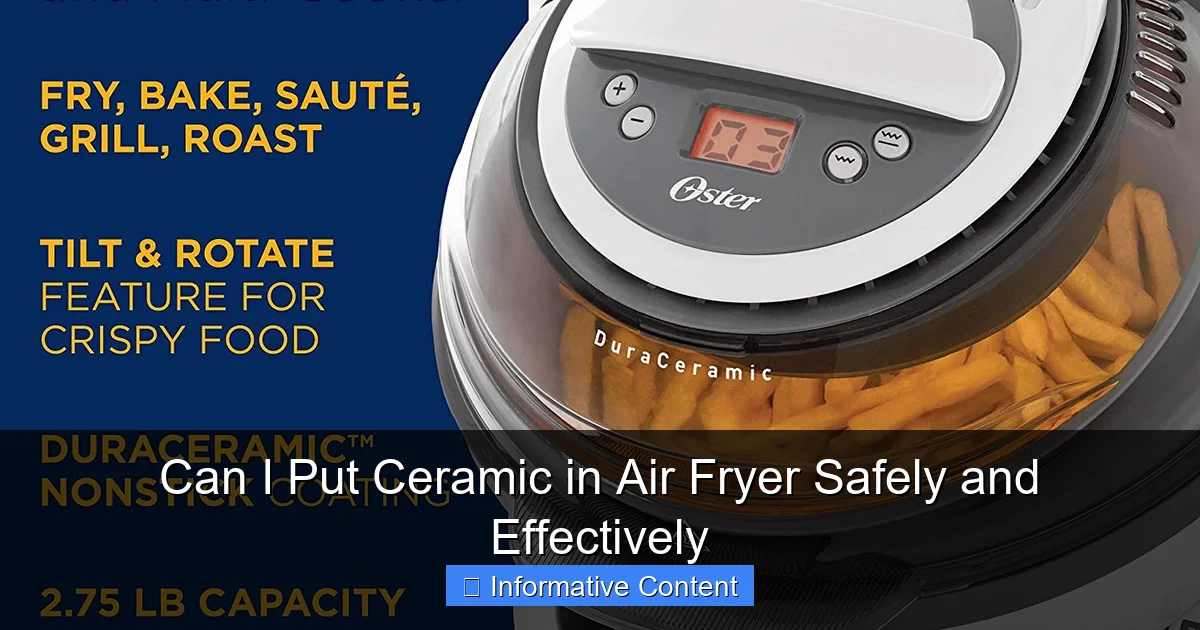
Not all ceramic is the same. Some types are designed for high heat, while others crack at the first sign of temperature change. Here’s a quick breakdown:
Visual guide about can i put ceramic in air fryer
Image source: airfryer.net
- Glazed ceramic (e.g., casserole dishes, ramekins): Often oven-safe, but not always air-fryer-safe. The glaze can contain lead or cadmium, which may leach if the dish cracks or is exposed to high heat for long periods.
- Stoneware: Denser and more heat-resistant than regular ceramic. Many stoneware dishes are labeled oven-safe up to 450°F, which overlaps with air fryer temps.
- Porcelain: Similar to ceramic but more refined. Usually oven-safe, but check for thermal shock resistance.
- Non-stick or coated ceramic: Avoid these. The coating can degrade at high temperatures and release fumes. Not worth the risk.
The key? Look for the oven-safe symbol on the bottom of your dish. If it shows a temperature rating (e.g., “Oven-safe to 400°F”), that’s a good sign. But even then, air fryers heat differently than ovens. A dish that’s oven-safe may not be air-fryer-safe if it’s prone to thermal shock.
Thermal Shock: The Biggest Risk
Thermal shock is the main reason ceramic dishes crack in air fryers. It happens when one part of the dish heats up faster than another. For example:
- You preheat your air fryer to 375°F, then add a cold ceramic dish straight from the fridge.
- The top of the dish hits hot air immediately, while the bottom stays cool. The stress causes it to crack.
Even if you preheat the air fryer, adding a cold dish can still cause problems. That’s why room-temperature dishes are a must. Never place a cold ceramic dish into a hot air fryer. Let it sit on the counter for at least 15 minutes before use.
Also, avoid sudden temperature changes after cooking. Don’t put a hot ceramic dish directly into cold water or on a cold countertop. Let it cool gradually.
When Ceramic Is *Not* Safe
Some ceramic dishes should never go in an air fryer, no matter how careful you are:
- Cracked or chipped dishes: Weak spots can expand and cause the dish to break.
- Dishes with metal trim or decorations: Metal conducts heat differently and can create hot spots.
- Dishes with plastic handles or lids: These will melt.
- Dishes labeled “microwave-only” or “not for oven use”: These are not designed for high heat at all.
When in doubt, check the manufacturer’s instructions. If the dish says “for oven use only,” it might still work—but proceed with caution.
How to Use Ceramic in an Air Fryer: Best Practices and Tips
Choosing the Right Ceramic Dish
If you’re determined to use ceramic, pick the right kind. Here’s what to look for:
- Oven-safe to at least 400°F: The higher, the better. Some air fryers can hit 450°F.
- No metal or plastic parts: Pure ceramic or stoneware only.
- Thick, heavy construction: Thicker dishes handle heat better. Thin ceramic can crack more easily.
- Flat or low sides: High walls block airflow. A low-sided casserole dish or ramekin works best.
Good examples include:
- Ceramic pie dishes (without metal rims)
- Stoneware ramekins (great for individual portions)
- Oven-safe ceramic loaf pans (for small breads or meatloaf)
- Deep ceramic bowls (for soups or stews, though cooking time increases)
Preparing and Using Ceramic Safely
Follow these steps to minimize risk:
- Bring the dish to room temperature: Never go from fridge to air fryer.
- Preheat the air fryer without the dish: Most models need 3–5 minutes. This ensures even heat distribution.
- Place the dish in *after* preheating: Use oven mitts. Slide it in gently.
- Use a liner (optional): Parchment paper or a silicone mat can help with airflow and reduce sticking. Make sure it doesn’t block the air vents.
- Adjust cooking time: Ceramic holds heat longer than metal, so food may cook faster or slower. Check 2–3 minutes early.
- Let it cool slowly: Don’t rush the process. Place it on a trivet or dry towel, not a cold surface.
Practical Examples: What Works and What Doesn’t
Here are some real-world scenarios:
- Success: A stoneware ramekin used for air-fried crème brûlée. Preheated air fryer, room-temp dish, 12 minutes at 325°F. Came out creamy and crack-free.
- Success: A ceramic loaf pan for banana bread. Covered with foil to prevent over-browning, 25 minutes at 350°F. Perfect texture.
- Failure: A cold ceramic casserole dish added to a preheated air fryer. Cracked within 2 minutes. Lesson: temperature matters.
- Failure: A ceramic dish with a gold rim. The metal heated faster and caused warping.
The takeaway? Start small. Try a simple recipe like baked eggs or a small casserole before committing to a big dish.
Alternatives to Ceramic: When to Use Other Materials
Metal Pans and Dishes
Metal is the safest and most efficient option for air fryers. It conducts heat quickly, allows air to circulate, and handles thermal shock well. Good choices include:
- Aluminum foil pans: Disposable and lightweight. Great for casseroles or roasting veggies.
- Stainless steel pans: Durable and reusable. Use oven mitts—they get hot!
- Cast iron skillets (small size): Excellent heat retention. Preheat with the air fryer for best results.
Tip: Use a baking steel or pizza steel for crispy bottoms on air-fried pizzas or breads.
Silicone Molds and Liners
Silicone is flexible, non-stick, and air-fryer-safe. It won’t crack or melt (up to 428°F for most brands). Use silicone for:
- Muffin tins (for air-fried cupcakes or mini quiches)
- Egg molds (for perfectly shaped eggs)
- Lining ceramic or metal dishes (to reduce sticking)
Just make sure the silicone is 100% food-grade and labeled oven-safe.
Glass and Other Materials
Glass (like Pyrex) is oven-safe but risky in air fryers due to thermal shock. If you must use it, follow the same rules as ceramic: room temp only, preheat the fryer, and avoid sudden temperature changes. Some tempered glass dishes work, but it’s a gamble.
Plastic, paper, and non-heat-resistant materials are a hard no. They’ll melt or catch fire.
Data Table: Ceramic vs. Other Air Fryer Cookware
| Material | Thermal Shock Resistance | Heat Distribution | Airflow Compatibility | Best For | Risk Level |
|---|---|---|---|---|---|
| Oven-safe Ceramic | Medium (if room temp) | Even (once heated) | Low (if tall sides) | Baked goods, casseroles | Medium |
| Stoneware | High | Even | Medium | Individual portions, breads | Low-Medium |
| Aluminum Foil Pan | High | Fast | High | Casseroles, roasting | Low |
| Stainless Steel | High | Fast | High | All-purpose | Low |
| Silicone | Very High | Moderate | High | Molds, liners | Very Low |
| Glass (Tempered) | Low-Medium | Even | Medium | Baking, reheating | Medium-High |
Final Thoughts: Can I Put Ceramic in an Air Fryer? Yes—With Caution
So, can you put ceramic in an air fryer? The short answer is yes—but only if it’s the right kind of ceramic and you use it correctly. It’s not a free-for-all. You need to respect the risks of thermal shock, avoid unsafe materials, and follow best practices.
Think of it like driving a sports car. It’s powerful and fun, but you need to know how to handle it. The same goes for your air fryer and ceramic dishes. When used wisely, ceramic can be a fantastic tool for baking, roasting, and even making individual desserts. But when rushed or misused, it can end in a kitchen disaster.
My advice? Start small, be patient, and always prioritize safety. If you’re unsure about a dish, test it with a short, low-heat cycle first. And when in doubt, reach for metal or silicone—they’re more forgiving and just as effective.
At the end of the day, the goal isn’t just to use ceramic in your air fryer. It’s to cook great food, enjoy the process, and keep your kitchen (and your favorite dishes) intact. So go ahead—experiment, learn, and maybe even discover a new favorite recipe. Just remember: the air fryer is a tool, not a magic wand. And with the right knowledge, you’ve got everything you need to use it safely and effectively.
Frequently Asked Questions
Can I put ceramic in an air fryer safely?
Yes, you can put ceramic in an air fryer, but only if it’s labeled as oven-safe and can withstand high temperatures (typically above 400°F). Avoid sudden temperature changes to prevent cracking or shattering.
What type of ceramic cookware is safe to use in an air fryer?
Only use ceramic dishes or bakeware marked as oven-safe, microwave-safe, and thermal shock-resistant. Glazed ceramic without metallic accents is ideal for even heat distribution in your air fryer.
Can I put ceramic in an air fryer without damaging it?
Ceramic can last in an air fryer if you preheat it gradually and avoid extreme temperature shifts. Always check the manufacturer’s guidelines for maximum heat tolerance to ensure safe use.
Are there risks when putting ceramic in an air fryer?
Yes, risks include cracking due to thermal shock or uneven heating. Never place cold ceramic directly into a preheated air fryer, and avoid stacking items to ensure proper airflow.
Can I use ceramic bowls or ramekins in an air fryer?
Small, oven-safe ceramic bowls or ramekins work well in an air fryer for baking or reheating. Just ensure they fit without blocking airflow and are free of cracks or chips.
How do I clean ceramic after using it in an air fryer?
Let the ceramic cool completely before washing with warm, soapy water. Avoid abrasive scrubbers to preserve the glaze, and check for damage after each use to maintain safety.