

Featured image for can we use aluminum foil in air fryer
Image source: homemaking.com
Yes, you can use aluminum foil in an air fryer safely—but only when used correctly to avoid blocking airflow or causing fire hazards. Always place the foil in the basket’s center, away from heating elements, and avoid covering the entire surface to maintain proper circulation. When done right, foil simplifies cleanup and protects delicate foods without compromising crispiness.
Key Takeaways
- Yes, you can use aluminum foil in air fryers if it’s weighted down and doesn’t block airflow.
- Always leave space around the foil to ensure proper circulation and prevent overheating.
- Never cover the heating element—this poses a fire hazard and damages the appliance.
- Use foil for easy cleanup with messy foods like sauces, cheese, or marinades.
- Avoid acidic or salty foods wrapped in foil—they may react and create off-flavors.
- Check your air fryer’s manual—some models specifically prohibit foil use.
📑 Table of Contents
- Can We Use Aluminum Foil in Air Fryer Safely and Effectively
- How Air Fryers Work and Why Foil Matters
- Is It Safe to Use Aluminum Foil in an Air Fryer?
- Best Practices for Using Aluminum Foil in Air Fryer
- Alternatives to Aluminum Foil in Air Fryers
- Common Mistakes and How to Avoid Them
- Data Table: Foil vs. Alternatives in Air Fryers
- Final Thoughts: Yes, But Do It Right
Can We Use Aluminum Foil in Air Fryer Safely and Effectively
So, you just got your shiny new air fryer, or maybe you’ve been using one for a while, and now you’re wondering: can we use aluminum foil in air fryer? I’ve been there. I remember standing in my kitchen, staring at a batch of chicken wings that needed a little extra crisp, and I thought, “Hey, why not line the basket with foil? It works in the oven!” But then I paused—was that actually safe? Would it mess up my machine? Or worse, could it start a fire?
If you’ve ever hesitated before tossing a crumpled piece of foil into your air fryer, you’re not alone. Aluminum foil is a kitchen staple—it’s cheap, versatile, and makes cleanup a breeze. But when it comes to air fryers, things get a little more complicated. These appliances work differently than traditional ovens, relying on rapid, circulating hot air to cook food evenly. That means airflow is everything. So, can we use aluminum foil in air fryer without risking safety, performance, or the longevity of our appliance? The short answer is: yes, but with some important rules. Let’s dive into the details, so you can use foil confidently—without turning your kitchen into a smoke alarm symphony.
How Air Fryers Work and Why Foil Matters
The Science Behind Air Fryer Cooking
Before we talk about foil, let’s quickly cover how air fryers actually work. Unlike microwaves or conventional ovens, air fryers use a high-powered heating element and a fan to circulate hot air (usually between 350°F and 400°F) around food at high speed. This rapid air movement creates a convection effect that crisps the outside of food while cooking the inside—mimicking deep frying, but with little to no oil.
Visual guide about can we use aluminum foil in air fryer
Image source: mykitchenadvisor.com
Think of it like a mini convection oven, but faster and more efficient. The key to that crispiness? Unobstructed airflow. If something blocks the air from moving freely—like a solid piece of metal or a tightly packed foil liner—it disrupts the cooking process. Food may cook unevenly, take longer, or not crisp at all.
Why Foil Seems Like a Good Idea
Aluminum foil is tempting because it solves two common air fryer problems: messy cleanup and food sticking. Let’s be honest—no one likes scrubbing baked-on cheese or greasy residue from the basket. Foil acts as a barrier, catching drips and preventing food from clinging to the metal.
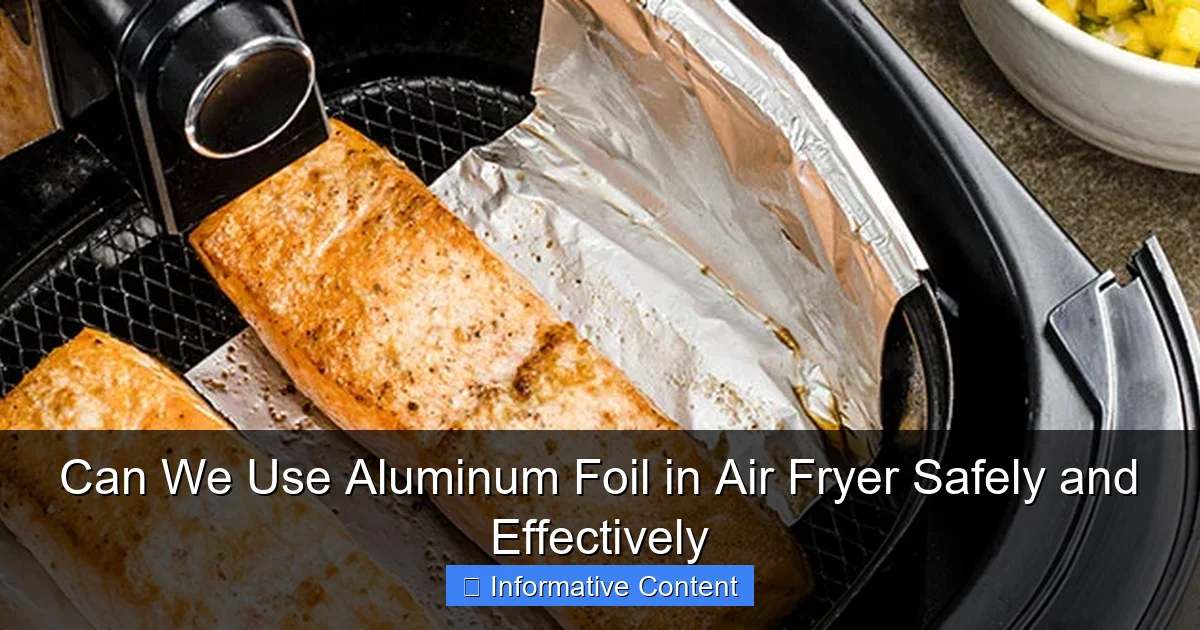
I’ve used it myself for things like salmon fillets with a honey glaze (hello, sticky mess) or roasted veggies that tend to fall through the basket grates. And yes, it worked—cleanup took 30 seconds instead of 10 minutes. But here’s the catch: if you use it wrong, you could end up with soggy food, a damaged basket, or even a safety hazard.
So, the real question isn’t just “can we use aluminum foil in air fryer?”—it’s how to use it without sabotaging the air fryer’s design. And that’s what we’ll explore next.
Is It Safe to Use Aluminum Foil in an Air Fryer?
Fire Risk and Electrical Hazards
Let’s get the scary part out of the way: yes, using foil incorrectly in an air fryer can be dangerous. The main risk? Fire. Air fryers get hot—really hot. And aluminum foil, when crumpled or placed too close to the heating element, can create a spark or catch fire if it touches the coils.
Visual guide about can we use aluminum foil in air fryer
Image source: fastfoodbistro.com
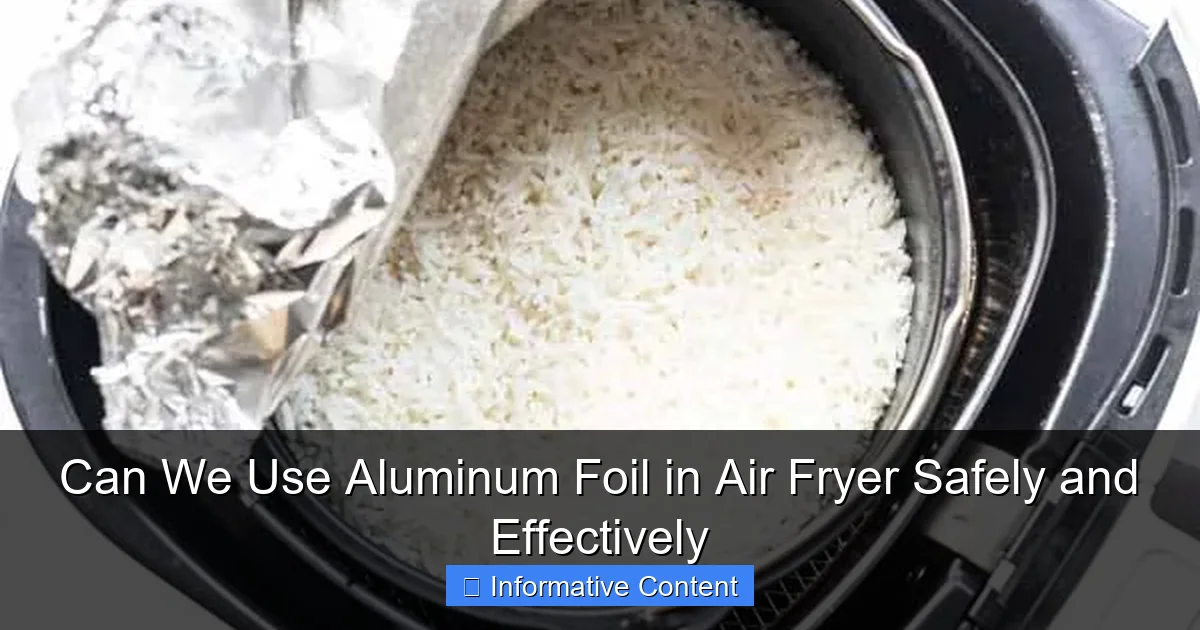
One common mistake I’ve seen (and made!) is letting foil drape over the edges of the basket or touch the heating element at the top. That’s a no-go. In some models, the heating element is exposed or close to the basket, so any metal near it can cause arcing—a small electrical spark that can ignite grease or foil itself.
Another risk: foil blocking the air vents. If you cover the sides or top of the basket with foil, you’re essentially suffocating the airflow. This can cause the unit to overheat, triggering safety shutdowns or, in rare cases, damaging internal components.
Material Safety and Food Contact
Now, let’s talk about what touches your food. Is aluminum foil safe to cook with? Generally, yes—aluminum is FDA-approved for food contact, and millions of people use it daily in ovens, grills, and microwaves. But there’s a caveat: high heat and acidic foods (like tomatoes, citrus, or vinegar-based marinades) can cause a small amount of aluminum to leach into food.
Studies show that while aluminum can transfer into food, the levels are typically very low and considered safe for most people. However, if you’re sensitive to aluminum or have kidney issues, you might want to limit foil use with acidic dishes. A simple workaround? Use parchment paper (more on that later) or line only the bottom with foil, avoiding direct contact with marinades.
Bottom line: using foil in your air fryer is safe if you follow basic precautions—no loose edges, no touching heating elements, and no blocking airflow.
Best Practices for Using Aluminum Foil in Air Fryer
How to Line the Basket Properly
Okay, so you’ve decided to use foil. Great! Here’s how to do it right:
- Cut the foil to size: Measure the bottom of your air fryer basket. Cut a piece of foil that fits snugly—no overhang on the sides. If foil sticks out, it can catch on the heating element or block airflow.
- Use the “tent” method: Instead of laying the foil flat, lightly crinkle it and press it into the basket, leaving small gaps around the edges. This allows air to circulate while still catching drips.
- Pinch the edges: Fold the foil up slightly around the basket’s rim, but don’t let it go over the top. This keeps it secure and prevents it from flying up during cooking.
- Don’t cover the entire basket: Only line the bottom. Never cover the sides or top—those need to stay open for airflow.
I learned this the hard way when I once lined the whole basket for a big batch of nachos. The chips in the center were soggy, and the edges were burnt. Once I switched to just the bottom liner, the results were way better.
When to Use Foil (and When Not To)
Not every recipe needs foil. Here’s a quick guide:
- Use foil for:
- Sticky or messy foods (e.g., glazed chicken, saucy ribs)
- Foods that might stick (e.g., delicate fish, tofu)
- Recipes with lots of oil or grease (e.g., bacon, sausages)
- When you want easy cleanup (just toss the foil!)
- Avoid foil for:
- Foods that need maximum crisp (e.g., fries, chicken wings)—foil can trap steam
- Small items that might get stuck in foil folds (e.g., popcorn, small veggies)
- Acidic marinades (use parchment instead)
- Any recipe where you need to shake or flip food frequently (foil can tear)
For example, I use foil when cooking honey-glazed salmon—the sticky sauce drips down, but the foil catches it, and the fish still crisps up nicely. But for air fryer french fries, I skip the foil entirely. They get crispier when air can move freely around them.
Pro Tips for Better Results
- Use heavy-duty foil: Regular foil can tear easily, especially when food is moved around. Heavy-duty foil holds up better and resists punctures.
- Lightly oil the foil: Even with foil, some foods (like chicken breasts) can stick. A quick spray of cooking oil helps prevent that.
- Don’t overload the basket: Foil makes cleanup easier, but overcrowding ruins airflow. Leave space between items so hot air can circulate.
- Check halfway: If you’re cooking something for a long time, open the basket and check the foil. If it’s pooling grease, you might want to drain it or replace the foil.
One of my favorite tricks? I use foil to make a “boat” for veggie medleys. I line the basket, add chopped zucchini, bell peppers, and onions, then drizzle with olive oil and seasonings. The foil keeps everything contained, and cleanup is a breeze.
Alternatives to Aluminum Foil in Air Fryers
Parchment Paper: A Safer, More Versatile Option
If you’re nervous about using foil—or just want a cleaner alternative—parchment paper is a fantastic choice. It’s heat-resistant (up to about 420°F), non-stick, and won’t leach anything into your food. Plus, it’s easier to handle than foil, especially for delicate items.
To use parchment paper in your air fryer:
- Cut a round or square piece that fits the basket.
- Use a hole punch or scissors to create small air holes around the edges (this prevents steam buildup).
- Place it in the basket before adding food.
I use parchment for fish, baked potatoes, and even homemade air fryer desserts like chocolate chip cookies. It’s also great for acidic foods like lemon-herb chicken—no risk of aluminum leaching.
Silicone Mats and Reusable Liners
For eco-conscious cooks, reusable options are gaining popularity. Silicone baking mats (like Silpat) are heat-safe, non-stick, and dishwasher-friendly. They’re a bit pricier than foil or parchment, but they last for years.
Another option: reusable air fryer liners. These are made from food-grade silicone and fit snugly in the basket. They’re great for frequent users who want to cut down on waste. I’ve got a set that’s been going strong for over two years—no stains, no warping.
Pros of silicone:
- Zero waste
- Non-stick surface
- Can handle high heat
Cons:
- Higher upfront cost
- May not fit all basket shapes (check dimensions first)
When to Skip Liners Entirely
Sometimes, the best liner is no liner. If you’re cooking foods that crisp best with direct air contact—like chicken wings, fries, or roasted nuts—skip the foil and parchment. A well-oiled basket or a quick spray of cooking oil is all you need.
I also recommend skipping liners for recipes that require frequent shaking or stirring (like stir-fry veggies). Liners can tear, and food can get stuck in the folds. Just toss the basket in the dishwasher afterward—most are dishwasher-safe!
Common Mistakes and How to Avoid Them
Blocking Airflow
This is the #1 mistake. I’ve seen people cover the entire basket with foil, thinking it’ll catch all the drips. But that’s like putting a blanket over a fan—it kills the airflow. Result? Soggy, unevenly cooked food.
Solution: Only line the bottom. Leave the sides and top open. If you’re worried about grease, use a drip tray (if your model has one) or place a paper towel under the basket to catch splatters.
Using Foil with High-Oil Foods
Foil can pool grease, especially with fatty foods like bacon or sausages. This can lead to smoke or even a small flare-up.
Solution: Use a foil “boat” with raised edges to contain grease, or drain excess oil halfway through cooking. Better yet, use a silicone liner—it allows grease to drip through while still catching big drips.
Ignoring the Manufacturer’s Instructions
Not all air fryers are the same. Some brands explicitly warn against using foil (looking at you, certain Ninja models), while others are fine with it if used correctly.
Solution: Check your user manual. If it says “no foil,” respect that. If it says “use with caution,” follow the guidelines. And if you’ve lost the manual? A quick Google search with your model number should help.
Using Damaged or Thin Foil
Thin foil tears easily, and crumpled foil can create sharp edges that damage the basket coating. I once used regular foil for a batch of chicken thighs, and the foil tore when I flipped them—pieces stuck to the meat, and the basket got scratched.
Solution: Use heavy-duty foil, and avoid excessive crumpling. If you’re cooking something with sharp edges (like bone-in chicken), consider parchment or a silicone mat instead.
Data Table: Foil vs. Alternatives in Air Fryers
| Option | Heat Resistance | Cleanup | Best For | Drawbacks |
|---|---|---|---|---|
| Aluminum Foil | Up to 400°F | Easy (disposable) | Sticky, greasy, or messy foods | Can block airflow; risk of fire if misused |
| Parchment Paper | Up to 420°F | Easy (disposable) | Fish, veggies, acidic foods | Can tear; needs air holes |
| Silicone Mat | Up to 480°F | Very easy (reusable) | Frequent users, eco-conscious cooks | Higher cost; may not fit all baskets |
| No Liner | N/A | Moderate (scrubbing) | Crispy foods (fries, wings) | Messier cleanup; food may stick |
Final Thoughts: Yes, But Do It Right
So, can we use aluminum foil in air fryer? Absolutely—but with respect for the machine and the science behind it. Foil isn’t a magic solution; it’s a tool. And like any tool, it works best when used correctly.
I’ll admit, I used to be a foil skeptic. I thought it was a lazy shortcut. But after experimenting (and yes, making a few mistakes), I’ve come to appreciate its value—when used wisely. It’s not for every recipe, but for the right ones, it’s a game-changer.
Remember: airflow is king. Don’t block it. Don’t let foil touch the heating element. And always prioritize safety over convenience. When in doubt, opt for parchment paper or a reusable silicone mat. They’re safer, more versatile, and better for the environment.
At the end of the day, your air fryer is designed to make cooking easier, healthier, and more delicious. Whether you use foil, parchment, or nothing at all, the goal is the same: great food, minimal mess, and a kitchen that doesn’t smell like burnt metal.
So go ahead—try lining that basket. Just do it with care, and you’ll be amazed at how much more enjoyable air frying can be. And if you ever doubt yourself? Just ask: “Is this helping the air move?” If the answer’s no, rethink it. Your air fryer (and your taste buds) will thank you.
Frequently Asked Questions
Can we use aluminum foil in air fryer without damaging it?
Yes, you can safely use aluminum foil in an air fryer as long as it’s placed securely and doesn’t block the air vents. Avoid letting the foil touch the heating element to prevent damage or fire hazards.
Is it safe to use aluminum foil in an air fryer when cooking?
Using aluminum foil in an air fryer is safe for most foods, especially to catch drips or cook delicate items. Just ensure the foil is weighted down by food and isn’t loose to avoid contact with the heating coil.
Can we use aluminum foil in air fryer for all types of food?
Aluminum foil works well for oily or wet foods like fish or chicken, but avoid wrapping acidic foods (e.g., tomatoes, citrus), as they can react with the foil. Always check that airflow isn’t restricted.
Will using aluminum foil in an air fryer affect cooking performance?
When used correctly, aluminum foil won’t significantly impact air fryer performance. However, excessive foil or improper placement can block hot air circulation, leading to uneven cooking.
Can we use aluminum foil in air fryer instead of parchment paper?
Yes, aluminum foil can be a substitute for parchment paper in an air fryer for lining baskets or holding food. Parchment paper offers better airflow, but foil is great for trapping moisture or grease.
Are there any risks to using aluminum foil in an air fryer?
The main risks include foil touching the heating element or blocking airflow, which can cause smoke or uneven cooking. Always secure the foil and leave space around the edges for safe, effective use.