
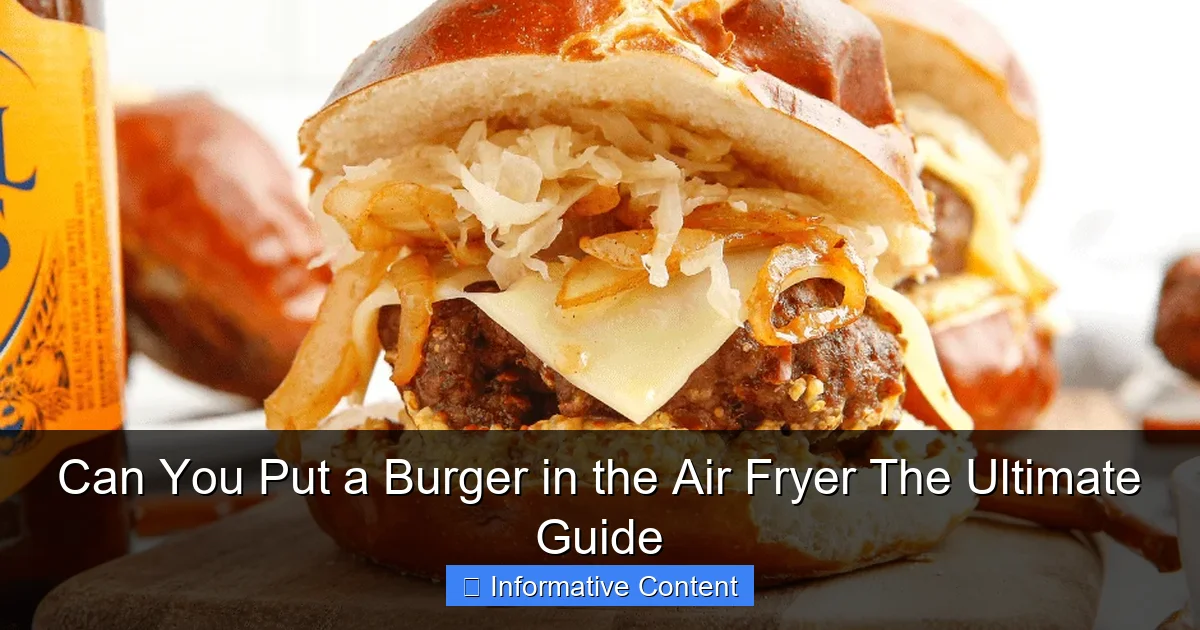
Featured image for can you put a burger in the air fryer
Image source: forktospoon.com
Yes, you can absolutely cook a burger in the air fryer—it’s a quick, mess-free way to achieve juicy, evenly cooked patties with crispy edges in under 15 minutes. No flipping, no grease splatter, and no grill required, making it a game-changer for weeknight dinners or meal prep.
Key Takeaways
- Yes, you can air fry burgers: Achieve juicy, evenly cooked patties with less oil.
- Preheat for best results: Ensures a perfect sear and consistent cooking every time.
- Use 375°F for ideal doneness: Adjust time based on thickness and preferred internal temperature.
- Flip halfway through cooking: Promotes even browning and prevents uneven textures.
- Avoid overcrowding the basket: Ensures proper air circulation for crisp, delicious results.
- Check internal temperature: Use a meat thermometer for safe, perfectly cooked burgers (160°F).
📑 Table of Contents
- Can You Put a Burger in the Air Fryer? The Ultimate Guide
- How the Air Fryer Works for Burgers
- Types of Burgers You Can Cook (and How)
- Step-by-Step Guide to Air Frying the Perfect Burger
- Common Mistakes and How to Avoid Them
- Beyond the Patty: Buns, Toppings, and Sides
- Final Thoughts: Is the Air Fryer Burger Worth It?
Can You Put a Burger in the Air Fryer? The Ultimate Guide
You’ve just pulled your air fryer out of the box (or dusted it off the countertop), and you’re ready to test its limits. Maybe you’ve already made crispy fries or reheated last night’s pizza. Now, a bold idea strikes: Can you put a burger in the air fryer? The answer is a resounding yes—but there’s more to it than just tossing a patty in and hitting “start.”
Whether you’re a busy parent, a college student, or someone trying to cook more at home, the air fryer is a game-changer. It promises crispy, juicy results with less oil and faster cooking times than traditional methods. But burgers? That’s a whole different ballgame. From frozen patties to homemade beef, chicken, or even plant-based options, the air fryer can handle it all—if you know how to do it right. In this guide, I’ll walk you through everything you need to know, from setup to seasoning, timing, and troubleshooting. No fluff, no hype—just real, practical advice based on what works (and what doesn’t).
How the Air Fryer Works for Burgers
Understanding Air Fryer Technology
Before you drop that burger patty in the basket, it helps to know how your air fryer actually cooks. Despite the name, it doesn’t “fry” in the traditional sense. Instead, it uses rapid air circulation—a powerful fan blows hot air around the food, creating a crispy exterior while keeping the inside moist. Think of it like a mini convection oven with supercharged airflow.
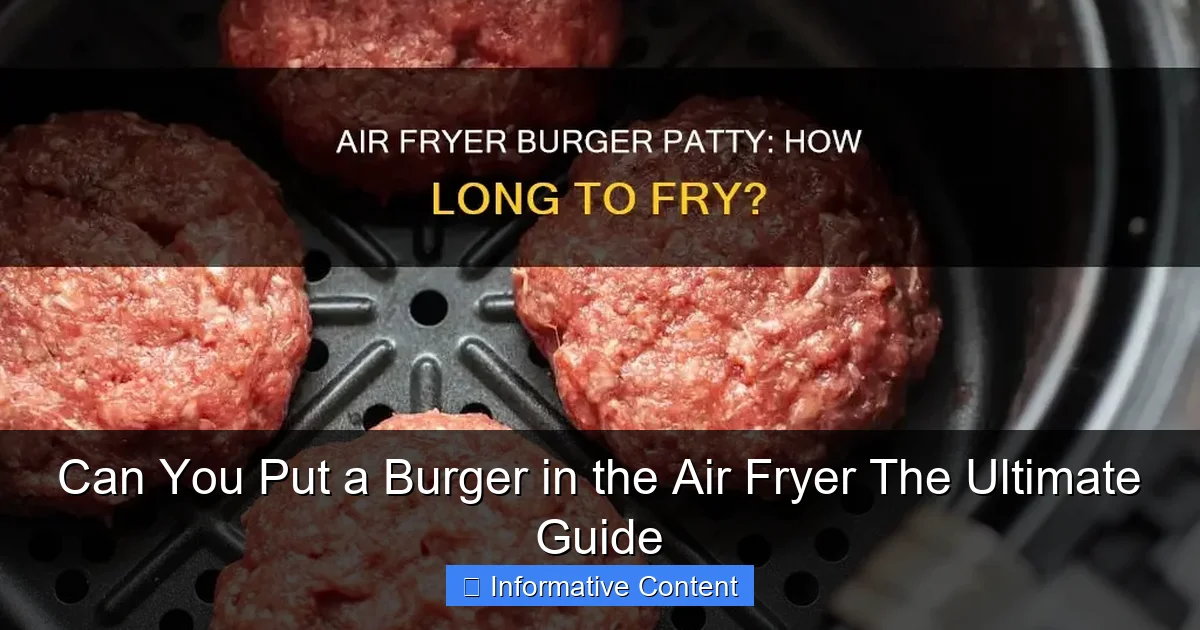
Visual guide about can you put a burger in the air fryer
Image source: cycookery.com
This method works incredibly well for foods with a high surface-to-volume ratio, like fries or wings. But burgers? They’re denser, with more moisture inside. That’s why timing and temperature matter so much. Too high, and you get a charred outside with a raw center. Too low, and you end up with a steamed, soggy patty.
Why Burgers Work Well in the Air Fryer
Burgers are actually a fantastic candidate for air frying—here’s why:
- Even cooking: The circulating air helps cook the patty more evenly than a grill or skillet, especially for thicker patties.
- Less oil, same crisp: You can achieve a golden, slightly crispy crust with just a light spray of oil or even none at all.
- Faster than the grill: No waiting for charcoal or dealing with gas flare-ups. Just preheat and go.
- Easy cleanup: No greasy stovetop or grill grates to scrub. Most air fryer baskets are non-stick and dishwasher-safe.
One of my favorite moments was when I cooked a batch of frozen beef patties for a last-minute dinner. I was skeptical—would they be dry or rubbery? Instead, they came out juicy inside with a nice sear on the outside. My kids didn’t even notice they weren’t grilled. That’s when I knew: the air fryer had earned its spot on the counter.
Types of Burgers You Can Cook (and How)
Frozen Beef Patties
Frozen burgers are a lifesaver when you’re short on time. And yes, you can cook them directly from frozen in the air fryer—no thawing needed. This is a huge win for meal prep.
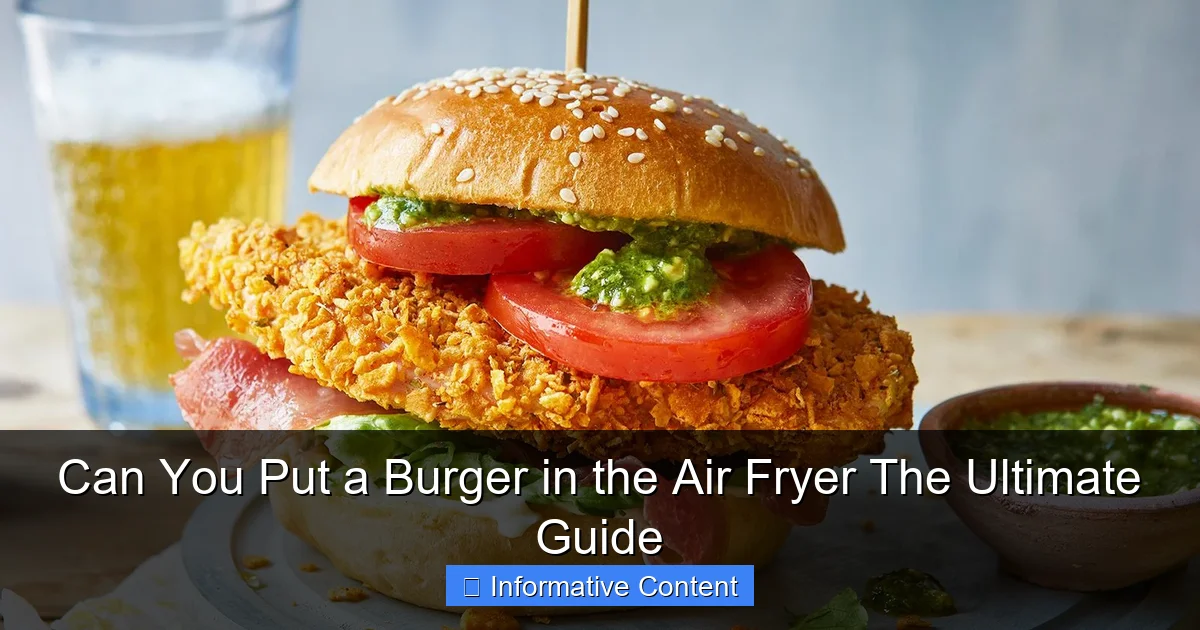
Visual guide about can you put a burger in the air fryer
Image source: ichef.bbci.co.uk
How to do it:
- Preheat the air fryer to 375°F (190°C) for 3–5 minutes.
- Place frozen patties in a single layer (don’t overcrowd).
- Cook for 12–14 minutes, flipping halfway through.
- Check internal temperature: 160°F (71°C) for medium.
Pro tip: If your patties are thicker (over ¾ inch), add 2–3 minutes per side. And if you want a crispier crust, give them a quick spray with avocado or olive oil before cooking.
Fresh Homemade Beef Patties
Making your own patties gives you control over fat content, seasoning, and thickness. A 80/20 lean-to-fat ratio works best—it stays juicy without falling apart.
How to do it:
- Form ½-inch thick patties (slightly larger than your bun, as they shrink).
- Season with salt, pepper, garlic powder, or your favorite rub.
- Preheat air fryer to 375°F (190°C).
- Cook for 8–10 minutes, flipping once at 5 minutes.
- Use a meat thermometer: 145°F (63°C) for medium-rare, 160°F (71°C) for well-done.
I once made a batch of garlic-herb patties and cooked them in the air fryer. My husband, who’s a grill purist, said they were “surprisingly good.” High praise from him!
Chicken, Turkey, and Plant-Based Burgers
Not all burgers are beef. Here’s how to adapt for other types:
- Chicken/Turkey: Leaner than beef, so they dry out faster. Cook at 360°F (182°C) for 10–12 minutes. Baste with a little oil or broth to keep moist.
- Beyond Meat/Impossible: These plant-based patties hold up well. Cook at 375°F (190°C) for 9–11 minutes. They brown nicely and mimic the texture of real meat.
- Homemade veggie burgers: These vary widely. Stick to firm patties (black bean, lentil, or quinoa-based). Cook at 375°F for 10–12 minutes, flipping once. Avoid mushy mixtures—they can fall apart.
One caveat: veggie burgers often lack fat, so they don’t crisp up like meat. A light oil spray helps, but don’t expect grill marks. Still, they’re a great option for meatless Mondays or dietary needs.
Step-by-Step Guide to Air Frying the Perfect Burger
Prep Your Patties Right
Good burgers start with good prep. Here’s what to do:
- Don’t overwork the meat: Handle it gently to avoid toughness.
- Make a thumbprint in the center: This prevents the patty from puffing up and cooking unevenly.
- Season just before cooking: Salt draws out moisture, so wait until you’re ready to cook.
- Let patties sit at room temp for 10–15 minutes: This helps them cook more evenly (but don’t leave them out too long—food safety first!).
Preheat and Arrange in the Basket
Preheating is key. It ensures even cooking from the first second. Most air fryers need 3–5 minutes to reach temperature.
How to arrange:
- Place patties in a single layer. Leave at least ½ inch between each.
- If you have a smaller basket, cook in batches. Overcrowding traps steam and leads to steaming, not crisping.
- For extra crisp, lightly spray or brush with oil (1/2 tsp per patty is plenty).
I learned this the hard way. Once, I tried to cook four thick patties at once. They stuck together, cooked unevenly, and one was still pink inside. Now I stick to two at a time—even if it means waiting an extra few minutes.
Cooking Time and Temperature Chart
Here’s a quick reference guide based on patty thickness and type:
| Burger Type | Thickness | Temp | Cook Time | Internal Temp |
|---|---|---|---|---|
| Frozen Beef | ¾ inch | 375°F | 12–14 min | 160°F |
| Fresh Beef (80/20) | ½ inch | 375°F | 8–10 min | 145–160°F |
| Chicken/Turkey | ½ inch | 360°F | 10–12 min | 165°F |
| Plant-Based (Beyond/Impossible) | ½ inch | 375°F | 9–11 min | 165°F |
| Homemade Veggie | ½–¾ inch | 375°F | 10–12 min | — |
Note: Always use a meat thermometer for accuracy. Time is a guide—your air fryer may vary slightly.
Flipping and Checking Doneness
Flip your burgers halfway through. This ensures even browning and helps render fat. Use tongs or a spatula—don’t pierce the patty, as it loses juices.
To check doneness:
- Use an instant-read thermometer (best method).
- Or press gently: rare (soft), medium (springy), well-done (firm).
- For plant-based or veggie burgers, check for firmness and even browning.
One trick I use: if I’m adding cheese, I put it on during the last 1–2 minutes. This melts it perfectly without overcooking the patty.
Common Mistakes and How to Avoid Them
Overcrowding the Basket
This is the #1 mistake. When patties are too close, hot air can’t circulate. Result? Steamed, soggy burgers with no crisp.
Solution: Cook in batches. It takes an extra 5–10 minutes, but the quality difference is worth it. If you’re feeding a crowd, cook two at a time and keep them warm in a 200°F oven.
Skipping the Preheat
Putting a cold patty into a cold air fryer leads to uneven cooking. The outside may look done, but the center is still raw.
Solution: Always preheat. It only takes a few minutes and makes a big difference. If your air fryer doesn’t have a preheat setting, just run it empty at 375°F for 5 minutes.
Overcooking or Undercooking
Air fryers vary in power. What works on one model might be too hot or too slow on another.
Solution: Start with the recommended time, but check early. If the patty is browning too fast, reduce the temp by 10–15°F. If it’s taking too long, increase by 10°F. Keep notes for next time.
Ignoring Fat Content
Lean burgers (like turkey or chicken) dry out faster. Fat adds flavor and moisture.
Solution: For lean meats, add a light oil spray or baste with broth. Or mix in a little fat (like ground pork or bacon) when making homemade patties.
I once made turkey burgers and didn’t adjust for leanness. They were dry and bland. Now I mix in 10% ground pork or add a spoonful of Greek yogurt to the mix. Game-changer.
Forgetting to Rest the Burgers
Just like with grilling or pan-frying, burgers need to rest for 2–3 minutes after cooking. This lets the juices redistribute.
Solution: Set them on a plate or wire rack (not a paper towel—it traps steam). Cover loosely with foil. You’ll get a juicier bite every time.
Beyond the Patty: Buns, Toppings, and Sides
Toasting Buns in the Air Fryer
Yes, you can toast buns too! It’s fast and avoids a separate pan.
How to do it:
- Cut buns in half and place cut-side up.
- Air fry at 350°F (177°C) for 2–3 minutes.
- For extra crisp, brush with butter or garlic oil before toasting.
My kids love “crunchy buns.” I’ll toast them for 3 minutes, then add a smear of mayo or pesto. So good!
Melting Cheese Like a Pro
Cheese should be melty, not rubbery. Here’s how:
- Place cheese on the patty during the last 1–2 minutes of cooking.
- Cover the basket with foil (loosely) to trap heat and melt evenly.
- Or, add cheese after cooking and return to the air fryer for 30–60 seconds.
My go-to? A slice of American or cheddar on beef, pepper jack on turkey, and vegan cheese on plant-based patties. All melt beautifully.
Air-Fried Sides to Complete the Meal
Why stop at the burger? Cook your sides in the same appliance:
- Fries: 375°F for 12–15 minutes, shaking halfway.
- Onion rings: 390°F for 10–12 minutes.
- Pickles: Breaded or battered, 400°F for 8–10 minutes.
- Corn on the cob: 380°F for 10–12 minutes, turning once.
One night, I made burgers and sweet potato fries in the air fryer. The whole meal was ready in 20 minutes. No oven, no mess. It’s now our go-to weeknight dinner.
Final Thoughts: Is the Air Fryer Burger Worth It?
So, can you put a burger in the air fryer? Absolutely. It’s not just possible—it’s often better than traditional methods, especially if you value convenience, speed, and less cleanup.
The air fryer won’t replace the smoky flavor of a charcoal grill or the char of a cast-iron skillet. But for everyday cooking, it’s a reliable, consistent tool. You’ll get juicy, evenly cooked burgers with a satisfying crust, all without flipping a single patty on a hot griddle.
And the best part? It’s forgiving. Whether you’re cooking frozen patties for a quick dinner or experimenting with homemade veggie burgers, the air fryer adapts. Just remember the basics: preheat, don’t overcrowd, flip halfway, and check the temp. Do that, and you’ll never go back to microwaving or pan-frying again.
I’ve used my air fryer for burgers more times than I can count. From weeknight family meals to impromptu backyard cookouts (yes, I bring it outside!), it’s become my secret weapon. And now that I’ve shared these tips, I hope it becomes yours too. So go ahead—toss that patty in the basket. Your perfect burger is just a few minutes away.
Frequently Asked Questions
Can you put a burger in the air fryer without drying it out?
Yes, you can cook a burger in the air fryer without drying it out by using a meat thermometer to monitor doneness (160°F for well-done) and lightly brushing the patties with oil or butter. The air fryer’s circulating heat cooks the burger evenly while sealing in moisture.
How long does it take to cook a burger in the air fryer?
For a medium-rare to medium burger, cook it at 375°F (190°C) for 8–10 minutes, flipping halfway through. Thicker patties or well-done burgers may require an extra 2–3 minutes. Always check internal temperature for accuracy.
Do you need to preheat the air fryer for burgers?
Preheating the air fryer for 3–5 minutes ensures even cooking and a better sear. While not mandatory, it helps achieve a crispier exterior and prevents the burger from sticking to the basket.
Can you cook frozen burgers in the air fryer?
Yes, you can cook frozen burgers in the air fryer at 375°F (190°C) for 15–20 minutes, flipping halfway. No thawing is needed, but adjust time based on patty thickness and desired doneness.
What’s the best way to add cheese to a burger in the air fryer?
Add cheese during the last 1–2 minutes of cooking to avoid over-melting. Place a slice on the patty, close the basket, and let the residual heat melt the cheese perfectly.
Can you put a burger in the air fryer with toppings?
For toppings like lettuce or tomato, add them after cooking to prevent sogginess. For onions or mushrooms, sauté them separately or place them on the patty during the last 2–3 minutes of cooking to retain texture.