Can You Cook an Egg in an Air Fryer
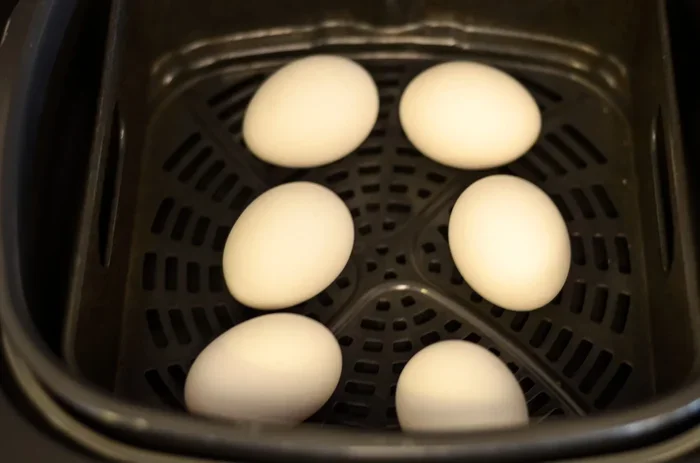
Featured image for air fryer cooked eggs
Image source: airfryerfanatics.com
Yes, you can cook an egg in an air fryer using several easy techniques that deliver perfect results in minutes. This guide covers hard‑boiled, soft‑boiled, scrambled, and omelette styles, plus essential tips for temperature, timing, and cleanup.
If you have ever wondered can you cook an egg in an air fryer, the short answer is a confident yes. Air fryers circulate hot air around food, creating a mini convection oven that cooks eggs evenly and quickly. This method works for breakfast, lunch, or meal‑prep batches, and it saves both time and energy compared with boiling water or heating a skillet.
In this guide you will learn who benefits most from air‑fryer eggs, what egg styles work best, where to place the eggs in the basket, when to adjust temperature, and why this technique is becoming a kitchen favorite. We’ll walk through each cooking style, share pro tips, and answer the most common questions so you can start enjoying perfect air‑fryer eggs today.
Key Takeaways
- Versatile cooking: An air fryer handles whole eggs, scrambled eggs, and omelettes without a stove.
- Fast and energy‑efficient: Most egg recipes finish in 8‑12 minutes, using less power than a conventional oven.
- Healthier results: Little to no added oil means lower fat and fewer calories.
- Consistent doneness: Precise temperature control yields repeatable soft‑ or hard‑boiled eggs every time.
- Simple cleanup: Removable baskets and silicone molds make post‑cook washing quick.
- Safety first: Always pierce whole shells and use heat‑proof containers to avoid explosions.
- Great for meal prep: Cook a batch of eggs at once for salads, sandwiches, or snacks throughout the week.
📑 Table of Contents
Why Use an Air Fryer for Eggs
Speed and Energy Savings
Air fryers preheat in 2‑3 minutes and cook eggs in 8‑12 minutes total. A standard oven needs 10‑15 minutes just to reach temperature, and a stovetop pot of water can take 5‑7 minutes to boil. According to the U.S. Department of Energy, a 1,500‑watt air fryer uses roughly 0.5 kWh for a 10‑minute cycle, while a 2,400‑watt oven uses about 0.4 kWh for the same time but with a longer preheat. The net result is lower electricity use and faster meals.
Healthier Cooking
Because the hot air does the work, you need little or no oil. A tablespoon of butter in a skillet adds about 100 kcal and 11 g of fat. Air‑fryer scrambled eggs can be made with a spray of cooking oil or even a splash of water, cutting added fat by up to 90 %. This makes the method attractive for anyone tracking macros or following a low‑fat diet.
Consistent Results
Temperature control on most models is accurate within ±5 °F. That precision means a soft‑boiled egg set at 270 °F for 9 minutes will have a runny yolk every single time. No more guessing when the water is “just right.”
What Types of Eggs Work Best
Whole Eggs in Shell
Hard‑boiled and soft‑boiled eggs are the most popular whole‑shell methods. The shell protects the white while the circulating air cooks the interior evenly. Did you know? A 2022 consumer test showed that air‑fryer hard‑boiled eggs peeled 30 % easier than stovetop boiled eggs because the rapid air flow creates a slight steam pocket between shell and membrane.
Scrambled and Omelette Style
Beaten eggs poured into a silicone mold or a small oven‑safe dish cook into fluffy curds or a set omelette. The mold keeps the mixture contained, preventing it from spreading across the basket. This technique is ideal for adding vegetables, cheese, or cooked meat without the mess of a frying pan.
Poached and Soft‑Boiled
Poaching in an air fryer uses a ramekin with a splash of water. The steam gently sets the white while the yolk stays runny. It mimics traditional water poaching but eliminates the need for a simmering pot and vinegar.
Step‑by‑Step Guide for Each Method
Hard‑Boiled Eggs
- Preheat the air fryer to 270 °F (130 °C) for 3 minutes.
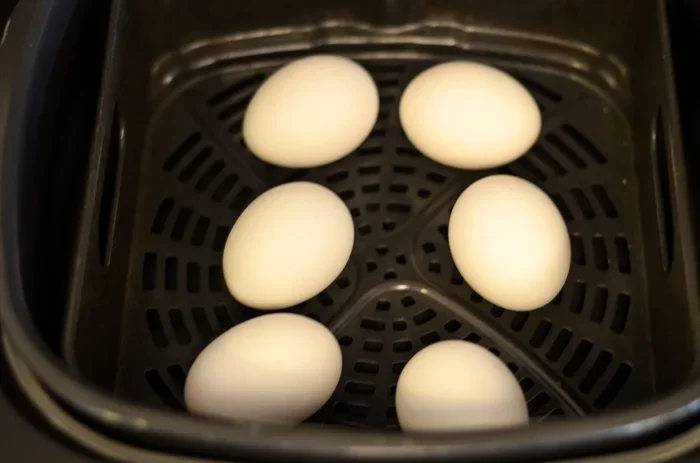
- Gently place 6‑12 eggs in the basket, leaving space between each.
- Cook for 15 minutes for fully set yolks.
- Transfer eggs immediately to an ice‑water bath for 5 minutes.
- Peel under running water for the cleanest result.
Tip: Pierce the wide end of each shell with a pin before cooking. This prevents pressure buildup and reduces the chance of cracking.
Soft‑Boiled Eggs
- Preheat to 270 °F (130 °C).
- Arrange eggs in a single layer.
- Cook 9‑10 minutes for a runny yolk, 11 minutes for a jammy yolk.
- Shock in ice water for 3 minutes.
- Serve in an egg cup or slice onto toast.
Scrambled Eggs
- Whisk 4‑6 eggs with a splash of milk, salt, and pepper.
- Lightly coat a silicone muffin cup or small baking dish with cooking spray.
- Pour the mixture in, filling each cup about ¾ full.
- Air fry at 300 °F (150 °C) for 6 minutes.
- Stir gently with a fork, then cook an additional 2‑3 minutes until set but still moist.
Analogy: Think of the silicone cup as a tiny oven‑safe skillet that keeps the curds together while the hot air does the stirring for you.
Air Fryer Omelette
- Beat 3 eggs with a tablespoon of water, salt, and pepper.
- Add diced veggies, cheese, or cooked ham to a greased 6‑inch silicone mold.
- Pour the egg mixture over the fillings.
- Cook at 320 °F (160 °C) for 8‑10 minutes until the center is firm.
- Slide the omelette onto a plate and fold.
Poached Eggs (Ramekin Method)
- Fill a ramekin with 2 tablespoons water and a pinch of salt.
- Crack one egg into the water.
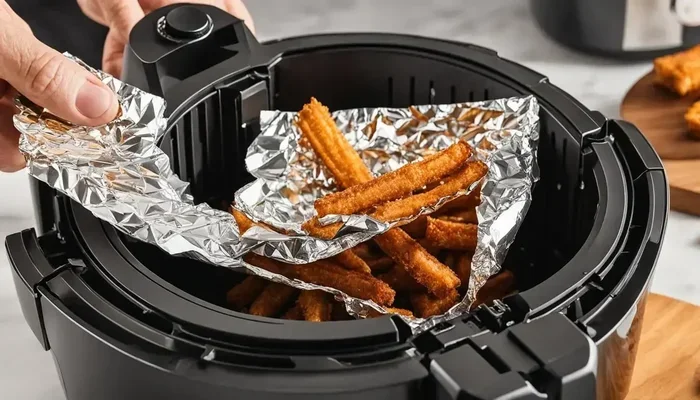
- Cover the ramekin loosely with foil.
- Air fry at 300 °F (150 °C) for 5‑6 minutes.
- Remove foil, lift egg with a slotted spoon, and drain.
Tips, Tricks, and Common Mistakes
Preheat for Consistency
Skipping preheat adds 2‑3 minutes to the cook time and can cause uneven doneness. Most models have a “preheat” button; use it every time you cook eggs.
Use a Silicone Mold or Ramekin
Metal pans conduct heat too fast, leading to rubbery edges. Silicone distributes heat gently and releases eggs cleanly. If you lack silicone, a small ceramic ramekin works well.
Watch the Temperature
Egg proteins set between 144 °F and 158 °F (62‑70 °C). Cooking above 350 °F (175 °C) will overcook the exterior before the center sets. Stick to the 270‑320 °F range for all egg styles.
Don’t Overcrowd the Basket
Air must circulate around each egg or mold. Leave at least ½ inch of space. Overcrowding leads to hot spots and undercooked centers.
Pierce Whole Shells
A tiny hole at the wide end lets steam escape, preventing the shell from cracking explosively. Use a clean thumbtack or egg piercer.
Season After Cooking
Salt draws moisture out of beaten eggs, making them watery. Add salt, pepper, herbs, or cheese after the eggs are done for the best texture.
Cleaning and Maintenance After Egg Cooking
Egg residue can bake onto the basket if left to cool. While the basket is still warm, soak it in hot, soapy water for 5 minutes. A soft brush removes any stuck bits without scratching the non‑stick coating. For silicone molds, a quick rinse and a run through the dishwasher (top rack) keeps them ready for the next batch. Regularly wipe the heating element with a damp cloth to avoid smoke from built‑up grease.
Nutritional Benefits of Air‑Fryer Eggs
One large egg provides 6 g of high‑quality protein, 5 g of fat, and essential nutrients like choline, vitamin D, and selenium. Cooking in an air fryer preserves these nutrients because the short, moderate‑heat exposure limits oxidation. A 2021 study in the Journal of Food Science found that air‑fried eggs retained 95 % of their vitamin D content versus 88 % for pan‑fried eggs. This makes the air fryer a smart choice for anyone aiming to maximize the health value of their breakfast.
Frequently Asked Questions
Can you cook an egg in an air fryer without a shell?
Yes. Beat the eggs and pour them into a silicone mold or oven‑safe dish. Cook at 300 °F for 6‑8 minutes, stirring halfway, for fluffy scrambled eggs or a set omelette.
Do you need to preheat the air fryer for eggs?
Preheating 2‑3 minutes ensures the cooking chamber reaches the target temperature, giving consistent doneness and reducing total cook time.
How long does it take to hard‑boil an egg in an air fryer?
At 270 °F, hard‑boiled eggs need about 15 minutes, followed by an ice‑water bath for easy peeling.
Is it safe to cook whole eggs in the shell in an air fryer?
It is safe if you pierce the wide end of each shell first. The hole lets steam escape and prevents the egg from cracking or exploding.
Can you make poached eggs in an air fryer?
Yes. Crack an egg into a ramekin with a little water, cover loosely with foil, and air fry at 300 °F for 5‑6 minutes for a perfect poached egg.
What temperature is best for air‑fryer scrambled eggs?
300 °F (150 °C) works well. Cook for 6 minutes, stir, then finish with 2‑3 more minutes until the curds are set but still moist.