
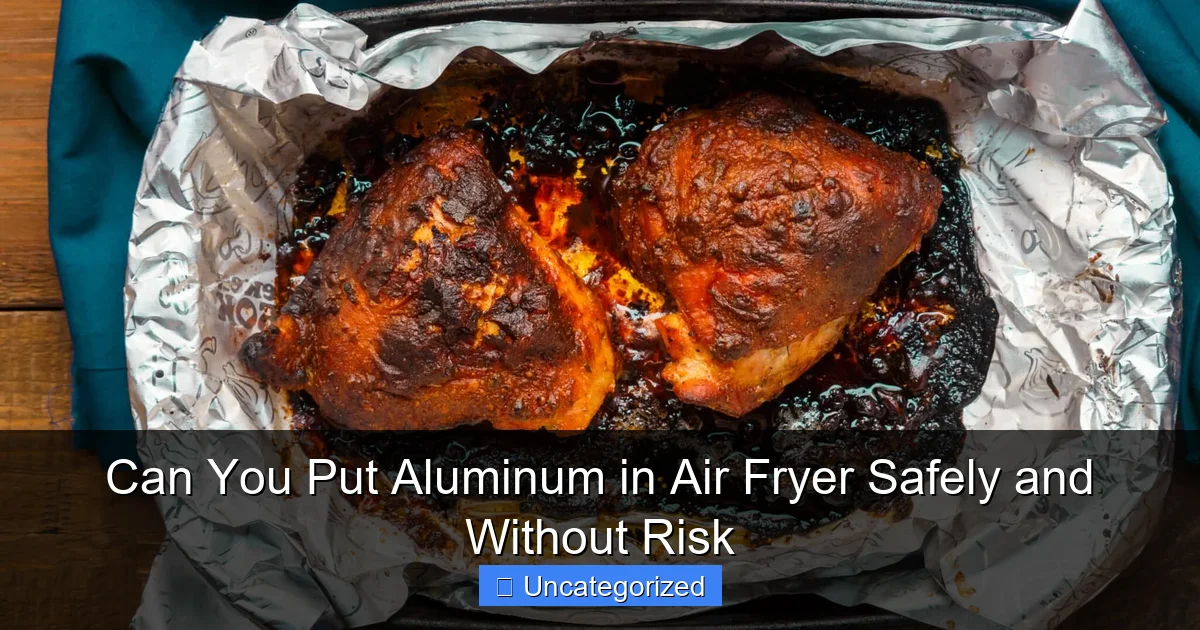
Featured image for can you put aluminum in air fryer
Image source: blogchef.net
Yes, you can safely use aluminum foil in your air fryer as long as it’s properly secured and doesn’t block airflow or touch the heating element. Always avoid crumpling or overfilling to prevent fire hazards and ensure even cooking—safety and performance go hand in hand.
Key Takeaways
- Yes, you can use aluminum foil in air fryers if it’s secured and doesn’t block airflow.
- Never let foil touch heating elements to prevent fire hazards and damage.
- Use foil for easy cleanup but avoid covering entire baskets for even cooking.
- Opt for parchment paper when possible to eliminate risks linked to aluminum.
- Avoid acidic foods with foil to prevent metallic taste and chemical reactions.
- Check your air fryer manual for manufacturer-specific guidelines on foil use.
📑 Table of Contents
- Can You Put Aluminum in Air Fryer Safely and Without Risk
- Understanding Air Fryers and How They Work
- The Science of Aluminum in High-Heat Cooking
- Can You Use Aluminum Foil in an Air Fryer?
- Using Aluminum Pans, Trays, and Dishes in Air Fryers
- Alternatives to Aluminum: Safer and More Sustainable Options
- Best Practices and Safety Tips for Using Aluminum in Air Fryers
- Conclusion
Can You Put Aluminum in Air Fryer Safely and Without Risk
Air fryers have revolutionized modern cooking, offering a healthier alternative to deep frying while delivering crispy, delicious results. From golden french fries to juicy chicken wings, these countertop appliances use rapid air circulation to cook food quickly and evenly. But as air fryer popularity soars, so do questions about what you can and cannot put inside. One of the most frequently asked questions among home cooks is: Can you put aluminum in an air fryer? Whether it’s aluminum foil, disposable aluminum pans, or trays from frozen meals, many wonder if these common kitchen staples are safe to use inside this high-heat appliance.
The short answer is: Yes, you can put aluminum in an air fryer — but with important caveats. While aluminum is generally safe when used correctly, improper use can lead to safety hazards, reduced cooking efficiency, or even damage to your air fryer. This comprehensive guide dives deep into the science, safety, and best practices for using aluminum in air fryers. We’ll explore the types of aluminum products you can use, how to avoid common pitfalls, and how to maximize your air fryer’s performance while keeping your kitchen and family safe. Whether you’re a seasoned air fryer user or just starting out, this article will equip you with the knowledge to make informed, confident decisions every time you cook.
Understanding Air Fryers and How They Work
Before determining whether aluminum is safe in your air fryer, it’s essential to understand how these appliances function. Unlike traditional ovens or microwaves, air fryers use a combination of high-speed convection and radiant heat to cook food. A powerful heating element warms the air, while a fan circulates it rapidly around the food, creating a crispy outer layer without the need for excessive oil.
Visual guide about can you put aluminum in air fryer
Image source: circaairfryer.com
Key Components of an Air Fryer
- Heating element: Located at the top, it generates intense heat (typically 175°F to 400°F / 80°C to 205°C).
- Fan: Positioned above or behind the heating element, it ensures hot air flows evenly around the food.
- Basket or drawer: Holds food and allows hot air to circulate through perforations.
- Non-stick coating: Prevents food from sticking and simplifies cleaning.
Why Airflow Matters
The secret to air frying’s success lies in unobstructed airflow. The fan must push hot air through the basket’s holes and around each piece of food. Any blockage — whether from overcrowding, improper placement of accessories, or using materials that restrict airflow — can result in uneven cooking, longer cook times, or even overheating.
For example, placing a solid aluminum pan without holes in the basket can trap hot air beneath it, causing hot spots and reducing efficiency. This is why understanding the interaction between aluminum and airflow is crucial before using it in your air fryer.
Common Air Fryer Models and Their Specifications
Most air fryers fall into two categories: basket-style (like the Philips, Ninja, or Cosori) and oven-style (like the Instant Vortex or NuWave). Basket models are more sensitive to airflow blockage, while oven models may accommodate larger accessories like trays or racks. Always check your user manual for model-specific recommendations regarding accessories and materials.
The Science of Aluminum in High-Heat Cooking
Aluminum is a lightweight, malleable, and highly conductive metal. It’s widely used in cookware and food packaging because it heats quickly and evenly. But when it comes to air fryers, the interaction between aluminum and high-velocity hot air raises important questions about safety, performance, and long-term effects.
Visual guide about can you put aluminum in air fryer
Image source: instantpoteats.com
Heat Conductivity and Thermal Transfer
Aluminum has a thermal conductivity of about 237 W/m·K, which is significantly higher than stainless steel (15–20 W/m·K) or ceramic (1–2 W/m·K). This means aluminum heats up and cools down rapidly, making it excellent for even cooking. When used correctly in an air fryer, a thin layer of aluminum foil can help conduct heat efficiently, especially for delicate items like fish or vegetables that might fall through the basket.
Melting Point and Safety Threshold
Aluminum has a melting point of 1,220°F (660°C), far above the maximum temperature of most air fryers (usually 400°F / 205°C). This means aluminum won’t melt during normal air frying. However, if the air fryer is malfunctioning, overloaded, or if aluminum is in direct contact with the heating element, localized overheating can occur. While the metal won’t melt, it can warp, discolor, or even spark if it touches the heating coil — a serious fire hazard.
Reactivity with Acidic or Salty Foods
One lesser-known concern is aluminum leaching. When aluminum comes into contact with acidic ingredients (like tomatoes, citrus, vinegar, or wine) or high-salt foods, it can react and transfer small amounts of metal into the food. While the FDA considers this amount generally safe for most people, individuals with kidney issues or metal sensitivities may want to avoid prolonged exposure.
For example, cooking a lemon-garlic salmon in a foil pouch is safe, but leaving it wrapped in foil for extended periods or reheating acidic sauces in foil may increase leaching. To minimize risk, avoid cooking highly acidic dishes directly in aluminum for long durations. Use parchment paper as a barrier if needed.
Aluminum vs. Other Metals
Compared to other metals:
- Stainless steel: Safe, non-reactive, but less conductive. Ideal for trays and racks.
- Copper: Excellent conductivity but expensive and reactive. Not recommended for air fryers.
- Cast iron: Retains heat well but too heavy and may damage non-stick coatings.
Aluminum strikes a balance between conductivity, weight, and cost — but only when used properly.
Can You Use Aluminum Foil in an Air Fryer?
Yes, aluminum foil is safe to use in an air fryer — with precautions. It’s one of the most common and practical ways to use aluminum, especially for preventing drips, protecting delicate foods, or creating custom cooking surfaces. However, improper use can lead to safety issues or suboptimal cooking results.
Safe Ways to Use Aluminum Foil
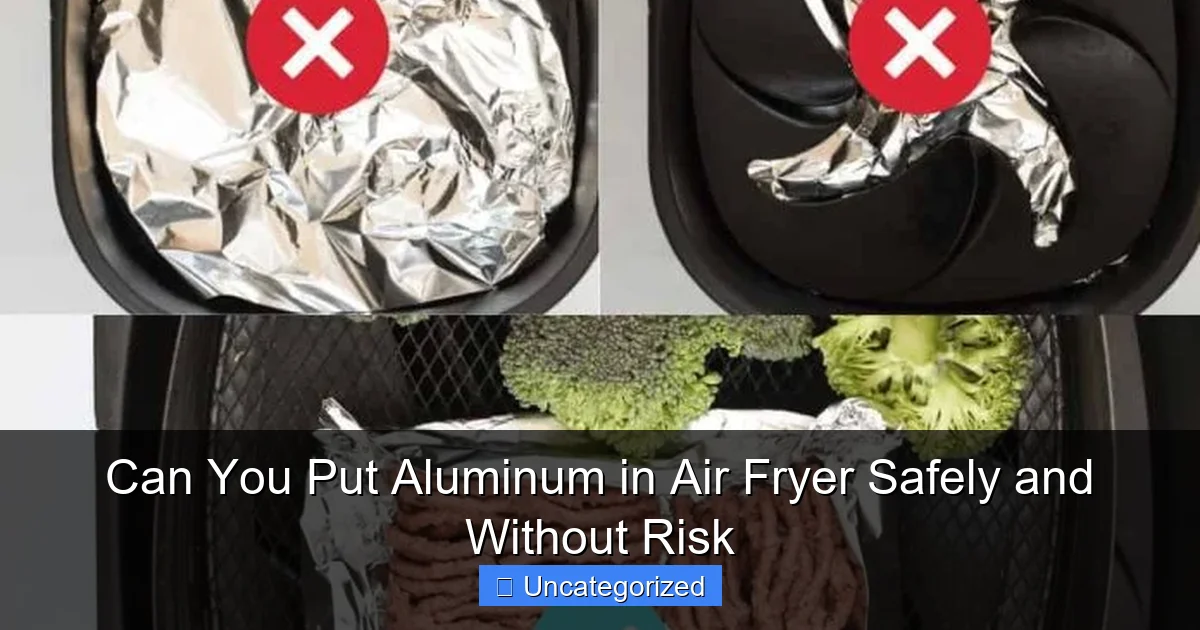
- Line the basket base: Place a small piece of foil (cut to fit) on the bottom of the air fryer basket to catch grease or food debris. Do not cover the perforations — this would block airflow. Leave at least 70% of the holes open.
- Create foil “boats”: Fold foil into shallow boats to hold small or crumbly foods like chopped vegetables, shrimp, or diced meat. This keeps food contained and prevents it from falling through the basket.
- Wrap food partially: Wrap the ends of chicken drumsticks or fish fillets to prevent overcooking, while leaving the center exposed for crisping.
- Use foil for steaming or baking: Create foil pouches (also called “en papillote”) for steaming fish, vegetables, or even small cakes. Poke small holes in the top to allow steam to escape.
When NOT to Use Aluminum Foil
- Never cover the entire basket: Blocking airflow defeats the purpose of air frying and can cause overheating.
- Don’t let foil touch the heating element: Even a small piece can spark or ignite. Keep foil at least 1 inch (2.5 cm) away from the top.
- Avoid crumpling foil into tight balls: Sharp edges can scratch non-stick coatings or puncture the basket.
- Don’t use foil in microwave-air fryer combos: Some appliances have dual functions. Never use metal in microwave mode.
Pro Tips for Foil Use
- Use heavy-duty aluminum foil (0.024 mm or thicker) — it’s less likely to tear or blow around.
- Pre-cut foil pieces to size before cooking to avoid handling hot surfaces.
- After cooking, let the basket cool slightly before removing foil to prevent burns.
- For eco-conscious users, consider reusable silicone mats or parchment paper as alternatives.
Real-World Example: Crispy Chicken Tenders
To make juicy, crispy chicken tenders in an air fryer:
- Cut foil into a rectangle slightly smaller than the basket.
- Place it at the bottom to catch breading crumbs.
- Arrange breaded tenders on the rack, leaving space between them.
- Cook at 375°F (190°C) for 12–14 minutes, flipping halfway.
- Remove foil and clean easily — no scrubbing required!
This method keeps the air fryer clean and ensures even cooking without blocking airflow.
Using Aluminum Pans, Trays, and Dishes in Air Fryers
Many frozen meals come in aluminum trays, and disposable aluminum baking pans are common for parties or meal prep. Can you use these in your air fryer? The answer depends on the type, size, and design of the pan.
Types of Aluminum Pans and Their Suitability
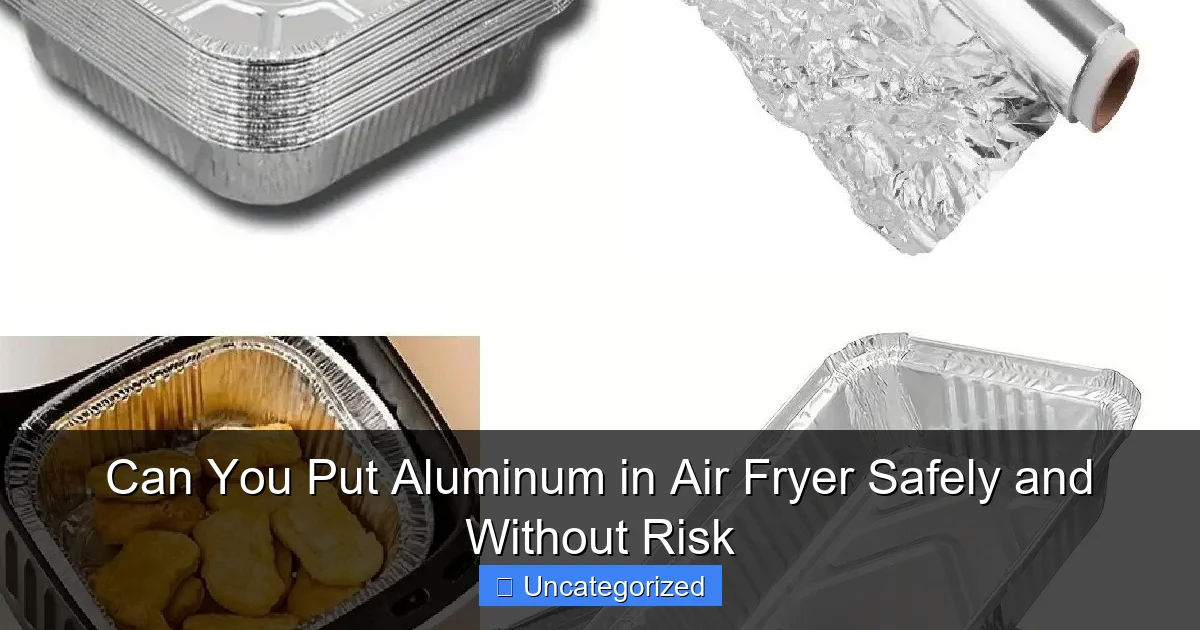
| Pan Type | Safe for Air Fryer? | Notes |
|---|---|---|
| Disposable aluminum pans (e.g., foil pans) | ✅ Yes, with conditions | Must have holes or be placed on a rack. Avoid deep, solid pans. |
| Frozen meal trays (e.g., Lean Cuisine) | ✅ Yes, if labeled “air fryer safe” | Check for ventilation holes. Do not use microwave-only trays. |
| Aluminum baking sheets (perforated) | ✅ Yes | Ideal for baking cookies, roasting veggies, or reheating. |
| Solid aluminum roasting pans | ❌ No | Blocks airflow; not suitable for air fryers. |
| Aluminum cake pans (with holes) | ✅ Yes | Use for baking cakes, brownies, or casseroles. Elevate on a rack. |
Best Practices for Using Aluminum Pans
- Elevate the pan: Place the aluminum pan on an air fryer-safe rack or trivet to allow air to circulate underneath. This prevents hot spots and ensures even cooking.
- Use pans with ventilation: Choose pans with small holes or a mesh bottom. If the pan is solid, drill 5–10 small holes in the base (¼ inch diameter).
- Check weight and stability: Lightweight pans may shift during cooking. Use pans that fit snugly and don’t wobble.
- Preheat the pan (optional): For baking, preheat the pan in the air fryer for 2–3 minutes to improve crust formation.
Creative Uses for Aluminum Pans
- Reheat leftovers: Use an aluminum tray to reheat lasagna, shepherd’s pie, or casseroles without drying them out.
- Make mini pizzas: Line a small foil pan with dough, add toppings, and air fry for a crispy, individual pizza in 10 minutes.
- Roast vegetables: Chop veggies, toss with oil and seasonings, spread in a perforated aluminum tray, and cook at 380°F (193°C) for 15–20 minutes.
- Bake desserts: Use a small aluminum cake pan to make air fryer brownies or mini cheesecakes.
Caution: Avoid These Mistakes
- Never place a full-sized aluminum roasting pan (like a turkey pan) in a standard air fryer — it won’t fit and will block airflow.
- Don’t use aluminum pans with plastic lids — plastic can melt at high temperatures.
- Avoid pans with non-stick coatings that may contain PFOA or other harmful chemicals.
Alternatives to Aluminum: Safer and More Sustainable Options
While aluminum is generally safe when used correctly, some users prefer to avoid it due to environmental concerns, health sensitivities, or a desire for more durable cookware. Fortunately, several excellent alternatives are air fryer-friendly.
1. Parchment Paper
Perforated or unperforated parchment paper is ideal for lining the basket or wrapping food. It’s non-stick, heat-resistant (up to 425°F / 220°C), and prevents food from sticking without blocking airflow. Use it for:
- Preventing small items from falling through
- Steaming fish or vegetables
- Reducing mess from saucy dishes
Tip: Cut parchment into circles with small holes punched in the center to allow air circulation.
2. Silicone Mats and Liners
Reusable silicone baking mats are a sustainable alternative to foil. They’re non-stick, heat-resistant, and can be used hundreds of times. Choose mats designed for air fryers with perforations. They’re perfect for:
- Preventing drips
- Keeping the basket clean
- Handling sticky foods like marinated chicken
3. Stainless Steel Trays and Racks
Many air fryer brands sell stainless steel accessories like racks, trays, and skewers. These are durable, non-reactive, and promote even cooking. Use them for:
- Elevating food for better airflow
- Roasting vegetables or meats
- Making kebabs or shish kabobs
4. Ceramic and Glass Dishes (with caution)
Heat-resistant ceramic or glass dishes (e.g., ramekins, mini casserole dishes) can be used in air fryers. However:
- Ensure they fit without blocking airflow
- Preheat them gradually to prevent cracking
- Use only oven-safe, tempered glass
5. DIY Solutions
For budget-friendly options:
- Use a small metal cooling rack placed inside the basket
- Cut a silicone baking mat to fit the basket
- Use banana leaves or corn husks for a natural, biodegradable liner (for steaming)
Pro Tip: Keep a set of reusable accessories — silicone mat, stainless steel rack, and perforated parchment — for different cooking needs. This reduces waste and saves money over time.
Best Practices and Safety Tips for Using Aluminum in Air Fryers
To use aluminum safely and effectively in your air fryer, follow these expert-backed best practices. These tips will help you avoid accidents, extend the life of your appliance, and achieve perfect results every time.
1. Always Check Your User Manual
Manufacturers provide specific guidelines for each model. Some air fryers explicitly allow aluminum foil, while others caution against it. For example:
- Ninja Air Fryers: “Foil may be used, but do not cover the heating element.”
- Cosori Air Fryers: “Use foil only on the basket base, not on the sides or top.”
When in doubt, contact customer support or stick to approved accessories.
2. Prioritize Airflow
Never block more than 30% of the basket’s perforations. Use aluminum only where necessary — for containment or protection, not as a full liner. If you notice uneven cooking or longer cook times, you may be restricting airflow.
3. Monitor Cooking Closely
When using aluminum for the first time, check the air fryer every 5 minutes. Look for:
- Smoke or sparks
- Foil moving or touching the heating element
- Uneven browning
Adjust or remove aluminum if any issues arise.
4. Clean and Maintain Your Air Fryer
After using aluminum:
- Remove foil or pans promptly
- Wipe the basket with a damp cloth
- Check for food residue or grease buildup
- Inspect the heating element for debris
Regular cleaning prevents fire hazards and maintains performance.
5. Use Aluminum for the Right Reasons
Aluminum is best for:
- Reducing cleanup
- Protecting delicate foods
- Creating custom cooking surfaces
It’s not necessary for every recipe. For simple tasks like roasting potatoes or air frying chicken wings, the bare basket works perfectly.
6. Know When to Avoid Aluminum
Skip aluminum if:
- You’re cooking highly acidic or salty foods for long periods
- Your air fryer is malfunctioning or overheating
- You’re using a microwave-air fryer combo
- You have health concerns about metal exposure
Final Tip: Keep a notebook or digital log of what works best. Note which aluminum methods you used, cook times, and results. This helps refine your technique over time.
Conclusion
So, can you put aluminum in an air fryer safely and without risk? Yes — as long as you follow proper guidelines and use common sense. Aluminum foil, pans, and trays can be valuable tools for enhancing your air frying experience, making cleanup easier, protecting delicate foods, and expanding your recipe options. However, safety must always come first.
Remember the key principles: never block airflow, keep aluminum away from the heating element, avoid prolonged exposure to acidic foods, and always prioritize your appliance’s design. Whether you choose to use aluminum foil to catch drips, a perforated pan for roasting veggies, or a foil pouch for steaming fish, doing so correctly ensures delicious results and a longer lifespan for your air fryer.
For those who prefer to avoid aluminum, numerous safe and sustainable alternatives — like parchment paper, silicone mats, and stainless steel accessories — offer similar benefits without the risks. Ultimately, the choice depends on your cooking needs, health considerations, and environmental values.
By understanding how air fryers work, the science behind aluminum, and the best practices for safe use, you can confidently harness the power of this versatile appliance. Whether you’re making crispy fries, tender salmon, or homemade desserts, you now have the knowledge to cook smarter, safer, and more deliciously — with or without aluminum. Happy air frying!
Frequently Asked Questions
Can you put aluminum foil in an air fryer safely?
Yes, you can put aluminum foil in an air fryer, but it must be used properly to avoid safety risks. Always ensure the foil is weighted down with food or secured to prevent it from flying into the heating element and causing sparks or fire.
Is it safe to cook with aluminum in an air fryer?
Cooking with aluminum in an air fryer is generally safe if you avoid loose foil or large pieces that could block airflow. Use small, secured pieces to line the basket or wrap foods, and never cover the crisper plate completely.
Can you put aluminum in an air fryer without damaging it?
Yes, placing aluminum in an air fryer won’t damage the appliance if used correctly. Avoid letting the foil touch the heating element or fan, and keep it flat to maintain proper air circulation for even cooking.
Why do people use aluminum foil in air fryers?
People use aluminum foil in air fryers to simplify cleanup, prevent food from sticking, and trap moisture. It’s especially helpful when cooking messy items like marinated meats or cheesy dishes.
What are the risks of putting aluminum in an air fryer?
The main risks include foil flying into the heating element, causing sparks or fire, or blocking airflow and reducing cooking efficiency. Always secure the foil tightly and avoid using it near exposed heating components.
Can you use aluminum trays or pans in an air fryer?
Yes, small aluminum trays or pans can be used in an air fryer, provided they fit without blocking airflow. Choose oven-safe, low-profile containers and ensure they’re placed securely in the basket to avoid tipping.