
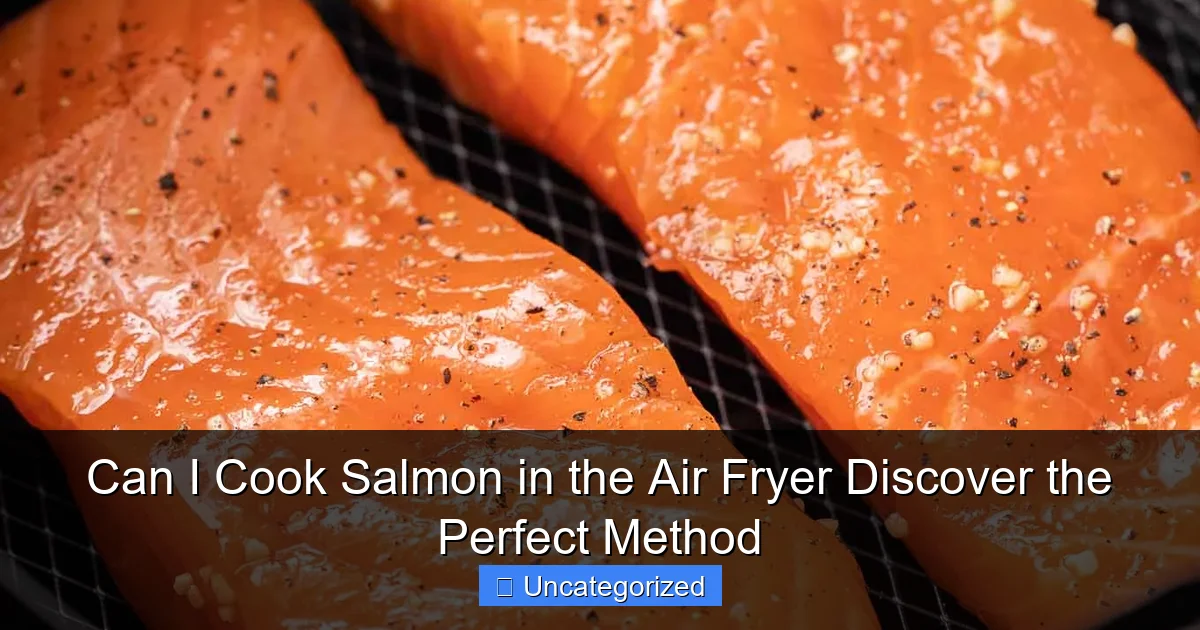
Featured image for can i cook salmon in the air fryer
Image source: platedcravings.com
Yes, you can cook salmon in the air fryer—and it’s one of the fastest, healthiest ways to achieve perfectly flaky, restaurant-quality results. With minimal oil and precise temperature control, the air fryer locks in moisture while delivering a deliciously crisp exterior in under 15 minutes. Follow simple seasoning and timing tips to ensure your salmon turns out tender, juicy, and full of flavor every time.
Key Takeaways
- Yes, you can cook salmon in the air fryer—it’s quick and yields perfectly flaky results.
- Preheat the air fryer to ensure even cooking and a crisp exterior.
- Season generously with salt, pepper, and herbs for maximum flavor.
- Cook at 375°F (190°C) for 8–12 minutes, depending on thickness.
- Use parchment paper to prevent sticking and simplify cleanup.
- Check internal temperature—145°F (63°C) ensures safe, tender salmon.
📑 Table of Contents
- Can I Cook Salmon in the Air Fryer? Discover the Perfect Method
- Why the Air Fryer Is Ideal for Cooking Salmon
- Choosing the Best Salmon for Air Frying
- Step-by-Step Guide to Perfect Air Fryer Salmon
- Flavor Variations and Seasoning Ideas
- Troubleshooting Common Air Fryer Salmon Mistakes
- Pairing and Serving Suggestions
Can I Cook Salmon in the Air Fryer? Discover the Perfect Method
When it comes to cooking salmon, most people default to the stovetop or oven—but what if there was a faster, more efficient, and equally delicious way? Enter the air fryer: a kitchen appliance that has revolutionized how we prepare meals. If you’ve ever asked, “Can I cook salmon in the air fryer?”, the answer is a resounding yes—and not just any salmon, but flaky, juicy, restaurant-quality fillets in under 15 minutes. Whether you’re a busy parent, a health-conscious eater, or a home cook looking to simplify dinner prep, air fryer salmon offers the perfect balance of speed, flavor, and nutrition.
Salmon is a nutritional powerhouse—packed with omega-3 fatty acids, high-quality protein, and essential vitamins like B12 and D. But traditional cooking methods can be time-consuming or lead to overcooking, especially if you’re not a confident cook. The air fryer solves both problems. Using rapid hot air circulation, it crisps the exterior of the salmon while locking in moisture, delivering a perfectly cooked interior every time. In this guide, we’ll explore everything you need to know about cooking salmon in the air fryer, from selecting the right cut to mastering flavor profiles, troubleshooting common mistakes, and even adapting recipes for dietary needs. By the end, you’ll have the confidence to make air fryer salmon a staple in your weekly rotation.
Why the Air Fryer Is Ideal for Cooking Salmon
How Air Frying Works for Delicate Proteins
Air fryers use convection technology to circulate hot air around food at high speed, creating a crisp exterior without submerging the food in oil. This method is particularly effective for salmon because it mimics the searing effect of a grill or stovetop pan while minimizing the risk of overcooking. Unlike boiling or steaming, which can leave salmon bland or soggy, air frying enhances flavor and texture. The intense, even heat quickly sears the surface, locking in juices and creating a golden, slightly crisp skin—especially when the skin is left on.
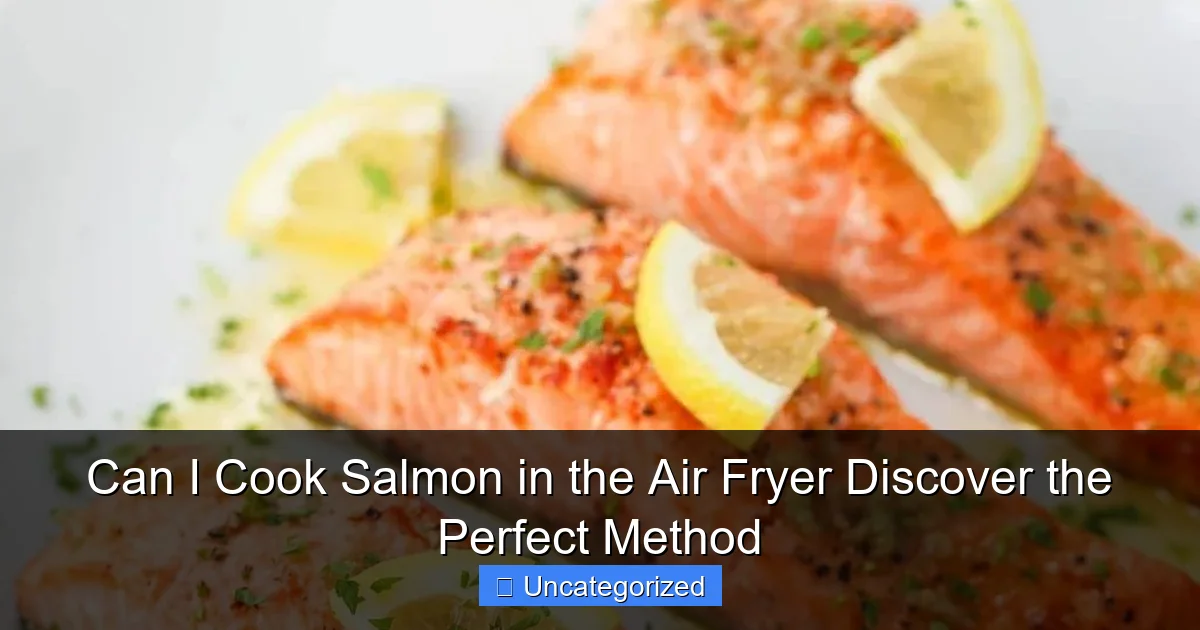
Visual guide about can i cook salmon in the air fryer
Image source: littlesunnykitchen.com
For salmon, which is naturally rich in oils, the air fryer’s ability to render excess fat is a game-changer. As the fillet heats, the natural fats melt away, basting the fish from within and preventing dryness. This means you don’t need to add large amounts of oil to achieve a moist, flavorful result. In fact, many air fryer salmon recipes use just a light spray of olive oil or a brush of avocado oil for crispness and flavor.
Time and Energy Efficiency
One of the biggest advantages of using an air fryer for salmon is speed. Preheating the air fryer takes just 2–3 minutes, compared to 10–15 minutes for an oven. Cooking time for a standard 6-ounce salmon fillet is typically 8–12 minutes, depending on thickness and desired doneness. That means you can go from fridge to plate in under 15 minutes—ideal for weeknight dinners or last-minute meals.
Additionally, air fryers use up to 75% less energy than conventional ovens, making them a more eco-friendly and cost-effective option. They also produce less heat, keeping your kitchen cooler during summer months. For those with limited stovetop or oven space, the air fryer is a compact, versatile solution that can handle everything from salmon to vegetables, chicken wings, and even desserts.
Health Benefits of Air Frying Salmon
Salmon is already a heart-healthy food, but cooking it in the air fryer amplifies its nutritional benefits. Because air frying requires little to no added oil, you’re reducing unnecessary calories and saturated fats without sacrificing taste or texture. A 6-ounce salmon fillet cooked in the air fryer typically retains over 95% of its omega-3 content, whereas pan-frying with butter or oil can degrade these sensitive fats due to high heat exposure.
Studies show that air frying can reduce acrylamide formation (a potentially harmful compound created during high-heat cooking) by up to 90% compared to deep frying. This makes air-fried salmon not only tastier but also safer for long-term consumption. For those managing conditions like high cholesterol, diabetes, or hypertension, air fryer salmon is a smart, doctor-approved choice.
Choosing the Best Salmon for Air Frying
Fresh vs. Frozen: What’s the Difference?
When it comes to air frying salmon, both fresh and frozen fillets can yield excellent results—but preparation differs slightly. Fresh salmon is ideal if you’re cooking the same day or within 24 hours of purchase. Look for firm, vibrant pink flesh with a clean, ocean-like scent. Avoid fillets that appear dull, slimy, or have a strong fishy odor.

Visual guide about can i cook salmon in the air fryer
Image source: karalydon.com
Frozen salmon, on the other hand, is a convenient and often more affordable option. High-quality frozen salmon (especially flash-frozen at sea) can be just as nutritious and flavorful as fresh. The key is proper thawing. Never cook salmon directly from frozen in the air fryer—it leads to uneven cooking and a soggy texture. Instead, thaw it overnight in the refrigerator or use the cold water method: place the sealed salmon in a bowl of cold water, changing the water every 30 minutes until fully thawed (about 1–2 hours).
Wild vs. Farmed: Flavor and Sustainability
The debate between wild and farmed salmon is ongoing, but for air frying, the choice impacts both taste and cooking time. Wild salmon (like Alaskan sockeye or king) tends to have a deeper, more intense flavor and leaner texture. Because it’s lower in fat, wild salmon may cook slightly faster and requires closer monitoring to avoid drying out. It’s also more expensive but often considered more sustainable and eco-friendly.
Farmed salmon (typically Atlantic) is higher in fat and has a milder, buttery flavor. The extra fat helps it retain moisture during air frying, making it more forgiving for beginners. Farmed salmon is widely available and budget-friendly, but sustainability varies by farm. Look for certifications like ASC (Aquaculture Stewardship Council) or BAP (Best Aquaculture Practices) to ensure ethical sourcing.
Skin-On vs. Skinless: Which Should You Choose?
This is a matter of preference, but for air frying, skin-on fillets are highly recommended. The skin acts as a protective layer, preventing the delicate flesh from drying out and sticking to the air fryer basket. When properly air fried, the skin becomes crispy and delicious—similar to salmon skin cracklings. Plus, the skin helps hold the fillet together, making it easier to flip or remove.
If you prefer skinless salmon, no problem—just take extra care not to overcook it. Use a silicone liner or parchment paper with holes to prevent sticking. Skinless fillets cook slightly faster, so check doneness 1–2 minutes earlier than recommended. For maximum flavor, consider scoring the skin side lightly before seasoning to allow marinades to penetrate deeper.
Step-by-Step Guide to Perfect Air Fryer Salmon
Preparing the Salmon Fillet
Start by patting the salmon dry with paper towels—this removes surface moisture and ensures better browning. If the fillet has skin, make sure it’s clean and free of scales. For even cooking, trim any uneven edges so the fillet is uniform in thickness. Thicker parts will cook slower, so trimming helps prevent overcooking in thinner areas.
Season the salmon generously. A basic seasoning blend might include: 1 tsp olive oil, 1/2 tsp salt, 1/4 tsp black pepper, 1/2 tsp garlic powder, and 1/4 tsp paprika. For extra flavor, add lemon zest, dill, or a splash of soy sauce. Let the seasoned salmon rest at room temperature for 10–15 minutes to allow the seasoning to penetrate and the fish to warm slightly—this promotes even cooking.
Air Fryer Settings and Timing
Preheat your air fryer to 390°F (200°C) for 2–3 minutes. This step is crucial—it ensures the salmon starts cooking immediately, sealing in juices. Place the salmon in the basket, skin-side down if applicable, leaving space between fillets for air circulation. Overcrowding leads to steaming instead of crisping.
For a 1-inch thick fillet, cook for 8–10 minutes. Thicker fillets (1.5 inches) may need 11–13 minutes. Use a meat thermometer to check internal temperature: 125°F (52°C) for medium-rare, 135°F (57°C) for medium, and 145°F (63°C) for well-done. Remember, the salmon will continue to cook slightly after removal (carryover cooking), so aim for 5–10°F below your target temp.
Flipping, Basting, and Finishing Touches
Most air fryer salmon doesn’t require flipping, especially if you’re using skin-on fillets. The skin will crisp beautifully on its own. However, if you’re using skinless salmon or want extra browning, flip it halfway through using silicone-tipped tongs or a spatula. Avoid metal utensils—they can scratch the non-stick basket.
For added flavor, baste the salmon with a glaze during the last 2–3 minutes. Try a honey-soy glaze, maple-mustard sauce, or lemon-butter drizzle. This adds a glossy, restaurant-style finish without overcooking the fish. Garnish with fresh herbs (dill, parsley, or chives), a squeeze of lemon, or a sprinkle of sesame seeds before serving.
Flavor Variations and Seasoning Ideas
Classic Herbs and Citrus
For a timeless, Mediterranean-inspired flavor, use a blend of fresh dill, lemon zest, garlic, and olive oil. The dill complements salmon’s richness, while lemon brightens the dish. Add a pinch of red pepper flakes for a subtle kick. This version pairs perfectly with roasted asparagus or a Greek salad.
Another favorite: lemon-herb butter. Mix softened butter with lemon juice, minced garlic, parsley, and a dash of Dijon mustard. Spread a thin layer on the salmon before air frying. The butter melts into the fish, creating a luxurious, velvety texture.
Asian-Inspired Glazes and Marinades
Transform your air fryer salmon into an Asian feast with bold, umami-rich flavors. Try a soy-ginger marinade: 2 tbsp soy sauce, 1 tbsp mirin, 1 tsp grated ginger, 1 minced garlic clove, and 1 tsp honey. Marinate the salmon for 20–30 minutes, then air fry and garnish with scallions and sesame seeds.
For a sweet and spicy option, use a teriyaki glaze. Simmer 1/4 cup soy sauce, 2 tbsp honey, 1 tbsp rice vinegar, 1 tsp grated ginger, and 1/2 tsp cornstarch until thickened. Brush on the salmon during the last 2 minutes of cooking. Serve with steamed rice and stir-fried vegetables.
Spicy, Smoky, and Bold Profiles
If you love heat, try a chipotle-lime rub. Combine 1 tsp smoked paprika, 1/2 tsp chipotle powder, 1/2 tsp cumin, 1/4 tsp garlic powder, juice of 1/2 lime, and 1 tsp olive oil. Rub onto the salmon and air fry. The smoky spice pairs well with mango salsa or avocado salad.
For a Cajun twist, use a blackened seasoning blend (paprika, cayenne, thyme, oregano, garlic powder, salt). Coat the salmon lightly and air fry. The high heat creates a spicy, charred crust—perfect with corn on the cob and coleslaw.
Troubleshooting Common Air Fryer Salmon Mistakes
Overcooked or Dry Salmon
The most common mistake is cooking salmon too long. Remember: salmon continues to cook after removal from the air fryer. Use a meat thermometer to monitor doneness, and pull the fillet at 125–130°F for medium. If you accidentally overcook it, don’t panic—serve it flaked over a salad or in a chowder to mask the dryness.
Another cause of dryness is overcrowding the basket. Air needs to circulate freely to create crispness and even heat. Cook no more than 2 standard fillets at a time in a 5–6 quart air fryer.
Soggy Skin or Uneven Cooking
If the skin is soggy, the salmon wasn’t patted dry enough before cooking, or the air fryer wasn’t preheated. Always preheat and dry the fillet thoroughly. For extra crisp skin, lightly score the skin side with a knife before seasoning—this helps fat render out and creates a crunchy texture.
Uneven cooking often results from fillets of varying thickness. Trim thick ends or fold them under so the entire fillet is the same height. Alternatively, cut large fillets into smaller, uniform pieces.
Sticking to the Basket
To prevent sticking, lightly spray the air fryer basket with cooking oil or use a silicone liner. Parchment paper with holes works too—just make sure it’s cut to size so air can still circulate. Never use aluminum foil directly on the basket, as it can block airflow and cause overheating.
If the salmon sticks, let it cook a little longer. The fish will naturally release from the surface when properly seared. Use a flexible silicone spatula to gently lift it.
Pairing and Serving Suggestions
Side Dishes That Complement Air Fryer Salmon
Salmon is incredibly versatile and pairs well with a wide range of sides. For a light, healthy meal, serve it with roasted vegetables (zucchini, bell peppers, broccoli) or a quinoa and arugula salad with lemon vinaigrette. The air fryer can cook both salmon and veggies simultaneously—just place the veggies in the basket first, then add the salmon on top.
For a heartier dinner, try mashed sweet potatoes or garlic butter ricedill sauce (mix Greek yogurt, lemon juice, chopped dill, and garlic) adds a refreshing contrast to the rich fish.
Meal Prep and Leftover Ideas
Air fryer salmon is perfect for meal prep. Cook a batch on Sunday and store in an airtight container for up to 3 days. Reheat in the air fryer at 350°F for 3–4 minutes to restore crispness. Use leftovers in salmon grain bowls, salmon tacos, or smoked salmon-style bagel sandwiches with cream cheese and capers.
For a quick lunch, flake the salmon and mix with mayo, celery, and herbs for a salmon salad—great in wraps or on toast.
Wine and Beverage Pairings
Salmon’s rich, buttery texture pairs beautifully with Chardonnay or Pinot Noir. For a non-alcoholic option, try sparkling water with lemon and a splash of elderflower syrup. Iced green tea or a crisp cucumber-mint cooler also complement the dish without overpowering it.
| Salmon Type | Cook Time (1-inch fillet) | Ideal Internal Temp | Best Flavor Pairings |
|---|---|---|---|
| Wild Salmon (Sockeye) | 8–9 minutes | 125–130°F | Lemon, dill, garlic, olive oil |
| Farmed Atlantic | 9–10 minutes | 130–135°F | Soy-ginger, teriyaki, honey-mustard |
| Skin-on Fillet | 10–12 minutes | 135°F | Chipotle-lime, Cajun, blackened |
| Skinless Fillet | 8–9 minutes | 125–130°F | Herbed butter, lemon-herb, pesto |
So, can you cook salmon in the air fryer? Absolutely—and you should. With its unmatched speed, ease of use, and ability to deliver restaurant-quality results at home, the air fryer is the ultimate tool for cooking salmon. Whether you’re a seasoned chef or a kitchen novice, this method empowers you to create flavorful, healthy meals in minutes. From choosing the right cut to mastering seasoning and avoiding common pitfalls, you now have all the knowledge to make air fryer salmon a go-to in your culinary repertoire. Don’t just take our word for it—fire up your air fryer tonight and taste the difference for yourself. Your taste buds (and your schedule) will thank you.
Frequently Asked Questions
Can I cook salmon in the air fryer without it drying out?
Yes, cooking salmon in the air fryer is a great way to retain moisture if done correctly. Use a 375°F (190°C) setting and cook for 8-12 minutes, depending on thickness, to keep it tender and juicy.
What’s the best way to cook salmon in the air fryer for a crispy skin?
For crispy skin, pat the salmon dry, brush it lightly with oil, and place it skin-side down in the air fryer. Cook at 390°F (200°C) for 10-12 minutes, ensuring the skin gets golden and crunchy.
How long should I cook salmon in the air fryer to achieve the perfect texture?
For a 1-inch thick salmon fillet, cook at 375°F (190°C) for 9-11 minutes. Use a meat thermometer to confirm it reaches 145°F (63°C) at the thickest part for ideal doneness.
Do I need to flip salmon when cooking it in the air fryer?
Flipping isn’t always necessary, but for even browning, flip the salmon halfway through cooking. Just ensure the air fryer basket is lightly oiled to prevent sticking.
Can I use frozen salmon in the air fryer, or does it need to be thawed?
You can cook frozen salmon directly in the air fryer, but increase the cooking time by 5-7 minutes. For best results, thaw it first to ensure even cooking and better seasoning absorption.
What seasonings work best for air fryer salmon?
Simple seasonings like salt, pepper, garlic powder, lemon juice, and olive oil work wonderfully. For a flavor boost, try a marinade of soy sauce, honey, and dill before air frying.