
Featured image for can i put a glass bowl in the air fryer
Image source: cookeryspace.com
Yes, you can safely put a glass bowl in the air fryer—but only if it’s labeled oven-safe and can withstand high temperatures (typically 400°F+). Always check the manufacturer’s guidelines and avoid sudden temperature changes to prevent cracking or shattering. Never use regular glass or non-heat-resistant bowls, as they pose a serious safety risk.
Key Takeaways
- Check for air fryer-safe labels: Only use glass bowls explicitly labeled for air fryer use.
- Avoid sudden temperature changes: Preheat the bowl to prevent thermal shock and breakage.
- Use tempered glass: Opt for borosilicate or tempered glass for higher heat resistance.
- Ensure proper fit: Choose a bowl that leaves space for air circulation inside the basket.
- Never place cold glass in a hot fryer: Always warm the bowl gradually to avoid cracking.
- Monitor cooking closely: High heat can stress glass—watch for discoloration or damage.
📑 Table of Contents
- Can I Put a Glass Bowl in the Air Fryer Safely
- Understanding How Air Fryers Work and Their Heat Dynamics
- Types of Glass and Their Air Fryer Compatibility
- Risks of Using Glass in an Air Fryer (and How to Avoid Them)
- Best Practices for Using Glass Bowls in the Air Fryer
- Alternatives to Glass and When to Use Them
- Conclusion: Safe, Smart, and Delicious Air Fryer Cooking with Glass
Can I Put a Glass Bowl in the Air Fryer Safely
Air fryers have revolutionized home cooking, offering a healthier alternative to deep frying with crisp, golden results. Their rapid circulation of hot air mimics frying with minimal oil, making them a kitchen staple for busy families and health-conscious eaters. But as their popularity grows, so do the questions—especially about what cookware is safe to use inside them. One of the most common queries: Can I put a glass bowl in the air fryer safely?
While it might seem convenient to pop a Pyrex bowl, casserole dish, or even a leftover takeout container into your air fryer, the answer isn’t as straightforward as a simple “yes” or “no.” Glass cookware can be a fantastic tool for air frying certain dishes—think baked oatmeal, quiches, or even mini lasagnas—but only if used correctly. The key lies in understanding the type of glass, the temperature limits, and the thermal shock risks. In this comprehensive guide, we’ll explore the science behind glass in high-heat environments, examine which types of glass are safe, and provide practical tips to help you use glass bowls in your air fryer without risking damage or danger. Whether you’re a seasoned air fryer enthusiast or a curious beginner, this guide will equip you with the knowledge to make informed decisions and unlock new culinary possibilities.
Understanding How Air Fryers Work and Their Heat Dynamics
The Science of Rapid Air Circulation
Air fryers operate on the principle of convection cooking. A powerful heating element, typically located at the top of the unit, heats the air, which is then circulated rapidly by a fan. This process ensures even cooking and crisping of food surfaces, mimicking the results of deep frying with just a fraction of the oil. Most air fryers reach temperatures between 300°F and 400°F (149°C to 204°C), depending on the model and setting. Some high-end models can even reach 450°F (232°C) for searing or broiling.
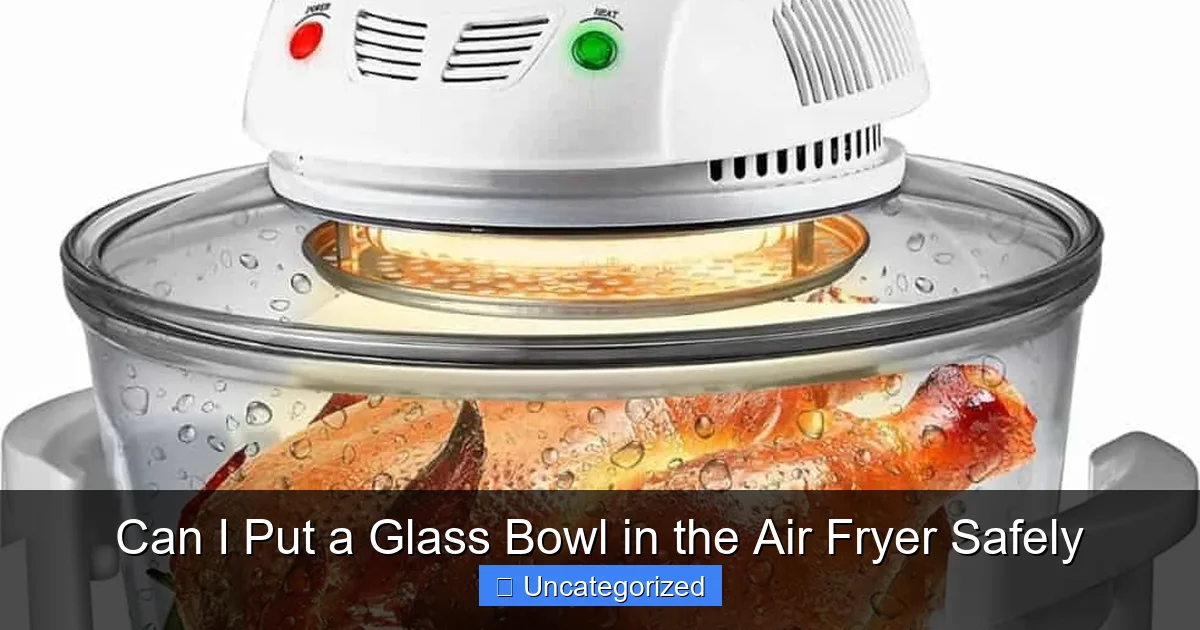
Visual guide about can i put a glass bowl in the air fryer
Image source: everydayfamilycooking.com
This intense, focused heat is what makes air fryers so effective—but it also means that any cookware placed inside must be able to withstand rapid temperature changes and high heat. Unlike ovens, where heat is more evenly distributed and gradual, air fryers deliver heat in a concentrated, fast-moving stream. This can create hot spots and increase the risk of thermal shock, especially for materials not designed for such conditions.
Why Cookware Matters in Air Frying
Not all containers are created equal when it comes to air fryers. The cookware must meet several criteria:
- Heat resistance: It must withstand temperatures up to 400°F without cracking or melting.
- Thermal shock resistance: It should handle sudden temperature changes (e.g., cold glass placed in a hot air fryer).
- Size and shape: It must fit within the air fryer basket without blocking airflow, which is essential for even cooking.
- Non-toxic and food-safe: The material shouldn’t leach chemicals into food at high temperatures.
Glass is often praised for being non-reactive and easy to clean, but its suitability in air fryers depends heavily on the type of glass and how it’s used. For example, a cold glass bowl taken directly from the refrigerator and placed into a preheated air fryer at 400°F is at high risk of shattering due to thermal shock. Understanding these dynamics is crucial before deciding to use glass.
Types of Glass and Their Air Fryer Compatibility
Tempered Glass (Borosilicate and Soda-Lime)
Not all glass is the same. The two most common types used in kitchenware are borosilicate glass and tempered soda-lime glass, both of which are marketed as “heat-resistant.”

Visual guide about can i put a glass bowl in the air fryer
Image source: kitchenwaresets.com
- Borosilicate glass (e.g., Pyrex, Duralex, CorningWare) contains boron trioxide, which gives it superior thermal expansion resistance. It can typically withstand temperatures up to 572°F (300°C) and is highly resistant to thermal shock. This makes it the best choice for air fryer use, provided it’s not subjected to extreme temperature changes.
- Tempered soda-lime glass (common in many glass bowls and casserole dishes) is strengthened through a thermal or chemical process. While it’s stronger than regular glass, it has lower thermal shock resistance than borosilicate. It’s generally safe up to 425°F (218°C), but sudden temperature shifts can cause it to crack.
Example: A Pyrex 2-quart casserole dish (borosilicate) can safely be used in an air fryer at 375°F to bake a frittata. However, a standard glass mixing bowl (soda-lime) from the dollar store may not be rated for such high heat and could fail under stress.
Non-Tempered Glass and Why It’s a No-Go
Regular, non-tempered glass—such as drinking glasses, vases, or decorative bowls—is not safe for air fryer use. These types lack the structural reinforcement needed to handle high heat and rapid temperature changes. Even if they appear thick or sturdy, they are highly susceptible to cracking or shattering.
Warning: Never use glassware labeled as “decorative,” “hand-blown,” or “art glass” in an air fryer. These are not designed for cooking and may contain impurities or uneven thickness that increase breakage risk.
Glass Lids and Venting Considerations
Many glass bowls come with matching glass or plastic lids. While the bowl itself may be safe, the lid often isn’t. Plastic lids can melt at high temperatures, and glass lids may not be designed for the same thermal stress as the bowl. If you need to cover food, use air fryer-safe alternatives like:
- Perforated parchment paper
- Silicone lids (designed for air fryers)
- Aluminum foil (poked with holes to allow airflow)
Remember: Covering food in an air fryer reduces crispiness, so use lids only when necessary (e.g., to prevent splattering or retain moisture during baking).
Risks of Using Glass in an Air Fryer (and How to Avoid Them)
Thermal Shock: The Biggest Threat
Thermal shock occurs when a material experiences a rapid temperature change, causing stress that leads to cracking or shattering. Glass is particularly vulnerable because it’s a poor conductor of heat—meaning the outer surface heats up much faster than the inner surface, creating internal stress.
Common scenarios that cause thermal shock:
- Placing a cold glass bowl directly into a preheated air fryer
- Adding cold ingredients (e.g., frozen meat, chilled batter) to a hot glass bowl
- Moving a hot glass bowl from the air fryer to a cold surface (like a granite countertop)
Prevention tips:
- Always preheat the glass bowl by placing it in the air fryer while the unit preheats (5–10 minutes). This allows the glass to warm gradually.
- Use room-temperature ingredients whenever possible. Avoid adding frozen foods directly to a hot glass container.
- After cooking, place the hot glass bowl on a heat-resistant trivet or wooden cutting board—never on a cold or wet surface.
Uneven Heating and Hot Spots
Air fryers create concentrated heat zones, especially near the heating element. If a glass bowl is too close to the top or has uneven thickness, it may overheat in certain spots. This can cause localized cracking or even sudden breakage during cooking.
Solution: Choose glass bowls with uniform thickness and avoid placing them too close to the heating element. Use the air fryer’s basket or rack to elevate the bowl slightly, ensuring hot air circulates underneath and around it. For example, a 7-inch glass pie dish fits well in most 5.8-quart air fryers when placed on the middle rack.
Chemical Leaching and Safety Concerns
While high-quality glass is inert and non-reactive, lower-quality or damaged glass may leach chemicals (like lead or cadmium) into food at high temperatures. Cracks or chips in the glass can also harbor bacteria and weaken the structure.
Safety checklist:
- Inspect the glass bowl for cracks, chips, or scratches before each use.
- Only use glassware labeled as food-safe and oven-safe.
- Replace any glassware that shows signs of wear or damage.
Best Practices for Using Glass Bowls in the Air Fryer
Choosing the Right Glass Bowl
Not all glass bowls are created equal. To ensure safety and performance, follow these guidelines when selecting a glass bowl for air fryer use:
- Look for “oven-safe” or “heat-resistant” labels. These indicate the bowl is designed for high-heat cooking.
- Opt for borosilicate glass (Pyrex, CorningWare, etc.). It’s the gold standard for thermal resistance.
- Check the maximum temperature rating. Ensure it exceeds your air fryer’s highest setting (usually 400°F).
- Choose a size that fits with airflow. The bowl should leave at least 1–2 inches of space around the edges for air circulation.
Recommended brands: Pyrex, Anchor Hocking, Duralex, CorningWare. Avoid generic or unmarked glassware.
Step-by-Step Guide to Safe Use
Follow this process to safely use a glass bowl in your air fryer:
- Inspect the bowl: Look for cracks, chips, or discoloration. Discard if damaged.
- Preheat the air fryer: Set to the desired temperature (e.g., 375°F) and let it run for 5 minutes.
- Add the glass bowl: Place the empty, room-temperature bowl in the air fryer basket. Let it warm for 3–5 minutes.
- Add ingredients: Pour in room-temperature batter, sauce, or food. Avoid cold ingredients if possible.
- Cook as directed: Set time and temperature. Monitor for any unusual sounds or smells.
- Remove carefully: Use silicone mitts or tongs to lift the bowl. Place on a trivet or heat-safe surface.
- Clean gently: Allow to cool completely before washing. Avoid sudden temperature changes (e.g., cold water on hot glass).
Creative Recipes Using Glass Bowls in Air Fryers
Glass bowls unlock new possibilities for air fryer cooking. Try these recipes:
- Air Fryer Baked Oatmeal: Mix oats, milk, egg, cinnamon, and berries in a 6-inch glass bowl. Cook at 350°F for 25 minutes.
- Mini Frittatas: Whisk eggs, cheese, and vegetables in a 4-cup glass casserole dish. Cook at 375°F for 15–18 minutes.
- Chocolate Lava Cake: Pour batter into a greased 10-ounce ramekin (borosilicate). Cook at 350°F for 12–14 minutes.
- Vegetable Gratin: Layer sliced potatoes, cream, and cheese in a 7-inch glass pie dish. Cook at 380°F for 30 minutes.
These dishes benefit from the even heating and non-stick properties of glass, resulting in perfectly cooked, golden-brown results.
Alternatives to Glass and When to Use Them
Silicone Containers: Flexible and Safe
Silicone is a popular alternative to glass. It’s flexible, heat-resistant (up to 450°F), and naturally non-stick. Silicone molds, cups, and baking pans are ideal for air fryers because they:
- Withstand thermal shock
- Are lightweight and easy to remove
- Don’t block airflow
Best for: Baked goods, egg dishes, and individual servings (e.g., silicone muffin cups).
Stainless Steel and Metal Pans
Stainless steel and aluminum pans are excellent conductors of heat and safe for air fryers. They’re ideal for searing, roasting, or when you need a crispier bottom crust.
Tip: Use metal pans with low sides to maximize airflow. Avoid non-stick coatings that may degrade at high temperatures.
Oven-Safe Ceramic and Stoneware
Ceramic and stoneware (e.g., Le Creuset, Emile Henry) are safe if labeled oven-safe and free of cracks. They retain heat well and are great for casseroles and gratins.
Caution: Like glass, ceramic can be prone to thermal shock. Preheat it in the air fryer before adding ingredients.
Data Table: Comparison of Air Fryer-Safe Cookware
| Material | Max Temp | Thermal Shock Resistance | Best For | Notes |
|---|---|---|---|---|
| Borosilicate Glass (Pyrex) | 572°F (300°C) | High | Baking, casseroles, egg dishes | Preheat bowl to avoid shock |
| Tempered Soda-Lime Glass | 425°F (218°C) | Medium | Light baking, reheating | Not for high-temp searing |
| Silicone | 450°F (232°C) | Very High | Muffins, egg bites, small cakes | Flexible and easy to clean |
| Stainless Steel | 500°F+ (260°C+) | High | Roasting, searing, crisping | Use low-sided pans |
| Ceramic (Oven-Safe) | 450°F (232°C) | Medium | Gratins, casseroles | Preheat to reduce shock risk |
| Aluminum (Anodized) | 450°F (232°C) | High | Roasting vegetables, meats | Avoid acidic foods if uncoated |
Conclusion: Safe, Smart, and Delicious Air Fryer Cooking with Glass
So, can you put a glass bowl in the air fryer safely? The answer is a cautious yes—but only when you choose the right type of glass, follow best practices, and respect the thermal limitations of your cookware. Borosilicate glass (like Pyrex) is your safest bet, while tempered soda-lime and non-tempered glass require extra caution. Avoid sudden temperature changes, inspect your bowls regularly, and always prioritize airflow for even cooking.
Using glass in your air fryer opens up a world of culinary creativity. From baked oatmeal and quiches to mini desserts and vegetable gratins, the possibilities are endless. But remember: safety first. By understanding the science behind air fryer heat dynamics and the properties of glass, you can enjoy crispy, delicious meals without risking damage to your appliance or your home.
As you experiment, keep a few golden rules in mind: preheat your glass, use room-temperature ingredients, and always place hot glass on a heat-safe surface. And when in doubt, opt for silicone or stainless steel—they’re reliable, durable, and perfect for high-heat cooking.
With the right tools and knowledge, your air fryer can become even more versatile—and your glass bowl, a trusted kitchen companion. Happy air frying!
Frequently Asked Questions
Can I put a glass bowl in the air fryer without it cracking?
Yes, but only if the glass bowl is labeled as oven-safe or air fryer-safe. Regular glass can crack due to sudden temperature changes, so always verify the manufacturer’s guidelines before use.
What type of glass bowl is safe to use in an air fryer?
Borosilicate glass (like Pyrex) or tempered glass bowls designed for high heat are safe for air fryers. Avoid thin or decorative glass, as they may not withstand rapid temperature shifts.
Can I use a glass bowl in the air fryer for baking or reheating?
Absolutely. An oven-safe glass bowl works well for baking casseroles or reheating leftovers in your air fryer. Just ensure it fits without touching the heating element or walls.
Is it safe to put a cold glass bowl directly into a preheated air fryer?
No, thermal shock can cause glass to shatter. Always place the bowl in the air fryer before preheating, or let it adjust to room temperature first.
Can a glass bowl handle air fryer temperatures up to 400°F?
Most oven-safe glass bowls can handle 400°F, but check the bowl’s maximum temperature rating. Never exceed it, even if your air fryer supports higher settings.
Will using a glass bowl in the air fryer affect cooking performance?
Glass bowls may slow preheating slightly due to their density, but they distribute heat evenly. Avoid overcrowding and monitor cooking times for best results.