
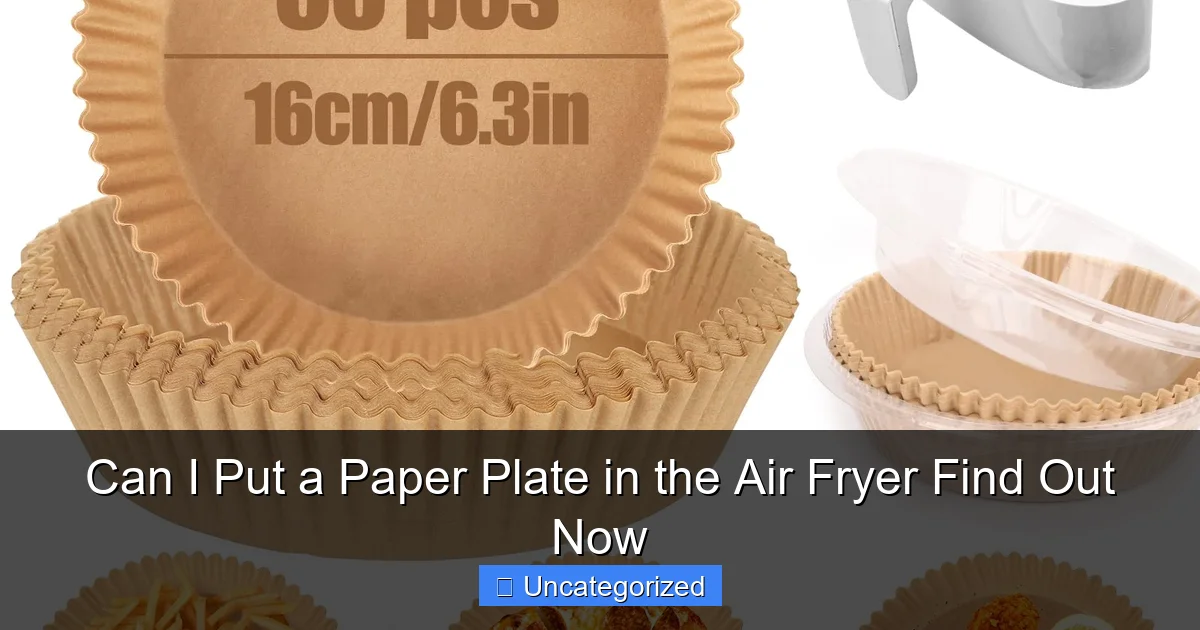
Featured image for can i put a paper plate in the air fryer
Image source: m.media-amazon.com
No, you should never put a paper plate in the air fryer—the high heat can cause it to ignite, release harmful chemicals, or damage your appliance. Always use air fryer-safe cookware like metal, silicone, or parchment paper (not wax paper) to ensure safety and optimal results.
Key Takeaways
- Never use paper plates: They can catch fire or melt in high heat.
- Opt for air fryer-safe dishes: Use metal, silicone, or oven-safe glass instead.
- Check manufacturer guidelines: Confirm what materials are safe for your model.
- Use parchment paper: Place it under food to prevent sticking and ease cleanup.
- Avoid wax-coated paper: It can release harmful chemicals when heated.
- Monitor cooking closely: Prevent accidents by never leaving the air fryer unattended.
📑 Table of Contents
- The Air Fryer Dilemma: Can I Put a Paper Plate in the Air Fryer?
- Understanding Air Fryer Mechanics and Heat Exposure
- Material Science: Why Paper Plates Can’t Handle the Heat
- Safe Alternatives to Paper Plates in the Air Fryer
- When You Absolutely Need a Liner: Special Cases and Workarounds
- Expert Recommendations and Safety Guidelines
The Air Fryer Dilemma: Can I Put a Paper Plate in the Air Fryer?
Air fryers have taken the culinary world by storm, offering a healthier way to enjoy crispy, golden-brown foods without the excess oil of traditional frying. From perfectly roasted vegetables to juicy chicken wings, these countertop wonders have become a staple in modern kitchens. But as their popularity grows, so do the questions—especially when it comes to convenience. One of the most common queries home cooks face is: Can I put a paper plate in the air fryer? It’s a simple question with a surprisingly complex answer. After all, who hasn’t thought about skipping the dishwasher and just tossing a paper plate into the air fryer to catch drips or hold a quick snack?
The allure is undeniable. Paper plates are disposable, lightweight, and readily available. They seem like the perfect solution for minimizing cleanup after a busy weeknight meal. But before you slide that paper plate into your air fryer basket, it’s essential to understand the risks, science, and alternatives. This blog post dives deep into the safety concerns, material limitations, and best practices to help you make an informed decision. Whether you’re a seasoned air fryer pro or a curious beginner, this guide will answer your burning question—literally and figuratively—and equip you with the knowledge to use your air fryer safely and efficiently.
Understanding Air Fryer Mechanics and Heat Exposure
How Air Fryers Work: Convection, Not Conduction
To determine whether a paper plate can survive the air fryer, it’s crucial to first understand how these appliances function. Unlike conventional ovens that rely on radiant heat, air fryers use rapid air convection technology. A powerful fan circulates superheated air (typically between 350°F and 400°F) at high speeds around the food. This creates a crispy, fried-like texture by evaporating surface moisture and triggering the Maillard reaction—the chemical process responsible for browning and flavor development.
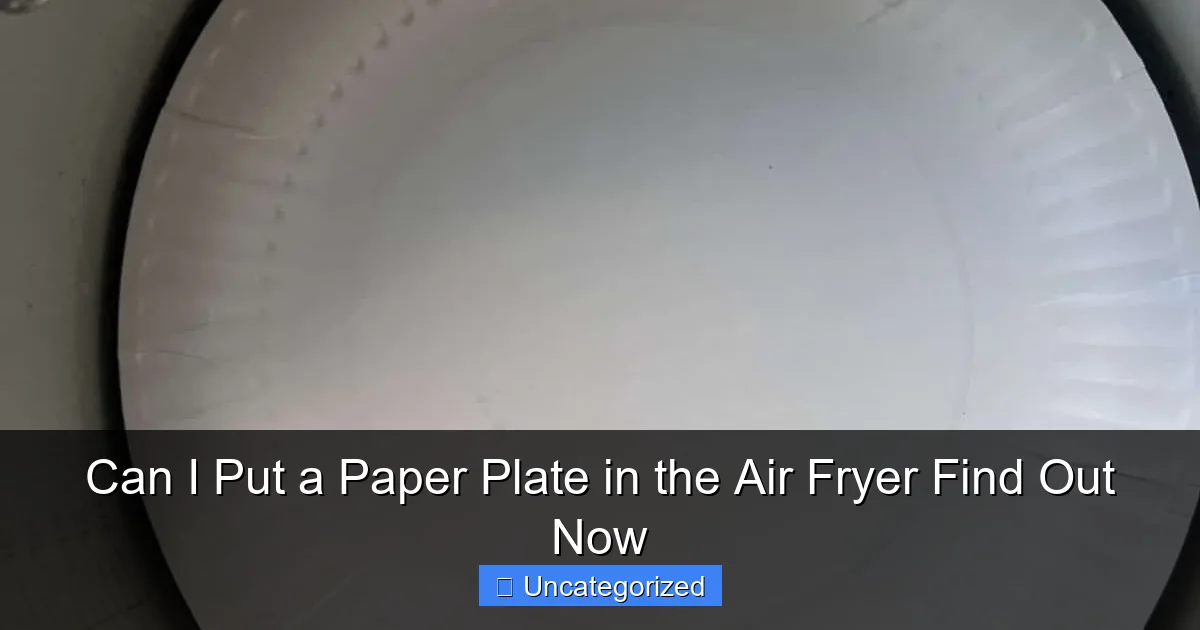
Visual guide about can i put a paper plate in the air fryer
Image source: secondrecipe.com
Because of this intense airflow, anything placed inside the air fryer must withstand not only high temperatures but also strong air currents. Paper plates, designed for room-temperature or slightly warm food, are not engineered for such conditions. The combination of heat and forced air can cause paper to warp, ignite, or release harmful particles into your food.
Temperature Ranges and Safety Thresholds
Most air fryers operate between 175°F and 400°F. Even at the lower end, this exceeds the safe threshold for standard paper products. According to the U.S. Department of Agriculture (USDA), paper begins to char at around 450°F, but the risk starts long before that. At 350°F—a common air fryer setting—paper can dry out, become brittle, and potentially smolder, especially if it’s thin or damp.
Moreover, air fryers often preheat for 3–5 minutes before cooking. During this phase, the heating element reaches peak temperature, and the fan starts circulating air immediately. If a paper plate is already inside, it may catch fire before your food even begins to cook. For example, a user on a popular cooking forum shared a cautionary tale: “I placed a paper plate under my chicken tenders to catch grease. Within 90 seconds, the corner caught fire. The whole kitchen smelled like burnt paper, and I had to unplug the unit immediately.”
Airflow Dynamics: Why Paper Plates Are a Fire Hazard
The forced convection in air fryers means that air moves at high velocity—often over 100 cubic feet per minute (CFM). This airflow doesn’t just circulate; it lifts and tosses lightweight items. A paper plate, especially one with no weight on it, can be caught in this current and pushed against the heating element. Once it makes contact, ignition is almost instantaneous.
Additionally, paper plates often have a thin plastic or wax coating to make them liquid-resistant. These coatings can melt at high temperatures, releasing toxic fumes such as formaldehyde or dioxins. Even if the plate doesn’t catch fire, the melted coating can contaminate your food and damage the air fryer’s interior.
Material Science: Why Paper Plates Can’t Handle the Heat
Composition of Standard Paper Plates
Most paper plates are made from bleached or unbleached wood pulp, often with a clay or plastic coating to improve strength and moisture resistance. The base material is cellulose, a polymer derived from plant fibers. While cellulose is biodegradable and safe at room temperature, it undergoes significant changes when exposed to heat.
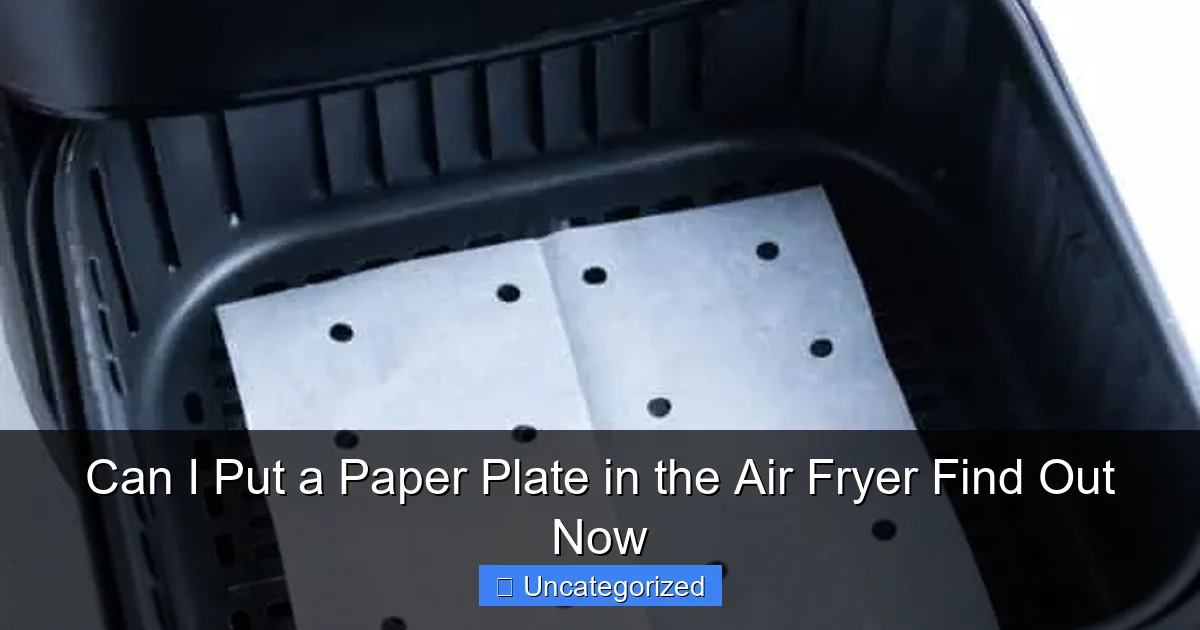
Visual guide about can i put a paper plate in the air fryer
Image source: evolvingtable.com
- Moisture Loss: Paper plates contain residual moisture (about 5–10%). When heated, this water evaporates rapidly, causing the plate to shrink, warp, or crack.
- Pyrolysis: At temperatures above 300°F, cellulose begins to break down chemically. This process, called pyrolysis, releases flammable gases like carbon monoxide and methane—even before visible flames appear.
- Coating Meltdown: The plastic or wax coating (often polyethylene) melts between 225°F and 265°F, far below air fryer operating temperatures. This creates a sticky, flammable residue.
For example, a study by the Journal of Food Protection found that polyethylene-coated paper products released measurable levels of volatile organic compounds (VOCs) when heated above 300°F—well within the air fryer’s range.
Comparing Paper to Heat-Resistant Materials
Not all paper is created equal. Some products are specifically designed for high-temperature use, such as:
- Wax Paper: Coated with food-grade wax (paraffin), it can withstand up to 350°F for short periods. However, it’s not recommended for air fryers due to airflow issues.
- Parchment Paper: Treated with silicone, it’s heat-resistant up to 420°F and non-stick. It’s the gold standard for air fryer liners.
- Aluminum Foil: Withstands up to 600°F but must be used carefully to avoid blocking airflow.
Standard paper plates, in contrast, lack these specialized treatments. They are designed for one-time, low-temperature use—not the intense, sustained heat of an air fryer.
Real-World Failure: Case Studies and User Experiences
Numerous anecdotal reports highlight the dangers of paper plates in air fryers:
- A Reddit user in 2022 described a “mini fireball” when a paper plate caught the heating coil. The unit shut off automatically, but the basket was permanently discolored.
- A TikTok video showed a paper plate igniting within 45 seconds of preheating. The caption: “Lesson learned—never again.”
- Consumer Reports tested 10 common paper plates in a convection oven (similar to an air fryer). All either caught fire or released smoke within 3 minutes at 375°F.
These incidents underscore a clear pattern: paper plates are not air fryer-safe.
Safe Alternatives to Paper Plates in the Air Fryer
Parchment Paper: The Best Air Fryer Liner
The safest and most effective alternative to paper plates is parchment paper. Specifically, look for “air fryer parchment paper” or “perforated parchment liners.” These are pre-cut to fit standard air fryer baskets and feature small holes to allow airflow.
Benefits:
- Withstands temperatures up to 420°F.
- Non-stick surface prevents food from sticking.
- Reduces cleanup time without compromising safety.
- Perforations ensure even cooking and crispy results.
Tips for Use:
- Always pre-cut or use pre-perforated liners—never place a large sheet that blocks airflow.
- Weigh down the edges with food (e.g., chicken wings) to prevent curling.
- Replace after 2–3 uses or if it shows signs of charring.
For example, when air frying salmon, place a parchment liner in the basket, add the fish, and season as usual. The skin stays crispy, and cleanup is as simple as tossing the liner.
Silicone Mats and Reusable Liners
For eco-conscious cooks, food-grade silicone mats are a durable, washable alternative. These mats:
- Resist temperatures up to 480°F.
- Are dishwasher-safe and reusable for hundreds of uses.
- Provide a non-stick surface ideal for sticky foods (e.g., marinated meats).
How to Use:
- Cut to fit your air fryer basket (measure first!).
- Place food directly on the mat.
- Clean with warm, soapy water after use.
One user noted: “I’ve used the same silicone mat for over a year. It’s saved me from buying dozens of paper liners and works perfectly for everything from veggies to fish sticks.”
Aluminum Foil: Use with Caution
While aluminum foil can handle air fryer temperatures, it requires careful use:
- Do: Crumple foil into a loose ball to elevate food and allow airflow underneath. This works well for greasy items like sausages.
- Don’t: Cover the entire basket or block the heating element. Foil can reflect heat and cause uneven cooking or hot spots.
For instance, when cooking chicken wings, place a small foil “tent” under the wings to catch drips, but leave the sides open for air circulation.
Stainless Steel Baskets and Accessories
Some air fryers come with stainless steel baskets or racks. These are ideal for:
- Elevating food to improve airflow.
- Draining excess grease (e.g., for bacon or burgers).
- Doubling as a serving tray.
After use, simply wash with soap and water—no disposables needed.
When You Absolutely Need a Liner: Special Cases and Workarounds
Cooking Extremely Sticky or Greasy Foods
Certain foods—like honey-glazed chicken or cheese-heavy casseroles—can stick to air fryer baskets, making cleanup a nightmare. In these cases, a parchment paper liner is the best solution. For extra stickiness, lightly grease the liner with oil or cooking spray.
Example: Air frying sticky ribs? Place a parchment liner in the basket, add the ribs, and brush with barbecue sauce. The liner catches the glaze, and the ribs stay crispy without burning.
Preventing Cross-Contamination
If you’re cooking allergens (e.g., nuts or shellfish) and want to avoid cross-contact, use a disposable parchment liner. This creates a barrier between the food and the basket, reducing the risk of residue transfer.
Tip: Label liners with food type (e.g., “Peanut Butter Cookies”) for easy identification.
Quick Snack Sessions
For a 5-minute snack (e.g., frozen mozzarella sticks), a parchment liner saves time and effort. No need to scrub the basket afterward—just toss the liner and enjoy.
Pro Tip: Keep a stack of pre-cut liners in a drawer for instant access.
DIY Liners: When You’re Out of Parchment
If you don’t have parchment paper, don’t use paper plates. Instead:
- Use a small oven-safe dish (e.g., ceramic ramekin) to catch drips.
- Place a wire rack in the basket to elevate food.
- Accept the mess and clean the basket afterward—it’s safer than risking a fire.
Expert Recommendations and Safety Guidelines
Official Warnings from Air Fryer Manufacturers
Major air fryer brands, including Philips, Ninja, and Cosori, explicitly prohibit the use of paper plates in their user manuals. For example:
- Philips: “Do not use paper, plastic, or other non-heat-resistant materials. Risk of fire.”
- Ninja: “Never place paper, cardboard, or flammable items in the basket.”
- Cosori: “Use only accessories designed for air fryers.”
These warnings aren’t just legal disclaimers—they’re based on real safety testing.
Fire Safety and Ventilation
Even if a paper plate doesn’t catch fire, it can:
- Release smoke and fumes, triggering smoke alarms.
- Damage the air fryer’s heating element or fan.
- Void your warranty (most manufacturers deny claims for misuse).
Safety Checklist:
- Keep a fire extinguisher nearby.
- Never leave the air fryer unattended when in use.
- Ensure the kitchen is well-ventilated.
Data Table: Safe vs. Unsafe Materials for Air Fryers
| Material | Max Safe Temp | Air Fryer Safe? | Notes |
|---|---|---|---|
| Standard Paper Plate | 175°F (melts at 225°F+) | ❌ No | Fire hazard; releases toxins |
| Parchment Paper | 420°F | ✅ Yes | Use perforated liners |
| Silicone Mat | 480°F | ✅ Yes | Reusable; dishwasher-safe |
| Aluminum Foil | 600°F | ⚠️ Limited | Don’t block airflow |
| Wax Paper | 350°F | ❌ No | Wax melts; fire risk |
| Stainless Steel | 1000°F+ | ✅ Yes | Ideal for racks/baskets |
Long-Term Maintenance and Care
Using unsafe materials like paper plates can shorten your air fryer’s lifespan. Residue from melted coatings or charred paper can:
- Damage non-stick coatings.
- Clog the fan or heating element.
- Cause unpleasant odors in future cooking sessions.
Stick to approved accessories to keep your appliance in top condition.
The verdict is clear: you should never put a paper plate in the air fryer. The risks—fire, toxic fumes, and appliance damage—far outweigh any convenience. Instead, opt for safe, effective alternatives like parchment paper, silicone mats, or stainless steel accessories. These solutions provide the same benefits (easy cleanup, reduced sticking) without compromising safety. By following expert guidelines and understanding the science behind air fryer mechanics, you can enjoy crispy, delicious meals with peace of mind. So next time you reach for a paper plate, pause and grab a parchment liner instead. Your kitchen—and your taste buds—will thank you.
Frequently Asked Questions
Can I put a paper plate in the air fryer safely?
No, placing a paper plate directly in the air fryer is not safe. The high heat and rapid air circulation can cause the paper to scorch, melt, or even ignite, creating a fire hazard.
Is it okay to use a paper plate in the air fryer for short durations?
Even for short cooking times, using a paper plate in the air fryer is risky. The intense heat can still compromise the plate’s integrity, potentially leading to smoke or damage to your appliance.
What alternatives to paper plates can I use in the air fryer?
Opt for oven-safe or air fryer-safe materials like parchment paper (not touching heating elements), silicone liners, or metal/ceramic dishes. These options are heat-resistant and won’t release harmful fumes.
Can I put a paper plate in the air fryer if it’s labeled “microwave-safe”?
Microwave-safe doesn’t mean air fryer-safe. Air fryers operate at higher temperatures with direct airflow, which can still melt or burn the paper plate. Always choose heat-rated materials instead.
Why do people ask, “Can I put a paper plate in the air fryer?”
Many seek quick, mess-free cooking solutions, but air fryers require materials that withstand high heat. Understanding safe cookware prevents accidents and ensures optimal air fryer performance.
What happens if I accidentally put a paper plate in the air fryer?
If you notice it quickly, turn off the air fryer and remove the plate. If smoke or burning occurs, unplug the device, let it cool, and clean any residue to avoid lingering odors or damage.