
Featured image for can you put oven meals in air fryer
Yes, you can put oven meals in an air fryer—most frozen and fresh oven-ready dishes cook faster and crispier with proper adjustments. Always check packaging instructions and use oven-safe cookware to avoid damage and ensure even results.
Key Takeaways
- Yes, you can: Most oven meals work in air fryers with adjusted time and temperature.
- Reduce temperature: Lower heat by 25°F to prevent overcooking or burning.
- Check compatibility: Avoid non-air fryer-safe pans or aluminum foil touching heating elements.
- Preheat first: Always preheat for even cooking and crispy results.
- Monitor closely: Air fryers cook faster—check food 5–10 minutes early.
- Use small batches: Overcrowding blocks airflow; cook in single layers.
📑 Table of Contents
- Can You Put Oven Meals in Air Fryer? A Quick Guide
- How Air Fryers Work (And Why It Matters for Oven Meals)
- Which Oven Meals Work Best in an Air Fryer?
- How to Convert Oven Meal Instructions for the Air Fryer
- Common Mistakes (And How to Fix Them)
- Real-Life Examples: Oven Meals in the Air Fryer
- Final Thoughts: Yes, You Can—With a Few Tweaks
Can You Put Oven Meals in Air Fryer? A Quick Guide
Let’s be honest: we’ve all stood in front of the oven, staring at a frozen lasagna or a tray of chicken nuggets, wondering if we could just pop them in the air fryer instead. After all, the air fryer has become the kitchen MVP—fast, convenient, and energy-efficient. But here’s the million-dollar question: can you put oven meals in an air fryer? The short answer is yes, but it’s not always a simple swap. I’ve learned this the hard way after burning a few meals (and my patience) trying to rush the process. If you’ve ever been tempted to skip the oven instructions and go straight for the air fryer, you’re not alone. And the good news? With a few tweaks, many oven-ready meals can absolutely thrive in your air fryer.
But before you toss that frozen dinner into the basket, there’s more to consider than just time and temperature. The air fryer works differently than a conventional oven, and understanding those differences is key to getting crispy, delicious results—not a soggy mess. In this guide, I’ll walk you through what works, what doesn’t, and how to adapt your favorite oven meals for the air fryer. Whether you’re reheating leftovers, cooking frozen foods, or trying to make a weeknight dinner faster, I’ve got you covered. Think of this as your friendly, no-nonsense cheat sheet to air fryer success.
How Air Fryers Work (And Why It Matters for Oven Meals)
Before we dive into specific meals, let’s talk about why air fryers behave differently from ovens. This isn’t just kitchen trivia—it’s the foundation for understanding how to adapt oven meals successfully.
Convection vs. Conventional Heating
Air fryers are essentially mini convection ovens. They use a heating element and a powerful fan to circulate hot air around food at high speed. This rapid circulation creates that crispy, golden exterior we all love—without needing a lot of oil. A conventional oven, on the other hand, heats the air inside the cavity and relies on slower, more passive heat transfer. This means oven meals are designed to cook in a more even, gradual environment.
For example, a frozen pizza in the oven bakes slowly, allowing the crust to rise and the cheese to melt evenly. In an air fryer, that same pizza might crisp up too quickly on the outside while the center stays cold. That’s why temperature and time adjustments are essential when converting oven meals to air fryer cooking.
Size and Airflow Matter
Air fryers are compact—most range from 3 to 6 quarts. This limited space affects how much food you can cook at once and how well air circulates. Overcrowding blocks airflow, leading to uneven cooking or soggy spots. I learned this the hard way when I tried to cook a full-sized frozen lasagna in my 5-quart air fryer. Spoiler: it didn’t work. The edges were burnt, and the center was still frozen.
The rule of thumb? Leave space between items and use the air fryer’s basket in batches if needed. Also, avoid covering the food with foil or lids unless the recipe specifically allows it—airflow is the secret sauce.
Moisture and Steam
Ovens trap moisture, which helps keep certain dishes (like casseroles or baked potatoes) from drying out. Air fryers, by contrast, vent steam and dry the air quickly. This is great for crisping fries but can be a problem for dishes that rely on steam to cook through. That’s why some oven meals—like stuffed chicken breasts or creamy pasta bakes—need special attention when air frying.
Which Oven Meals Work Best in an Air Fryer?
Not all oven meals are created equal when it comes to air frying. Some adapt beautifully, while others just don’t translate well. Let’s break down the winners and the ones to avoid (or at least modify).
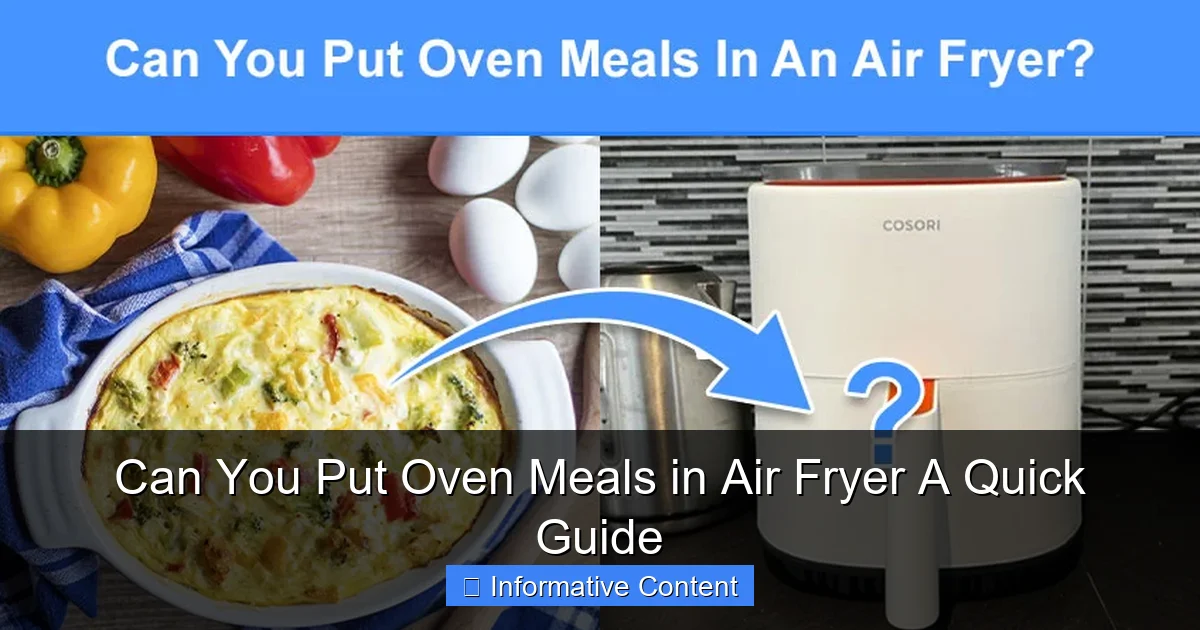
Visual guide about can you put oven meals in air fryer
Image source: checkappliance.co.uk
Frozen Foods (The Air Fryer’s Sweet Spot)
Frozen foods are perfect for air fryers. Think: chicken tenders, fish sticks, mozzarella sticks, onion rings, and even frozen burritos. These items are designed to be crispy, and the air fryer excels at delivering that crunch with less oil.
For example, I’ve swapped frozen chicken nuggets from oven to air fryer and cut cooking time by almost half. Instead of 15–20 minutes at 400°F in the oven, I do 10–12 minutes at 375°F in the air fryer, shaking the basket halfway. The result? Crispier, juicier nuggets with less guilt.
Pro tip: Preheat the air fryer for 3–5 minutes before adding food. This helps mimic the oven’s preheated environment and ensures even cooking from the start.
Reheated Leftovers (Yes, Even Pizza!)
Got leftover pizza, fried chicken, or roasted veggies? The air fryer can bring them back to life better than a microwave. The high heat crisps the outside while keeping the inside moist.
Try this: Place a slice of pizza in the air fryer at 350°F for 3–4 minutes. The crust gets crunchy, and the cheese re-melts perfectly—no soggy microwave mess. Fried chicken? 375°F for 5–6 minutes, and it’s like it just came out of the fryer.
Casseroles and Bakes (With a Caveat)
Here’s where things get tricky. Casseroles like lasagna, shepherd’s pie, or mac and cheese are possible in an air fryer, but they require modifications. The key is to use a smaller, oven-safe dish that fits in your air fryer basket (usually 6–7 inches in diameter).
For example, I’ve made a mini mac and cheese in a 6-inch cast iron skillet. I cooked it at 350°F for 15 minutes, covered with foil for the first 10 minutes to trap steam, then uncovered for 5 to get a golden top. It worked! But a full 9×13 casserole? Nope. Not even close.
Tip: If the recipe includes a breadcrumb or cheese topping, save it for the last 3–5 minutes to avoid burning.
Baked Goods (Cookies, Muffins, and More)
Yes, you can bake in an air fryer! Small batches of cookies, muffins, or even mini quiches can turn out great. Use silicone or metal baking molds that fit in the basket.
I’ve made chocolate chip cookies in my air fryer—6 at a time, at 325°F for 8–10 minutes. They were slightly crisp on the edges and chewy in the center. Not quite oven-perfect, but close enough for a quick dessert.
Foods to Avoid (Or Handle with Care)
Some oven meals just don’t work in air fryers. Here’s what to skip or modify:
- Large roasts or whole chickens: Air fryers can’t handle the size or cooking time. Stick to the oven.
- Liquid-heavy dishes (like soups or stews): The basket isn’t sealed, so liquids will drip and smoke.
- Delicate baked goods (like soufflés): The strong fan can collapse them.
- Foods that need slow braising (like pot roast): Air fryers don’t provide the moist, low-and-slow environment needed.
How to Convert Oven Meal Instructions for the Air Fryer
Now that you know what works, let’s talk about the actual conversion process. It’s not as simple as “set it and forget it.” Here’s how to adapt oven meals successfully.
Temperature Adjustment
As a general rule, reduce the temperature by 25°F from the oven setting. Why? Air fryers cook faster and more intensely. A 400°F oven recipe becomes 375°F in the air fryer.
Example: Frozen tater tots. Oven instructions say 425°F for 15 minutes. In the air fryer? Try 400°F for 10–12 minutes, shaking halfway. You’ll get crispier results in less time.
Time Adjustment
Most air fryer cooking times are 30–50% shorter than oven times. Start with 20–30% less time and check frequently. It’s easier to cook a little longer than to rescue burnt food.
For example, oven-roasted vegetables take 25–30 minutes at 400°F. In the air fryer, 12–15 minutes at 375°F works better. Stir halfway for even browning.
Use the Right Cookware
Not all oven-safe dishes fit in an air fryer. Look for:
- Small, shallow pans: 6–7 inch diameter works best.
- Silicone molds: Great for cupcakes, mini quiches, or frittatas.
- Oven-safe glass or ceramic: Avoid if it’s too heavy or large.
I keep a small cast iron skillet and a few silicone baking cups just for air fryer use. They’re worth the investment.
Shake, Flip, or Stir
Air fryers cook from all sides, but food on the bottom can still get soggy. For even cooking:
- Shake the basket halfway through for items like fries or nuggets.
- Flip larger items (like chicken breasts) halfway.
- Stir casseroles or bakes if possible (or cover with foil to prevent drying).
I always set a timer for the halfway point—it’s easy to forget!
Cover When Needed
For dishes that need to stay moist (like casseroles or baked chicken), cover with foil for the first part of cooking. Remove it for the last 5 minutes to crisp the top.
Example: Air-fried stuffed mushrooms. I cover them for 10 minutes at 350°F, then uncover for 5 to get a golden finish. Works like a charm.
Common Mistakes (And How to Fix Them)
Even seasoned air fryer users make mistakes. Here are the most common ones—and how to avoid them.
Overcrowding the Basket
This is the #1 mistake. Packing too much food blocks airflow, leading to uneven cooking. I’ve done this with frozen fries—half were crispy, half were mushy.
Solution: Cook in batches. It takes a few extra minutes, but the results are worth it. For larger meals, use a two-tier rack (if your air fryer has one) to increase capacity without blocking airflow.
Skipping Preheating
Air fryers don’t need as much preheat time as ovens, but skipping it can affect cooking. A cold basket means food starts cooking in a cooler environment.
Solution: Preheat for 3–5 minutes at the cooking temperature. This ensures consistent results, especially for frozen foods.
Using Too Much Oil
Air fryers need less oil than deep fryers or ovens. A light spray or brush is enough. I once used a full tablespoon of oil on chicken tenders—they came out greasy, not crispy.
Solution: Use a spray bottle with oil or a pastry brush. For frozen foods, you often don’t need any oil at all.
Ignoring the Manual
Every air fryer is different. Some have stronger fans, others heat more evenly. Relying on generic instructions can lead to disappointment.
Solution: Read your air fryer’s manual. Note the basket size, power settings, and any quirks (like hot spots). Then, adjust recipes accordingly.
Not Cleaning the Basket
Grease and food residue build up over time, affecting performance and taste. I ignored cleaning once—my next meal tasted like burnt onions for weeks.
Solution: Wash the basket after every use. Most are dishwasher-safe, but hand-washing with warm, soapy water works just as well.
Real-Life Examples: Oven Meals in the Air Fryer
Let’s put theory into practice with a few real-world examples. These are meals I’ve personally tested—some worked perfectly, others needed tweaks.
Example 1: Frozen Lasagna
Oven instructions: 375°F for 45 minutes (from frozen).
Air fryer adaptation: I used a 6-inch oven-safe dish (half the lasagna). Covered with foil, 350°F for 20 minutes. Uncovered for 10 minutes. Result? Creamy center, slightly crispy top. Took 30 minutes total (vs. 45 in the oven).
Tip: Let it rest 5 minutes before serving—it sets better.
Example 2: Baked Potatoes
Oven instructions: 400°F for 45–60 minutes.
Air fryer adaptation: Pricked potatoes, lightly oiled, 375°F for 25 minutes. Flipped halfway. Perfectly fluffy inside, slightly crisp skin. Time saved: 20+ minutes.
Example 3: Frozen Chicken Pot Pie
Oven instructions: 400°F for 50–55 minutes.
Air fryer adaptation: Smaller pot pie (6-inch), 375°F for 25 minutes. Covered first 15 minutes, uncovered last 10. Filling was hot and bubbly, crust golden. Worked great!
Example 4: Oven-Roasted Brussels Sprouts
Oven instructions: 400°F for 20–25 minutes.
Air fryer adaptation: 375°F for 12 minutes, shaken halfway. Came out crispier and faster. I added a sprinkle of parmesan at the end—delicious.
Data Table: Oven to Air Fryer Conversion Guide
| Oven Meal Type | Oven Temp (°F) | Oven Time (min) | Air Fryer Temp (°F) | Air Fryer Time (min) | Notes |
|---|---|---|---|---|---|
| Frozen Chicken Nuggets | 400 | 15–20 | 375 | 10–12 | Shake basket halfway |
| Baked Potatoes | 400 | 45–60 | 375 | 20–25 | Prick skins, flip halfway |
| Frozen Lasagna (half-size) | 375 | 45 | 350 | 25–30 | Cover with foil first 20 min |
| Oven-Roasted Veggies | 400 | 25–30 | 375 | 12–15 | Stir halfway |
| Frozen Pizza (personal size) | 425 | 12–15 | 400 | 8–10 | Use pizza stone if available |
Final Thoughts: Yes, You Can—With a Few Tweaks
So, can you put oven meals in an air fryer? The answer is a resounding yes—but with a caveat: it’s not always a direct swap. The air fryer’s speed, compact size, and intense airflow mean you’ll need to adjust temperature, time, and sometimes even the size of your dish. But once you get the hang of it, you’ll wonder how you ever cooked without it.
I’ve saved so much time and energy by switching to the air fryer for meals like frozen dinners, reheated leftovers, and even small casseroles. The crispy results are unmatched, and cleanup is a breeze. Just remember the golden rules: reduce the temp, shorten the time, leave space for airflow, and don’t overcrowd the basket.
At the end of the day, the air fryer isn’t a replacement for the oven—it’s a powerful sidekick. Use it for what it does best: fast, crispy, convenient cooking. And when you’re in doubt? Test a small batch first. That’s how I discovered that my favorite frozen burrito tastes even better with a few minutes in the air fryer (375°F for 8 minutes, if you’re curious).
So go ahead—give it a try. Your oven meals might just get a delicious upgrade. And if you burn a batch? No worries. We’ve all been there. The air fryer is forgiving, and with a little practice, you’ll be a pro in no time.
Frequently Asked Questions
Can you put oven meals in an air fryer?
Yes, most oven meals can be cooked in an air fryer, but you may need to adjust the cooking time and temperature. Air fryers circulate heat faster, so reduce the temperature by 25°F and check food 5-10 minutes earlier than the oven instructions suggest.
How do I convert oven meal instructions for an air fryer?
To adapt oven meals for your air fryer, lower the temperature by 25°F and shorten cooking time by 20-30%. Always preheat the air fryer and avoid overcrowding the basket for even cooking.
Can I cook frozen oven meals (like lasagna or pizza) in an air fryer?
Yes, frozen oven meals work well in air fryers—no thawing needed. Place the meal in an air fryer-safe dish and cook at 350°F for 15-25 minutes, depending on portion size.
What types of oven dishes are unsafe for air fryers?
Avoid putting loose leafy greens, wet batters, or oversized meals in an air fryer. Use oven-safe dishes (glass, ceramic, or metal) to prevent melting or fire hazards from non-air-fryer-friendly materials.
Do air fryers cook oven meals faster than conventional ovens?
Yes, air fryers cook oven meals 20-30% faster due to rapid hot air circulation. This makes them ideal for quick weeknight dinners but requires close monitoring to prevent overcooking.
Can I use aluminum foil or parchment paper for oven meals in an air fryer?
Yes, you can line the air fryer basket with foil or parchment paper for easy cleanup, but ensure it doesn’t block airflow. Poke holes in foil or use parchment with holes to maintain proper heat circulation.