
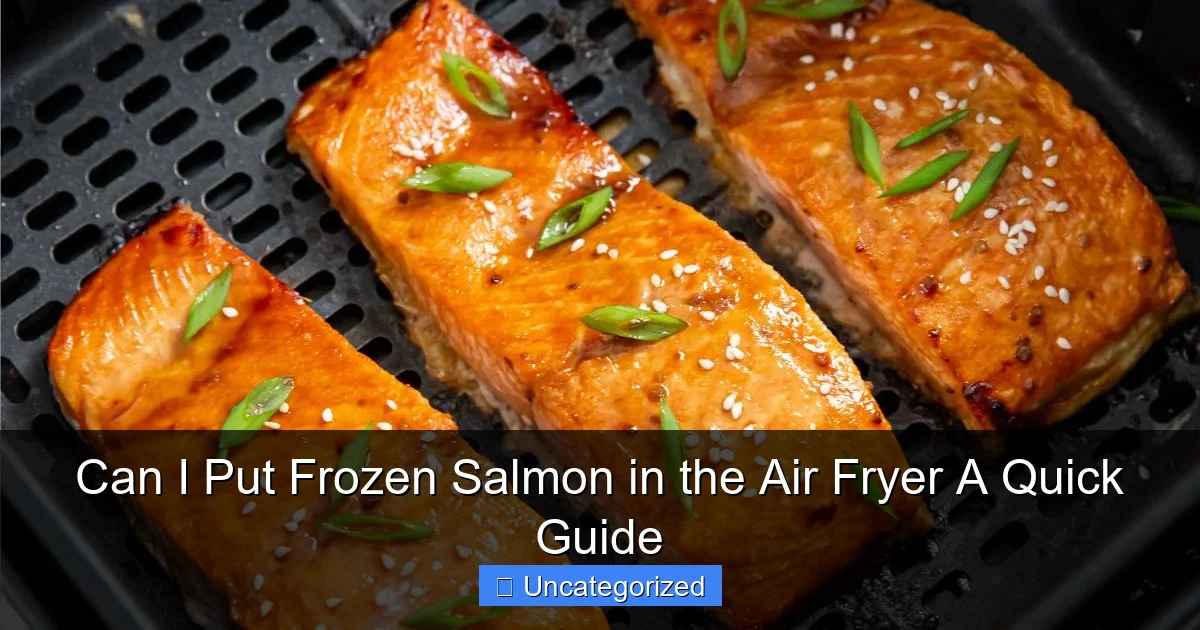
Featured image for can i put frozen salmon in the air fryer
Image source: laraclevenger.com
Yes, you can safely cook frozen salmon in the air fryer—it’s a fast, convenient method that delivers juicy, flaky results without thawing. Just season, place in the basket, and air fry at 390°F for 12–15 minutes, flipping halfway for even cooking. Perfect for busy weeknights and meal prep!
Key Takeaways
- Yes, you can cook frozen salmon in an air fryer—no thawing needed for quick, even results.
- Pat salmon dry before seasoning to enhance crispness and prevent steaming.
- Cook at 390°F (200°C) for 12–15 minutes, flipping halfway for even doneness.
- Use a meat thermometer to verify 145°F (63°C) for food-safe, flaky salmon.
- Line the basket with parchment paper to avoid sticking and simplify cleanup.
- Avoid overcrowding the air fryer to ensure proper air circulation and browning.
📑 Table of Contents
- Why Cooking Frozen Salmon in the Air Fryer is a Game Changer
- The Science Behind Air Frying Frozen Salmon
- Step-by-Step Guide to Cooking Frozen Salmon in the Air Fryer
- Flavor Variations and Pairing Ideas
- Health Benefits and Nutritional Value
- Comparing Cooking Times and Results
- Final Thoughts: Mastering Frozen Salmon in the Air Fryer
Why Cooking Frozen Salmon in the Air Fryer is a Game Changer
Imagine coming home after a long day and craving a delicious, healthy meal—without the hassle of defrosting or waiting. Enter the air fryer, a modern kitchen marvel that has revolutionized how we cook everything from fries to fish. If you’ve ever wondered, can I put frozen salmon in the air fryer?, the answer is a resounding yes—and it might just become your new favorite cooking hack.
Frozen salmon is a convenient, budget-friendly, and nutritious option that retains its quality when frozen properly. With an air fryer, you can achieve a perfectly cooked, flaky, and flavorful salmon in under 20 minutes, without the need to thaw. Whether you’re a busy professional, a parent juggling multiple tasks, or someone who simply loves quick and tasty meals, this method is a game changer. Not only does it save time, but it also preserves the salmon’s moisture and nutrients, making it a healthier alternative to traditional frying or baking.
The Science Behind Air Frying Frozen Salmon
How Air Fryers Work
Air fryers use rapid air technology to circulate hot air around food at high speeds, creating a crispy outer layer while keeping the inside tender and juicy. Unlike deep frying, which submerges food in oil, air frying relies on a small amount of oil (or none at all) to achieve a similar texture. This method is particularly effective for frozen foods because the intense heat quickly penetrates the surface, cooking the salmon evenly without drying it out.
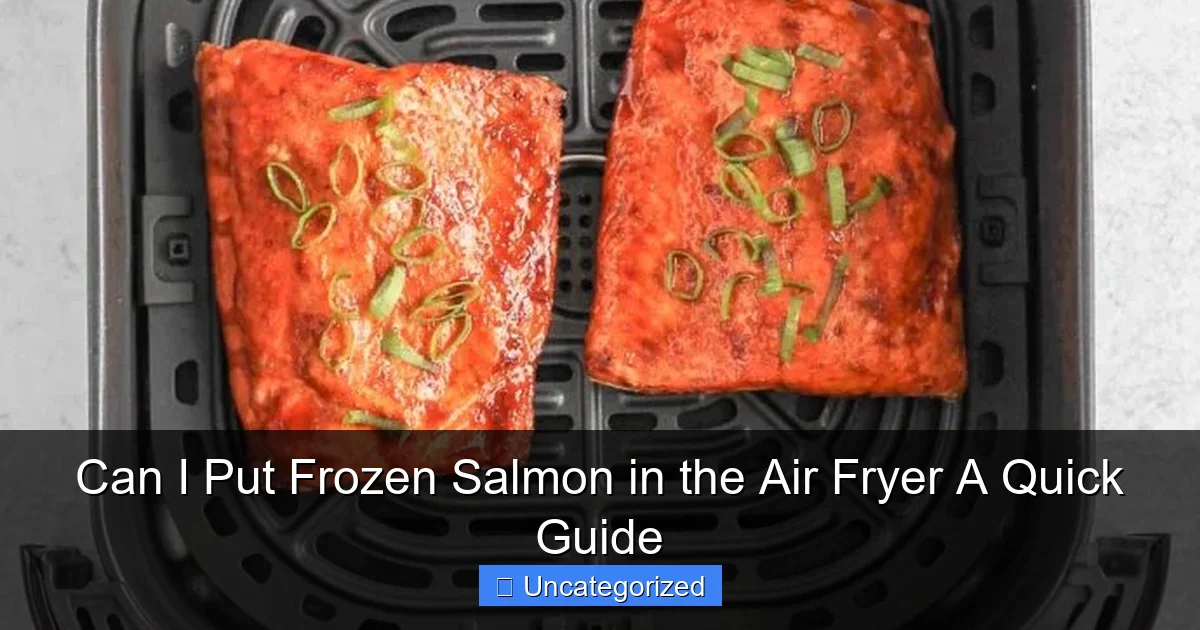
Visual guide about can i put frozen salmon in the air fryer
Image source: cleanplatemama.com
For frozen salmon, the air fryer’s ability to maintain a consistent temperature (typically between 350°F and 400°F) ensures that the fish cooks thoroughly while avoiding overcooking or undercooking. The key is to balance the heat and time to allow the salmon to thaw slightly while the outside develops a golden, slightly crisp exterior.
Why Frozen Salmon Works Well in Air Fryers
Frozen salmon is often flash-frozen immediately after harvest, locking in freshness and flavor. When cooked in an air fryer, the rapid air circulation helps prevent the salmon from becoming watery or mushy, a common issue with other cooking methods like microwaving. Here’s why it works so well:
- Moisture Retention: The air fryer’s quick cooking time prevents excessive moisture loss, ensuring the salmon stays juicy.
- Even Cooking: The circulating air cooks the salmon uniformly, reducing the risk of cold spots or overcooked edges.
- Flavor Development: A light sear from the air fryer enhances the salmon’s natural flavors, especially when paired with seasonings or a marinade.
For example, a 6-ounce frozen salmon fillet can go from freezer to plate in about 15 minutes with minimal prep. Compare this to oven baking, which often requires 20–25 minutes plus thawing time, and the air fryer’s efficiency becomes clear.
Step-by-Step Guide to Cooking Frozen Salmon in the Air Fryer
Preparing the Salmon
Before cooking, take a few minutes to prepare your frozen salmon for the best results:
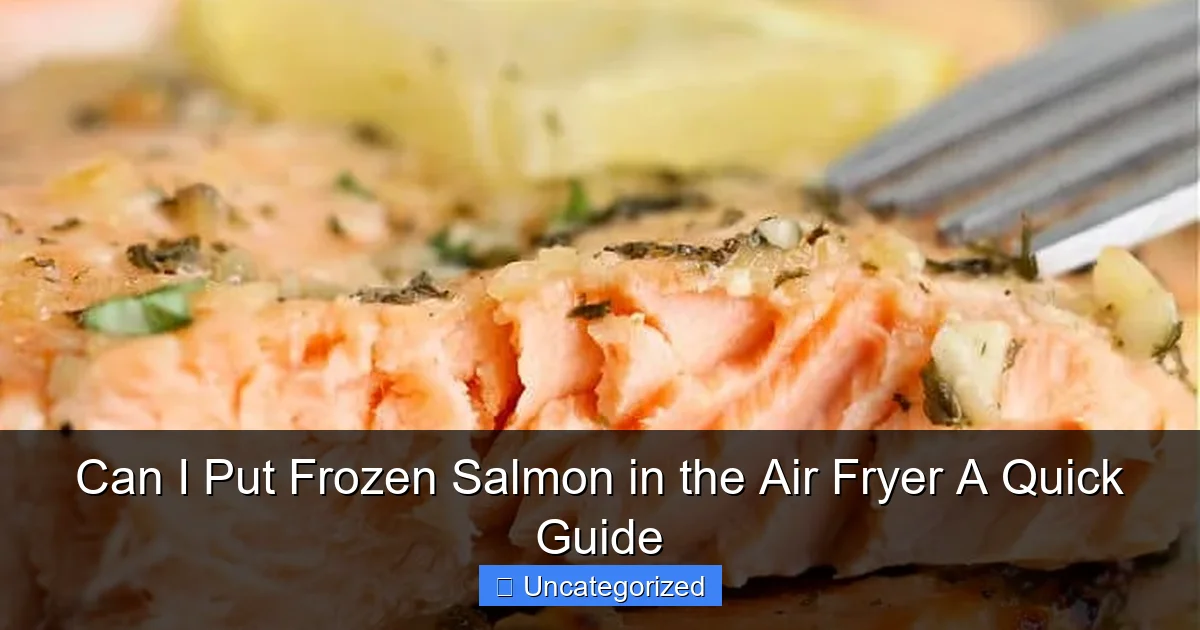
Visual guide about can i put frozen salmon in the air fryer
Image source: temeculablogs.com
- Remove Packaging: Always take the salmon out of its plastic wrap or vacuum-sealed bag. Leaving it in packaging can cause uneven cooking or even release harmful chemicals when heated.
- Pat Dry (Optional): If your salmon has visible ice crystals, gently pat it dry with a paper towel. This helps the seasonings stick better and prevents steam buildup.
- Season Generously: Frozen salmon benefits from bold flavors. Use a mix of salt, pepper, garlic powder, lemon zest, or your favorite herbs. A light drizzle of olive oil or avocado oil helps the seasonings adhere and promotes browning.
Pro Tip: For extra flavor, marinate the salmon for 10–15 minutes before cooking. A simple marinade of soy sauce, honey, and ginger works wonders.
Air Fryer Settings and Timing
Every air fryer is slightly different, so use these guidelines as a starting point and adjust as needed:
- Preheat (Optional): Preheating your air fryer for 3–5 minutes at 375°F can help achieve a crisper exterior. However, it’s not strictly necessary.
- Temperature: Set the air fryer to 375°F (190°C) for most frozen salmon fillets. Thicker cuts may benefit from a lower temperature (350°F) to prevent overcooking the outside before the center thaws.
- Cooking Time: Cook for 12–15 minutes for a 6-ounce fillet. Flip halfway through for even browning. Use a meat thermometer to check for doneness: the internal temperature should reach 145°F (63°C).
Example: A 1-inch-thick frozen salmon fillet at 375°F for 13 minutes, flipped at 7 minutes, yields a perfectly cooked result with a slightly crispy top and tender center.
Troubleshooting Common Issues
Even with the best techniques, you might encounter a few challenges. Here’s how to fix them:
- Too Dry? Reduce cooking time by 1–2 minutes or lower the temperature to 350°F. Add a sauce (like teriyaki or lemon butter) after cooking to enhance moisture.
- Undercooked Center? Extend cooking time by 2–3 minutes, but avoid exceeding 15 minutes for standard fillets. If the outside is browning too quickly, cover it loosely with foil.
- Sticking to the Basket? Lightly spray the air fryer basket with oil or use parchment paper with holes for airflow.
Flavor Variations and Pairing Ideas
Seasoning and Marinade Options
Frozen salmon is a blank canvas for flavors. Try these combinations to keep your meals exciting:
- Classic Lemon-Herb: Lemon juice, garlic, rosemary, and a pinch of red pepper flakes.
- Asian-Inspired: Soy sauce, sesame oil, ginger, and a drizzle of honey or maple syrup.
- Spicy Cajun: Cajun seasoning, smoked paprika, and a dash of cayenne.
- Mediterranean: Olive oil, oregano, sun-dried tomatoes, and olives.
Pro Tip: For a quick marinade, mix 2 tablespoons of your chosen sauce with 1 teaspoon of oil and coat the salmon before air frying. Let it sit for 10 minutes for deeper flavor penetration.
Side Dishes and Meal Pairings
Pair your air-fried salmon with sides that complement its rich, buttery texture:
- Vegetables: Roasted asparagus, sautéed spinach, or air-fried broccoli (cooked separately or in batches).
- Grains: Quinoa, brown rice, or cauliflower rice for a low-carb option.
- Salads: A fresh arugula salad with citrus vinaigrette or a Greek salad with feta and olives.
- Sauces: Tartar sauce, aioli, or a simple yogurt-dill sauce.
Example Meal: Air-fried salmon with a lemon-herb marinade, served over quinoa and topped with roasted cherry tomatoes and a side of garlic green beans.
Health Benefits and Nutritional Value
Why Salmon is a Superfood
Salmon is one of the healthiest proteins you can eat, packed with:
- Omega-3 Fatty Acids: Essential for heart health, brain function, and reducing inflammation. A 6-ounce serving of salmon provides about 2.5 grams of omega-3s.
- High-Quality Protein: Contains all essential amino acids, supporting muscle repair and immune function.
- Vitamins and Minerals: Rich in vitamin D, B12, selenium, and potassium.
By cooking frozen salmon in the air fryer, you preserve more of these nutrients compared to methods that involve prolonged heat or excess oil.
Air Frying vs. Other Cooking Methods
Here’s how air frying stacks up nutritionally:
- Air Fryer: Uses little to no oil (1–2 teaspoons), reducing added fats and calories. Retains moisture and nutrients due to quick cooking.
- Oven Baking: Requires longer cooking times, which can lead to slight nutrient loss. Often needs more oil for browning.
- Pan Frying: Higher oil absorption (1–2 tablespoons), increasing calorie and fat content. Risk of overcooking or undercooking.
- Microwaving: Can result in rubbery texture and uneven cooking, reducing overall quality.
Data Insight: A study by the Journal of Food Science and Technology found that air frying reduced fat content by up to 75% compared to deep frying while preserving more omega-3s.
Comparing Cooking Times and Results
To help you choose the best method for your needs, here’s a comparison of cooking times and outcomes for frozen salmon:
| Method | Prep Time (Thawing) | Cooking Time | Total Time | Texture | Oil Used |
|---|---|---|---|---|---|
| Air Fryer | 0 minutes (frozen) | 12–15 minutes | 12–15 minutes | Crispy exterior, tender interior | 1 tsp or less |
| Oven Baking | 30–60 minutes (thawed) | 20–25 minutes | 50–85 minutes | Moist but less crisp | 1–2 tbsp |
| Pan Frying | 30–60 minutes (thawed) | 8–10 minutes | 38–70 minutes | Crispy but may overcook edges | 1–2 tbsp |
| Microwave | 0 minutes (frozen) | 5–7 minutes | 5–7 minutes | Rubbery or uneven | 0 tbsp |
Key Takeaway: The air fryer wins for speed, convenience, and texture. While microwaving is faster, the results are often inferior. Oven baking and pan frying require thawing, adding extra time and steps.
Final Thoughts: Mastering Frozen Salmon in the Air Fryer
So, can I put frozen salmon in the air fryer? Absolutely—and doing so is one of the simplest ways to enjoy a nutritious, restaurant-quality meal at home. Whether you’re cooking for one or feeding a family, this method saves time, preserves flavor, and delivers consistent results. With the right seasonings and a few pro tips, you can turn a humble frozen fillet into a gourmet dish in under 20 minutes.
The air fryer’s versatility makes it ideal for busy lifestyles. No more last-minute grocery runs or defrosting mishaps—just pop your salmon in, set the timer, and enjoy a healthy, delicious meal. From classic lemon-herb to bold Asian flavors, the possibilities are endless. So grab your air fryer, stock up on frozen salmon, and get ready to transform your weeknight dinners. Your taste buds (and your schedule) will thank you!
Frequently Asked Questions
Can I put frozen salmon in the air fryer without thawing it first?
Yes, you can cook frozen salmon in the air fryer without thawing. Just add 3–5 minutes to the cooking time and check for an internal temperature of 145°F (63°C) to ensure it’s fully cooked.
What temperature should I use to cook frozen salmon in the air fryer?
Set your air fryer to 375°F (190°C) for frozen salmon. This temperature ensures even cooking while keeping the fish tender and flaky.
How long does it take to cook frozen salmon in the air fryer?
Cooking frozen salmon in the air fryer typically takes 12–15 minutes. Flip the fillets halfway through for consistent results, and verify doneness with a meat thermometer.
Do I need to add oil when cooking frozen salmon in the air fryer?
While not required, lightly brushing the salmon with oil helps prevent sticking and enhances crispness. Frozen salmon in the air fryer turns out great with just a light coating of olive or avocado oil.
Can I use parchment paper or foil with frozen salmon in the air fryer?
Yes, using air fryer-safe parchment paper or foil makes cleanup easier and prevents sticking. Just ensure the liner doesn’t block airflow for even cooking.
Why is my frozen salmon in the air fryer coming out dry?
Overcooking or skipping oil can dry out frozen salmon. Air fry at 375°F (190°C) for no longer than 15 minutes, and baste with oil or lemon juice for extra moisture.