
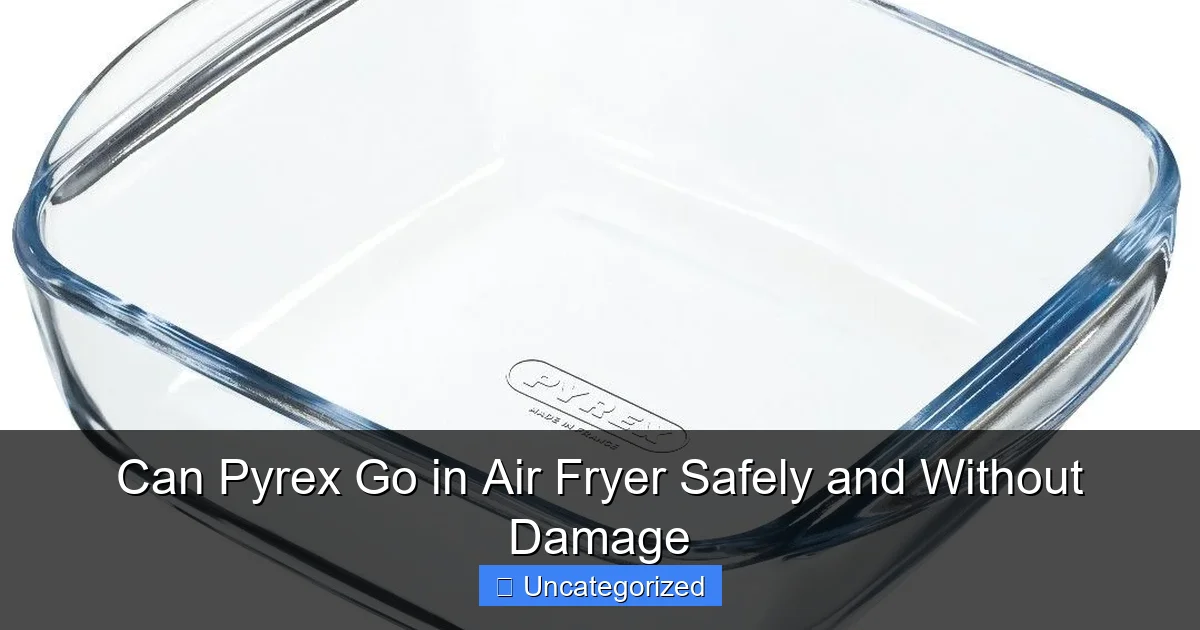
Featured image for can pyrex go in air fryer
Image source: media.takealot.com
Yes, Pyrex can go in an air fryer safely—but only if it’s labeled oven-safe and preheated gradually to avoid thermal shock. Always check for cracks, avoid sudden temperature changes, and never place cold Pyrex directly into a hot air fryer to prevent cracking or shattering. When used correctly, it’s a versatile tool for baking, roasting, and reheating.
Key Takeaways
- Check for cracks: Inspect Pyrex for damage before air frying to prevent breakage.
- Preheat gradually: Avoid sudden temperature changes to protect Pyrex from thermal shock.
- Use oven-safe only: Confirm Pyrex is explicitly labeled oven-safe for air fryer use.
- Limit high heat: Keep temps below 450°F to reduce cracking risks.
- Avoid cold surfaces: Never place hot Pyrex on cool countertops immediately after cooking.
- Monitor cooking time: Reduce cook time slightly to prevent overheating the glass.
📑 Table of Contents
Can Pyrex Go in Air Fryer Safely and Without Damage
Air fryers have revolutionized modern kitchens, offering a healthier alternative to deep frying by circulating hot air to cook food evenly with minimal oil. Their versatility makes them ideal for everything from crispy vegetables to juicy chicken wings. However, as more people experiment with different cooking techniques and tools, a common question arises: Can Pyrex go in an air fryer? The answer isn’t as straightforward as you might think, and getting it wrong could result in shattered glass, damaged cookware, or even safety hazards. This comprehensive guide will explore whether Pyrex—the beloved glass kitchenware brand—can withstand the intense heat and rapid air circulation of an air fryer, and how to use it safely if it can.
Pyrex is known for its durability, transparency, and ability to transition from oven to table. But not all Pyrex is created equal, and air fryers present unique challenges due to their compact size, high temperatures (often reaching 400°F or more), and rapid heating cycles. Whether you’re baking a casserole, roasting vegetables, or reheating leftovers, understanding the compatibility of Pyrex with air fryers is essential for both safety and cooking success. In this article, we’ll dive deep into the science of thermal shock, examine Pyrex material types, provide practical usage tips, and offer real-world examples to help you make informed decisions. By the end, you’ll know exactly when and how to use Pyrex in your air fryer—without risking a kitchen disaster.
Understanding Pyrex: Types and Materials
What Is Pyrex Made Of?
Pyrex is a brand name that has become synonymous with heat-resistant glass cookware. However, not all Pyrex products are made from the same material, which is crucial to understand when considering air fryer use. Originally, Pyrex was made from borosilicate glass, a type of glass that contains boron trioxide. This composition gives borosilicate glass exceptional resistance to thermal shock—meaning it can withstand sudden temperature changes without cracking or shattering. For example, borosilicate glass can go from the freezer directly into a preheated oven at 350°F without issue.
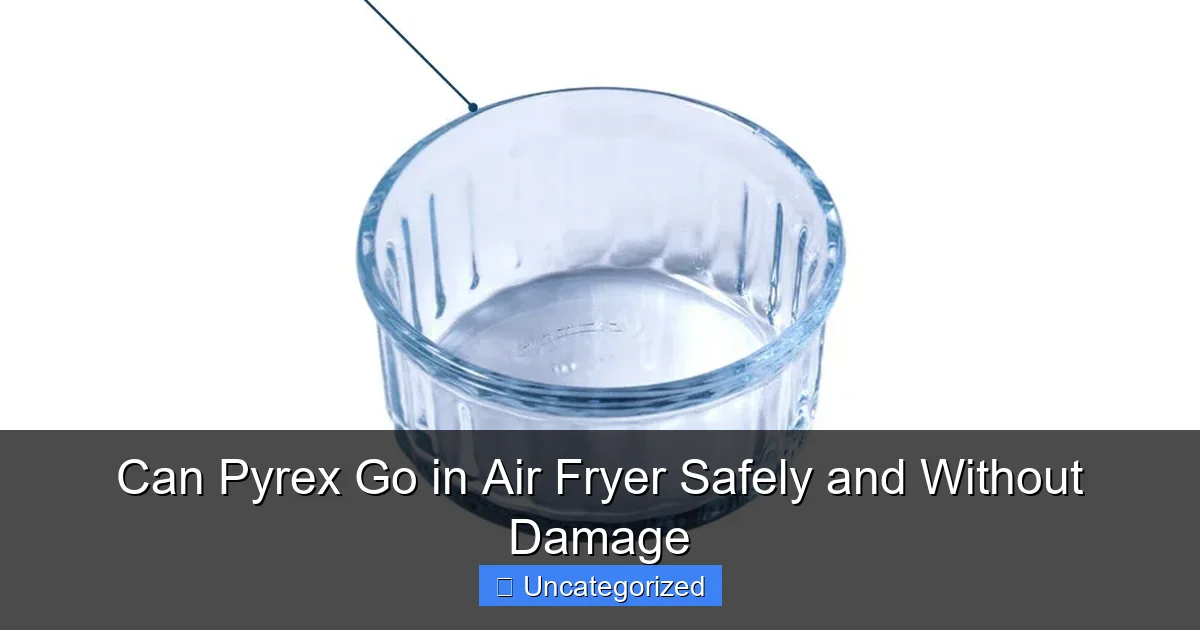
Visual guide about can pyrex go in air fryer
Image source: pyrex.fr
However, in the 1980s, many manufacturers (including Corning, the original maker of Pyrex) shifted to using soda-lime glass for their Pyrex products, especially in the United States. Soda-lime glass is more economical to produce but has a much lower resistance to thermal shock. While it’s still tempered (heat-treated to increase strength), it’s more prone to cracking when exposed to rapid temperature changes. This shift has led to confusion, as many consumers assume all Pyrex is borosilicate, when in reality, it varies by region and product line.
Identifying Your Pyrex Type
To determine whether your Pyrex is suitable for air fryer use, you need to identify its material. Here’s how:
- Check the bottom or packaging: Some Pyrex products are labeled as “borosilicate” or “tempered soda-lime glass.” Look for phrases like “thermal shock resistant” or “safe for oven and freezer.”
- Region matters: In Europe, Pyrex is still predominantly made from borosilicate glass, while in the U.S., most is tempered soda-lime glass.
- Manufacturer variations: Brands like Anchor Hocking, which also sells “Pyrex-style” glassware, may use different materials. Always verify the material, not just the brand.
Example: A vintage Pyrex casserole dish from the 1970s is likely borosilicate and can handle air fryer temperatures. In contrast, a modern 9×13-inch Pyrex baking dish bought in a U.S. supermarket is probably tempered soda-lime glass and should be used with caution.
Thermal Shock Resistance: The Key Factor
The main reason Pyrex might break in an air fryer is thermal shock. This occurs when one part of the glass heats or cools faster than another, creating internal stress. Air fryers heat rapidly and circulate hot air intensely, which can create uneven temperature distribution in glass dishes—especially if the dish is cold when placed in the fryer. Borosilicate glass has a thermal expansion coefficient of about 3.3×10⁻⁶/°C, while soda-lime glass is around 9×10⁻⁶/°C, meaning the latter expands and contracts more under heat, increasing breakage risk.
Tip: If you’re unsure about your Pyrex’s material, err on the side of caution. Use it only for preheated air fryer cooking, and avoid sudden temperature changes (e.g., don’t place a cold dish into a hot air fryer).
Air Fryer Environment: Heat, Airflow, and Size
How Air Fryers Work
Air fryers use a heating element and a powerful fan to circulate hot air at high speeds (up to 400°F) around food. This convection process cooks food quickly and creates a crispy exterior. Unlike ovens, which heat gradually, air fryers preheat rapidly and maintain consistent high temperatures. This environment is excellent for crispy foods but poses challenges for glass cookware due to:
Visual guide about can pyrex go in air fryer
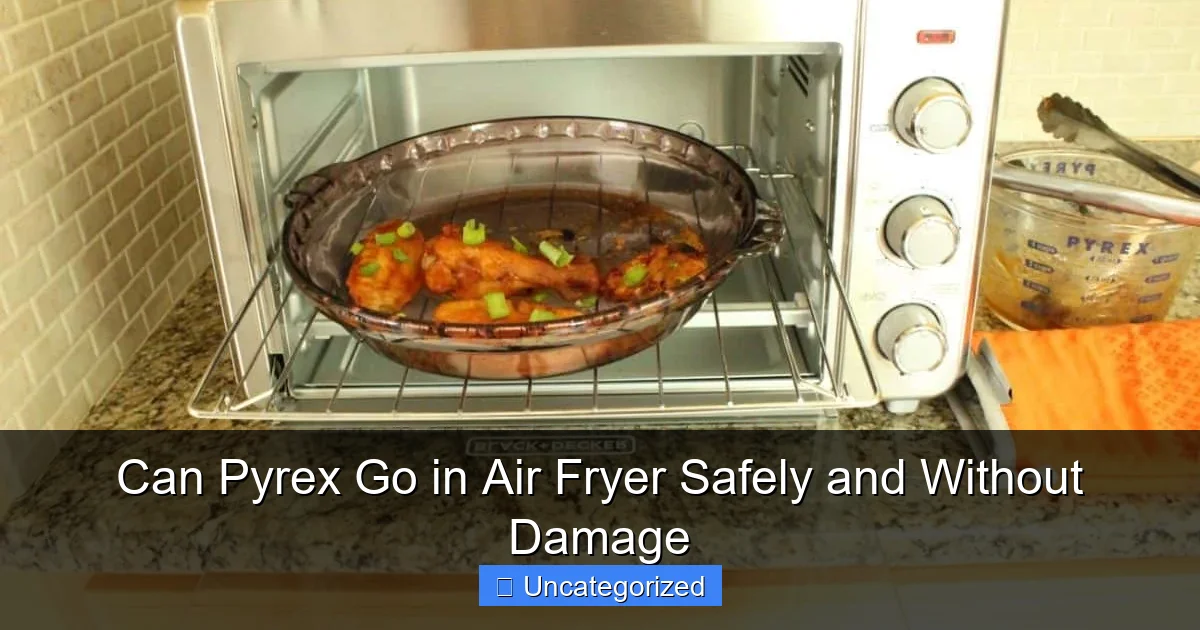
Image source: alsothecrumbsplease.com
- Rapid temperature rise: The air fryer can go from room temperature to 400°F in under 5 minutes.
- Direct airflow: The fan blows hot air directly onto the glass surface, potentially creating hot spots.
- Compact space: Air fryers are smaller than ovens, so there’s less room for heat to distribute evenly.
Size and Fit: A Critical Consideration
Even if your Pyrex is made of borosilicate glass, its size and shape matter. Air fryers have limited interior space, and a dish that’s too large may:
- Block airflow, reducing cooking efficiency.
- Touch the heating element or fan, causing uneven heating or damage.
- Make it difficult to remove or handle safely.
Example: A 9×13-inch Pyrex dish is too large for most standard air fryers (typically 3–5 quarts). A 7×7-inch square dish or a 1.5-quart oval casserole dish is a safer fit. Always measure your air fryer’s basket dimensions and compare them to your Pyrex dish before use.
Airflow and Cooking Performance
When using Pyrex in an air fryer, airflow is crucial for even cooking. Glass is a poor conductor of heat compared to metal, so food in a Pyrex dish may cook slower on the bottom and edges. To mitigate this:
- Use a lower rack position: If your air fryer has adjustable racks, place the Pyrex dish on the lower level to ensure it’s close to the heat source.
- Stir or flip halfway: For casseroles or stews, stir the contents halfway through cooking to promote even heating.
- Reduce temperature slightly: Consider cooking at 375°F instead of 400°F to prevent overcooking the top while the bottom catches up.
Pro tip: For recipes requiring crispy tops (e.g., mac and cheese), cover the dish with foil for the first half of cooking, then remove it to brown the top during the final minutes.
Safe Practices for Using Pyrex in Air Fryers
Preheating and Temperature Management
One of the most important rules for using Pyrex in an air fryer is preheating the dish. Never place a cold Pyrex dish directly into a preheated air fryer. Instead:
- Preheat the air fryer for 3–5 minutes with the basket empty.
- While the air fryer preheats, place the Pyrex dish on a warm (not hot) stovetop burner or in a warm oven (200°F) for 5–10 minutes to bring it to room temperature or slightly above.
- Carefully transfer the dish to the preheated air fryer basket using oven mitts.
Example: If you’re making a quiche, preheat the air fryer to 350°F, warm the Pyrex pie dish in the oven, then fill it with the quiche mixture and cook. This prevents thermal shock and ensures even baking.
Choosing the Right Pyrex Dish
Not all Pyrex dishes are ideal for air fryers. Here’s what to look for:
- Size: Choose dishes that fit comfortably in the air fryer basket with at least 1 inch of clearance on all sides. A 1.5–2 quart dish is ideal.
- Shape: Round or oval dishes promote better airflow than square dishes, which can have hot spots in the corners.
- Depth: Shallow dishes (1.5–2 inches deep) cook faster and more evenly than deep casserole dishes.
- Lid: Use a Pyrex lid or heat-resistant silicone cover to prevent splatters and retain moisture. Avoid metal lids, which can block airflow.
Handling and Safety Tips
Glass is fragile, and air fryers can be hot. Follow these safety practices:
- Use oven mitts or silicone grips: The air fryer basket and Pyrex dish will be extremely hot. Never use bare hands.
- Cool slowly: After cooking, remove the dish from the air fryer and let it cool on a heat-resistant surface (e.g., a wire rack or wooden cutting board). Avoid placing it on a cold countertop or in water, which can cause cracking.
- Inspect for damage: Before each use, check the Pyrex dish for cracks, chips, or scratches. Damaged glass is more likely to break under stress.
- Avoid sudden temperature changes: Don’t refrigerate a hot Pyrex dish immediately after cooking. Let it cool to room temperature first.
When to Avoid Pyrex Altogether
There are situations where it’s safer to use alternative cookware:
- High-fat recipes: If your dish has a lot of oil or fat, the glass may overheat and crack. Use a metal pan instead.
- Very high temperatures: Avoid cooking above 400°F unless your Pyrex is explicitly rated for it.
- Rapid temperature shifts: If you plan to freeze a dish and cook it later, don’t use Pyrex unless it’s borosilicate and you’re following a gradual thawing process.
Alternative Cookware for Air Fryers
Best Materials for Air Fryer Cooking
While Pyrex can work in some cases, other materials are often better suited for air fryers:
- Stainless steel: Durable, non-reactive, and conducts heat well. Ideal for roasting and baking.
- Silicone: Flexible, non-stick, and heat-resistant up to 428°F. Great for muffins, egg bites, and small casseroles.
- Cast iron (enameled): Excellent heat retention and even cooking. Use enameled cast iron to prevent rusting.
- Aluminum (anodized): Lightweight and conducts heat efficiently. Avoid bare aluminum, which can react with acidic foods.
Comparing Pyrex to Alternatives
Here’s a quick comparison of common air fryer cookware materials:
| Material | Thermal Shock Resistance | Heat Conductivity | Non-Stick | Best For |
|---|---|---|---|---|
| Pyrex (Borosilicate) | High | Low | No | Casseroles, reheating, baking |
| Pyrex (Soda-Lime) | Low-Medium | Low | No | Preheated cooking only |
| Stainless Steel | Medium | High | No (unless lined) | Roasting, searing |
| Silicone | High | Low | Yes | Muffins, egg bites, small dishes |
| Enameled Cast Iron | Medium | High | Yes | Slow-cooking, braising |
When to Use Pyrex vs. Alternatives
Use Pyrex when:
- You need a clear dish to monitor cooking progress (e.g., checking if a casserole is bubbling).
- You’re reheating leftovers and want a dish that goes from fridge to air fryer (if preheated).
- You’re baking a dish that benefits from even, gentle heat (e.g., custards).
Use alternatives when:
- You need high heat conductivity for crispy results (e.g., roasted vegetables).
- You’re cooking acidic foods (e.g., tomato-based dishes), which can react with some metals but not glass.
- You want non-stick convenience (e.g., silicone for egg muffins).
Real-World Examples and Recipes
Successful Pyrex Air Fryer Recipes
Here are three recipes that work well with Pyrex in an air fryer, assuming proper preheating and material use:
1. Air Fryer Baked Ziti
- Pyrex dish: 1.5-quart oval casserole
- Preheat: Warm dish in oven (200°F) while air fryer preheats to 375°F
- Method: Assemble ziti with sauce, cheese, and pasta. Cover with foil, cook 15 mins. Remove foil, cook 5 more mins to brown top.
- Tip: Stir halfway if using a deep dish.
2. Mini Quiches
- Pyrex dish: 6-inch pie plate
- Preheat: Place empty dish in air fryer during preheat (350°F for 3 mins)
- Method: Fill with egg mixture, cheese, and veggies. Cook 12–15 mins.
- Tip: Use a silicone liner for easier release.
3. Roasted Vegetables
- Pyrex dish: 7×7-inch square dish
- Preheat: Warm dish on stovetop (low heat) for 5 mins
- Method: Toss veggies with oil and seasonings. Cook at 390°F for 15 mins, stir, cook 5 more mins.
- Tip: Use a lower rack position for even roasting.
Recipes to Avoid with Pyrex
Some dishes are better suited for metal or silicone:
- Fried chicken (batter): High fat and rapid temperature changes can crack glass.
- French fries (frozen): The dish may overheat and crack due to oil splatter.
- High-sugar desserts (e.g., crumbles): Sugar can caramelize and create hot spots.
Final tip: Always start with shorter cook times and check frequently. Glass cooks slower than metal, so adjust time as needed.
Conclusion: Making the Right Choice for Your Kitchen
So, can Pyrex go in an air fryer? The answer is a cautious yes—but with important caveats. If your Pyrex is made of borosilicate glass or high-quality tempered soda-lime glass, and you follow proper preheating, sizing, and handling procedures, it can be a safe and effective tool for air fryer cooking. However, the risks—especially with modern soda-lime Pyrex—are real, and thermal shock remains a significant concern.
The key to success lies in knowing your Pyrex. Identify its material, choose the right size and shape, and always preheat the dish to match the air fryer’s temperature. For high-heat or high-fat recipes, consider switching to stainless steel, silicone, or enameled cast iron, which offer better heat conductivity and durability in the air fryer environment.
Ultimately, Pyrex has its place in the air fryer—especially for casseroles, reheating, and baking—but it’s not a one-size-fits-all solution. By understanding the science behind thermal shock, respecting the limitations of your cookware, and applying the practical tips in this guide, you can enjoy the convenience of air frying without the fear of shattered glass. Whether you’re a seasoned cook or a kitchen novice, making informed choices about cookware compatibility will help you create delicious meals safely and efficiently. So go ahead, experiment with your Pyrex—just do it wisely, and your air fryer adventures will be both tasty and trouble-free.
Frequently Asked Questions
Can Pyrex go in an air fryer safely?
Yes, Pyrex can generally go in an air fryer if it’s labeled oven-safe and the temperature stays below 450°F (230°C). Always check the manufacturer’s guidelines to avoid thermal shock or cracking.
Is it safe to use Pyrex glassware in an air fryer?
Pyrex glassware is safe in an air fryer as long as it’s not exposed to sudden temperature changes (like cold dishes going straight into a hot fryer). Preheating the Pyrex slightly or letting it acclimate to room temperature reduces breakage risks.
Why can’t some Pyrex dishes go in an air fryer?
Older or non-oven-safe Pyrex dishes may crack due to rapid heating or uneven air circulation in air fryers. Always verify that your Pyrex is explicitly rated for oven use before placing it in the air fryer.
Does Pyrex retain heat well in an air fryer?
Pyrex retains heat effectively, making it ideal for even cooking in an air fryer. However, avoid moving it directly from the air fryer to a cold surface to prevent thermal shock.
Can Pyrex go in an air fryer without preheating?
While possible, placing cold Pyrex directly into a preheated air fryer increases the risk of cracking. For best results, let the dish warm to room temperature or preheat it gently before cooking.
What’s the best way to use Pyrex in an air fryer?
Use oven-safe Pyrex, leave space around the dish for air circulation, and avoid extreme temperature shifts. This ensures safe, even cooking without damage to your air fryer or glassware.