
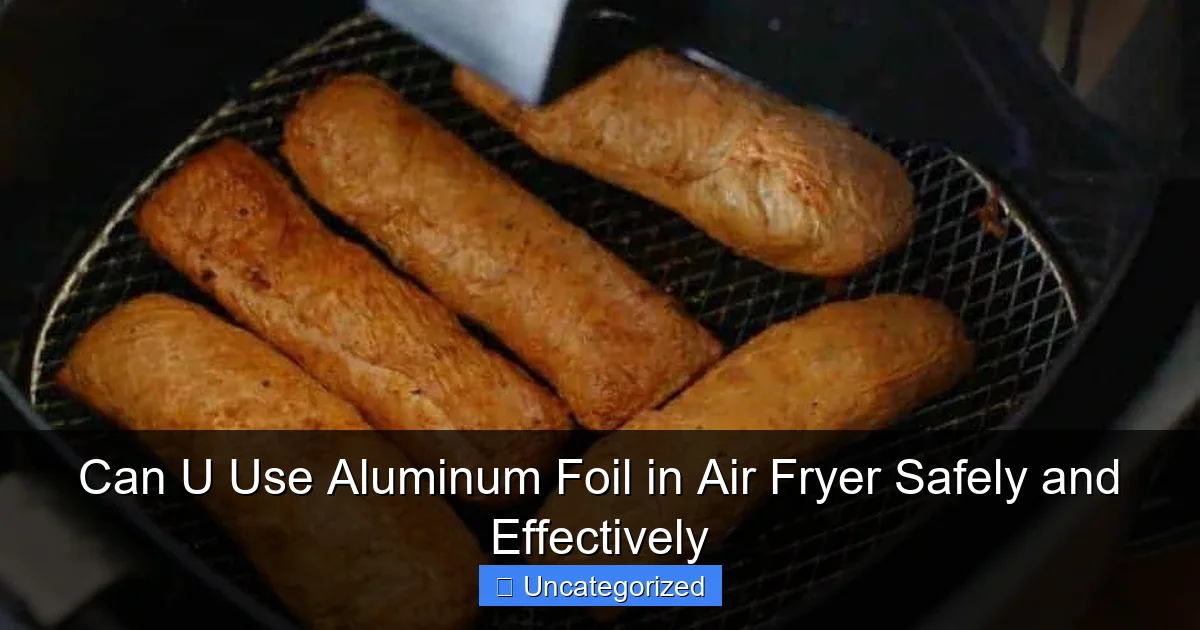
Featured image for can u use aluminum foil in air fryer
Image source: forktospoon.com
Yes, you can safely use aluminum foil in an air fryer—but only when used correctly to avoid blocking airflow or causing fire hazards. Always place foil on the basket’s bottom or wrap food loosely, ensuring it never touches the heating element or covers more than 2/3 of the basket for optimal, even cooking.
Key Takeaways
- Yes, you can use aluminum foil in air fryers, but avoid covering the basket’s bottom.
- Always leave space for airflow to prevent overheating and ensure even cooking.
- Never let foil touch heating elements to avoid fire hazards and damage.
- Use foil for easy cleanup when cooking messy foods like fish or marinated meats.
- Prevent food from sticking by lightly oiling foil before placing food on it.
- Check your air fryer’s manual for manufacturer-specific guidelines on foil usage.
📑 Table of Contents
- The Air Fryer Revolution: A Modern Kitchen Marvel
- Understanding Air Fryer Mechanics and Airflow Dynamics
- Safety Considerations: When Aluminum Foil Becomes Hazardous
- Safe and Effective Methods for Using Aluminum Foil in Air Fryers
- Creative Applications: Maximizing Foil’s Potential
- Maintenance, Cleaning, and Long-Term Considerations
- Comparative Analysis: Foil vs. Alternative Solutions
- Conclusion: Balancing Convenience and Safety
The Air Fryer Revolution: A Modern Kitchen Marvel
Air fryers have taken the culinary world by storm, offering a healthier alternative to traditional deep frying. These compact countertop appliances use rapid air circulation to create crispy, golden results with little to no oil. As more households embrace this kitchen innovation, questions arise about how to maximize its potential. One of the most frequently asked queries is: Can u use aluminum foil in air fryer safely and effectively? This debate has sparked discussions among home cooks, food bloggers, and appliance manufacturers alike, with varying opinions and experiences shared across online forums and social media platforms.
The allure of aluminum foil in cooking lies in its versatility. It can prevent food from sticking, catch drips and splatters, and even help certain dishes cook more evenly. However, air fryers operate differently from conventional ovens, relying on precise airflow patterns to achieve their signature crispiness. The introduction of any foreign material, including aluminum foil, can potentially disrupt this delicate balance. This comprehensive guide will explore the nuances of using aluminum foil in air fryers, addressing safety concerns, best practices, and creative applications while providing practical solutions for common challenges. Whether you’re a seasoned air fryer enthusiast or a curious beginner, this article will equip you with the knowledge to make informed decisions about incorporating aluminum foil into your air fryer cooking repertoire.
Understanding Air Fryer Mechanics and Airflow Dynamics
How Air Fryers Work: The Science Behind the Crisp
To determine whether aluminum foil is compatible with air fryer use, it’s essential to understand the appliance’s core functionality. Air fryers operate on the principle of convection cooking, where a powerful fan circulates hot air at high speeds around the food. This rapid airflow creates a Maillard reaction on the food’s surface, producing the characteristic browning and crispiness associated with frying, but with significantly less oil. The typical temperature range for air fryers is 175°F to 400°F (80°C to 200°C), with most cooking occurring between 320°F and 380°F (160°C to 193°C).
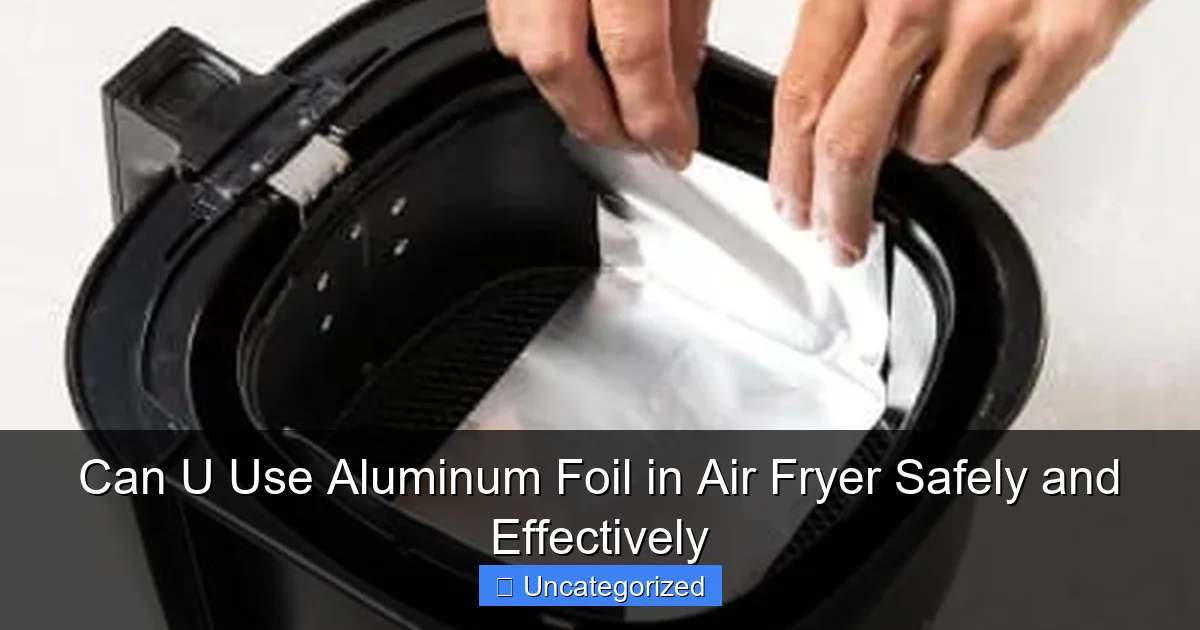
Visual guide about can u use aluminum foil in air fryer
Image source: homemaking.com
The key to successful air frying lies in maintaining unimpeded airflow. Manufacturers design air fryer baskets and trays with perforations or mesh patterns that allow hot air to circulate freely. When food is placed in the basket, the air flows around all sides, ensuring even cooking and crisping. Any obstruction to this airflow can result in uneven cooking, soggy textures, or extended cooking times. This fundamental principle is why the question of aluminum foil use is so critical – even a small piece of foil can significantly alter the appliance’s performance if not used correctly.
Potential Risks of Improper Airflow Disruption
When aluminum foil obstructs airflow in an air fryer, several issues may arise:
- Uneven cooking: Food may cook slower on one side or remain undercooked in areas where airflow is blocked
- Reduced crispiness: The hallmark of air frying is compromised when hot air cannot reach all food surfaces
- Extended cooking times: The appliance must work harder to achieve desired results, potentially overcooking some areas while undercooking others
- Potential damage to the appliance: In extreme cases, restricted airflow can cause the air fryer to overheat or malfunction
For example, wrapping an entire piece of chicken in foil might seem like a good way to retain moisture, but it would prevent the skin from crisping properly, defeating the primary purpose of air frying. Similarly, placing a large, flat sheet of foil across the entire basket would create a barrier that hot air cannot easily penetrate, leading to disappointing results.
Safety Considerations: When Aluminum Foil Becomes Hazardous
The Spark Risk: A Critical Safety Concern
One of the most significant safety issues with using aluminum foil in air fryers involves the risk of electrical arcing or sparking. Air fryers contain metal heating elements and electrical components in close proximity to the cooking chamber. If aluminum foil comes into direct contact with these elements, it can create a short circuit or spark, potentially causing:
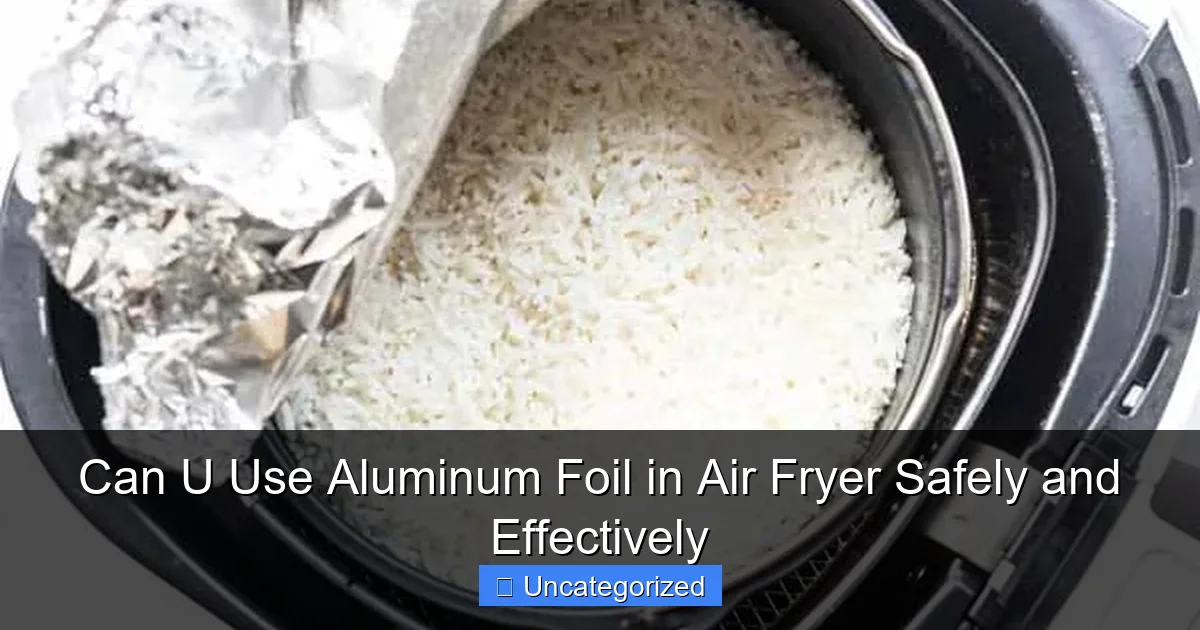
Visual guide about can u use aluminum foil in air fryer
Image source: fastfoodbistro.com
- Damage to the air fryer’s internal components
- Fire hazard in extreme cases
- Voiding of the manufacturer’s warranty
Manufacturers like Philips (makers of the original Airfryer) explicitly warn against allowing metal objects, including aluminum foil, to touch the heating elements. The risk increases when foil is crumpled, as sharp edges can more easily make contact with sensitive parts. A study by Consumer Reports found that 23% of air fryer-related incidents reported to the CPSC involved metal objects coming into contact with heating elements, with aluminum foil being the most common offender.
Temperature Limits and Material Integrity
While standard aluminum foil is rated for temperatures up to 660°F (349°C), the real concern in air fryers isn’t the foil melting – it’s how the foil behaves at high temperatures. At air fryer operating temperatures (typically below 400°F/200°C), aluminum foil can:
- Become brittle and break apart, leaving foil fragments in food
- Develop microscopic tears that create sharp edges
- Transfer small amounts of aluminum to food (a concern for those with kidney issues or aluminum sensitivity)
For instance, when cooking acidic foods like tomatoes or citrus-marinated proteins, the combination of heat and acidity can accelerate aluminum leaching. The World Health Organization recommends limiting aluminum intake to 1 mg/kg of body weight per week, making it prudent to minimize unnecessary aluminum exposure through cookware.
Safe and Effective Methods for Using Aluminum Foil in Air Fryers
Strategic Foil Placement: The Key to Success
Contrary to blanket prohibitions, aluminum foil can be used safely in air fryers when applied strategically. The golden rule is: never cover more than 50% of the basket’s surface area, and always ensure airflow channels remain unobstructed. Here are proven techniques:
- Foil “baskets”: Create small, open-topped foil containers for delicate items that might fall through the basket’s holes (e.g., chopped vegetables, small fish fillets)
- Foil “tents”: For items that cook too quickly on the outside while remaining undercooked inside (e.g., thick chicken breasts), create a loose foil tent covering only the top
- Foil “trays”: Line the bottom of the basket with a foil tray that follows the basket’s contours, with sides no higher than 1 inch (2.5 cm)
For example, when cooking salmon fillets, you can place a small piece of foil (cut to fit the fish size) under each fillet to catch juices while leaving the top and sides exposed to airflow. This method reduces cleanup without compromising crispiness. Similarly, for air-fried Brussels sprouts, a foil “basket” can contain the loose leaves while allowing hot air to circulate through the sides.
Foil Alternatives and Hybrid Approaches
For those seeking to minimize aluminum exposure while maintaining convenience, consider these alternatives:
- Parchment paper liners: Perforated parchment paper designed for air fryers provides a non-stick surface without obstructing airflow
- Silicone mats: Reusable, non-stick mats with perforations that mimic the basket’s design
- Hybrid foil-parchment solutions: Use foil only for the base with parchment on top to catch drips
When using parchment paper, look for products specifically rated for air fryers (typically heat-resistant to 425°F/218°C). Some innovative brands offer pre-cut parchment liners that match popular air fryer models, eliminating the need for manual cutting and reducing the risk of covering too much basket area.
Creative Applications: Maximizing Foil’s Potential
Foil for Enhanced Cooking Techniques
When used creatively, aluminum foil can unlock new air frying possibilities. Consider these advanced applications:
- Foil “packets” for steaming: For foods that benefit from moisture retention (e.g., fish, dumplings), create foil packets with small ventilation holes. Place the packet in the basket, ensuring the holes face upward for steam release.
- Foil “walls” for containment: When cooking small, loose items like chopped nuts or breadcrumbs, form low foil walls around the perimeter to prevent items from scattering while allowing airflow.
- Foil “reflectors” for even browning: For items that brown unevenly (e.g., pizza), place a small piece of foil on the opposite side of the basket from where browning is desired, reflecting heat toward that area.
An excellent example is air-fried stuffed mushrooms. By placing each mushroom cap on a small foil “pedestal” (created by folding foil into a 1-inch tall base), you elevate the mushrooms above any liquid that accumulates, preventing sogginess while allowing the stems to cook evenly.
Foil for Special Diets and Food Preparation
Foil becomes particularly valuable when accommodating dietary restrictions or specialized preparation methods:
- Gluten-free cooking: Use foil to create a dedicated cooking surface when preparing gluten-containing foods, preventing cross-contamination.
- Low-fat cooking: For foods that typically require oil to prevent sticking (e.g., tortillas for chips), foil eliminates the need for oil while achieving crispiness.
- Marinade containment: Place marinated foods in foil pockets with small holes for ventilation, allowing flavors to infuse without marinade dripping onto the heating element.
For instance, when preparing air-fried tofu for a vegan meal, a foil-lined approach can help achieve crisp edges without excessive oil. Simply press the tofu to remove excess moisture, place on a small foil “raft” with holes poked through it, and cook at 375°F (190°C) for 12-15 minutes, flipping halfway through.
Maintenance, Cleaning, and Long-Term Considerations
Proper Foil Removal and Basket Care
Even when used correctly, aluminum foil can leave residue on air fryer baskets. Follow these cleaning protocols:
- Cool completely before removing foil to prevent warping the basket
- Use plastic or silicone utensils to gently lift foil without scratching non-stick coatings
- Inspect for foil fragments and remove any small pieces with tweezers
- Clean with mild detergent and a soft sponge, avoiding abrasive cleaners
For stubborn foil residue, create a paste of baking soda and water, apply gently with a soft cloth, and rinse thoroughly. Never use steel wool or metal scrubbers, as they can damage the basket’s coating and create sharp edges that could puncture future foil uses.
Long-Term Impact on Appliance Performance
Regular, improper foil use can affect your air fryer’s longevity and performance over time. Potential long-term issues include:
- Coating degradation: Scratches from foil removal can compromise non-stick properties
- Airflow restriction: Accumulated foil fragments or bent basket perforations reduce efficiency
- Heating element strain: Persistent airflow obstruction causes the fan to work harder, potentially shortening its lifespan
To mitigate these risks, consider maintaining a usage log: Track when you use foil, how much, and the results achieved. This record helps identify optimal foil applications and prevents overuse. Many experienced air fryer users report that limiting foil use to 20% of cooking sessions maintains appliance performance while still benefiting from foil’s convenience.
Comparative Analysis: Foil vs. Alternative Solutions
Performance Comparison Table
To help readers make informed decisions, here’s a comparative analysis of foil versus alternative solutions for common air fryer challenges:
| Scenario | Aluminum Foil | Parchment Paper | Silicone Mat | No Liner |
|---|---|---|---|---|
| Cleanup ease | High (catches drips) | High (catches drips) | Medium (requires washing) | Low (basket needs cleaning) |
| Airflow impact | Medium (when used properly) | Low (perforated designs) | Low (mesh designs) | None |
| Food crispiness | High (with proper use) | High | High | Highest |
| Temperature resistance | Up to 660°F (349°C) | 425°F (218°C) max | 450°F (232°C) max | N/A |
| Reusability | Single-use | Single-use | 100+ uses | N/A |
| Best for | Liquid containment, custom shapes | Standard cooking, delicate foods | Frequent use, eco-conscious users | Maximum crispiness, simple foods |
This data shows that while aluminum foil offers unique advantages in specific scenarios (like containing liquids or creating custom shapes), alternatives often provide comparable performance with lower risk. The choice ultimately depends on your priorities: maximum crispiness, easiest cleanup, environmental impact, or budget considerations.
Conclusion: Balancing Convenience and Safety
After exploring the multifaceted aspects of using aluminum foil in air fryers, the answer to “Can u use aluminum foil in air fryer” is both yes and no – it’s a matter of how and when rather than a simple prohibition. When applied strategically, with careful attention to airflow, placement, and safety considerations, aluminum foil can be a valuable tool for enhancing air fryer performance, reducing cleanup time, and expanding cooking possibilities.
The key takeaways for safe and effective foil use include: maintaining at least 50% of the basket’s surface area uncovered, ensuring no foil contacts heating elements, using foil only for its intended purpose (not as a full liner), and inspecting the basket regularly for damage. For many users, the optimal approach involves a hybrid strategy – using foil selectively for messy foods or special applications while relying on the bare basket or safer alternatives (like parchment paper or silicone mats) for everyday cooking.
As air fryer technology continues to evolve, manufacturers are developing accessories and features that reduce the need for improvisation. However, aluminum foil remains a versatile, readily available option for home cooks who understand its proper application. By respecting the appliance’s airflow requirements and following the guidelines outlined in this guide, you can harness the benefits of aluminum foil without compromising safety, food quality, or appliance longevity. The future of air frying lies in informed, creative experimentation – and aluminum foil, when used wisely, has its place in that culinary journey.
Frequently Asked Questions
Can u use aluminum foil in air fryer without damaging it?
Yes, you can use aluminum foil in an air fryer safely as long as it’s placed properly—away from heating elements and not covering the basket’s air vents. Avoid loose foil that could blow around and disrupt airflow.
Is it safe to put aluminum foil in an air fryer for cooking?
Yes, it’s safe to use aluminum foil in an air fryer for cooking foods like fish, veggies, or messy marinades, provided it’s secured and doesn’t touch the heating coil. Always leave space for proper air circulation.
Can u use aluminum foil in air fryer to prevent sticking?
Absolutely! Lining the air fryer basket with foil (with holes poked for airflow) helps prevent food from sticking and simplifies cleanup. Just ensure the foil doesn’t block the fan or vents.
What are the risks of using aluminum foil in an air fryer?
The main risks include foil blocking airflow, causing uneven cooking, or accidentally touching the heating element and creating a fire hazard. Always double-check positioning before starting.
Can aluminum foil in air fryer affect cooking performance?
Improperly placed foil can disrupt airflow, leading to unevenly cooked food. However, when used correctly, it can enhance cooking by trapping moisture or preventing drips.
Are there alternatives to using aluminum foil in an air fryer?
Yes, parchment paper (air fryer-safe), silicone liners, or a light oil spray are great alternatives. These options provide similar non-stick benefits without the risks of foil.