
Featured image for beginner air fryer tips
Image source: cookswellwithothers.com
Master the basics of air frying by preheating your air fryer—this ensures crispy, restaurant-quality results from the first bite. Avoid overcrowding the basket and lightly coat foods with oil to enhance browning and texture. With simple timing adjustments and regular shaking or flipping, beginners can achieve perfectly cooked, golden meals every time.
Key Takeaways
- Preheat your air fryer for consistent, crispy results every time.
- Use minimal oil—just a light spray enhances crispiness without excess fat.
- Don’t overcrowd the basket to allow proper air circulation and even cooking.
- Shake or flip food halfway through cooking for uniform browning and texture.
- Experiment with cook times—adjust based on food type and desired crispness.
- Clean the basket after each use to prevent smoke and lingering odors.
📑 Table of Contents
- Beginner Air Fryer Tips for Perfect Crispy Meals Every Time
- 1. Understand How Your Air Fryer Works
- 2. Choose the Right Foods (and Avoid the Wrong Ones)
- 3. Master the Art of Crispy, Juicy Results
- 4. Clean and Maintain Your Air Fryer
- 5. Troubleshoot Common Air Fryer Problems
- 6. Bonus Tips for Air Fryer Success
Beginner Air Fryer Tips for Perfect Crispy Meals Every Time
So, you’ve just unboxed your first air fryer, and you’re staring at it like it’s a spaceship. Don’t worry—I’ve been there! The first time I used mine, I accidentally set it to 400°F and nearly incinerated a batch of frozen fries. But after a few trial-and-error moments (and a slightly smoky kitchen), I realized that air frying isn’t magic—it’s just smart cooking with a twist. And the best part? Once you get the hang of it, you’ll wonder how you ever lived without it.
Air fryers have exploded in popularity for good reason: they deliver crispy, golden results with little to no oil, making them a healthier alternative to deep frying. But if you’re new to this appliance, the learning curve can feel a little steep. Maybe your chicken came out dry, or your veggies are soggy in the middle and charred on the edges. Sound familiar? Don’t toss it out just yet! With a few beginner air fryer tips, you’ll be whipping up restaurant-quality meals in no time. Whether you’re cooking for one, a family, or just experimenting, this guide will help you avoid common pitfalls and unlock the full potential of your air fryer—no culinary degree required.
1. Understand How Your Air Fryer Works
Before you start tossing in frozen nuggets and hoping for the best, take a moment to understand the science behind your air fryer. It’s not just a mini oven—it’s a high-speed convection oven with a powerful fan. Hot air circulates rapidly around the food, creating that coveted crispy texture without submerging it in oil. But this also means that air fryer cooking is different from traditional baking or frying. Knowing the mechanics helps you adjust your approach for better results.
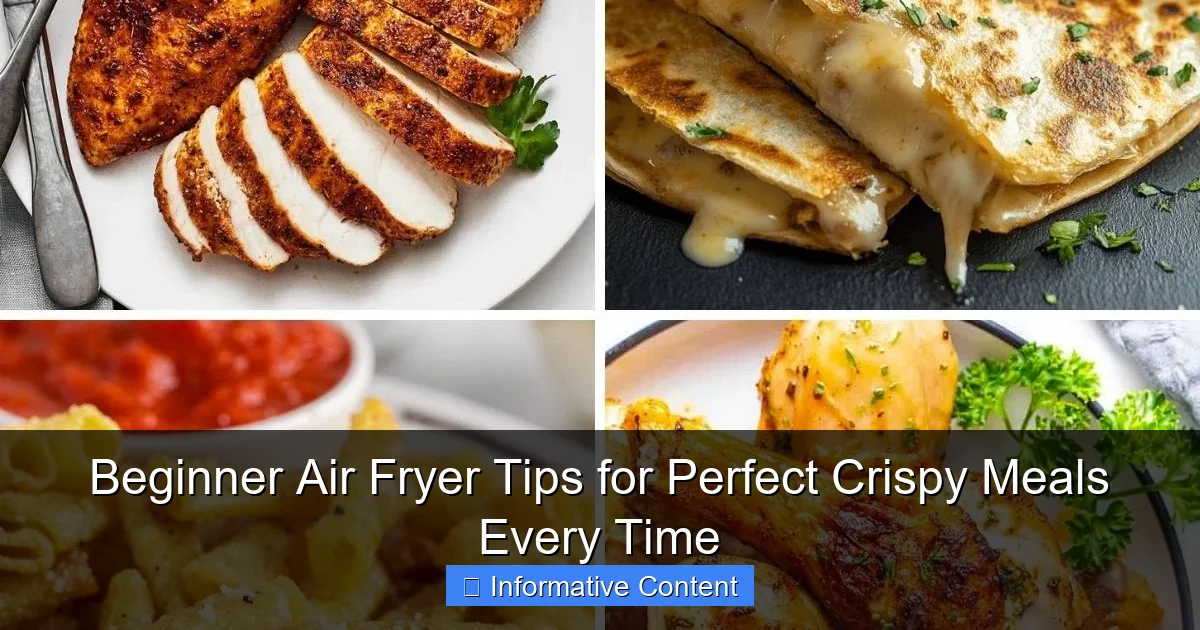
Visual guide about beginner air fryer tips
Image source: instantpoteats.com
The Power of Circulation
The key to crispiness is airflow. Your air fryer’s fan pushes hot air from the top down, surrounding the food from all angles. This is why you should never overcrowd the basket. If food is stacked or touching, air can’t circulate properly, and you’ll end up with uneven cooking—some parts dry, others undercooked. Think of it like giving each piece of food its own “personal space” in the cooking zone.
For example, when cooking chicken tenders, arrange them in a single layer with at least a thumb’s width between each piece. If you’re doubling the batch, cook them in two rounds. It takes a few extra minutes, but the difference in texture is worth it.
Temperature vs. Time
Most recipes you find online are written for ovens, not air fryers. Air fryers cook faster because of the intense, focused heat. A general rule of thumb: reduce the oven temperature by 25°F and shorten the cooking time by 20% when converting a recipe. For instance, if a recipe says “bake at 400°F for 20 minutes,” try 375°F for 16 minutes in your air fryer.
This isn’t a hard rule, but it’s a great starting point. Always check your food a few minutes early—especially with thinner cuts like fish fillets or veggie slices. Overcooking happens fast in an air fryer!
Preheating: Yes or No?
Some models recommend preheating, others don’t. If yours has a “preheat” setting, use it—especially for foods that need a quick sear, like burgers or fish. Preheating ensures consistent results from the first minute. But if your air fryer doesn’t have this feature (or you’re short on time), just add 2–3 minutes to your cooking time. The food will still crisp up nicely.
2. Choose the Right Foods (and Avoid the Wrong Ones)
Air fryers are incredibly versatile, but they’re not a one-size-fits-all solution. Some foods shine in the air fryer; others turn out disappointing. Knowing what works—and what doesn’t—can save you time, money, and a few kitchen disasters.
Best Foods for Air Frying
- Frozen foods: Think French fries, mozzarella sticks, and chicken nuggets. They crisp up beautifully with minimal oil. No need to thaw—just toss them in straight from the freezer. Pro tip: Lightly spray with oil to boost crispiness.
- Vegetables: Brussels sprouts, broccoli, zucchini, and bell peppers become caramelized and tender with a crispy edge. Toss them in a teaspoon of olive oil, salt, and pepper before cooking.
- Meats with skin: Chicken wings, drumsticks, and pork chops with fat or skin get incredibly crispy. The air fryer renders fat without making the meat greasy.
- Reheating leftovers: Air fryers revive pizza, fried chicken, and even french fries better than microwaves. The crust stays crisp, and the inside heats evenly.
Foods to Avoid (or Cook Carefully)
- Wet batters: Traditional beer-battered fish or onion rings will drip and create a mess. If you’re craving battered foods, try lightly breaded versions or use a spray oil to help the coating stick.
- Leafy greens: Spinach or kale will fly around the basket and burn. If you want crispy kale chips, use a small amount and cook in a single layer at a lower temperature (300°F) for 5–7 minutes.
- Large whole chickens or turkeys: Most home air fryers aren’t big enough. Stick to parts like thighs, breasts, or wings. For whole birds, stick to the oven.
- Sticky sauces: Honey-glazed chicken or BBQ ribs can burn quickly. If using a sticky glaze, apply it during the last 2–3 minutes of cooking.
Experiment with New Favorites
Once you’re comfortable, try air frying foods you wouldn’t expect—like hard-boiled eggs (yes, really!), roasted nuts, or even baked apples. I once air-fried a halved avocado with a sprinkle of parmesan and chili flakes—crispy on top, creamy inside. The possibilities are endless once you know the rules.
3. Master the Art of Crispy, Juicy Results
Nothing’s worse than biting into a piece of air-fried chicken that’s crispy on the outside but dry on the inside. Or worse—soggy fries that taste like they’re still frozen. The secret to perfect texture lies in a few simple techniques.
Pat Dry Before Cooking
Moisture is the enemy of crispiness. Before air frying, pat your food dry with paper towels. This is especially important for:
- Frozen fries (they release water as they thaw)
- Vegetables with high water content (like zucchini or eggplant)
- Meats (especially chicken breasts)
For example, when I make air-fried chicken, I always pat the pieces dry, season them, and then spray lightly with oil. The result? A golden crust with juicy meat inside.
Use Oil—But Sparingly
You don’t need a lot of oil to get crispy results. In fact, most foods need only 1–2 teaspoons per batch. Use a high-smoke-point oil like avocado, grapeseed, or light olive oil. Avoid heavy oils like coconut or sesame, which can burn at high temperatures.
For even coverage, use a spray bottle (not the aerosol kind—those can damage your basket). Lightly mist the food before cooking, or toss it in a bowl with oil and seasonings. This helps the coating adhere and promotes browning.
Shake, Flip, or Rotate
Air fryers cook unevenly if food isn’t moved. Most recipes recommend shaking the basket or flipping food halfway through. This ensures all sides get equal exposure to the hot air.
For example:
- When cooking fries, shake the basket at the 8-minute mark.
- For chicken wings, flip them after 10 minutes.
- For veggies, toss them gently to redistribute.
Some air fryers have a “pause” feature that lets you open the basket mid-cycle. Use it! It’s a game-changer for even cooking.
Don’t Overcrowd—Seriously
I know it’s tempting to cook everything at once, but overcrowding kills crispiness. If you’re cooking a large batch, do it in stages. Your patience will be rewarded with evenly crispy, delicious food. Trust me—your taste buds will thank you.
4. Clean and Maintain Your Air Fryer
Let’s be real: cleaning appliances is the least fun part of cooking. But if you neglect your air fryer, food residue builds up, affecting taste and performance. Plus, a dirty basket can start to smoke or smell. A few simple habits keep your air fryer in top shape.
Clean After Every Use
While it’s tempting to skip cleaning, especially after a late-night snack, it’s worth doing. Here’s a quick routine:
- Let the basket cool for 10–15 minutes (never clean it when hot).
- Remove the basket and tray—most are dishwasher-safe. If not, hand-wash with warm, soapy water.
- For stuck-on bits, soak in warm water for 10 minutes, then scrub with a soft sponge. Avoid steel wool—it can scratch the non-stick coating.
- Wipe the inside of the air fryer (where the heating element is) with a damp cloth. Never submerge the main unit in water.
I keep a small bottle of dish soap and a microfiber cloth by my air fryer so cleaning feels like a 2-minute task, not a chore.
Use Parchment or Liners (Wisely)
Parchment paper with holes (air fryer liners) or silicone mats make cleanup easier. But don’t use them all the time—they can block airflow and make food less crispy. Use them for:
- Foods that drip a lot (like marinated chicken)
- Sticky items (like glazed meatballs)
- Small foods that might fall through the basket (like diced veggies)
Never cover the entire basket—always leave space around the edges for air to flow.
Check for Grease Buildup
Over time, oil and fat can collect in the bottom of the air fryer. Every few weeks, check under the basket. If you see grease, wipe it with a paper towel or use a degreaser spray. This prevents smoke and keeps your machine running efficiently.
5. Troubleshoot Common Air Fryer Problems
Even with the best intentions, things can go wrong. Your food might be undercooked, overcooked, or just… not right. Here’s how to fix the most common beginner air fryer issues.
Problem: Food Is Soggy
Causes:
- Too much moisture (not patting food dry)
- Overcrowding
- Not enough oil
Solutions:
- Pat food dry before cooking
- Reduce batch size
- Lightly spray or toss with oil
- Cook in multiple batches
For frozen fries, I always pat them with a paper towel, spray with oil, and cook in a single layer. Crispy every time!
Problem: Food Is Burnt or Charred
Causes:
- Temperature too high
- Cooking time too long
- Sticky sauces or sugary coatings
Solutions:
- Lower the temperature by 25°F
- Check food 3–5 minutes early
- Apply sticky glazes in the last 2–3 minutes
- Use a meat thermometer for meats (e.g., 165°F for chicken)
Problem: Uneven Cooking
Causes:
- Food not flipped or shaken
- Unevenly sized pieces
- Basket not centered
Solutions:
- Flip or shake halfway through
- Cut food into uniform sizes
- Ensure the basket is seated properly
Problem: Smoke or Smell
Causes:
- Grease buildup
- Food touching the heating element
- Using too much oil
Solutions:
- Clean the air fryer regularly
- Don’t overfill the basket
- Use less oil (1–2 tsp max)
6. Bonus Tips for Air Fryer Success
Now that you’ve mastered the basics, here are a few extra beginner air fryer tips to take your cooking to the next level.
Use a Meat Thermometer
Air fryers cook fast, and it’s easy to overcook meat. A digital meat thermometer takes the guesswork out. For chicken, aim for 165°F; for pork, 145°F; for burgers, 160°F. Insert the probe halfway through cooking to check progress.
Season Generously
Air frying can dull flavors since there’s no oil to carry seasonings. Don’t be shy with salt, pepper, garlic powder, paprika, or herbs. Marinate meats for at least 30 minutes (or overnight) for deeper flavor.
Try Baking and Roasting
Air fryers aren’t just for frying. You can bake muffins, roast garlic, or even make small cakes. Just use oven-safe dishes that fit in your basket. I love making individual frittatas or mini quiches for breakfast.
Reheat Like a Pro
Air fryers are the best way to reheat leftovers. Pizza stays crispy, fried chicken regains its crunch, and french fries taste fresh. Cook at 350°F for 3–5 minutes, flipping halfway.
Keep a Cooking Log
Every air fryer is slightly different. Keep a small notebook (or notes app) with your favorite recipes and adjustments. For example: “Chicken tenders: 375°F, 14 min, flipped at 7 min.” This helps you recreate perfect results every time.
| Food | Temp (°F) | Time (min) | Tip |
|---|---|---|---|
| Frozen French Fries | 400 | 12–15 | Pat dry, spray with oil, shake at 8 min |
| Chicken Wings | 380 | 20–25 | Flip at 10 min, sauce at end |
| Broccoli | 375 | 8–10 | Toss with oil, salt, pepper |
| Salmon Fillet | 375 | 10–12 | Pat dry, check at 8 min |
| Pizza (leftover) | 350 | 3–5 | Flip halfway for even heating |
Air frying is a skill that gets better with practice. Don’t get discouraged if your first few meals aren’t perfect. Every mistake is a lesson. With these beginner air fryer tips, you’re already ahead of the curve. Remember: keep it simple, keep it clean, and keep experimenting. Before you know it, you’ll be the one giving advice to the next new air fryer owner—just like a friend who’s been there, done that, and survived the smoke alarm. Happy air frying!
Frequently Asked Questions
What are the best beginner air fryer tips for crispy results?
For crispy meals, preheat your air fryer for 3-5 minutes and avoid overcrowding the basket—this ensures hot air circulates evenly. Lightly coat food with oil and flip halfway through cooking for maximum crunch.
How do I prevent food from sticking in my air fryer?
Lightly spray or brush food with oil and use perforated parchment liners (not full sheets) to keep items from sticking. Avoid non-stick sprays with propellants, as they can damage the basket’s coating.
Can I use frozen foods in an air fryer without thawing?
Yes! One of the best beginner air fryer tips is to cook frozen foods directly—just add 1-3 minutes to the cook time. Shake the basket halfway through for even browning.
Why is my air fryer food soggy instead of crispy?
Sogginess usually happens when the basket is too full or food isn’t flipped. Follow beginner air fryer tips like leaving space between items and pausing to shake or flip during cooking.
Do I need to preheat my air fryer before cooking?
Yes, preheating for 3-5 minutes ensures consistent results, especially for delicate items like chicken tenders or veggies. Skipping this step can lead to uneven cooking and less crispiness.
What accessories make air frying easier for beginners?
Silicone liners, metal racks (for multi-layer cooking), and oil sprayers are great beginner air fryer tips to simplify cleanup and boost crispiness. Just ensure accessories are air fryer-safe and don’t block airflow.