
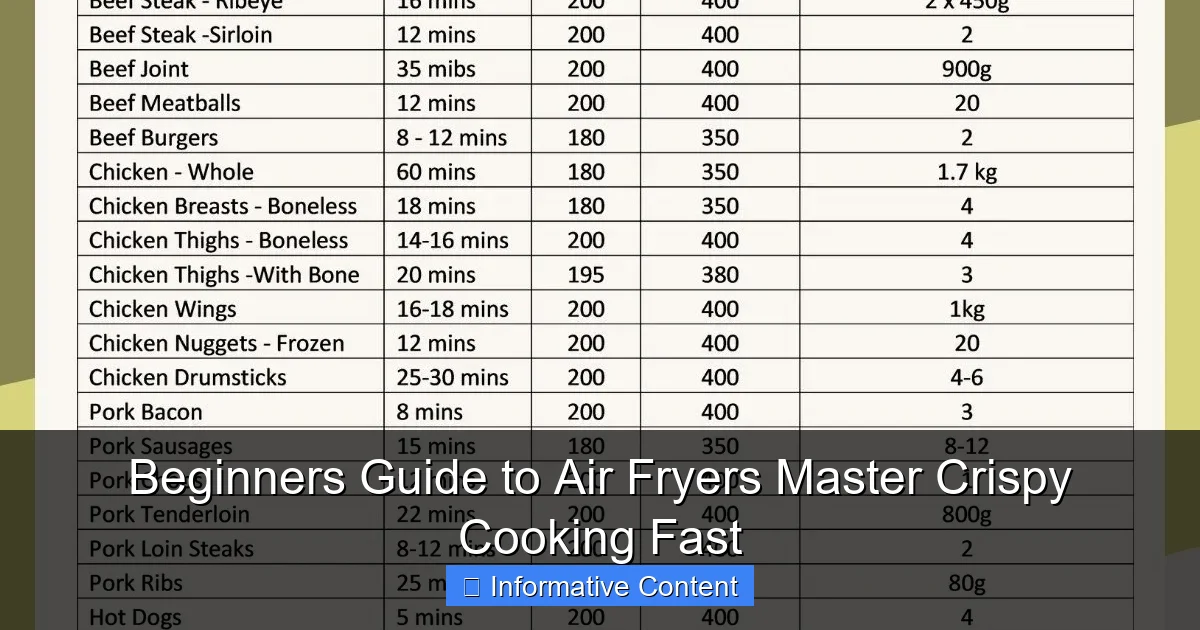
Featured image for beginners guide to air fryers
Image source: i.etsystatic.com
Discover how to achieve perfectly crispy, guilt-free meals in minutes with our beginners guide to air fryers—your ultimate shortcut to mastering healthy, delicious cooking without the oil. From essential tips and foolproof settings to must-try recipes, this guide simplifies air frying for novices, helping you cook faster, cleaner, and with confidence every time.
Key Takeaways
- Preheat your air fryer for crispier, evenly cooked food every time.
- Use minimal oil—just 1 tsp is enough for that golden crunch.
- Shake the basket halfway through for consistent browning and texture.
- Start with frozen foods like fries to master timing and temperature fast.
- Clean after each use to maintain performance and extend appliance life.
- Adjust cooking times—air fryers cook faster than traditional ovens.
📑 Table of Contents
- Beginners Guide to Air Fryers: Master Crispy Cooking Fast
- How Do Air Fryers Work? The Science Behind the Crisp
- Choosing the Right Air Fryer for Your Kitchen
- Essential Tips for Air Frying Success
- What Can You Cook in an Air Fryer? (Spoiler: Almost Everything!)
- Cleaning and Maintaining Your Air Fryer
- Common Mistakes to Avoid (And How to Fix Them)
Beginners Guide to Air Fryers: Master Crispy Cooking Fast
Let’s face it—cooking healthy meals without sacrificing taste is a challenge. I remember standing in my kitchen, staring at a frozen bag of chicken nuggets, wondering if there was a way to make them crispy without deep-frying them in oil. That’s when I discovered air fryers. At first, I thought it was just another kitchen gadget hype. But after trying one, I was hooked. The golden, crispy exterior and juicy interior of my nuggets felt like a culinary miracle. And the best part? I didn’t have to deal with splattering oil or the guilt of deep-fried food.
Air fryers have taken the cooking world by storm, promising crispy, delicious food with little to no oil. Whether you’re a busy parent, a college student, or someone just looking to eat healthier, an air fryer can be a game-changer. But if you’re new to this kitchen marvel, it’s easy to feel overwhelmed. What exactly does it do? How do you use it? And most importantly—will it actually make your food taste good? This beginners guide to air fryers will walk you through everything you need to know, from how they work to how to master crispy cooking fast. Let’s dive in!
How Do Air Fryers Work? The Science Behind the Crisp
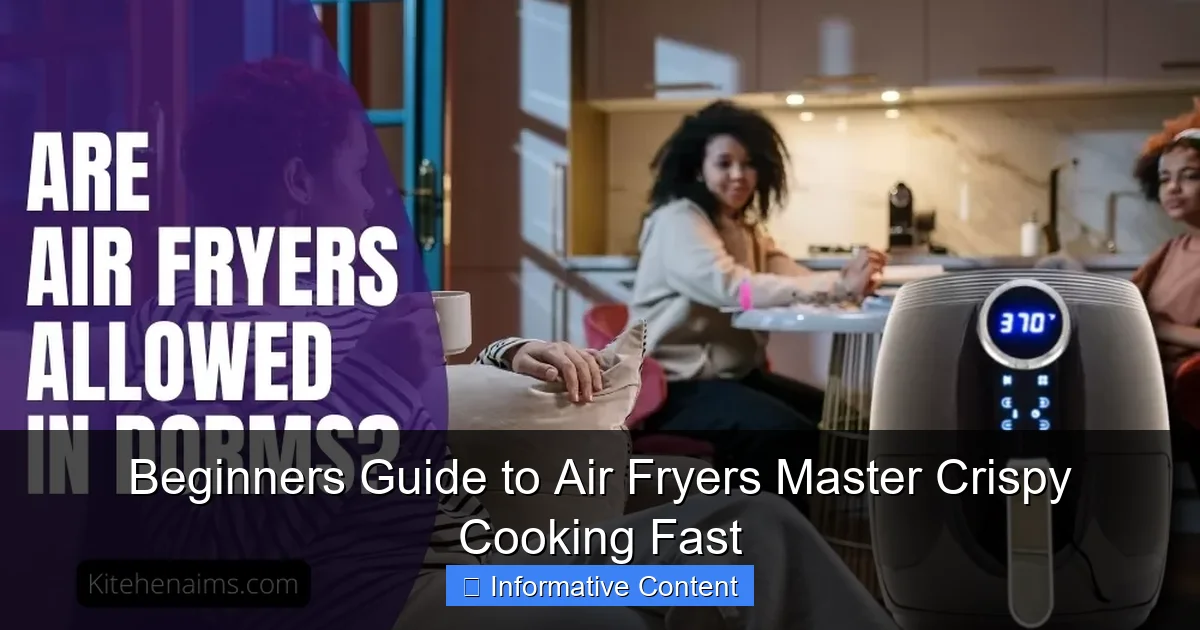
You might be wondering: how can a machine that doesn’t use oil make food crispy? The answer lies in its clever design and cooking method. Air fryers use rapid air technology, which is basically a powerful fan combined with a heating element. This setup circulates hot air around your food at high speed, creating a convection effect similar to what happens in a convection oven.
Visual guide about beginners guide to air fryers
Image source: kitchenaims.com
Hot Air Circulation and the Maillard Reaction
The magic happens when the hot air touches the surface of your food. It triggers the Maillard reaction, a chemical process that gives browned food its delicious flavor and crunch. Think of the golden crust on a seared steak or the crispy edges of a baked potato. Air fryers replicate this effect by cooking food evenly on all sides, thanks to the swirling hot air.
Unlike deep frying, which submerges food in oil, air fryers use a fraction of the oil—sometimes none at all. A light spray or brush of oil (about 1 teaspoon per serving) is often enough to enhance crispiness. This means you get the same satisfying crunch with up to 80% less fat.
Air Fryer vs. Convection Oven: Key Differences
While both appliances use convection cooking, air fryers are more compact and have a more powerful fan. This allows them to cook food faster and with better browning. For example, a batch of frozen fries might take 25 minutes in a convection oven but only 15 minutes in an air fryer. Plus, air fryers preheat much faster, making them ideal for quick meals.
Here’s a fun tip: if you’re cooking something with a high fat content, like bacon or chicken wings, you won’t need any extra oil. The fat from the food will render out, helping it crisp up beautifully. But for leaner foods like veggies or fish, a light oil spray can make a big difference.
Choosing the Right Air Fryer for Your Kitchen
With so many models on the market, picking the right air fryer can feel daunting. But don’t worry—I’ve been there. When I first started shopping, I was overwhelmed by the options. Should I get a basket-style or oven-style? Digital or manual controls? Here’s what you need to consider:
Basket-Style vs. Oven-Style Air Fryers
Basket-style air fryers are the most common. They have a pull-out drawer with a perforated basket, making them easy to use and clean. They’re great for small kitchens and quick meals. However, their compact size means you’ll need to cook in batches for larger families.
Oven-style air fryers (also called air fryer ovens) are larger and have multiple racks. They can roast, bake, and dehydrate, making them more versatile. If you cook for a crowd or want to replace your toaster oven, this might be the better choice. But they take up more counter space and cost more.
Size and Capacity: Matching It to Your Needs
Air fryers typically range from 2 to 7 quarts. For reference:
- 2-3 quarts: Perfect for singles or couples cooking small portions (e.g., 1-2 servings of chicken tenders).
- 4-5 quarts: Ideal for small families (3-4 people) or meal prepping.
- 6+ quarts: Best for larger families or those who love to cook in bulk.
Pro tip: If you plan to cook whole chickens or large roasts, go for at least a 5-quart model. And remember—don’t overcrowd the basket! Food needs space to cook evenly.
Key Features to Look For
Here are some features that can make your air frying experience easier:
- Digital controls: Precise temperature and time settings (great for beginners).
- Pre-programmed settings: One-touch buttons for fries, chicken, fish, etc.
- Non-stick basket: Makes cleanup a breeze.
- Timer and auto-shutoff: Prevents overcooking.
- Dishwasher-safe parts: Because who has time to scrub baskets by hand?
One thing to keep in mind: some budget models have plastic parts that can warp at high temperatures. If you plan to cook at 400°F+ regularly, invest in a stainless steel or ceramic model.
Essential Tips for Air Frying Success
Now that you have your air fryer, it’s time to put it to work. But before you start tossing in food, let’s cover some essential tips to avoid common beginner mistakes.
Preheat Your Air Fryer (Yes, Really!)
Just like with a traditional oven, preheating your air fryer ensures even cooking. Most models need 2-3 minutes to reach the desired temperature. I learned this the hard way when I rushed to cook frozen fries without preheating—they came out soggy on the outside and undercooked inside. Now, I always preheat, even if the recipe doesn’t specify it.
Don’t Overcrowd the Basket
This is the #1 rule of air frying. If you pile food too high, the hot air can’t circulate properly, leading to uneven cooking. For example, if you’re cooking chicken wings, leave at least half an inch between each piece. If you need to cook in batches, keep the first batch warm in the oven while you finish the rest.
Shake or Flip Midway
For even browning, shake the basket or flip the food halfway through cooking. This is especially important for foods like fries, nuggets, or veggies. I usually set a timer for the halfway point so I don’t forget. Some newer models have a “shake reminder” feature—super helpful!
Use the Right Amount of Oil
Less is more when it comes to oil in air frying. A light spray or brush (about 1 teaspoon per serving) is enough. Too much oil can make food greasy and even damage your air fryer over time. For extra crispiness, try using avocado oil or coconut oil—they have high smoke points and add a subtle flavor.
Adjust Cooking Times and Temperatures
Every air fryer is different, so the cooking times in recipes are just guidelines. Start with the recommended time, then check your food early. For example, if a recipe says 15 minutes for chicken breasts, check at 10 minutes to avoid overcooking. A meat thermometer is your best friend here—chicken should reach 165°F, and beef 145°F (for medium).
What Can You Cook in an Air Fryer? (Spoiler: Almost Everything!)
One of the best things about air fryers is their versatility. You can cook everything from frozen snacks to fresh meals. Here are some of my favorite air fryer recipes and tips for each:
Frozen Foods: The Ultimate Convenience
Air fryers are perfect for cooking frozen foods without the soggy mess. Here are some examples:
- Frozen fries or tater tots: 12-15 minutes at 400°F. Shake halfway.
- Chicken nuggets: 10-12 minutes at 390°F. No oil needed!
- Mozzarella sticks: 8-10 minutes at 380°F. Spray lightly with oil for extra crisp.
Pro tip: For frozen foods, don’t thaw first—cook them straight from the freezer. Thawing can make them watery and affect crispiness.
Fresh Meats and Proteins
Air frying is a fantastic way to cook proteins quickly and evenly. Some favorites:
- Chicken breasts: 12-15 minutes at 375°F. Marinate first for extra flavor.
- Salmon fillets: 10-12 minutes at 400°F. Brush with olive oil and lemon juice.
- Shrimp: 8-10 minutes at 390°F. Toss with garlic and butter for a quick scampi-style dish.
For meats, always check internal temperatures. And remember—pat them dry before cooking. Excess moisture can prevent browning.
Vegetables and Sides
Roasting veggies in an air fryer is a game-changer. They come out caramelized and tender, not mushy. Try these:
- Broccoli: 10-12 minutes at 390°F. Toss with olive oil and garlic.
- Sweet potato fries: 15-18 minutes at 400°F. Shake halfway.
- Brussels sprouts: 12-15 minutes at 375°F. Top with balsamic glaze after cooking.
For leafy greens like kale, cook in batches to avoid overcrowding. And for denser veggies like carrots, cut them into thin strips for faster cooking.
Reheating Leftovers
Say goodbye to soggy microwave leftovers! Air fryers can reheat pizza, fried chicken, and even french fries with amazing results. For pizza, heat at 350°F for 3-4 minutes. For fried chicken, 375°F for 5-7 minutes. The crust stays crispy, and the inside stays juicy.
Cleaning and Maintaining Your Air Fryer
Let’s talk about the not-so-fun part: cleaning. But with the right routine, it’s actually pretty easy.
Daily Cleaning Routine
After each use, let the air fryer cool for 10-15 minutes, then:
- Remove the basket and tray.
- Wash with warm, soapy water or put in the dishwasher (if dishwasher-safe).
- Wipe the interior with a damp cloth (never submerge the main unit).
- Use a soft brush to clean the heating element (if accessible).
For stuck-on food, soak the basket in hot water for 15 minutes before scrubbing. Avoid steel wool—it can damage the non-stick coating.
Deep Cleaning Every Few Weeks
Once a month, do a deeper clean to prevent grease buildup:
- Mix equal parts vinegar and water, then spray inside the basket and tray.
- Let it sit for 10 minutes, then scrub with a soft sponge.
- Wipe the exterior with a mild cleaner to remove fingerprints.
Pro tip: Line the basket with parchment paper or foil for easy cleanup. Just make sure it doesn’t block the airflow.
Long-Term Maintenance
To keep your air fryer in top shape:
- Check the fan and vents for dust buildup (use a can of compressed air).
- Store it in a cool, dry place.
- Replace the basket or tray if the non-stick coating wears off.
Most air fryers last 3-5 years with proper care. If you notice uneven cooking or strange smells, it might be time for a new one.
Common Mistakes to Avoid (And How to Fix Them)
Even seasoned air fryer users make mistakes. Here are some common pitfalls and how to avoid them:
Mistake 1: Not Using Enough Oil (or Using Too Much)
Lean foods like veggies and fish need a light oil spray for crispiness. But too much oil can drip into the heating element, causing smoke. Stick to 1 teaspoon per serving.
Mistake 2: Setting the Wrong Temperature
High heat isn’t always better. For delicate foods like fish or shrimp, use 350-375°F. For meats and fries, 390-400°F is ideal. When in doubt, start low and adjust.
Mistake 3: Forgetting to Shake or Flip
Food stuck to the basket? It’s probably not getting enough air circulation. Shake or flip halfway through cooking. Use tongs or a spatula for delicate items like fish.
Mistake 4: Overcooking
Air fryers cook fast. Check your food 2-3 minutes before the recommended time. And remember—carryover cooking continues after you remove the food.
Mistake 5: Not Preheating
As mentioned earlier, preheating makes a big difference. Even 2-3 minutes can prevent soggy results.
| Food | Temperature (°F) | Time (Minutes) | Tips |
|---|---|---|---|
| Frozen fries | 400 | 12-15 | Shake halfway |
| Chicken breasts | 375 | 12-15 | Marinate first |
| Salmon | 400 | 10-12 | Brush with oil |
| Broccoli | 390 | 10-12 | Toss with garlic |
| Pizza (reheat) | 350 | 3-4 | Place directly on tray |
Air fryers are one of the most versatile and user-friendly kitchen gadgets out there. Whether you’re cooking frozen snacks, fresh meats, or reheating leftovers, they deliver crispy, delicious results with minimal effort. This beginners guide to air fryers has covered everything from how they work to how to avoid common mistakes. Now it’s your turn to experiment and find your favorite recipes.
Remember, the key to air frying success is practice. Don’t be afraid to adjust cooking times, try new foods, and even make mistakes—that’s how you’ll learn. And most importantly, enjoy the process. There’s something incredibly satisfying about pulling a batch of golden, crispy fries out of your air fryer, knowing they’re healthier than their deep-fried counterparts. So go ahead, fire up your air fryer, and start mastering crispy cooking fast!
Frequently Asked Questions
What is an air fryer and how does it work?
An air fryer is a compact countertop appliance that circulates hot air around food to create a crispy, fried texture with little to no oil. It works by rapidly circulating 360° heat, mimicking deep frying but with up to 80% less fat—perfect for healthier versions of favorites like fries and wings.
Is the Beginners Guide to Air Fryers helpful for first-time users?
Absolutely! This Beginners Guide to Air Fryers breaks down setup, cooking tips, and easy recipes to help you master crispy cooking fast. Whether you’re new to air frying or upgrading your skills, it’s designed to simplify the learning curve.
Can I cook frozen foods in an air fryer without thawing?
Yes, air fryers excel at cooking frozen foods like nuggets, fries, and pizza rolls straight from the freezer. Just add 1–3 minutes to the recommended cook time and check for crispiness—no preheating or thawing required.
What types of food can I make with an air fryer?
You can make a wide range of dishes, from crispy vegetables and chicken wings to baked potatoes and even desserts like churros. The Beginners Guide to Air Fryers includes recipe ideas to help you explore beyond fried foods.
Do I need to preheat my air fryer before cooking?
Most air fryers benefit from a 3–5 minute preheat, especially for frozen or dense foods, to ensure even cooking. However, some models and recipes skip this step—always check your manual or recipe guide for specifics.
How do I clean an air fryer safely?
Remove the basket and tray, then wash them with warm, soapy water or in the dishwasher (if labeled safe). Wipe the interior with a damp cloth; never submerge the main unit in water to avoid damaging the heating elements.