10 Best Air Fryers of 2026 (You’ll Wish You Bought #1 Sooner)
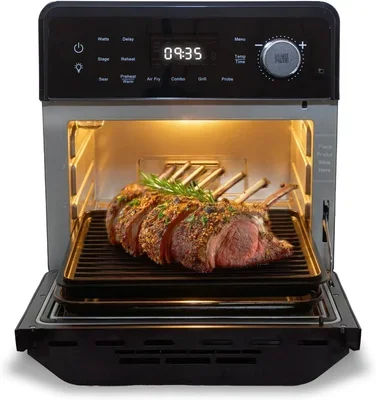
Shopping for an air fryer can feel like navigating a maze of wattage numbers, basket shapes, and marketing buzzwords. This guide exists to cut through the noise and give you a clear, step‑by‑step framework for choosing the model that fits your kitchen, your cooking style, and your budget. By the end you’ll know which specifications actually affect performance, how to spot a genuine deal versus a gimmick, and which type of air fryer will serve you best for years to come.
We’ll start with the most important decision factors — capacity, heating technology, ease of cleaning, and more — then break down the major categories on the market, highlight common pitfalls, and give you concrete price‑tier expectations. Along the way you’ll find expert tips, a detailed FAQ, and our top picks for every type of buyer. Whether you’re a first‑time fryer or a seasoned home chef looking to upgrade, this guide will give you the confidence to click “buy” without second‑guessing.

What to Look for When Buying Air Fryer
1. Capacity and Footprint
Capacity is the single most practical spec because it determines how much food you can cook in one batch. Compact units (2–3 qt) suit singles or couples and tuck easily into a cabinet, while 5–6 qt models handle a family‑size portion of fries, a whole chicken, or a tray of vegetables. Measure your countertop space and the height of your upper cabinets before you fall in love with a large‑capacity model; some “extra‑large” fryers are taller than they are wide and may not fit under standard cabinets.
2. Heating Technology: Convection vs. Rapid Air vs. Dual‑Zone
All air fryers use a fan to circulate hot air, but the way that heat is generated differs. Traditional convection models rely on a single heating element at the top; they’re reliable and inexpensive. “Rapid Air” or “Turbo” branding usually means a more powerful fan and a tighter airflow path, which can shave a few minutes off cook times. Dual‑zone fryers add a second heating element (often at the bottom) and independent temperature controls for each basket, letting you roast a chicken at 375 °F while crisping fries at 400 °F in the same cycle.
3. Temperature Range and Precision
Most units span 180 °F–400 °F, but the granularity of control matters. Models with 5 °F increments let you fine‑tune delicate tasks like dehydrating herbs or proofing dough, whereas 10 °F steps are fine for everyday frying. Look for a digital display that shows the actual temperature, not just a preset icon, so you can verify the fryer is holding the set point.
4. Preset Programs and Smart Features
Presets (fries, chicken, fish, bake, dehydrate) are convenient shortcuts, but they’re only as good as the algorithm behind them. High‑end models let you edit and save custom programs, and a growing number offer Wi‑Fi or Bluetooth connectivity for recipe syncing and remote monitoring via a phone app. If you love experimenting, a programmable unit pays off; if you just want “set‑and‑forget” fries, a simple dial model saves money.
5. Build Quality, Materials, and Non‑Stick Coatings
The basket and tray take the most abuse. Stainless‑steel baskets with a ceramic‑based non‑stick coating resist scratching better than plain Teflon and are usually dishwasher‑safe. Check the hinge mechanism on pull‑out drawers — metal gears outlast plastic ones. A sturdy, cool‑touch handle and a base that doesn’t wobble on the counter are signs of a well‑engineered product.
6. Ease of Cleaning
Removable, dishwasher‑safe parts are a must for most buyers. Some fryers have a single‑piece basket that can trap crumbs in the corners; others feature a two‑piece design (basket + crisper plate) that lifts out for thorough cleaning. A non‑stick interior that wipes clean with a damp cloth reduces post‑cook cleanup to seconds.
7. Noise Level
Fan noise ranges from a quiet hum (≈45 dB) to a noticeable whir (≈60 dB). If your kitchen opens onto a living area or you plan to run the fryer while watching TV, look for models marketed as “quiet” or check user reviews for real‑world sound impressions.
8. Warranty and Customer Support
A one‑year limited warranty is standard, but premium brands often extend to two or three years and cover the heating element separately. Responsive support (phone, chat, email) and a readily available parts inventory mean you won’t be left with a dead appliance after a minor fault.
Different Types of Air Fryer

Common Buying Mistakes to Avoid
❌ Mistake: Choosing Capacity Solely on Price
Why it’s bad: A cheap 2‑qt fryer may seem like a bargain, but you’ll end up cooking in multiple batches, wasting time and energy. Over‑crowding the basket also blocks airflow, producing soggy results.
What to do instead: Match capacity to your typical serving size. If you regularly feed four people, invest in a 5‑qt or dual‑basket model even if it costs $30‑$50 more.
❌ Mistake: Ignoring Wattage and Circuit Limits
Why it’s bad: High‑wattage units (1800 W+) heat faster but can trip a 15‑amp kitchen circuit if other appliances share the line.
What to do instead: Check your kitchen’s breaker rating. A 1500 W model is a safe sweet spot for most homes; reserve 1800 W+ for dedicated circuits or commercial‑grade wiring.
❌ Mistake: Overvaluing Preset Count Over Customizability
Why it’s bad: Dozens of presets look impressive, yet many are just marketing labels for the same time/temperature combo. Without the ability to tweak them, you’re locked into the manufacturer’s guesswork.
What to do instead: Prioritize models that let you adjust time and temperature manually and save your own profiles. A handful of well‑designed presets plus full manual control beats a hundred rigid ones.
❌ Mistake: Skipping the Non‑Stick Coating Research
Why it’s bad: Cheap PTFE coatings can degrade at high heat, releasing fumes and flaking into food. Ceramic‑based coatings are more durable and PFOA‑free.
What to do instead: Read the spec sheet for “ceramic‑infused” or “PFOA‑free” language. Verify dishwasher‑safe labeling if you plan to machine‑wash the basket.
❌ Mistake: Buying Without Checking Return Policy
Why it’s bad: Even well‑reviewed units can arrive with a defective fan or a warped basket. A restocking fee or short return window turns a minor hassle into a sunk cost.
What to do instead: Purchase from retailers offering at least a 30‑day no‑questions‑asked return and free return shipping. Keep the original packaging until you’re certain the fryer works flawlessly.
❌ Mistake: Assuming All Accessories Are Included
Why it’s bad: Some brands sell the fryer “bare” and charge extra for a grill pan, baking tray, or rotisserie spit. The total cost can exceed a competitor’s all‑in‑one package.
What to do instead: Compare the full accessory list in the product description. If you need a specific accessory (e.g., a dehydrator rack), confirm it’s bundled or budget for the add‑on.
❌ Mistake: Neglecting Long‑Term Support and Parts Availability
Why it’s bad: A fryer that dies after 18 months becomes e‑waste if the manufacturer no longer stocks heating elements or basket replacements.
What to do instead: Choose brands with a track record of multi‑year support (e.g., Ninja, Cosori, Instant Pot). Search the brand’s website for “replacement parts” before buying.
Budget Guidelines: How Much Should You Spend?
Entry‑Level ($50 – $100)
Expect a 2‑3 qt single‑basket unit with basic dial or 4‑button digital controls, 1500 W heating, and a handful of presets. Build quality is functional but often plastic‑heavy; non‑stick coating may be standard PTFE. Good for occasional fries, reheating, or a single‑person household. Warranty typically one year.
Mid‑Range ($100 – $200)
This is the sweet spot for most families. You’ll find 5‑6 qt baskets, dual‑zone models at the top of the range, ceramic non‑stick, 1700‑1800 W power, and 10‑15 presets plus manual override. Many include a grill plate or baking pan. Two‑year warranties become common. Performance is consistent enough for daily use.
Premium ($200 – 350)
Premium fryers add oven‑style cavities, rotisserie spits, paddle stirrers, or smart connectivity. Temperature precision improves to 5 °F steps, and the fan is quieter. Materials shift to stainless‑steel exteriors and reinforced hinges. Three‑year warranties and dedicated support lines are standard. Ideal for enthusiasts who bake, roast, and air‑fry equally.
Luxury ($350+)
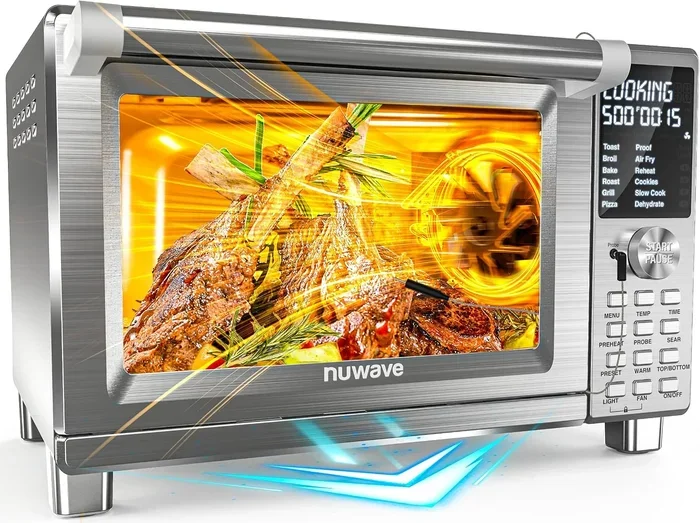
Top‑tier units combine convection oven capacity (12‑30 qt), multiple heating zones, built‑in temperature probes, and full app ecosystems with guided recipes and firmware updates. They often replace a toaster oven entirely. Expect commercial‑grade components, 5‑year limited warranties, and white‑glove customer service. Buy only if you’ll use every feature regularly.
Expert Tips for Getting the Best Deal
- Shop Holiday Sales: Black Friday, Cyber Monday, and Prime Day routinely drop mid‑range models 20‑30 % off. Set price alerts on your favorite models a month ahead.
- Check Refurbished Programs: Manufacturer‑certified refurbs (e.g., Ninja Renewed, Cosori Certified) carry the same warranty as new but cost 15‑25 % less.
- Bundle Accessories: Some retailers sell “kitchen bundles” that include a fryer, silicone liners, and a cookbook for a lower combined price than buying each separately.
- Use Cash‑Back Portals: Sites like Rakuten or credit‑card shopping portals add 2‑5 % cash back on top of sale prices.
- Read the Fine Print on Warranty: Ensure the warranty covers the heating element and fan motor, not just the housing. Register the product immediately after purchase to activate extended coverage.
- Test In‑Store If Possible: Handle the basket, feel the weight of the drawer, and listen to the fan. A quick hands‑on can reveal flimsy hinges or loud operation that specs hide.
- Consider Energy Costs: A 1800 W fryer running 30 minutes daily costs roughly $1.50‑$2.00 per month (US average). Over five years that’s $100‑$120 — factor it into total cost of ownership.
- Leverage Price‑Match Policies: Many big‑box stores will match a lower online price from an authorized dealer. Bring a screenshot on your phone at checkout.

Frequently Asked Questions
Q: Can an air fryer replace a conventional oven?
A: For most everyday tasks — roasting vegetables, baking cookies, reheating pizza — a 5‑qt or larger air fryer performs comparably and preheats faster. However, large‑batch baking (multiple trays of cookies) or tall items (a full‑size turkey) still require a full‑size oven.
Q: Do I need to preheat my air fryer?
A: Most recipes benefit from a 3‑minute preheat, especially for crispy results. Some models have a dedicated preheat button; if yours doesn’t, simply run it empty at the target temperature for a few minutes.
Q: Is it safe to use aluminum foil or parchment paper in an air fryer?
A: Yes, provided you don’t block the airflow completely. Cut foil to fit the basket bottom, leaving the sides open, and never cover the heating element. Perforated parchment rounds designed for air fryers are ideal.
Q: How do I prevent food from sticking to the basket?
A: Lightly spray the basket with a high‑smoke‑point oil (avocado, grapeseed) or use a silicone liner. Avoid aerosol cooking sprays that contain propellants; they can degrade non‑stick coatings over time.
Q: What’s the difference between “air fry” and “bake” settings?
A: “Air fry” typically runs the fan at maximum speed and uses the top heating element for rapid crisping. “Bake” lowers fan speed and may engage both top and bottom elements for more even, gentle heat — better for cakes and casseroles.
Q: Can I cook frozen foods straight from the freezer?
A: Absolutely. Frozen fries, nuggets, and vegetables cook well without thawing. Add 2‑4 minutes to the package‑recommended oven time and shake the basket halfway through for even browning.
Q: How often should I clean the heating element?
A: Wipe the element with a damp cloth after every few uses once the unit has cooled. Built‑up grease can smoke and affect flavor. Never submerge the base or use abrasive scrubbers on the element.
Q: Are air fryers healthy?
A: They reduce oil usage by 70‑80 % compared to deep frying, cutting calories and harmful compounds like acrylamide. However, the healthiness of the final dish still depends on the ingredients you choose.
Q: What size air fryer do I need for a whole chicken?
A: A 5‑qt basket can accommodate a 3‑4 lb bird; for a 5‑6 lb chicken you’ll need a 6‑qt basket or an oven‑style model with a rotisserie spit.
Our Final Recommendations
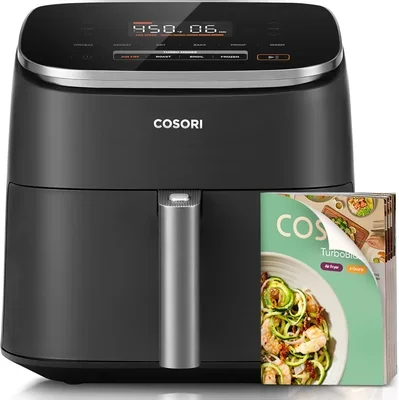
- Best for Budget‑Conscious Buyers: Cosori 3.7 Qt Compact Air Fryer — simple digital controls, ceramic basket, 1500 W, often under $80. Perfect for singles or couples who want reliable crisping without extras.
- Best Overall Value: Ninja Foodi 6‑Qt DualZone — two independent baskets, 1700 W, 5‑°F precision, includes grill plate. Handles family meals and meal‑prep simultaneously for ~$170.
- Best Premium Option: Instant Vortex Plus 10‑Qt Oven‑Style — stainless interior, rotisserie, dehydrate, 6‑quart even‑heat convection, 1800 W. Around $250, it replaces a toaster oven for most tasks.
- Best for Beginners: Dash Tasti‑Crisp 2.6 Qt — analog dial, one‑touch presets, ultra‑compact, under $60. Low learning curve, easy storage, great for dorm rooms or first apartments.
- Best for Advanced Users: Breville Smart Oven Air Fryer Pro — 13 qt capacity, PID temperature control, 13 cooking functions, Wi‑Fi app with guided recipes. At $400+ it’s an investment, but the precision and versatility satisfy serious home chefs.
Conclusion: Making the Right Choice
Choosing an air fryer comes down to aligning three things: the amount of food you typically cook, the cooking techniques you love, and the budget you’re comfortable with. Start by measuring your countertop and deciding on capacity — that single filter eliminates half the market. Next, weigh the importance of dual‑zone flexibility versus a simple single basket; if you frequently prepare a protein and a side together, the extra $50‑$80 for dual‑zone pays off in time saved. Don’t overlook the non‑stick coating and warranty; a ceramic‑coated basket with a two‑year guarantee will outlast a cheap PTFE model that starts flaking after a year.
Use the budget tiers as a reality check: if you only fry once a week, an entry‑level unit is perfectly adequate. If you envision daily roasting, baking, and dehydrating, step up to the premium tier where build quality and temperature precision protect your investment. Finally, leverage sales cycles, refurbished programs, and cash‑back portals to shave 15‑30 % off the sticker price without sacrificing features.
Armed with this framework, you can walk into any store or scroll any product page with a clear checklist in mind. Pick the fryer that matches your real‑world cooking habits, and you’ll enjoy crispy, healthier meals for years to come. Happy frying!
