Can Air Fryers Cause Cancer

Featured image for air fryer kitchen countertop
Image source: basichomediy.com
Current research shows that air fryers do not directly cause cancer, but high‑temperature cooking can create acrylamide, a compound linked to cancer in animal studies. Using lower temperatures, avoiding burnt food, and keeping the appliance clean greatly reduces any risk.
Air fryers have become a kitchen staple for millions of home cooks who want crispy texture without the guilt of deep‑fried oil. The big question on many minds is can air fryers cause cancer. This guide breaks down the science, the statistics, and the practical steps you can take to enjoy your favorite foods with confidence.
Who should care? Anyone who uses an air fryer regularly, especially families with children, pregnant women, or people with a history of cancer. What we know comes from laboratory studies on acrylamide, a chemical that forms when certain foods are cooked at high heat. Where does it happen? Mostly in starchy foods like potatoes, bread, and pastries. When does risk rise? When temperatures exceed 120 °C (248 °F) and food turns dark brown or burnt. Why does it matter? Because acrylamide is classified as a probable human carcinogen based on animal data, though human evidence remains limited.
Key Takeaways
- Air fryers use hot air, not oil, so they produce far less acrylamide than deep frying.
- Acrylamide forms when starchy foods are heated above 120 °C (248 °F), not because of the appliance itself.
- Human studies have not proven a direct link between air‑fried foods and cancer.
- Cooking at 180 °C (356 °F) or lower cuts acrylamide formation by up to 50 %.
- Cleaning the basket after each use prevents buildup of burnt particles that can increase exposure.
- People with existing health conditions should consult a doctor before making major diet changes.
- Balanced diet and moderation remain the best strategy for long‑term health.
📑 Table of Contents
What Is an Air Fryer?
How It Works
An air fryer is essentially a compact convection oven. A powerful fan circulates hot air around food at speeds up to 70 km/h (43 mph). This rapid airflow creates a Maillard reaction — the same browning that gives fried food its flavor — but with a fraction of the oil. Think of it like a hair dryer that blows hot air onto a piece of chicken instead of submerging it in a vat of oil.
Comparison to Deep Frying
Deep frying immerses food in oil at 170–190 °C (338–374 °F). The oil conducts heat quickly, producing a thick crust and high levels of acrylamide. Air fryers typically operate at 150–200 °C (302–392 °F) with little to no oil. Studies show air‑fried French fries contain 30‑50 % less acrylamide than their deep‑fried counterparts. Did You Know? A 2021 European Food Safety Authority report found that switching from deep frying to air frying could reduce average dietary acrylamide intake by roughly 20 %.
The Science Behind Acrylamide and Other Compounds
What Is Acrylamide?
Acrylamide is a chemical that forms naturally when asparagine, an amino acid, reacts with reducing sugars during high‑temperature cooking. It is not added by the appliance; it is a product of the food itself. The International Agency for Research on Cancer (IARC) lists acrylamide as a Group 2A probable carcinogen, based mainly on rodent studies where very high doses caused tumors.

Visual guide about air fryer kitchen countertop
Image source: c8.alamy.com
How Temperature Affects Formation
Acrylamide production spikes sharply above 120 °C (248 °F) and peaks around 170–180 °C (338–356 °F). At 200 °C (392 °F) the levels can be three to four times higher than at 150 °C (302 °F). This is why burnt toast or over‑crisped fries are the biggest contributors. Did You Know? A 2020 study in Food Chemistry showed that reducing the cooking temperature by just 10 °C cut acrylamide in potato chips by 40 %.
Air Fryer vs Oven vs Deep Fryer
Conventional ovens also use hot air, but they often require longer cook times, giving acrylamide more time to form. Deep fryers add oil, which can accelerate the Maillard reaction. Air fryers sit in the middle: they cook faster than ovens and use less oil than deep fryers. The net result is usually lower acrylamide, provided you don’t push the temperature to the maximum setting for extended periods.
Research on Air Fryers and Cancer Risk
Key Studies
Only a handful of peer‑reviewed papers have directly measured acrylamide in air‑fried foods. A 2019 Korean study compared air‑fried, oven‑baked, and deep‑fried sweet potato strips. Air‑fried samples had the lowest acrylamide — 45 µg/kg versus 120 µg/kg for deep‑fried. A 2022 U.S. consumer‑report analysis tested ten popular air fryer models and found acrylamide levels well below the European benchmark of 750 µg/kg for potato products.
Visual guide about air fryer kitchen countertop
Image source: m.media-amazon.com
What the Data Shows
Human epidemiological studies have not linked air‑fried food consumption to higher cancer rates. The largest cohort studies track total fried food intake, not the specific appliance. Because air fryers are relatively new, long‑term human data simply does not exist yet. However, the mechanistic evidence — lower temperature, less oil, shorter cook time — supports a lower theoretical risk.
Expert Opinions
Leading nutrition scientists, including Dr. Walter Willett of Harvard T.H. Chan School of Public Health, state that can air fryers cause cancer is not the right question. Instead, they emphasize overall dietary patterns: plenty of vegetables, whole grains, and limited processed meats. The American Cancer Society notes that reducing acrylamide exposure is sensible, but it should not cause panic over a single kitchen gadget.
Practical Tips to Reduce Any Potential Risk
Cook at Lower Temperatures
Set your air fryer to 160–180 °C (320–356 °F) for most foods. If a recipe calls for 200 °C, try 180 °C and add a couple of minutes. The texture stays crisp, but acrylamide formation drops dramatically.
Avoid Overcooking
Golden brown is perfect; dark brown or black is a warning sign. Use a timer and check food a minute early. A quick visual check prevents the “burnt” stage where acrylamide spikes.
Use Fresh Ingredients
Frozen pre‑breaded items often contain added sugars and preservatives that accelerate browning. Fresh potatoes, homemade batter, and lean proteins give you control over the reaction.
Clean the Basket Regularly
Residual crumbs and oil polymerize into a carbonized layer that can transfer to the next batch. Wash the basket with warm soapy water after each use, and run a quick empty cycle at 200 °C for five minutes once a month to burn off any buildup.
Rotate and Shake
Shaking the basket halfway through cooking ensures even heat distribution, reducing hot spots that can char small pieces.
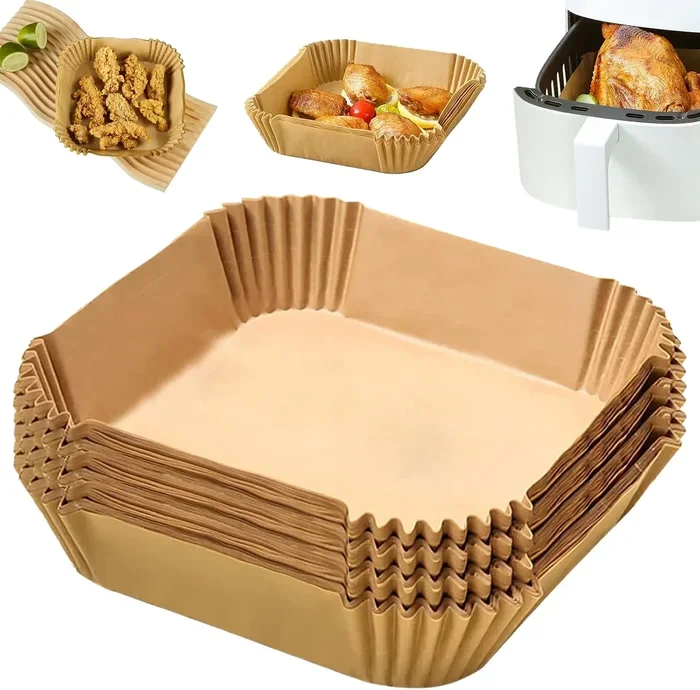
Consider Parchment Liners
Perforated parchment paper designed for air fryers can catch drippings and minimize direct contact between food and the hot metal surface.
Who Should Be Extra Cautious?
People with Existing Conditions
Individuals with a history of gastrointestinal cancers or those undergoing chemotherapy may be more sensitive to dietary carcinogens. A registered dietitian can tailor cooking methods to your specific needs.
Children and Pregnant Women
Developing bodies process chemicals differently. While occasional air‑fried treats are fine, making them a daily staple for kids or expectant mothers is not advisable. Balance with steamed, roasted, or raw vegetables.
Bottom Line: Should You Worry?
Summary of Evidence
Current science tells us that air fryers themselves do not emit carcinogens. The risk comes from how hot and how long you cook starchy foods. When used wisely — moderate temperature, no burning, regular cleaning — air fryers produce significantly less acrylamide than deep frying and are comparable to, or better than, conventional ovens.
Balanced Perspective
Enjoying crispy sweet potato fries or chicken wings a few times a week is unlikely to move the needle on cancer risk. The bigger picture — total diet, physical activity, smoking status, and genetics — dwarfs the contribution of any single appliance. Use the tips above, keep variety in your meals, and you can keep the convenience without the worry.
In short, can air fryers cause cancer is a question best answered with nuance: the appliance is not the culprit; cooking habits are. By adopting a few simple habits you can make air frying one of the healthiest ways to get that satisfying crunch.
Frequently Asked Questions
Do air fryers produce more acrylamide than ovens?
No. Because air fryers cook faster and often at lower temperatures, they typically generate less acrylamide than conventional ovens for the same food.
Is it safe to eat air‑fried food every day?
Eating air‑fried food daily is safe if you vary your diet, avoid burnt portions, and keep cooking temperatures moderate. Balance with plenty of fresh produce and whole grains.
Can I eliminate acrylamide completely?
Complete elimination is unrealistic because acrylamide forms naturally in many cooked starches. However, you can reduce it by 50 % or more with lower heat and shorter cook times.
Are there any air fryer models that are safer?
Safety depends more on how you use the appliance than on the brand. Look for models with precise temperature control and a timer, which help you avoid overheating.
Should I stop using my air fryer if I have a family history of cancer?
You do not need to stop. Consult a healthcare professional for personalized advice, but following the risk‑reduction tips keeps exposure minimal.
What foods are highest in acrylamide when air fried?
Starchy items like potatoes, sweet potatoes, breaded products, and pastries produce the most acrylamide. Vegetables, lean meats, and fish generate very little.