Can I Put Aluminum Foil in Air Fryer
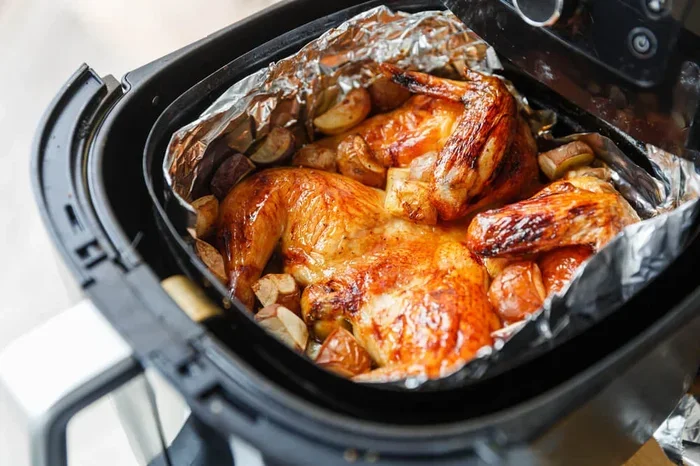
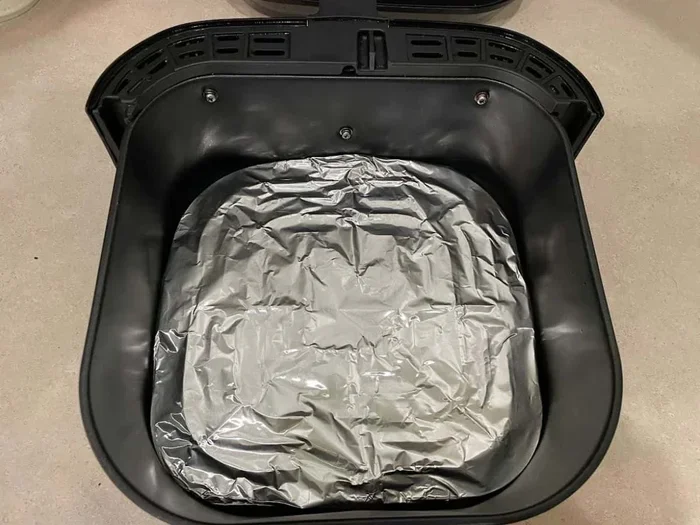
Featured image for aluminum foil air fryer basket
Image source: yummymummykitchen.com
Yes, you can safely use aluminum foil in your air fryer as long as you follow a few critical safety rules. Never let foil touch the heating element, always secure it with food weight, and avoid covering the entire basket bottom to maintain proper air circulation for crispy results.
You just unboxed your shiny new air fryer. You have a beautiful salmon fillet ready to go, and you are wondering if you can line the basket with foil to save yourself a scrubbing session later. The short answer is yes, you can put aluminum foil in an air fryer. But like most things in the kitchen, the devil is in the details. Doing it wrong can ruin your dinner, damage your machine, or even start a fire.
Think of your air fryer like a tiny, powerful convection oven. It works by blasting super-hot air around your food at high speed. That circulation is the secret sauce behind the crispy texture. If you block that airflow with a solid sheet of foil, you essentially turn your air fryer into a weak toaster oven. Your food will steam instead of fry, leaving you with soggy, pale results. Let’s break down exactly how to use foil the right way so you get easy cleanup and perfect crunch.
Key Takeaways
- Yes, it is safe: Aluminum foil works in air fryers when used correctly and does not pose a toxicity risk at cooking temperatures.
- Airflow is king: Never cover the entire basket bottom or block the holes; your food needs circulating hot air to cook evenly and get crispy.
- Weight it down: Always place food on top of the foil to prevent it from blowing into the heating element and causing a fire hazard.
- Avoid acidic foods: Do not cook tomatoes, citrus, or vinegar-based marinades directly on foil, as acid breaks down aluminum and leaches into food.
- Check your manual first: Some manufacturers explicitly forbid foil use; violating this voids your warranty and creates safety risks.
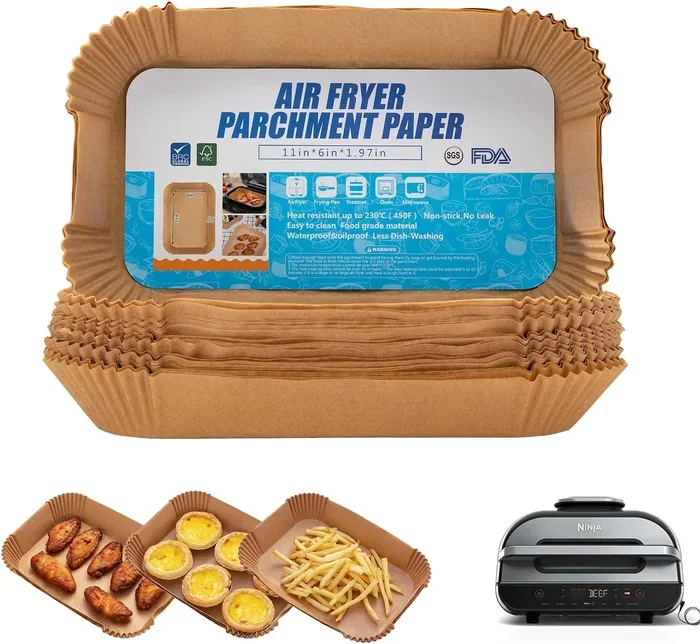
- Parchment is often better: Perforated parchment paper liners allow superior airflow and eliminate the risk of foil contacting the heating coil.
- Best uses: Foil excels at packet cooking, catching drips from messy foods, and wrapping delicate items like fish that might fall apart.
📑 Table of Contents
- The Golden Rules of Air Fryer Foil Safety
- When You Should Absolutely Use Foil
- When You Should NEVER Use Foil
- Foil vs. Parchment vs. Silicone: The Showdown
- Pro Techniques: Mastering the Foil Hack
- Cleaning and Maintenance: The Hidden Benefit
- Common Mistakes That Ruin Dinner
- Air Fryer Types Matter: Basket vs. Oven vs. Toaster Oven
- Environmental Note: Reducing Waste
- Conclusion
The Golden Rules of Air Fryer Foil Safety
Before you tear off a sheet, you need to understand the non-negotiables. These rules separate a clever kitchen hack from a kitchen disaster. Most air fryer manuals address this directly, but the advice boils down to three core principles: airflow, weight, and placement.
Rule 1: Never Block the Airflow
This is the single most important rule. Your air fryer has a fan (usually at the top) that pulls air up and forces it down through the food basket holes. If you line the entire bottom of the basket with a solid sheet of foil, you create a barrier. The hot air hits the foil and bounces around the empty space without ever touching your fries or chicken wings.
Did You Know? Air fryers cook up to 25% faster than conventional ovens because of this rapid air circulation. Blocking the holes reduces cooking efficiency by an estimated 30 to 50 percent, according to appliance testing labs.
The fix is simple. Only place foil directly under the food. If you are cooking four chicken thighs, cut a piece of foil just big enough to sit under those four thighs. Leave the rest of the basket holes exposed so air can swim around the food freely. Better yet, poke a few holes in the foil itself with a fork or skewer to let the air penetrate from the bottom up.
Rule 2: Secure the Foil with Food Weight
Air fryers have surprisingly powerful fans. We are talking hurricane-force winds in a tiny box. A loose sheet of aluminum foil is lighter than a feather in that environment. It will lift, flutter, and inevitably get sucked up into the heating element.
This is dangerous. Foil touching a 400-degree heating coil can spark, melt, or catch fire. It can also wrap around the fan blade, burning out the motor. Always, always put your food on the foil before you turn the machine on. The weight of the food anchors the foil. Never preheat an air fryer with foil inside unless it is weighed down.
Rule 3: Keep Foil Away from the Heating Element
Most air fryers have the heating coil directly above the basket, often just an inch or two from the top of your food. If you mound food high or use a tall foil packet, the top of the foil can brush the coil. This is a fire hazard. Keep your foil packets low and flat. If you are making a foil “tent” for a roast, ensure there is at least an inch of clearance at the top.
When You Should Absolutely Use Foil
Visual guide about aluminum foil air fryer basket
Image source: eatingwell.com
Now that the safety lecture is over, let’s talk about why foil is actually brilliant in an air fryer. There are specific scenarios where foil is not just allowed—it is the superior choice.
Cooking Delicate Fish and Flaky Foods
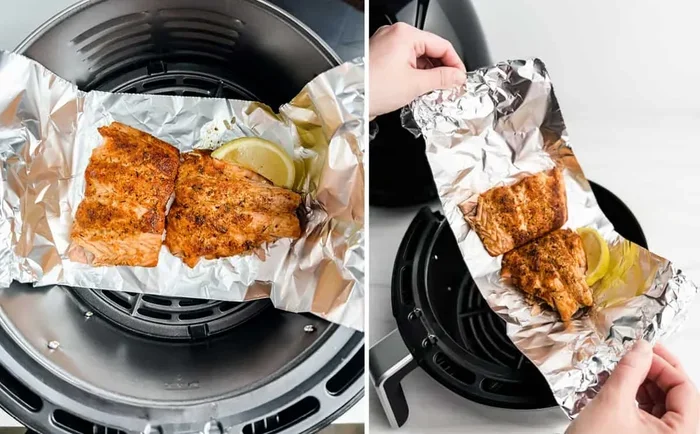
Fish fillets, especially thin ones like tilapia or flounder, are notorious for sticking to the basket mesh. They also fall apart when you try to flip them with tongs. A piece of foil cut to the exact size of the fillet creates a non-stick slide. You can lift the whole foil sheet out like a tray. The fish stays intact, and the basket stays clean.
Catching Drippings from Fatty Meats
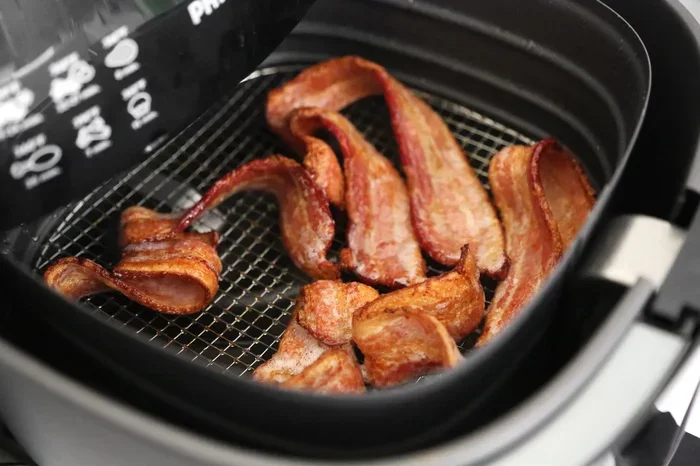
Bacon, sausages, burger patties, and marinated wings render a lot of fat. That fat drips through the basket holes into the drawer below. Without foil, that fat hits the hot bottom drawer, smokes up your kitchen, and creates a baked-on grease layer that requires serious elbow grease to remove. A foil “sling” or tray under the meat catches the drips. You just toss the foil when cool. Pro tip: Add a tablespoon of water to the foil tray before cooking bacon. The water keeps the rendered fat from burning and smoking.
Making Foil Packets (Hobo Packs)
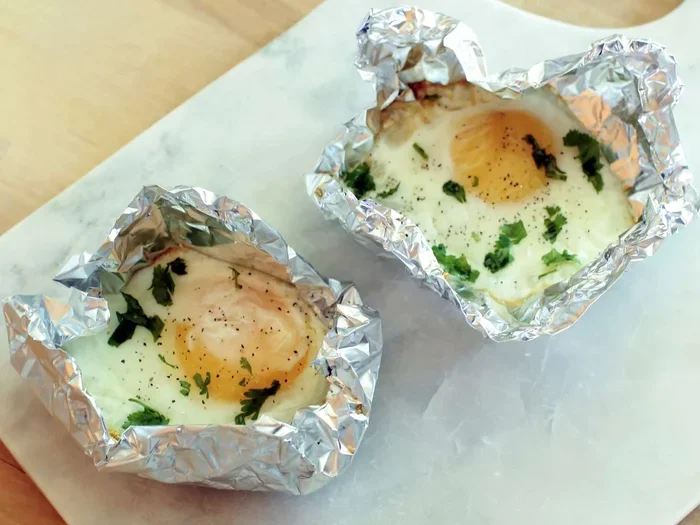
This is where the air fryer shines. You can create individual serving packets with protein, veggies, herbs, and a pat of butter. Seal the foil tight. The air fryer cooks these in 15 to 20 minutes compared to 45 in an oven. The sealed packet steams the food in its own juices, creating intense flavor. Because the packet is sealed, you don’t worry about airflow blockage—the packet is the container.
Reheating Messy Leftovers
Got a slice of lasagna? A saucy meatball sub? A cheesy casserole? Put it on foil. The sauce stays on the foil, not welded to your basket mesh. It reheats fast and cleanup takes three seconds.
When You Should NEVER Use Foil
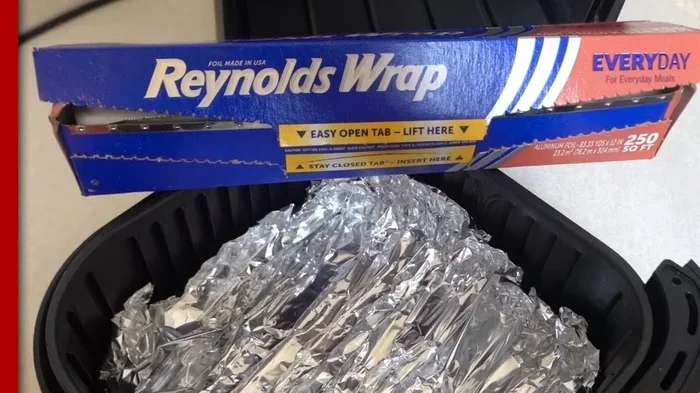
Visual guide about aluminum foil air fryer basket
Image source: i.ytimg.com
There are hard stops. Ignoring these risks your health, your food quality, or your appliance.
Acidic Foods: The Chemical Reaction
This is a chemistry lesson you don’t want to learn the hard way. Aluminum is a reactive metal. When it contacts high-acid foods—tomato sauce, lemon juice, vinegar marinades, citrus glazes—a reaction occurs. The acid breaks down the aluminum. Microscopic amounts of metal leach into your food. The food develops a metallic, tinny taste. The foil may even develop holes or turn black.
Stat Alert: The World Health Organization estimates adults can safely consume up to 50mg of aluminum daily without adverse effects. Cooking acidic foods in foil can increase the aluminum content of a meal by 2mg to 5mg per serving. While generally considered safe for healthy adults, it affects flavor and is best avoided.
If you are making lemon-garlic chicken or BBQ ribs (vinegar/tomato base), use parchment paper or a silicone liner instead. Or just put the food directly on the basket.
Lightweight Foods That Won’t Anchor the Foil
Kale chips, spinach, loose french fries, tater tots, or popcorn chicken. These are too light to hold the foil down. The fan will lift the foil edges, the food will scatter, and the foil will hit the coil. For these, use a silicone mat, a perforated parchment round, or nothing at all. Shake the basket halfway through instead.
Preheating an Empty Basket
Many recipes say “preheat air fryer to 400°F.” If you put foil in during preheat with no food on it, the foil will fly into the element. Preheat the empty basket. Then pull it out, lay your foil, add food immediately, and slide it back in.
If Your Manual Says No
This sounds obvious, but people skip the manual. Some brands (certain Philips and Ninja models historically) have designs where the heating element is extremely close to the basket, or the fan is exceptionally strong. They explicitly state “Do not use aluminum foil.” Using it voids your warranty. Check the PDF manual online if you lost the paper one. Search “aluminum foil” in the document.
Foil vs. Parchment vs. Silicone: The Showdown
You have three main options for liners. Each has a personality. Choosing the right one changes the outcome.
Aluminum Foil: The Structural Choice
Pros: Moldable. You can shape it into a boat, a tent, a handle sling, or a divider to cook two things at once. It handles heavy weights (whole chicken, ribs). It blocks drips 100%. It reflects heat, potentially browning the bottom of food faster.
Cons: Blocks airflow if used wrong. Reactive with acid. Fire risk if loose. Not reusable. Wasteful.
Best For: Foil packets, catching heavy grease, structural support for delicate items, creating dividers.
Perforated Parchment Paper: The Airflow Choice
Pros: Pre-cut rounds with holes perfectly aligned to your basket. Non-reactive (safe for acid). Non-stick. Allows air to flow up through the holes. Disposable. Cheap.
Cons: Not structural. Can’t make a packet or a boat. Lightweight—can fly up if not weighted by food. Max temp usually 420-450°F (check package).
Best For: Breaded items (chicken tenders, fish sticks), fries, tots, veggies, acidic marinades, everyday non-stick needs.
Silicone Liners: The Eco Choice
Pros: Reusable for years. Dishwasher safe. Non-stick. Non-reactive. Heavy enough to stay put. Some have raised ridges for grill marks and fat drainage.
Cons: Thicker material slightly insulates the bottom of food (less crisp). Takes up storage space. Must be washed. Can retain odors (fish/garlic) if not cleaned well. Expensive upfront ($15-$25).
Best For: Daily users, eco-conscious cooks, sticky batters, cheese-heavy items, reheating.
Quick Decision Guide
- Making salmon with lemon? Parchment or Silicone.
- Cooking bacon or sausages? Foil (catch the grease).
- Making foil packet veggies? Foil (mandatory).
- Cooking frozen fries daily? Silicone (save money/trash).
- Breading chicken cutlets? Parchment (max crisp, no stick).
Pro Techniques: Mastering the Foil Hack
If you decide foil is your tool for tonight, use these expert techniques to get restaurant results.
The “Sling” Method for Heavy Roasts
Cooking a small pork tenderloin or whole chicken (spatchcocked) in a basket air fryer? Getting it out is a nightmare. It sticks. It falls apart. Make a foil sling. Cut a strip of heavy-duty foil about 18 inches long and 4 inches wide. Fold it lengthwise three times into a sturdy strap. Place it in the basket crosswise. Lay a second strip the other way. You now have a cross shape. Put the meat on top. When done, grab the four foil “ears” and lift the whole roast out cleanly. The foil never touches the element because the meat weighs it down flat.
The Divider Technique for Two-Zone Cooking
Want salmon for you and chicken nuggets for the kids at the same time? They need different temps and times. Fold a piece of heavy-duty foil into a rigid wall (fold it 4-5 times thick). Stand it up in the middle of the basket to create two compartments. Put salmon on one side, nuggets on the other. The foil wall blocks flavor transfer and keeps juices separate. You can pull the nuggets out early and let the salmon finish. Note: This reduces total capacity. Only works in larger baskets (5qt+).
The “Crispy Bottom” Trick
Foil reflects heat. If you put a burger patty directly on foil, the bottom might cook faster than the top because the foil bounces the intense bottom heat (from the drawer) back up. For burgers or steaks where you want a hard sear on the bottom, this is a feature. For cookies or delicate pastries, it burns the bottom. If you want insulation, use parchment or silicone instead.
Heavy Duty vs. Standard Foil
Don’t use the cheap, tissue-thin foil from the dollar store. It tears when you try to mold it. It rips when you lift food. It flutters like a kite in the fan. Spend the extra dollar on Heavy Duty foil (usually 18-20 microns thick). It holds shape, supports weight, and resists punctures from bone-in meats.
Cleaning and Maintenance: The Hidden Benefit
Let’s be honest. The number one reason people ask “can I put aluminum foil in air fryer” is cleanup hatred. Air fryer baskets have non-stick coatings that degrade with aggressive scrubbing. The mesh holes trap grease and crumbs. Dishwashers often miss the gunk in the holes.
Using foil correctly extends the life of your basket coating significantly. Less scrubbing = less coating wear = longer non-stick life. A quality air fryer basket costs $30-$60 to replace. A roll of heavy-duty foil costs $5 and lasts months.
The “Cool Down” Protocol
Never yank hot foil out immediately. The structural integrity of hot foil is near zero. It will tear, spilling hot grease on your hand or counter. Let the basket sit 3-5 minutes. The foil stiffens as it cools. The grease solidifies slightly. Then lift the foil packet out like a tray. Dump the grease into a jar (never down the drain). Recycle the foil if your municipality accepts clean foil (many do if you ball it up to golf-ball size).
Common Mistakes That Ruin Dinner
Even experienced cooks mess this up. Here are the top five foil fails seen in air fryer communities daily.
- The “Wallpaper” Mistake: Lining the entire basket bottom and sides like wallpaper. Result: Raw centers, pale tops, 50% longer cook times. Fix: Cut to food size only.
- The “Acid Bath” Mistake: Marinating chicken in lemon-herb sauce directly on foil. Result: Metallic taste, blackened foil holes. Fix: Use parchment or glass dish inside basket.
- The “Preheat Flyaway”: Putting foil in during preheat. Result: Foil wrapped around heating element, smoke alarm screaming. Fix: Add foil + food after preheat.
- The “Tent Touch”: Making a high foil tent over a roast. Result: Foil touches coil, sparks, smells like burning metal. Fix: Keep tents low; use silicone liner for tall items.
- The “Cheap Foil Rip”: Using ultra-thin foil for heavy ribs. Result: Foil tears lifting out, ribs fall through basket, grease everywhere. Fix: Heavy duty foil only for heavy foods.
Air Fryer Types Matter: Basket vs. Oven vs. Toaster Oven
The advice above assumes a standard basket air fryer (the pull-out drawer kind). If you have a different style, the rules shift.
Basket Style (Drawer)
This is the most common. The fan is above. The holes are in the bottom tray. Foil sits on the tray. All rules above apply perfectly.
Air Fryer Toaster Ovens (Countertop Ovens)
These look like toaster ovens but have an air fry setting. They usually have a wire rack or a mesh basket that sits on a standard baking pan. The fan is often at the back or side.
Difference: You have more vertical space. Foil tents are safer. You can line the included baking pan (drip tray) with foil freely—that pan has no holes, so airflow isn’t blocked. You just can’t cover the wire rack/mesh basket completely.
Paddle/Stirrer Air Fryers (e.g., Tefal ActiFry)
These have a rotating paddle inside a non-stick bowl. Do not use foil. The paddle will shred it. The foil will jam the mechanism. The bowl is non-stick and designed for zero liners. Just wash the bowl.
Environmental Note: Reducing Waste
If you use foil daily, the waste adds up. Aluminum production is energy-intensive (roughly 14,000 kWh per ton). Recycling saves 95% of that energy. But foil contaminated with heavy grease or food often gets rejected at recycling centers.
Eco-Hack: Wipe foil relatively clean with a paper towel (compost the towel if unbleached). Ball the foil up. The larger the ball, the better the sorting machines catch it. Tiny flat sheets get lost in the machinery and end up in landfill. Better yet, switch to a silicone liner for 80% of your cooks. Reserve foil for the 20% where it’s structurally necessary (packets, heavy grease, slings).
Conclusion
So, can you put aluminum foil in an air fryer? Absolutely. It is a fantastic tool when you respect the physics of the machine. The air fryer is a convection beast; it needs to breathe. Give it space. Weight the foil down. Keep it away from acid. Keep it away from the coil. Use heavy-duty foil for heavy jobs.
If you follow these guidelines, you unlock the best of both worlds: the incredible texture of air frying and the zero-scrub cleanup of a lined pan. Your basket coating will thank you. Your dishwasher will thank you. And your Tuesday night salmon will slide out perfectly, skin crisp, flesh moist, onto the plate—no spatula wrestling match required.
Next time you reach for the roll, just remember: small piece, heavy food, holes for air. That’s the whole secret. Happy frying.
Frequently Asked Questions
Can I put aluminum foil in the bottom of my air fryer?
Yes, but only if you cut it to fit under the food and leave the majority of the basket holes exposed. Covering the entire bottom blocks airflow, leading to uneven cooking and soggy food. Never place foil in the bottom drawer (grease tray) of a basket model unless your manual explicitly allows it, as it can disrupt airflow dynamics or melt onto the heating element below.
Will aluminum foil catch fire in an air fryer?
Foil itself won’t spontaneously combust at air fryer temperatures (max ~450°F), but it creates a severe fire hazard if it blows loose and contacts the heating element. The powerful fan can lift unsecured foil instantly. Always weigh foil down with food before turning the unit on, and never preheat with loose foil inside.
Can I cook acidic foods like tomatoes or lemon chicken on foil in an air fryer?
You should avoid cooking highly acidic foods directly on aluminum foil. The acid reacts with the metal, causing aluminum to leach into the food and creating a metallic taste. The foil may also discolor or develop pinholes. Use perforated parchment paper or a silicone liner for tomato-based sauces, citrus marinades, or vinegar-heavy dishes.
Is parchment paper better than foil for air fryers?
For most everyday cooking, yes. Perforated parchment paper allows superior airflow through pre-cut holes, is non-reactive with acidic foods, and eliminates the risk of foil contacting the heating element. However, foil is better for structural needs like making packets, catching heavy grease drippings, or creating slings to lift heavy roasts.
Can I use foil in a Ninja or Cosori air fryer?
Generally, yes. Both Ninja and Cosori manuals typically allow foil usage provided you follow safety guidelines: don’t cover the basket holes completely, secure it with food, and keep it away from the heating element. However, always check your specific model’s manual, as some newer models with top-mounted heating elements very close to the basket may restrict foil use.
Can I wrap food completely in foil (foil packets) in an air fryer?
Yes, foil packets (hobo packs) are one of the best uses for foil in an air fryer. Because the food is sealed inside, airflow blockage isn’t an issue. They cook quickly (usually 15-20 minutes for veggies and protein) and lock in moisture and flavor. Ensure the packet is sealed well and placed flat in the basket with space around it for air to circulate.