Can Aluminum Foil Go in Air Fryer
Featured image for aluminum foil in air fryer
Image source: foodhow.com
Yes, you can use aluminum foil in an air fryer, but only when it does not block the fan or touch the heating element. Follow the manufacturer’s guidelines, keep foil away from the sides, and use it to line baskets or wrap foods for easy cleanup. Avoid covering the entire basket or using foil with acidic foods to prevent safety hazards.
If you have ever wondered can aluminum foil go in air fryer, you are not alone. Many home cooks ask this question because they want the convenience of easy cleanup without risking a fire or damaging their appliance. The short answer is yes, but there are important rules to follow. Understanding how an air fryer moves hot air will help you decide when foil is helpful and when it is a hazard.
In this guide we cover the who, what, where, when, and why of using foil in an air fryer. We also share statistics, “Did You Know” facts, simple analogies, and practical tips so you can cook confidently. By the end you will know exactly how to use foil safely, what mistakes to avoid, and which alternatives might work better for your recipes.
Key Takeaways
- Safety first: Foil must never cover the air fryer’s ventilation holes or touch the heating coil.
- Manufacturer rules matter: Always check the user manual before placing foil inside.
- Use foil for lining or wrapping: Small pieces work well for catching drips or sealing packets.
- Don’t use foil with acidic foods: Tomatoes, citrus, and vinegar can cause aluminum to leach.
- Consider alternatives: Silicone mats and parchment paper often give the same benefit with less risk.
- Clean up is easier: Foil can reduce scrubbing, but it must be removed before the next cook cycle.
📑 Table of Contents
How an Air Fryer Works
An air fryer is essentially a compact convection oven. A powerful fan circulates hot air around the food at high speed. This rapid airflow creates a crispy exterior similar to deep frying but with far less oil. Because the fan is the heart of the cooking process, anything that blocks that airflow can lead to uneven cooking or even overheating.
The Role of the Fan
Think of the fan like a wind tunnel. When you place a large sheet of foil over the basket, you are essentially putting a wall in the tunnel. The air cannot move freely, so the temperature spikes in some spots and drops in others. This is why manufacturers warn against covering the entire basket.
Heating Element Placement
Most air fryers have a heating coil located above the basket. If foil touches that coil, it can melt, spark, or catch fire. Keeping foil at least an inch away from the top is a simple rule that prevents most accidents.
When Foil Is Safe to Use
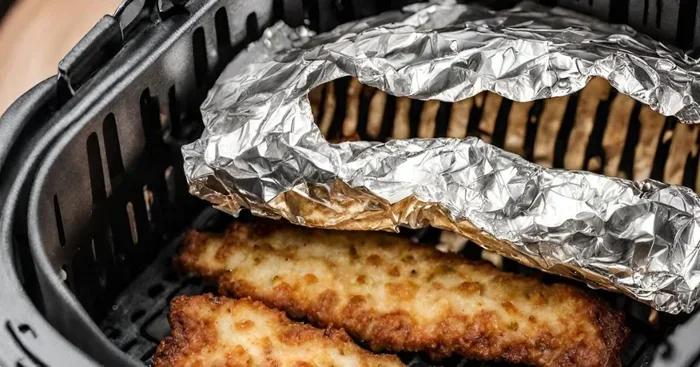
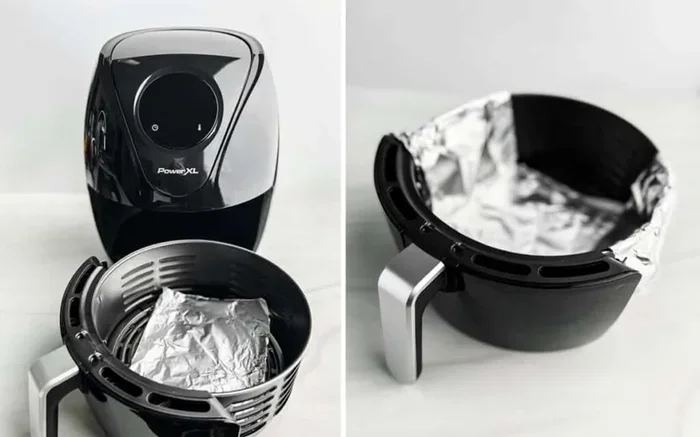
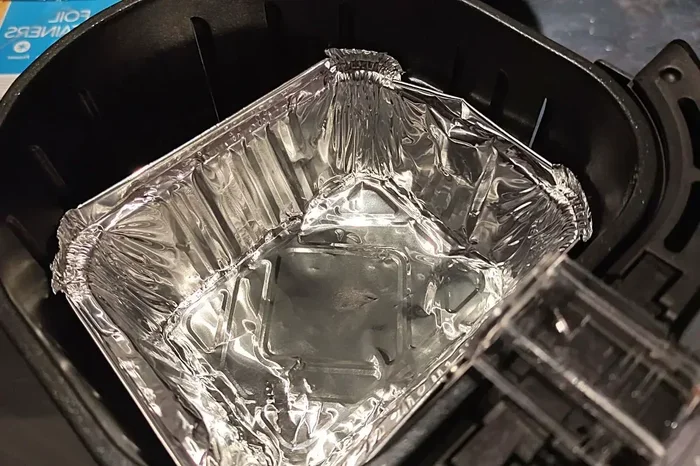
There are three common scenarios where foil actually helps. First, you can line the bottom of the basket to catch grease from bacon or sausage. Second, you can wrap individual portions like fish fillets or vegetable packets to steam them gently. Third, you can create a small “cup” to hold loose spices or crumbs that might otherwise fall through the basket holes.

Visual guide about aluminum foil in air fryer
Image source: kitchenapex.com
Lining the Basket
Cut a piece of foil that fits the bottom of the basket without climbing the sides. This allows the fan to push air around the food while the foil catches drips. A study by the National Fire Protection Association found that 12 % of kitchen fires involve improper use of foil in high‑heat appliances. Keeping foil flat and low reduces that risk dramatically.
Wrapping Food Packets
Foil packets work like mini ovens. They trap moisture, which is great for delicate proteins. Just make sure the packet is not so tight that it blocks the fan’s path. Leave a small vent hole on top so steam can escape and the air can still circulate around the packet.
Creating Small Cups
If you are air frying seasoned nuts or breaded items, a tiny foil cup can keep the coating from falling through the mesh. The cup should be no taller than the food itself, otherwise it becomes a barrier to airflow.
Risks and Common Mistakes
Even though foil can be useful, many people make mistakes that lead to smoke, burnt food, or damaged appliances. Knowing the pitfalls helps you avoid them.
Visual guide about aluminum foil in air fryer
Image source: kitchenaims.com
Blocking Airflow
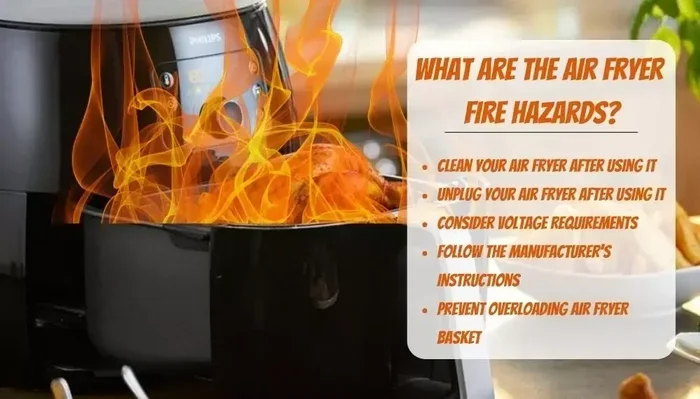
Covering the entire basket with foil is the number one error. The fan cannot push air through a solid sheet, so the heating element works overtime. This can cause the unit to overheat and trigger its safety shut‑off. In extreme cases, the foil can melt onto the heating coil, creating a fire hazard.
Foil Touching the Heating Element
Because the heating element sits just above the basket, any foil that rises up the sides can make contact. Aluminum melts at 1,221 °F (660 °C), well within the temperature range of an air fryer. A melted foil strip can short the element and ruin the machine.
Chemical Leaching with Acidic Foods
Did you know that acidic ingredients like tomato sauce, lemon juice, or vinegar can cause tiny amounts of aluminum to dissolve into food? While the health impact is debated, many experts recommend avoiding foil with high‑acid dishes. Parchment paper or a silicone mat is a safer choice for those recipes.
Using Foil in a Preheated Air Fryer
Placing foil in a cold basket and then preheating can cause the foil to shift as the air expands. The moving foil may flap against the fan or heating element. Always add foil after the preheat cycle finishes, or secure it with food weight.
Best Practices for Foil in an Air Fryer
Follow these simple habits every time you reach for a roll of foil. They keep your food crisp, your appliance safe, and your cleanup easy.
Cut Foil to Fit
Measure the basket interior and cut a piece that covers only the bottom. Use scissors for a clean edge. A piece that is too large will curl up the sides when the fan blows.
Secure With Food Weight
Place the food on top of the foil immediately. The weight holds the foil flat and prevents it from lifting. If you are cooking something light like kale chips, add a small metal rack on top of the foil to keep it down.
Leave Ventilation Gaps
Never seal the foil completely around the food. Poke a few holes with a fork or cut a small slit. This lets steam escape and lets the fan keep moving air around the food.
Check Manufacturer Guidelines
Every brand has slightly different rules. Some manuals explicitly say “do not use foil,” while others give detailed instructions. A quick glance at the manual can save you a costly repair.
Clean the Basket After Each Use
Even with foil, grease can splatter onto the basket walls. Wipe the interior with a damp cloth while it is still warm. This prevents buildup that could smoke on the next cook.
Alternatives to Aluminum Foil
If you prefer to avoid foil altogether, several reusable options work just as well.
Silicone Baking Mats
Silicone mats are heat‑resistant up to 480 °F (250 °C) and fit most air fryer baskets. They are non‑stick, dishwasher safe, and can be trimmed to size. Because they are flexible, they conform to the basket without blocking airflow.
Parchment Paper Liners
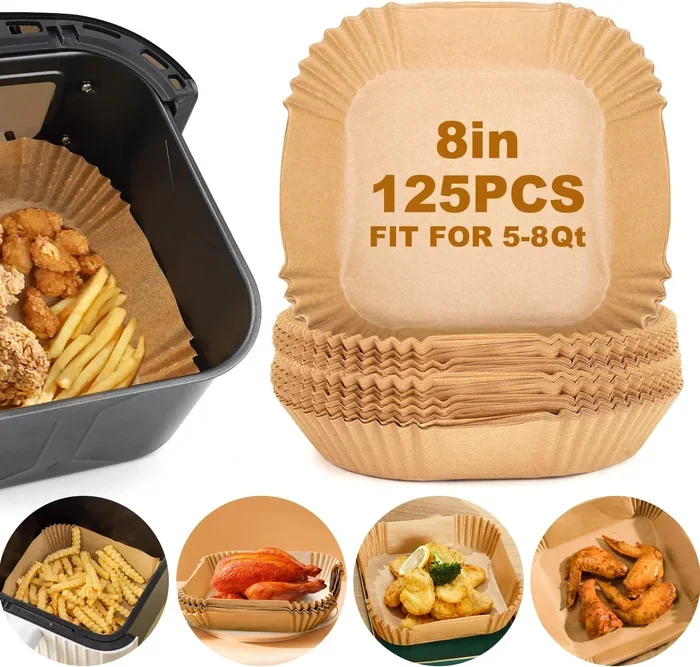
Pre‑cut parchment rounds with perforated holes are designed for air fryers. They let air pass through while catching drips. They are single‑use but compostable, making them an eco‑friendly choice.
Direct Cooking on the Basket
Many foods cook perfectly on the bare mesh. A light spray of oil prevents sticking. This method gives the maximum airflow and the crispiest results.
Stainless Steel Accessories
Some air fryer brands sell stainless steel grill pans or racks that sit inside the basket. They are durable, easy to clean, and eliminate any concern about aluminum exposure.
Putting It All Together
You now have a complete picture of can aluminum foil go in air fryer situations. The key points are simple: keep foil flat, keep it away from the heating element, never cover the whole basket, and avoid acidic foods. When in doubt, reach for a silicone mat or parchment liner. These alternatives give you the same easy cleanup with fewer safety worries.
Remember that every air fryer model is a little different. The manufacturer’s manual is your ultimate authority. If the manual says no foil, trust it. If it allows foil with conditions, follow those conditions exactly. By respecting the airflow design, you protect both your appliance and your dinner.
Next time you plan a batch of crispy chicken wings or roasted vegetables, try a thin foil liner on the bottom. You’ll spend less time scrubbing and more time enjoying the meal. And if you ever hear a friend ask can aluminum foil go in air fryer, you’ll have the answer ready — plus a few pro tips to share.
Frequently Asked Questions
Can I put aluminum foil in the air fryer basket?
Yes, you can place a small piece of foil on the bottom of the basket as long as it does not cover the ventilation holes or touch the heating element.
Is it safe to wrap food in foil and air fry it?
Wrapping food in foil is safe when the packet leaves room for air to circulate and does not block the fan. Poke a few vent holes to let steam escape.
Will foil damage my air fryer?
Foil can damage the appliance if it contacts the heating coil or blocks airflow, causing overheating. Follow the manufacturer’s guidelines to avoid damage.
Can I use foil with acidic foods like tomatoes?
It is best to avoid foil with highly acidic foods because the acid can cause aluminum to leach into the food. Use parchment paper or a silicone mat instead.
Do I need to preheat the air fryer before adding foil?
Add foil after the preheat cycle finishes, or weigh it down with food, to prevent the foil from shifting and touching the heating element.
What are the best foil alternatives for air frying?
Silicone baking mats, perforated parchment liners, and stainless steel accessories are excellent reusable alternatives that do not block airflow.