
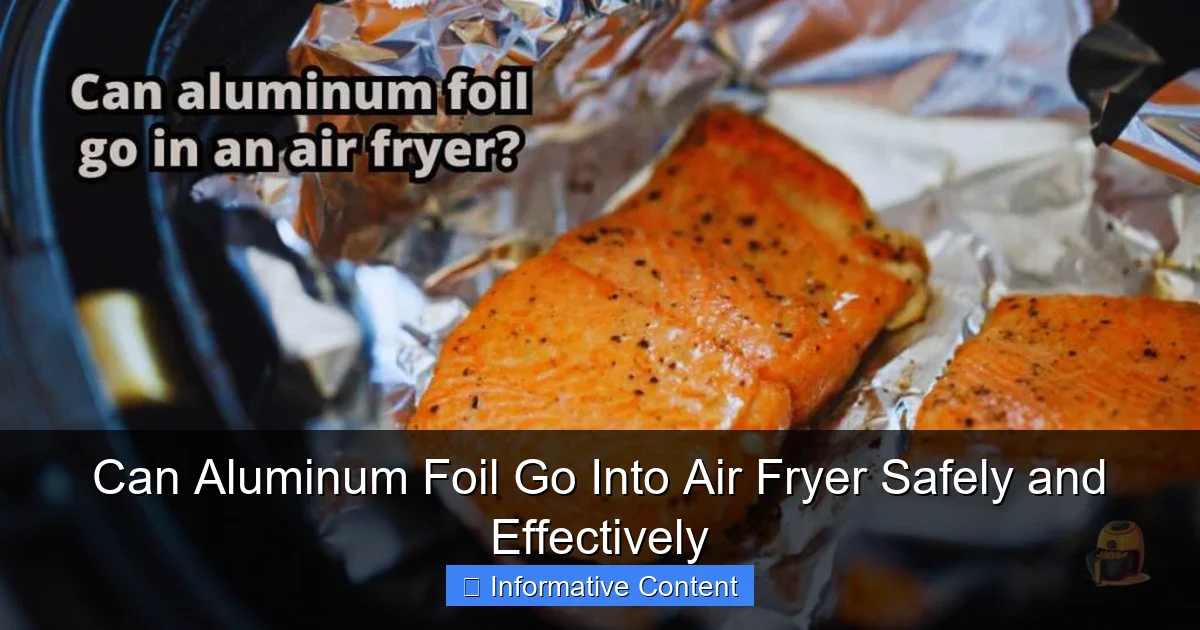
Featured image for can aluminum foil go into air fryer
Image source: airfryeruniverse.com
Yes, aluminum foil can safely go into an air fryer when used correctly—just avoid covering the entire basket or blocking airflow to prevent overheating. Always crinkle the foil lightly and keep it away from heating elements to ensure even cooking and maintain your air fryer’s performance.
Key Takeaways
- Yes, it’s safe: Aluminum foil can go in air fryers if used correctly.
- Prevent sticking: Line the basket to make cleanup easier and faster.
- Avoid blockage: Never cover air vents to maintain proper airflow.
- Use heavy-duty foil: Thicker foil resists tearing and high heat better.
- Secure the foil: Tuck edges to prevent contact with heating elements.
- Don’t preheat with foil: Add foil only after preheating for safety.
📑 Table of Contents
- Can Aluminum Foil Go Into Air Fryer Safely and Effectively
- How Air Fryers Work and Why Foil Matters
- Is It Safe to Use Aluminum Foil in an Air Fryer?
- Best Practices for Using Aluminum Foil in Your Air Fryer
- When You Should Avoid Aluminum Foil in the Air Fryer
- Real-Life Examples: How I Use Foil in My Air Fryer
- Final Thoughts: Smart Foil Use for Better Air Frying
Can Aluminum Foil Go Into Air Fryer Safely and Effectively
Picture this: you’re making crispy chicken wings in your air fryer. The smell is amazing, the skin is golden, and cleanup is a breeze—until you realize you forgot to line the basket. Now you’re scrubbing stuck-on bits of marinade and wondering, *“Can I just use aluminum foil next time?”* You’re not alone. Many air fryer owners have asked this same question, often out of convenience, but also out of concern for safety.
The short answer? Yes, aluminum foil can go into an air fryer—but with some important caveats. While it’s a handy tool for easier cleanup, protecting delicate foods, and even improving browning, using it incorrectly can lead to uneven cooking, fire hazards, or even damage your appliance. In this guide, I’ll walk you through everything you need to know—from the science behind why foil works (or doesn’t), to practical tips for using it safely, and even when you should skip it altogether. Whether you’re a seasoned air fryer pro or just unboxing your first model, this post will help you make smart, informed choices every time.
How Air Fryers Work and Why Foil Matters
Before we dive into whether aluminum foil belongs in your air fryer, let’s take a quick peek under the hood. Understanding how air fryers operate helps explain why certain materials—like foil—can be helpful or harmful.
Visual guide about can aluminum foil go into air fryer
Image source: circaairfryer.com
The Science of Air Circulation
Air fryers use rapid air technology (also called convection cooking) to circulate hot air around food at high speeds. This creates that crispy, fried-like texture without needing a vat of oil. The heating element warms the air, and a powerful fan pushes it through the cooking chamber, evenly browning the surface of your food.
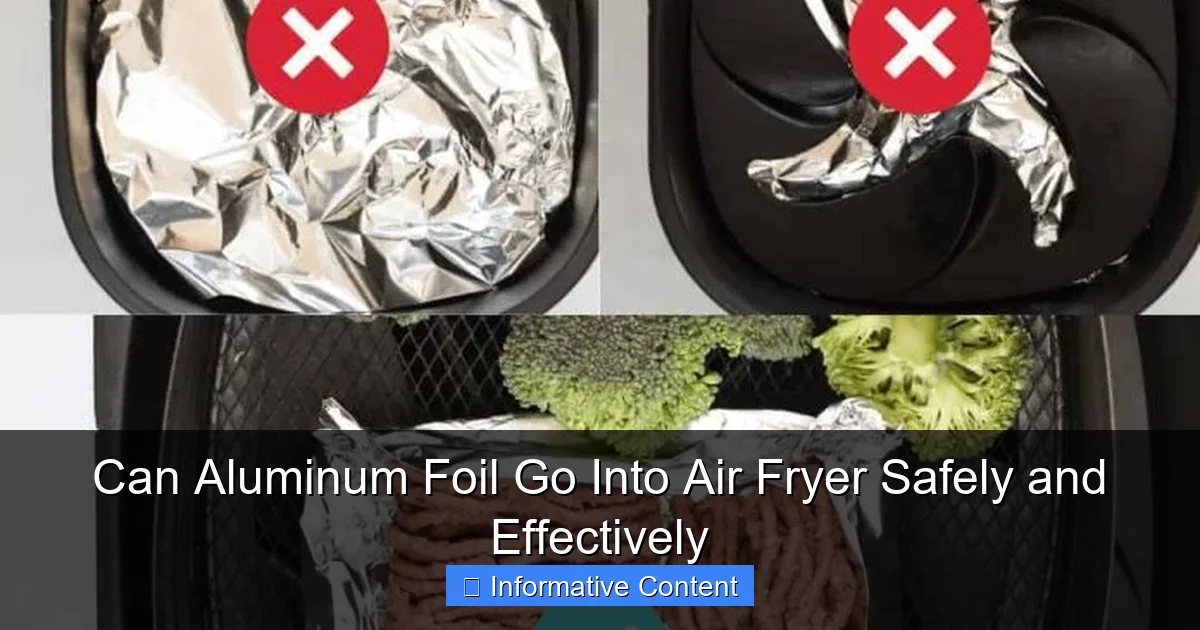
Here’s the key: airflow is everything. If something blocks or disrupts that airflow—like a crumpled ball of foil or a foil-lined basket—the hot air can’t reach all sides of the food. That means uneven cooking, soggy spots, or even longer cook times.
For example, if you wrap an entire chicken breast tightly in foil and drop it in, the air can’t circulate properly. The outside might stay soft while the inside overcooks. But if you use foil just to line the basket (with food sitting on top), the air can still move freely around the sides and bottom.
Why Foil Can Be a Double-Edged Sword
Aluminum foil conducts heat well, which sounds great—but it also reflects heat. When placed incorrectly, it can create hot spots or shield food from the circulating air. Think of it like wearing a shiny windbreaker on a windy day: it blocks the breeze, right? Same idea here.
However, when used strategically, foil can actually enhance cooking. For instance:
- It prevents small or delicate foods from falling through the basket holes (hello, chopped veggies or flaky fish).
- It catches drippings and grease, making cleanup a one-minute wipe instead of a 20-minute scrub.
- It helps retain moisture in foods that tend to dry out, like lean meats or casseroles.
The trick is using it without blocking airflow. More on that in the next section.
Is It Safe to Use Aluminum Foil in an Air Fryer?
Now for the big question: is it actually safe? The answer is a cautious yes—but only if you follow a few golden rules.
Visual guide about can aluminum foil go into air fryer
Image source: tasteofhome.com
Manufacturer Guidelines: What the Manual Says
Most air fryer brands (like Philips, Ninja, Cosori, and Instant Vortex) explicitly state in their user manuals that aluminum foil is safe to use—as long as it doesn’t touch the heating element or block airflow. For example, Philips warns against letting foil drape over the top of the basket, where it could come into contact with the heating coil.
Some models even recommend using foil for certain recipes. The key is following the manufacturer’s instructions. If your manual says “do not use metal,” it’s likely referring to loose metal utensils or crumpled foil that could spark or short-circuit components.
Fire Hazards and Sparking: What You Need to Watch For
One major concern is arcing—a phenomenon where electricity jumps from the heating element to nearby metal. If foil touches the heating element (especially in models with exposed coils), it can cause sparks, smoke, or even a small fire.
To avoid this:
- Never let foil extend beyond the edges of the air fryer basket.
- Don’t crumple or ball up foil—smooth it out and secure it under the food.
- Keep foil at least 1 inch away from the heating element (usually located at the top of the cooking chamber).
I once made the mistake of using a large sheet of foil that draped over the side of my Ninja Foodi. The moment I turned it on, a tiny spark popped—and I immediately turned it off. Lesson learned: keep it contained and flat.
Chemical Safety: Does Foil Leach Into Food?
Another concern is whether aluminum from the foil leaches into food, especially when cooking acidic ingredients like tomatoes, lemon juice, or vinegar-based marinades.
According to the FDA and multiple food safety studies, the amount of aluminum that migrates from foil into food is extremely small—far below the safety limits set by health agencies. In fact, you get more aluminum from natural sources (like soil, water, and even some fruits and vegetables) than from cooking with foil.
That said, if you’re cooking something highly acidic (like tomato sauce or citrus-marinated chicken), consider:
- Using parchment paper instead (more on that later).
- Placing a layer of vegetables or meat between the foil and the sauce to act as a barrier.
- Minimizing direct contact time—don’t let food sit in foil for hours after cooking.
Bottom line: occasional use of foil with acidic foods is fine. Daily long-term exposure? Maybe not ideal, but not dangerous either.
Best Practices for Using Aluminum Foil in Your Air Fryer
Now that we’ve covered safety, let’s talk about how to use foil effectively. It’s not just about tossing a sheet in—it’s about using it the right way to get the best results.
How to Line the Basket Without Blocking Airflow
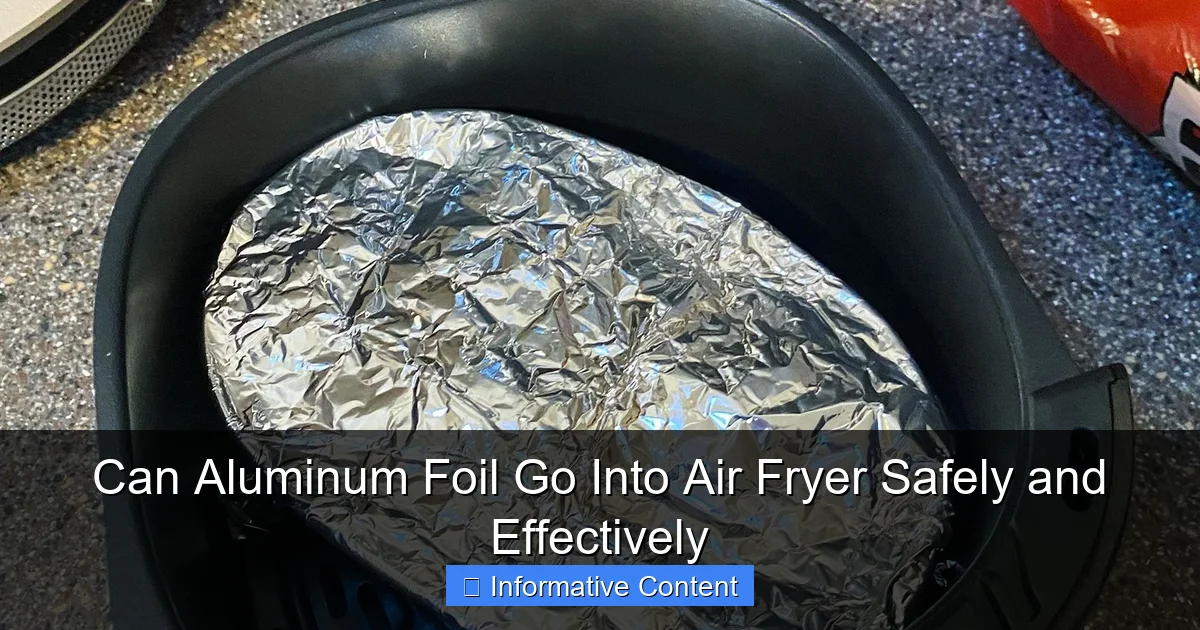
The most common (and safest) way to use foil is to line the bottom of the air fryer basket. Here’s how:
- Cut a piece of foil slightly smaller than the basket’s base.
- Press it gently into the bottom, smoothing out wrinkles.
- Fold the edges up slightly (about ¼ inch) to catch drippings, but don’t let them rise more than ½ inch.
- Place food on top—never under or wrapped around the foil.
This method allows hot air to flow around the sides and through the basket’s perforations. I use it for everything from bacon (to catch grease) to roasted potatoes (to prevent sticking).
When to Use Foil vs. Parchment Paper
Both foil and parchment paper have their place in the air fryer. Here’s a quick comparison:
| Feature | Aluminum Foil | Parchment Paper |
|---|---|---|
| Heat Resistance | Up to 600°F (safe in all air fryers) | Up to 420–450°F (check brand) |
| Grease & Drip Catch | Excellent | Good (if pre-cut with holes) |
| Airflow | Good (if used properly) | Excellent (with pre-cut liners) |
| Acidic Foods | Use with caution | Safer option |
| Reusability | Can be wiped and reused 2–3 times | Single use (unless very clean) |
| Best For | Meats, casseroles, sticky foods | Fish, veggies, delicate pastries |
For example, I use parchment paper when making air fryer salmon or garlic butter shrimp—it prevents sticking without reacting with the butter or lemon. But when I’m cooking a juicy pork chop or a cheesy casserole, I reach for foil to catch all the delicious drippings.
Pro Tips for Maximizing Foil Benefits
- Use heavy-duty foil: Regular foil can tear when you lift food out. Heavy-duty holds up better.
- Pre-cut foil sheets: Measure your basket and cut foil ahead of time. I keep a stack ready in my kitchen drawer.
- Create foil “pockets” for small foods: For chopped veggies or shrimp, make a shallow foil boat with raised edges. This keeps them contained without sealing the top.
- Don’t seal foil completely: Never wrap food like a burrito unless you’re steaming. For air frying, keep it open so air can still circulate.
- Check halfway: Lift the food and foil gently to see if it’s sticking. If it is, spray the foil with a little oil before adding food next time.
One of my favorite tricks? Using foil to make a “baking tray” for mini frittatas or cornbread. I press foil into a small oven-safe dish, pour in the batter, and place it in the basket. The foil makes removal a breeze.
When You Should Avoid Aluminum Foil in the Air Fryer
As much as foil is useful, there are times when it’s better to skip it altogether. Knowing when not to use it can save you from frustration, uneven cooking, or even appliance damage.
Foods That Don’t Need Foil
Some foods cook perfectly without any lining. In fact, using foil might actually worsen the result:
- Crispy-skinned foods: Think chicken wings, skin-on chicken thighs, or bacon. Foil traps steam and prevents crispiness. For these, cook directly on the basket—the non-stick coating usually handles it fine.
- Air fryer chips or fries: These need direct airflow to get golden and crunchy. Foil creates a barrier and leads to soggy results.
- Foods with high sugar content: Honey-glazed chicken or sticky ribs can caramelize too fast on foil, leading to burning before the inside is done.
I learned this the hard way when I tried to cook honey-glazed chicken wings on foil. The glaze stuck and burned, and the wings were still raw in the center. Lesson: let the air work its magic.
Models with Exposed Heating Elements
Some older or budget air fryers have exposed heating coils at the top. In these models, even a small piece of loose foil can cause arcing or sparks. If your air fryer looks like a traditional toaster oven (with visible metal coils), avoid foil entirely or use it only in the bottom tray—never near the top.
Check your model online or in the manual. Most modern air fryers (especially basket-style ones) have enclosed heating elements, making them safer for foil use.
High-Temperature Cooking (Above 400°F)
While aluminum foil can withstand high heat, some air fryer recipes call for temperatures above 400°F (like for extra-crispy potatoes or searing). At these temps, foil can degrade slightly or stick more easily.
Instead, try:
- Using a light spray of oil directly on the food.
- Shaking the basket halfway through to prevent sticking.
- Using a silicone mat (if your model allows it).
Real-Life Examples: How I Use Foil in My Air Fryer
Let me share a few real-world scenarios from my own kitchen. These are the situations where foil has saved me time, effort, and cleanup—without compromising taste or safety.
Example 1: Air Fryer Chicken Thighs with Skin
I love crispy chicken thighs, but the skin always sticks to the basket. My solution? I line the basket with foil, spray it lightly with oil, then place the thighs skin-side down. After 10 minutes, I flip them (skin-side up) and remove the foil. The thighs get crispy on both sides, and cleanup is a one-minute wipe.
Why it works: Foil protects the skin during the initial sear, then I remove it to let the air crisp the top.
Example 2: Roasted Vegetables with Parmesan
When I make roasted broccoli or Brussels sprouts with cheese, the Parmesan always melts and sticks. Now, I use a foil boat: I shape a piece of foil into a shallow tray, add the veggies, sprinkle cheese, and cook. The foil catches all the drips, and I can even reuse it for another batch (just wipe it clean).
Why it works: The foil contains the mess without sealing the top, so air still circulates.
Example 3: Mini Meatloaf Muffins
For individual meatloaf portions, I press foil into muffin tins and fill them with the mixture. They cook evenly, and the foil makes them easy to pop out. Bonus: no scrubbing the basket.
Why it works: The foil acts like a mold and liner, all in one.
These aren’t gimmicks—they’re practical, everyday solutions that make air frying easier and more enjoyable. The key is using foil as a tool, not a shortcut. When used right, it enhances your cooking. When used wrong, it can ruin it.
Final Thoughts: Smart Foil Use for Better Air Frying
So, can aluminum foil go into an air fryer? Absolutely—but with care. It’s not a “yes or no” decision, but a “how and when” one. Used correctly, foil can be a game-changer: reducing cleanup, protecting delicate foods, and even improving cooking results. Used incorrectly, it can block airflow, cause sparks, or make your food soggy.
Here’s my final advice: start simple. Try lining the basket for a batch of roasted potatoes or a greasy pork chop. See how it works. Then experiment with foil boats or pockets for smaller items. Always keep airflow in mind, avoid acidic foods for long cook times, and never let foil touch the heating element.
And remember: the goal isn’t to avoid foil entirely or to use it every time. It’s to use it wisely—as one of many tools in your air frying toolkit. Whether you’re cooking for one or feeding a family, a little knowledge goes a long way in making your air fryer experience safer, easier, and more delicious.
Now go ahead—line that basket, toss in your favorite food, and enjoy the crispy, guilt-free results. Just don’t forget to wipe the foil when you’re done. Your future self will thank you.
Frequently Asked Questions
Can aluminum foil go into an air fryer safely?
Yes, aluminum foil can be used in an air fryer, but it must be placed properly to avoid blocking airflow or coming into direct contact with the heating element. Always crinkle the foil slightly to elevate food and allow hot air to circulate.
Is it effective to use aluminum foil in an air fryer?
Using aluminum foil in an air fryer can be effective for catching drips, preventing food from sticking, and easing cleanup. Just ensure the foil doesn’t cover more than 2/3 of the basket to maintain optimal air circulation.
What are the risks of putting aluminum foil in an air fryer?
The main risks include potential fire hazards if the foil touches the heating element or blocks airflow, reducing cooking efficiency. Always secure the foil and monitor it during cooking to prevent accidents.
Can I use aluminum foil in an air fryer for all types of food?
Aluminum foil works well for greasy or sticky foods like meats or marinated items, but it’s unnecessary for foods that cook evenly without it, such as fries or vegetables. Avoid using it with acidic foods, as they may react with the foil.
How do I safely place aluminum foil in my air fryer?
Line the air fryer basket’s bottom with foil, ensuring it doesn’t cover the sides or heating element. Poke small holes or use a crinkled foil “nest” to promote air circulation and prevent soggy results.
Does using aluminum foil in an air fryer affect cooking time?
It can slightly extend cooking time if airflow is restricted, but proper placement minimizes this impact. Always check food halfway through and adjust as needed for even cooking.