
Featured image for can an air fryer start a fire
Yes, an air fryer can start a fire if misused or poorly maintained, especially when flammable materials like oil residue, paper towels, or plastic accumulate inside. Always follow safety guidelines—never leave it unattended, avoid overfilling, and clean it regularly to prevent dangerous flare-ups.
Key Takeaways
- Never leave unattended: Always monitor your air fryer while in use.
- Clean regularly: Grease buildup can ignite; clean after every use.
- Avoid flammable items: Keep towels and paper away from the fryer.
- Check for damage: Inspect cords and parts before each use.
- Use on heat-resistant surfaces: Prevent countertop fires with proper placement.
- Follow manufacturer instructions: Adhere to guidelines to minimize fire risks.
📑 Table of Contents
- Can an Air Fryer Start a Fire? The Truth Behind the Hype
- How Air Fryers Work and Why They Can Be a Fire Risk
- Signs Your Air Fryer Might Be a Fire Hazard
- Top Air Fryer Fire Safety Tips to Prevent Kitchen Disasters
- What to Do If Your Air Fryer Catches Fire
- Air Fryer Safety by the Numbers: Data and Statistics
- Choosing a Safe Air Fryer: Features to Look For
- Conclusion: Stay Safe, Stay Crispy
Can an Air Fryer Start a Fire? The Truth Behind the Hype
Picture this: you’re whipping up a batch of crispy sweet potato fries in your air fryer, humming along to your favorite playlist, when suddenly—you catch a whiff of something burning. Your heart skips a beat. You open the basket, and instead of golden-brown perfection, you’re greeted by charred, smoking potatoes. Or worse—you notice a tiny flame flickering near the heating element. It’s a moment no kitchen lover wants to experience, but it’s more common than you might think.
Air fryers have taken the culinary world by storm, promising guilt-free fried foods with less oil and more convenience. But as their popularity grows, so do concerns about air fryer fire safety. Are these countertop appliances truly safe? Can an air fryer start a fire? The short answer: yes, but not because of a design flaw. Most incidents stem from user error, poor maintenance, or misuse. The good news? With the right precautions, you can enjoy your air fryer’s benefits without turning your kitchen into a scene from a disaster movie.
In this guide, we’ll dive deep into the mechanics of air fryers, explore real-life fire risks, and share practical air fryer fire safety tips to keep your kitchen safe. Whether you’re a first-time air fryer owner or a seasoned pro, this post will arm you with the knowledge to prevent kitchen disasters—and maybe even save your next batch of mozzarella sticks.
How Air Fryers Work and Why They Can Be a Fire Risk
The Science Behind the Crisp
Air fryers use rapid air circulation and high heat (typically between 350°F and 450°F) to cook food. Unlike traditional deep fryers, which submerge food in hot oil, air fryers rely on a heating element and a powerful fan to create a convection effect. This mimics the crispiness of frying with up to 80% less oil. Sounds safe, right?
But here’s the catch: high heat + oil residue + poor airflow = potential trouble. When oil drips onto the heating element, it can smoke or even ignite. Similarly, overcrowded baskets block airflow, causing hot spots and uneven cooking—sometimes leading to charring or flaming.
Common Fire Triggers in Air Fryers
Let’s break down the most common reasons an air fryer can start a fire:
- Grease buildup: Leftover oil and food debris collect in the basket or drip tray. Over time, this residue can overheat and catch fire.
- Overcrowding: Piling too much food in the basket restricts airflow. The outer layer may burn while the inside stays raw, increasing the risk of smoke or flames.
- Flammable materials: Placing paper towels, parchment paper with metal edges, or plastic near the heating element is a recipe for disaster.
- Faulty components: Rare, but possible. A malfunctioning heating element or fan could overheat the unit.
- Leaving it unattended: Like any cooking appliance, air fryers should never be left running while you’re in another room—or asleep!
Real-life example: A friend of mine once tried to cook frozen chicken wings without preheating or shaking the basket. The wings dripped excess oil, which pooled at the bottom. After 10 minutes, the air fryer started smoking. She opened the basket and—*whoosh*—a small flame erupted. She quickly unplugged it and used baking soda to smother the fire. Lesson learned: never skip preheating and always shake the basket halfway through!
Signs Your Air Fryer Might Be a Fire Hazard
Smoke, Sparks, and Strange Smells
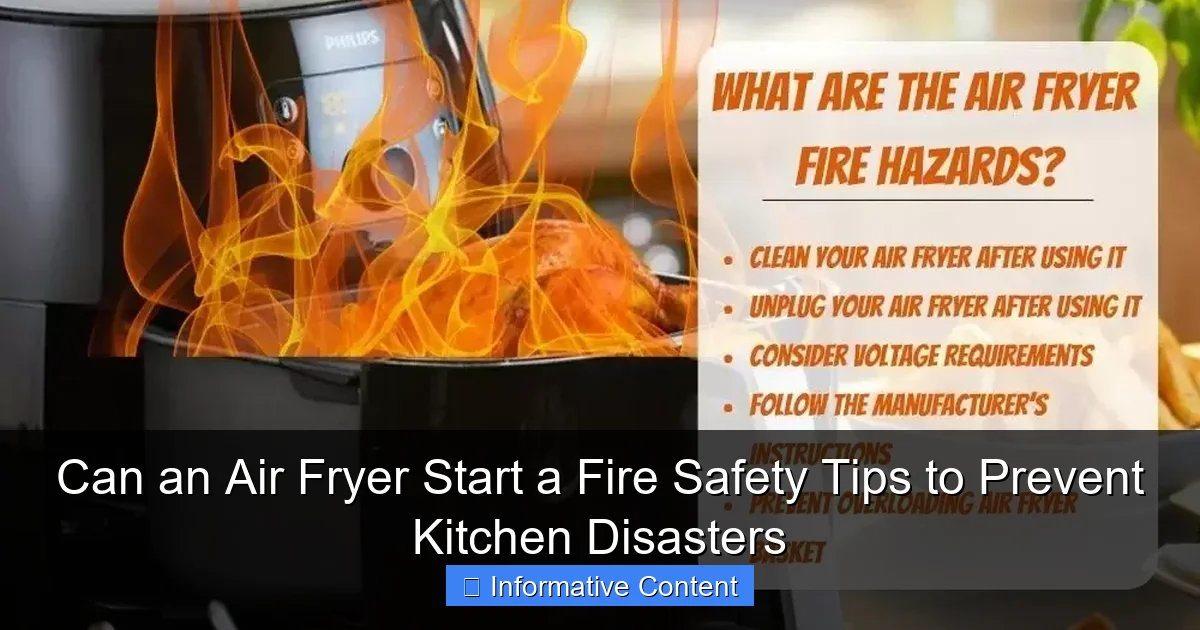
Your air fryer is designed to get hot, but it shouldn’t smoke, spark, or emit strange odors. Here are red flags to watch for:
Visual guide about can an air fryer start a fire
Image source: kitchenaims.com
- Excessive smoke: A little smoke is normal when cooking fatty foods (like bacon or chicken wings), but thick, black smoke is a warning sign. It likely means oil or food residue is burning.
- Burning plastic or rubber smell: This could indicate melting components or wiring issues. Turn off the unit immediately and inspect it.
- Sparks or arcing sounds: If you see sparks near the control panel or heating element, unplug the air fryer and stop using it until it’s checked by a professional.
- Uneven cooking with charring: If one side of your food is burnt while the rest is raw, your basket might be overcrowded or the fan isn’t working properly.
When to Stop Using Your Air Fryer
If you notice any of the above signs, take these steps:
- Unplug the air fryer immediately.
- Let it cool completely before inspecting.
- Check the basket, drip tray, and heating element for oil buildup or debris.
- If you see damage (cracks, melted parts, exposed wires), stop using it and contact the manufacturer.
- When in doubt, consult a technician or replace the unit.
Tip: If you’re cooking high-fat foods (like sausages or marinated meats), place a slice of bread or a paper towel (non-metal) at the bottom of the basket to absorb excess grease. Just make sure it doesn’t block airflow!
Top Air Fryer Fire Safety Tips to Prevent Kitchen Disasters
1. Clean Your Air Fryer After Every Use
Grease is the #1 enemy of air fryer safety. Even a thin layer of oil can ignite at high temperatures. Here’s how to clean it properly:
- Remove the basket and drip tray. Wash them with warm, soapy water or place them in the dishwasher (if the manual allows).
- Wipe the interior with a damp cloth. For stubborn residue, use a soft sponge with baking soda.
- Never immerse the main unit in water. Use a dry cloth to clean the heating element and fan area.
- Let all parts dry completely before reassembling.
Pro tip: After cooking fatty foods, run the air fryer empty at 400°F for 3–5 minutes to burn off residual oil. This “self-cleaning” trick works wonders for preventing buildup.
2. Avoid Flammable Materials
It’s tempting to line the basket with parchment paper or foil for easy cleanup, but this can be dangerous:
- Never use aluminum foil: It can block airflow and reflect heat, increasing the risk of overheating.
- Skip paper towels: They can catch fire if they touch the heating element.
- Use air fryer-specific liners: Silicone or perforated parchment liners are safer and allow proper air circulation.
Example: A Reddit user shared how their air fryer caught fire when they used a regular parchment paper liner with metal staples. The metal sparked and ignited the paper. Stick to non-metal, heat-safe options!
3. Don’t Overcrowd the Basket
Air fryers need space to circulate hot air. Overfilling the basket leads to uneven cooking and charring. Follow these guidelines:
- Fill the basket no more than 2/3 full.
- For small items (like fries or nuggets), spread them in a single layer.
- Shake or flip food halfway through cooking to ensure even browning.
4. Preheat and Monitor
Preheating your air fryer (3–5 minutes at cooking temperature) helps prevent cold spots and reduces cooking time. Always:
- Set a timer and check the food periodically.
- Never leave the air fryer unattended for long periods.
- Use oven mitts when handling the basket—it gets extremely hot!
5. Place It on a Safe Surface
Air fryers get hot on the outside, too. Avoid placing them near:
- Curtains, paper towels, or plastic containers.
- Wooden countertops without heat protection.
- Near sinks or water sources (to prevent electrical hazards).
Use a heat-resistant mat or trivet under the unit for extra protection.
What to Do If Your Air Fryer Catches Fire
Immediate Action Steps
If you see flames, don’t panic. Follow these steps to stay safe:
- Unplug the air fryer: Cut power immediately. Do this only if it’s safe (i.e., the cord isn’t near flames).
- Smother the fire: Use baking soda, salt, or a metal lid to cut off oxygen. Never use water—it can spread grease fires or cause electrical shocks.
- Use a fire extinguisher (Class B or K): If the fire is large, use a kitchen-rated extinguisher. Aim at the base of the flames.
- Evacuate and call 911: If the fire spreads or you can’t control it, get everyone out and call emergency services.
After the Fire: Assessment and Recovery
Once the fire is out:
- Let the air fryer cool completely before inspecting.
- Check for damage to the unit, outlet, and surrounding area.
- If the air fryer is damaged, dispose of it safely. Don’t try to repair it yourself.
- Contact your insurance company if there’s significant damage.
Important: Keep a fire extinguisher in your kitchen and make sure everyone in your household knows how to use it. Practice fire drills with your family—better safe than sorry!
Air Fryer Safety by the Numbers: Data and Statistics
Let’s look at some hard data to understand the real risk of air fryer fires:
| Risk Factor | Reported Incidents (2020–2023) | Primary Cause |
|---|---|---|
| Grease buildup | 62% | Infrequent cleaning |
| Overcrowding | 28% | User error |
| Flammable liners | 15% | Use of foil/paper towels |
| Faulty units | 5% | Manufacturing defects |
| Unattended use | 40% | Leaving the kitchen |
Source: National Fire Protection Association (NFPA) and Consumer Product Safety Commission (CPSC) reports.
The data shows that most air fryer fires are preventable. In fact, 95% of incidents involve user error—not defective products. This means your habits matter more than the brand you choose.
Takeaway: If you clean your air fryer regularly, avoid overcrowding, and never leave it unattended, your risk of a fire drops dramatically.
Choosing a Safe Air Fryer: Features to Look For
Safety Certifications and Build Quality
Not all air fryers are created equal. When shopping, look for:
- UL or ETL certification: These labels ensure the product meets safety standards.
- Cool-touch handles and exteriors: Prevents burns when handling.
- Automatic shutoff: Turns off the unit if it overheats.
- Non-slip feet: Keeps the air fryer stable on the counter.
- Removable, dishwasher-safe parts: Makes cleaning easier and safer.
User-Friendly Design
Some models have extra safety perks:
- Digital timers with alerts: Reduces the chance of overcooking.
- Overheat protection: Sensors that shut down the unit if temperatures get too high.
- Clear viewing windows: Lets you monitor food without opening the basket (which releases heat).
Example: The Philips Premium Airfryer XXL has a patented Twin TurboStar technology that circulates air more evenly, reducing hot spots and the risk of burning.
While no air fryer is 100% fireproof, choosing a well-made model with safety features gives you peace of mind.
Conclusion: Stay Safe, Stay Crispy
So, can an air fryer start a fire? Yes—but it’s not the appliance’s fault. Most incidents happen because of neglect, misuse, or lack of awareness. The truth is, air fryers are incredibly safe when used correctly. They’re designed with multiple safety mechanisms, and the risk of fire is low if you follow basic precautions.
Think of your air fryer like a toaster: it gets hot, it can burn bread if you’re not careful, but it won’t blow up your kitchen if you use it responsibly. By cleaning it regularly, avoiding flammable materials, not overcrowding the basket, and never leaving it unattended, you’ll keep your kitchen safe and your food delicious.
Remember: air fryer fire safety isn’t about fear—it’s about respect. Respect the heat, respect the power, and respect the potential for disaster if you cut corners. With a little attention and care, your air fryer will remain your kitchen’s best friend for years to come.
So go ahead—crisp those fries, roast those veggies, and enjoy guilt-free fried foods. Just do it safely. Your taste buds (and your home) will thank you.
Frequently Asked Questions
Can an air fryer start a fire if left unattended?
Yes, like any cooking appliance, an air fryer can start a fire if left unattended, especially when cooking greasy foods or using improper settings. Always stay nearby while cooking and never leave it running overnight or when you leave the house.
What causes air fryer fires and how can I prevent them?
Air fryer fires are often caused by grease buildup, overheating, or placing flammable materials nearby. To prevent kitchen disasters, regularly clean the basket and tray, avoid overcrowding food, and keep the unit away from paper towels or curtains.
Is it safe to use an air fryer with oil or spray?
Using small amounts of oil in an air fryer is safe, but excessive oil or aerosol sprays can drip into the heating element and ignite. Instead, brush food lightly with oil or use a non-aerosol pump spray to reduce fire risk.
Can an air fryer overheat and start a fire?
Yes, air fryers can overheat if used improperly or if the ventilation system is blocked. Ensure the air fryer has enough space around it for airflow and never cover the vents while in use to avoid overheating hazards.
Are there warning signs my air fryer might be a fire hazard?
Smoke, burning smells, or discolored heating coils are key warning signs of a potential fire hazard. If you notice these, stop using the air fryer immediately, unplug it, and check for grease buildup or damage before further use.
Can a faulty air fryer start a fire even when turned off?
While rare, a malfunctioning air fryer with electrical issues (like short circuits) could pose a fire risk even when powered down. Unplug the unit after use and inspect the cord regularly for fraying or damage to minimize this risk.