
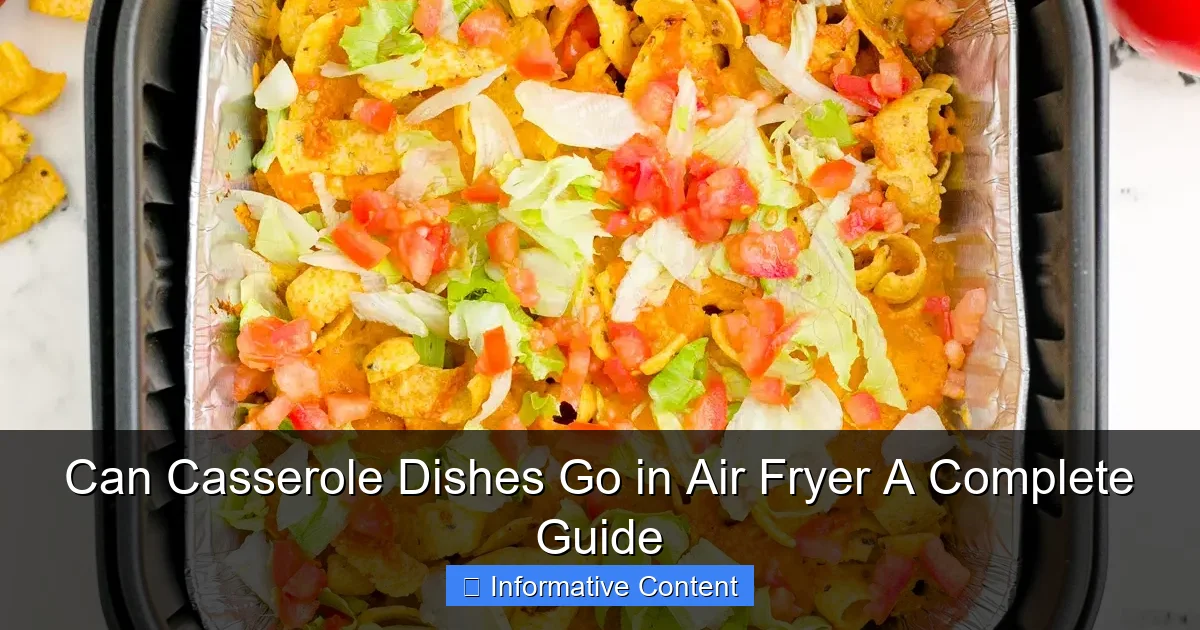
Featured image for can casserole dishes go in air fryer
Image source: myairfryerkitchen.com
Yes, casserole dishes can go in an air fryer—but only if they’re made of air fryer-safe materials like ceramic, glass, or metal. Always check the dish’s heat resistance and ensure it fits without blocking airflow to avoid damage or uneven cooking. Never use plastic, non-heat-safe glass, or oversized dishes, as they can crack, melt, or create safety hazards.
Key Takeaways
- Check material safety: Use oven-safe casserole dishes only.
- Avoid sudden temperature changes: Preheat dish to prevent cracking.
- Size matters: Choose dishes that fit air fryer basket snugly.
- Non-stick coatings: Ensure they’re air fryer-safe to avoid damage.
- Monitor cooking time: Adjust for faster air fryer heat circulation.
- Handle with care: Use oven mitts; dishes get extremely hot.
📑 Table of Contents
- Can Casserole Dishes Go in Air Fryer? A Complete Guide
- Understanding Air Fryers and Heat Distribution
- Which Casserole Dishes Are Air Fryer-Safe?
- How to Safely Use a Casserole Dish in Your Air Fryer
- Recipes That Work (and Don’t Work) in the Air Fryer
- Common Mistakes and How to Avoid Them
- Final Thoughts: Should You Use a Casserole Dish in Your Air Fryer?
Can Casserole Dishes Go in Air Fryer? A Complete Guide
You’ve just pulled out your favorite casserole dish—the one you’ve used for years to bake lasagna, shepherd’s pie, or that gooey mac and cheese your family loves. Then it hits you: *Can I use this in my air fryer?* It’s a question I’ve asked myself more than once, especially when I’m short on time and want to speed up cooking without sacrificing that crispy top or creamy center.
Air fryers are magic. They crisp, they roast, they bake—all with little oil and in half the time. But casserole dishes? They’re built for ovens. Thick, heavy, and meant for even heat distribution. So can you really put them together? The short answer: *sometimes*. But it depends on the material, the size, and the air fryer model. In this guide, I’ll walk you through everything you need to know—from safe materials to cooking tips—so you can confidently use your casserole dish in the air fryer without risking a kitchen disaster. Whether you’re reheating leftovers, making a small batch of cheesy potatoes, or trying a new recipe, this guide has your back.
Understanding Air Fryers and Heat Distribution
How Air Fryers Work: The Science Behind the Crisp
Let’s start with the basics. Air fryers don’t actually “fry” anything. They use a powerful convection system: a heating element warms the air, and a fan circulates it rapidly around the food. This creates that crispy, golden texture we love—without deep frying. Think of it like a mini convection oven with turbocharged airflow.
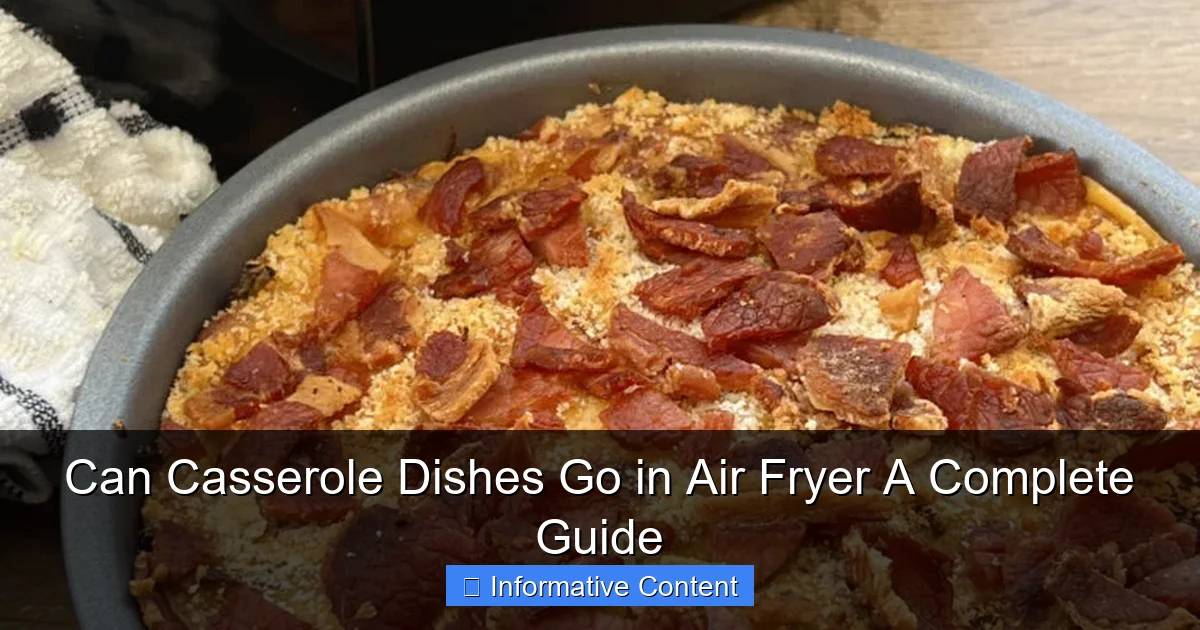
Visual guide about can casserole dishes go in air fryer
Image source: recipethis.com
The key difference? Air fryers rely on *direct, high-velocity heat*. Unlike a conventional oven, which heats gradually and evenly from all sides, an air fryer blasts hot air from the top (or sides, depending on the model) straight down into the basket or dish. This means the top of your food crisps up fast, while the bottom depends on how well heat reflects or conducts from the surface below.
Why Material Matters in an Air Fryer
Because of this intense, focused airflow, the material of your casserole dish becomes crucial. Some materials can’t handle the rapid temperature changes or the high heat (often up to 400°F/205°C). Others conduct heat poorly, leading to uneven cooking or soggy bottoms.
- Glass (Pyrex, tempered): Generally safe, but avoid sudden temperature changes (no cold dish into hot air fryer).
- Ceramic (stoneware, glazed): Great for even heating, but check if it’s labeled oven-safe up to 400°F+.
- Metal (aluminum, stainless steel): Excellent conductors—perfect for browning and crisping. Most air fryer-safe.
- Silicone: Flexible and safe up to certain temps (usually 425°F), but may not brown well.
- Plastic or non-oven-safe materials: Never use. They can melt, warp, or release harmful chemicals.
One time, I tried putting a cheap ceramic dish I got from a flea market into my air fryer. It cracked after 10 minutes. Lesson learned: always check the manufacturer’s label. If it says “oven-safe” or “safe up to 450°F,” you’re likely good to go. If it’s not labeled, assume it’s not safe.
Which Casserole Dishes Are Air Fryer-Safe?
Material-Specific Guidelines
Not all casserole dishes are created equal. Here’s a breakdown of the most common materials and whether they’re safe for air fryer use.
- Tempered Glass (e.g., Pyrex, Anchor Hocking):
- ✅ Generally safe if oven-safe and no cracks.
- ⚠️ Avoid thermal shock: don’t place a cold dish in a preheated air fryer. Let it warm up with the appliance or start from room temperature.
- 🔍 Tip: Check the bottom for a “Pyrex” stamp or “Oven Safe” label. Older Pyrex (pre-1998) is borosilicate and more shock-resistant than newer tempered soda-lime glass.
- Ceramic & Stoneware (e.g., Le Creuset, Emile Henry):
- ✅ Excellent for even heating and moisture retention.
- ✅ Safe if labeled oven-safe up to 450°F or higher.
- ⚠️ Avoid rapid temperature changes. Preheat the air fryer first, then add the dish.
- 💡 Pro tip: These are great for creamy casseroles (like chicken pot pie) where you want a soft, moist center with a slightly crisp top.
- Metal (Aluminum, Stainless Steel, Carbon Steel):
- ✅ Best for browning and crisping.
- ✅ Most durable and air fryer-friendly.
- ⚠️ Avoid non-stick coatings that flake or degrade at high heat. Stick to bare metal or ceramic-coated pans.
- 🔥 Example: A 6-inch round cake pan or a small loaf pan works perfectly for mini casseroles or frittatas.
- Silicone:
- ✅ Flexible, easy to clean, and safe up to 425°F in most cases.
- ⚠️ May not brown well. Use a light spray of oil or place on a metal tray for better heat transfer.
- 🧼 Bonus: Great for sticky dishes like bread pudding or custards.
- Cast Iron:
- ✅ Excellent heat retention and browning.
- ⚠️ Can be too heavy for some air fryer baskets. Check weight limits (usually under 5 lbs).
- 🔥 Ideal for dishes that benefit from a crusty bottom (e.g., cornbread, skillet casseroles).
Size and Shape: Fit Matters
Even if your dish is made of safe material, it might not *fit* in your air fryer. Most air fryers have baskets or drawers that are 5–7 inches wide and 3–4 inches tall. Here’s what to check:
- Diameter/Width: Must leave at least 1 inch of space around the dish for air circulation. If it’s too tight, heat won’t flow properly, and your casserole will cook unevenly.
- Height: Don’t let the dish touch the heating element. Leave 1–2 inches of clearance above.
- Shape: Round or oval dishes work best. Square or rectangular dishes may block airflow if they’re too wide.
I once tried fitting a 9-inch square baking dish into my 5.8-quart Cosori air fryer. It fit… barely. But the corners were too close to the heating element, and the top scorched while the center stayed cold. Now I use a 6-inch round metal pan instead—perfect fit, even cooking.
How to Safely Use a Casserole Dish in Your Air Fryer
Step-by-Step Preparation
Using a casserole dish in an air fryer isn’t just about tossing it in and hitting “start.” A few simple steps ensure safety and great results.
- Check the dish label: Confirm it’s oven-safe and rated for at least 400°F.
- Preheat the air fryer: Most models need 3–5 minutes at your target temp (e.g., 375°F). This helps avoid thermal shock for glass or ceramic.
- Grease the dish lightly: Use oil, butter, or non-stick spray. Prevents sticking, especially with delicate casseroles.
- Use the right size dish: As mentioned, leave 1 inch of space on all sides. If your dish is too big, consider using a smaller one or making a half-recipe.
- Don’t overfill: Fill the dish no more than ¾ full. Air needs to circulate above the food for even cooking.
- Place on the basket rack or tray: If your air fryer has a flat tray or grill plate, use it as a base. It helps distribute heat and protects the basket.
Cooking Tips for Even Results
Air fryers cook faster and hotter than ovens. Here’s how to adapt your casserole recipes:
- Lower the temperature by 25°F: If a recipe says “bake at 375°F for 30 minutes,” try 350°F in the air fryer. This prevents over-browning.
- Shorten the time by 20–30%: Start checking at 70% of the original time. A casserole that bakes for 30 minutes in the oven may only need 20–22 minutes in the air fryer.
- Stir or rotate halfway: For even cooking, pause at the halfway point. Stir the edges into the center (for dishes like hash browns) or rotate the dish 180 degrees.
- Cover with foil if browning too fast: Tent loosely with foil to slow down browning while the center finishes cooking.
- Use a meat thermometer: For meat-based casseroles, check internal temp (e.g., 165°F for poultry).
For example, I make a small batch of cheesy broccoli casserole in a 6-inch ceramic dish. I preheat the air fryer to 350°F, grease the dish, add the mix, and cook for 20 minutes. At 15 minutes, I rotate the dish and check for doneness. The result? Creamy inside, golden top—no soggy bottom!
Recipes That Work (and Don’t Work) in the Air Fryer
Best Casserole Types for Air Frying
Some casseroles are perfect for the air fryer. Others? Not so much. Here’s what works—and why.
- Mini Lasagna: Use a 6-inch round dish. Layer noodles, sauce, cheese. Cook at 350°F for 20–25 minutes. The top gets crispy, the inside stays moist. Pro tip: Use no-boil noodles to save time.
- Loaded Baked Potato Casserole: Mix diced potatoes, cheese, bacon, sour cream. Cook in a metal pan at 375°F for 20 minutes. Stir once. Crispy edges, soft center.
- Chicken & Rice Casserole: Combine cooked chicken, rice, broth, and veggies in a ceramic dish. Cover with foil, cook 15 minutes at 350°F, then uncover and cook 5 more minutes for browning.
- Breakfast Casserole: Eggs, sausage, cheese, bread. Use a silicone or metal dish. Cook at 325°F for 18–22 minutes. Perfect for weekend brunch.
- Vegetable Gratin: Thinly sliced potatoes or zucchini with cream and cheese. Use a shallow dish for even cooking. Rotate halfway.
Casseroles to Avoid (or Modify)
Some dishes just aren’t suited for the air fryer’s intense heat and airflow.
- Very tall or deep casseroles: Heat won’t penetrate the center. Example: a 4-inch deep lasagna may burn on top and stay cold inside.
- Water-based dishes (e.g., quiche, custard): The rapid airflow can cause cracking or uneven cooking. Better for ovens.
- Dishes with delicate toppings (e.g., meringue, whipped cream): These will melt or blow away. Save them for oven baking.
- Large family-sized casseroles: Air fryers are for small batches. If you’re feeding 6+, stick to the oven or make multiple small dishes.
I once tried making a deep-dish mac and cheese in a tall ceramic dish. The top turned into a burnt crust, and the bottom was still liquid. Now I use a wider, shallower dish—problem solved.
Common Mistakes and How to Avoid Them
Thermal Shock: The Silent Dish Killer
Thermal shock happens when a dish goes from cold to hot (or hot to cold) too quickly. It causes cracking or shattering—especially in glass and ceramic.
How to avoid it:
- Never put a cold dish into a preheated air fryer. Let it warm up at room temp for 10–15 minutes.
- Preheat the air fryer *before* adding the dish.
- Don’t place a hot dish on a cold surface (like a granite counter). Use a trivet or wooden board.
Overcrowding and Poor Airflow
Air fryers need space to circulate heat. A dish that’s too big or too full blocks airflow.
Signs of overcrowding:
- Food cooks unevenly (crispy top, soggy bottom).
- Smoke or burning smell.
- Longer cooking times than expected.
Solution: Use a smaller dish or make a smaller batch. If you must use a large dish, cook in stages or stir frequently.
Ignoring Weight Limits
Some air fryers have weight limits (usually 4–6 lbs) for the basket or tray. A heavy cast iron or ceramic dish can damage the mechanism.
Check your air fryer manual for weight specs. If unsure, place the dish on a baking sheet or use a lighter material.
Data Table: Air Fryer Casserole Dish Compatibility
| Dish Material | Air Fryer Safe? | Max Temp | Tips |
|---|---|---|---|
| Tempered Glass (Pyrex) | ✅ Yes (with caution) | 450°F | Preheat air fryer first; avoid cold-to-hot transfer |
| Ceramic/Stoneware | ✅ Yes (if oven-safe) | 450°F+ | Check label; preheat with appliance |
| Aluminum/Stainless Steel | ✅ Yes | 450°F+ | Best for browning; use non-stick if needed |
| Silicone | ✅ Yes | 425°F | May need oil spray; use metal tray for better heat |
| Cast Iron | ✅ Yes (if fits) | 500°F+ | Check weight limit; great for crusty bottoms |
| Plastic/Non-Oven-Safe | ❌ No | N/A | Never use—risk of melting or toxins |
Final Thoughts: Should You Use a Casserole Dish in Your Air Fryer?
So, can casserole dishes go in air fryer? Yes—but only if they’re the right material, size, and condition. The air fryer isn’t a one-size-fits-all appliance. It’s a powerful tool that rewards smart, careful use.
Think of it this way: your casserole dish is like a teammate. It needs to be reliable, compatible, and ready for the job. If it’s made of safe material, fits well, and you follow the prep and cooking tips, you’ll get delicious results—crisp on top, creamy inside, and ready in half the time.
I’ve had my share of failures (cracked dishes, burnt tops, soggy bottoms), but each one taught me something. Now, I keep a few small, air fryer-friendly dishes on hand: a 6-inch metal pan for crispy dishes, a ceramic ramekin for creamy ones, and a silicone mold for custards. They’re my go-to tools for quick, healthy meals.
Remember: start small, test often, and adjust as you go. Don’t be afraid to experiment—just do it safely. Whether you’re reheating leftovers, making a single-serving casserole, or trying a new recipe, the air fryer can be a game-changer. Just make sure your dish is along for the ride—not in danger of breaking down.
So next time you’re craving that cheesy, comforting casserole, don’t wait for the oven to preheat. Grab your safe dish, fire up the air fryer, and enjoy the speed, crispness, and convenience. Your taste buds (and your time) will thank you.
Frequently Asked Questions
Can casserole dishes go in an air fryer safely?
Yes, casserole dishes can go in an air fryer, but only if they are made of oven-safe materials like ceramic, glass (e.g., Pyrex), or metal. Always check the manufacturer’s label to ensure heat resistance up to your air fryer’s maximum temperature (usually 400°F/205°C).
What type of casserole dish is best for air fryer cooking?
Oven-safe ceramic, tempered glass, or metal casserole dishes work best in an air fryer. Avoid plastic or dishes with non-stick coatings that may degrade under high heat. The dish should also fit with at least 1-2 inches of clearance for proper air circulation.
Can casserole dishes crack or break in an air fryer?
Yes, sudden temperature changes can cause glass or ceramic casserole dishes to crack. Always preheat the air fryer and avoid placing a cold dish directly into a hot air fryer to prevent thermal shock.
Do I need to adjust cooking times when using a casserole dish in an air fryer?
Yes, casserole dishes may require slightly longer cooking times than regular air fryer baskets due to heat distribution differences. Check your dish 5-10 minutes before the recipe’s suggested time and add extra time if needed.
Can I use a disposable aluminum casserole dish in an air fryer?
Yes, disposable aluminum casserole dishes are safe for air fryers as long as they fit without touching the heating element. They’re ideal for quick meals, but avoid using them for high-heat recipes (above 400°F) to prevent warping.
How do I clean a casserole dish after air fryer use?
Let the dish cool completely before cleaning to avoid thermal shock. Most oven-safe casserole dishes are dishwasher-safe, but handwashing with mild detergent is recommended for longevity, especially for delicate materials like ceramic or glass.