
Featured image for can ceramic plates go in air fryer
Image source: ceramices.com
Yes, ceramic plates can go in an air fryer—but only if they’re labeled oven-safe and free of metallic paint or finishes. Always check the manufacturer’s guidelines to avoid cracking or shattering due to rapid temperature changes. Stick to plain, high-quality ceramic dishes to ensure safe, even cooking without damaging your air fryer.
Key Takeaways
- Check for air fryer-safe labels before using ceramic plates to avoid cracking or damage.
- Preheat ceramic plates gradually to prevent thermal shock in the air fryer.
- Avoid extreme temperature changes—never place cold ceramic into a hot air fryer.
- Use oven-safe ceramics only; non-oven-safe glazes may leach chemicals when heated.
- Monitor cooking times closely as ceramic retains heat longer than metal trays.
- Clean with non-abrasive tools to preserve ceramic integrity after air frying.
📑 Table of Contents
- Can Ceramic Plates Go in Air Fryer Safely and Easily?
- Understanding Ceramic Cookware and Air Fryer Compatibility
- Is Your Ceramic Plate Air Fryer-Safe? Key Factors to Check
- Best Ceramic Plates for Air Fryers: What to Look For
- How to Use Ceramic Plates in Air Fryers: Step-by-Step Guide
- Common Mistakes and How to Avoid Them
- Data Table: Ceramic Plate Safety and Air Fryer Use
- Final Thoughts: Can Ceramic Plates Go in Air Fryer?
Can Ceramic Plates Go in Air Fryer Safely and Easily?
You’ve just pulled out your favorite ceramic plate—maybe it’s that handmade one from your aunt’s pottery class or the elegant set you got as a wedding gift—and you’re ready to pop your chicken nuggets or roasted veggies into the air fryer. But then it hits you: Wait, can ceramic plates go in air fryer? You don’t want to risk cracking your beloved dish or, worse, damaging your air fryer. Trust me, you’re not alone. I’ve been there, standing in my kitchen, staring at the plate and the air fryer, wondering if I’m about to make a costly mistake.
The air fryer has become a kitchen staple for its convenience and ability to deliver crispy, delicious food with less oil. But with so many different cookware materials out there, it’s easy to get confused about what’s safe to use. Ceramic, with its beautiful finish and non-stick appeal, seems like a great fit. But is it really? In this post, we’ll dive deep into whether ceramic plates are air fryer-safe, what to look for, and how to use them without turning your dinner into a disaster. Whether you’re a seasoned air fryer pro or just getting started, this guide will give you the confidence to make the right choices—no guesswork needed.
Understanding Ceramic Cookware and Air Fryer Compatibility
What Makes Ceramic Different from Other Materials?
First, let’s clear up a common misconception: not all ceramic is the same. The term “ceramic” can refer to two main types: true ceramic (porcelain or stoneware) and ceramic-coated metal (like ceramic-coated aluminum or steel). True ceramic is made from clay, glazed, and fired at high temperatures. It’s non-porous, durable, and often dishwasher-safe. Ceramic-coated metal, on the other hand, is metal with a thin layer of ceramic-based non-stick coating—similar to Teflon but marketed as “healthier” or “PFOA-free.”
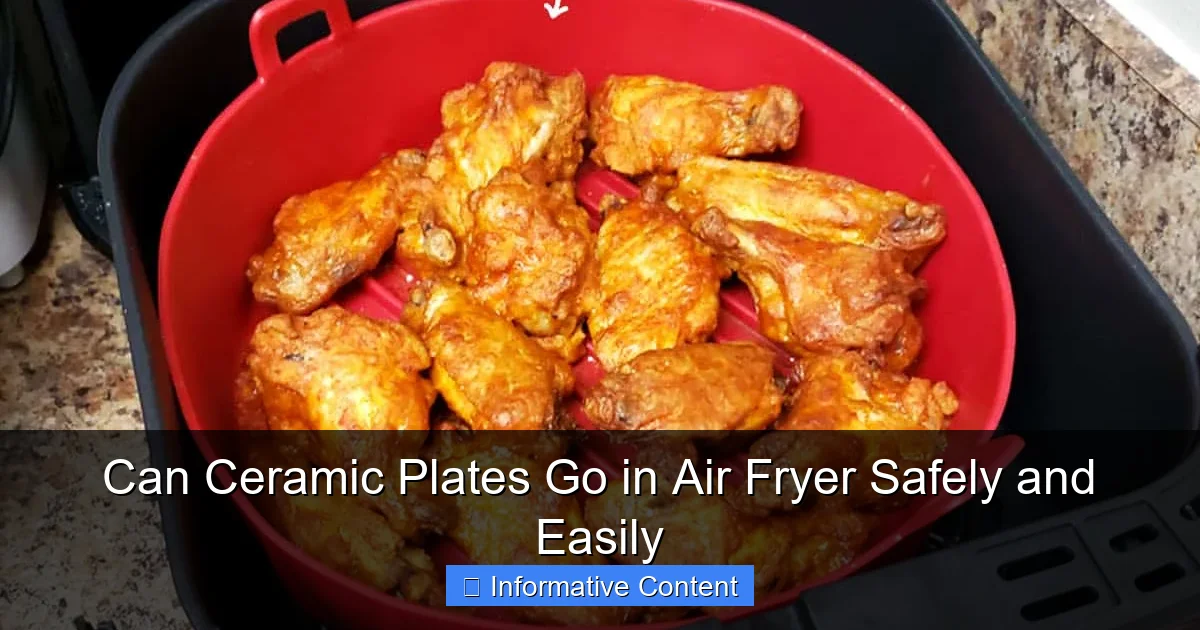
Visual guide about can ceramic plates go in air fryer
Image source: theforkbite.com
When it comes to air fryers, the key difference lies in how each handles rapid temperature changes and direct heat. Air fryers use a powerful fan to circulate hot air (usually between 175°F and 400°F), which means your cookware must handle both high heat and sudden shifts in temperature. True ceramic is generally more resilient to heat, while ceramic-coated metal can be trickier—especially if the coating is damaged or the base metal is thin.
How Air Fryers Work and What That Means for Your Plates
Air fryers don’t actually “fry” food. Instead, they use convection heating—hot air blown rapidly over the food to create a crispy exterior, similar to deep frying but with far less oil. This process relies on direct exposure to hot air, so your plate must allow airflow underneath and around the food. If your ceramic plate is too thick, has a solid base, or blocks airflow, your food won’t cook evenly. Worse, it could cause hot spots that lead to cracking or scorching.
Think of it like grilling: if you place a thick ceramic plate on the grill, the bottom of the food will steam instead of crisp up. The same happens in an air fryer. So, even if the plate is heat-safe, poor airflow can ruin your meal. I once tried cooking sweet potato fries on a deep ceramic casserole dish—they came out soggy on the bottom and burnt on top. Not a win.
Is Your Ceramic Plate Air Fryer-Safe? Key Factors to Check
Check the Manufacturer’s Label and Oven-Safe Rating
The first and most important step is to check the bottom of your ceramic plate. Look for symbols or text like “oven-safe,” “safe up to 450°F,” or “microwave-safe.” If it’s oven-safe, it’s more likely to handle air fryer temperatures—but not guaranteed. Some ceramic dishes are rated for ovens but not for rapid temperature changes, which air fryers create.
For example, I have a beautiful set of ceramic dinner plates from a local artisan. They’re labeled “microwave and oven-safe up to 350°F.” While that sounds good, my air fryer often runs at 375°F–400°F. So I avoid using them unless I’m doing something low-temp, like warming leftovers. Always match the plate’s max temperature to your air fryer’s settings. If the plate is rated for 400°F and your air fryer goes to 400°F, you’re in the safe zone.
Assess Thickness and Shape for Airflow
Even if your ceramic plate is heat-safe, its thickness and design matter. Thin ceramic plates (like dinner plates) are better than thick, deep casserole dishes. A thick base can insulate heat, leading to uneven cooking and potential cracking. Also, flat or slightly curved plates work better than deep bowls, which trap steam and block airflow.
Here’s a quick tip: try the “airflow test.” Place the plate in your air fryer basket. Can you still see the perforations or holes in the basket? If the plate covers too much of the bottom, airflow is restricted. Ideally, leave at least 70% of the basket’s surface open. I use a small, shallow ceramic quiche dish for single-serve meals—it fits perfectly and leaves plenty of room for air to circulate.
Watch Out for Cracks, Chips, or Glaze Flaws
Never use a cracked or chipped ceramic plate in your air fryer. Even tiny hairline cracks can expand under heat, causing the plate to shatter. The same goes for glaze flaws—bubbles, pinholes, or uneven coating can create weak spots. I learned this the hard way when a small chip in a plate turned into a full-blown explosion during a 30-minute cook cycle. Not fun to clean up.
Also, avoid plates with metallic trim or decorative paint. Metal can spark or damage the air fryer’s heating element, and some paints contain lead or other toxins that can leach into food when heated. Stick to plain, solid-color ceramic without metallic accents.
Best Ceramic Plates for Air Fryers: What to Look For
Recommended Types: Shallow, Flat, and Oven-Safe
If you’re shopping for ceramic plates specifically for your air fryer, here’s what to prioritize:
- Shallow depth: Aim for plates no deeper than 1.5 inches. This ensures good airflow and even cooking.
- Flat or slightly curved base: Avoid deep bowls or rims that block air.
- Oven-safe up to 450°F or higher: This covers most air fryer cooking temps.
- Durable glaze: Look for “lead-free” and “dishwasher-safe” labels for long-term use.
- Size fit: Measure your air fryer basket. A 6–8 inch diameter plate usually works well in 3–5 quart models.
For example, I use a set of ceramic tart pans (about 7 inches wide, 1 inch deep) for individual servings of frittatas, roasted veggies, or even mini pizzas. They’re shallow, oven-safe to 500°F, and leave tons of airflow space. Plus, they’re easy to clean and stackable—win-win.
Brands and Models That Work Well
While I won’t name brands (no promotions!), I’ve had great luck with ceramic plates from reputable kitchenware companies known for quality oven-safe dishes. Look for brands that specialize in stoneware, porcelain, or bakeware—they tend to test their products for high-heat use. Avoid cheap, decorative plates from big-box stores; they’re often not designed for cooking.
One reader shared that her Emile Henry ceramic plates (known for high-heat resistance) work perfectly in her Ninja air fryer. Another uses Le Creuset stoneware ramekins for single-serve desserts. The key is choosing plates designed for the oven, not just for serving.
DIY Test: How to Check Your Plate Before Use
No label? No problem. Try this simple test:
- Wash and dry the plate.
- Place it in a cold oven.
- Heat the oven to 350°F and let it sit for 15 minutes.
- Turn off the oven and let the plate cool inside for 30 minutes.
- Check for cracks, warping, or glaze issues.
If it passes, you can likely use it in your air fryer—but start with shorter cook times (10–15 minutes) and lower temps to be safe. I did this with a vintage ceramic plate I inherited, and it held up great. But I’d never skip the test—better safe than sorry.
How to Use Ceramic Plates in Air Fryers: Step-by-Step Guide
Step 1: Preheat the Air Fryer (With or Without the Plate?)
Most air fryers recommend preheating for even cooking. But should you preheat with the ceramic plate inside? Yes—but only if the plate is oven-safe and fits properly. Preheating with the plate ensures it heats evenly, reducing the risk of thermal shock.
However, if your plate is large or heavy, it might slow down preheating. In that case, preheat the air fryer empty, then add the plate and food. I usually preheat with the plate for 3–5 minutes at the target cooking temp. For example, if I’m cooking at 375°F, I set the air fryer to 375°F, add the plate, and let it run for 3 minutes before adding the food.
Step 2: Arrange Food for Optimal Crispiness
Don’t overload the plate. Air fryers need space for air to move. For meats or veggies, spread them in a single layer with gaps between pieces. If you’re cooking something that releases liquid (like marinated chicken), pat the food dry first to prevent steaming.
Pro tip: lightly oil the plate (not the food) to prevent sticking. I use a spray bottle with olive oil—just a quick spritz. This also helps the food crisp up better, since the oil heats up with the plate.
Step 3: Monitor Cooking and Avoid Thermal Shock
Never move a hot ceramic plate from the air fryer directly to a cold surface (like a granite countertop). The sudden temperature change can cause cracking. Instead, place it on a wooden cutting board, trivet, or folded towel.
Also, avoid adding cold ingredients directly to a hot plate. For example, if you’re cooking frozen chicken tenders, let the plate preheat first, then add the food. This reduces thermal shock and ensures even cooking.
Check food halfway through cooking and flip or rearrange if needed. I do this with a silicone spatula—metal utensils can scratch the ceramic glaze.
Common Mistakes and How to Avoid Them
Using Non-Oven-Safe Ceramic
This is the #1 mistake. I’ve seen people use decorative ceramic plates, mugs, or even flower pots in air fryers—don’t do it. These items aren’t designed for high heat and can release toxins, crack, or damage your air fryer.
Stick to plates labeled for oven use. If you’re unsure, stick to glass (like Pyrex), metal, or silicone instead. I have a few glass dishes that work great for casseroles or baked oatmeal in the air fryer.
Ignoring Airflow and Overcrowding
Even the best ceramic plate won’t work if it blocks airflow. Avoid deep dishes or stacking multiple plates. If you need to cook a lot, do it in batches. I once tried cooking two ceramic plates of veggies at once—they came out soggy and undercooked. Now I cook one plate at a time and keep the rest warm in a low oven.
Skipping the Cool-Down Period
After cooking, don’t rush to clean the plate. Let it cool in the air fryer basket for 5–10 minutes, then transfer it to a heat-safe surface. Sudden cooling (like placing it in cold water) can cause cracks. I’ve learned to plan ahead—I start cleaning the kitchen while the food cools, so I’m not tempted to rush.
Data Table: Ceramic Plate Safety and Air Fryer Use
| Feature | Safe for Air Fryer? | Notes |
|---|---|---|
| Oven-safe up to 400°F+ | Yes | Best for most air fryer cooking |
| Oven-safe up to 350°F | Limited | Use only for low-temp cooking (warming, reheating) |
| Thin, flat base (under 1.5” deep) | Yes | Promotes airflow and even cooking |
| Thick, deep casserole dish | No | Blocks airflow; risk of cracking |
| Cracked or chipped | No | Never use—risk of shattering |
| Metallic trim or paint | No | Can spark or leach toxins |
| Preheated with air fryer | Yes | Reduces thermal shock |
| Cold plate added to hot air fryer | No | High risk of cracking |
Final Thoughts: Can Ceramic Plates Go in Air Fryer?
So, can ceramic plates go in air fryer? Yes—but with conditions. If your ceramic plate is oven-safe, shallow, free of cracks, and doesn’t block airflow, it can be a safe and effective tool for air frying. I’ve used mine for everything from roasted brussels sprouts to individual quiches, and the results are often better than with metal trays because the ceramic holds heat evenly.
But remember: not all ceramic is created equal. Avoid decorative, non-oven-safe, or damaged plates. When in doubt, use glass, metal, or silicone instead. And always prioritize safety—preheat, avoid thermal shock, and let your plate cool properly.
At the end of the day, your air fryer is a versatile tool, and with the right cookware, you can expand its potential even further. Just take a few minutes to check your plate, plan your setup, and cook with confidence. Your favorite ceramic dishes can definitely earn a spot in your air fryer rotation—just treat them with care, and they’ll serve you well for years to come.
Frequently Asked Questions
Can ceramic plates go in an air fryer without cracking?
Ceramic plates labeled “oven-safe” or “air fryer-safe” can typically withstand air fryer temperatures (usually up to 400°F). Always check the manufacturer’s guidelines to avoid thermal shock and cracking.
What type of ceramic plate is safe for an air fryer?
Look for ceramic plates marked as oven-safe, heat-resistant, or explicitly designed for air fryers. Avoid decorative or thin ceramics, as they may not handle rapid temperature changes.
Are all ceramic plates air fryer-safe?
No—only ceramic plates rated for high heat (400°F+) are safe to use in an air fryer. Using non-heat-resistant ceramics can cause breakage, leaching, or safety hazards.
Can I put a cold ceramic plate directly into a preheated air fryer?
No, avoid placing cold ceramic directly into a hot air fryer. Preheat the plate gradually or let it warm to room temperature first to prevent cracking from thermal shock.
How do I know if my ceramic plate is air fryer-safe?
Check for labels like “oven-safe” or “air fryer-safe” and confirm the maximum temperature rating (400°F+). When in doubt, consult the manufacturer’s instructions for safe use.
Can ceramic plates damage my air fryer?
Using cracked or non-heat-resistant ceramic plates may damage the air fryer basket or heating element. Always use intact, properly rated ceramics to avoid debris or overheating issues.