
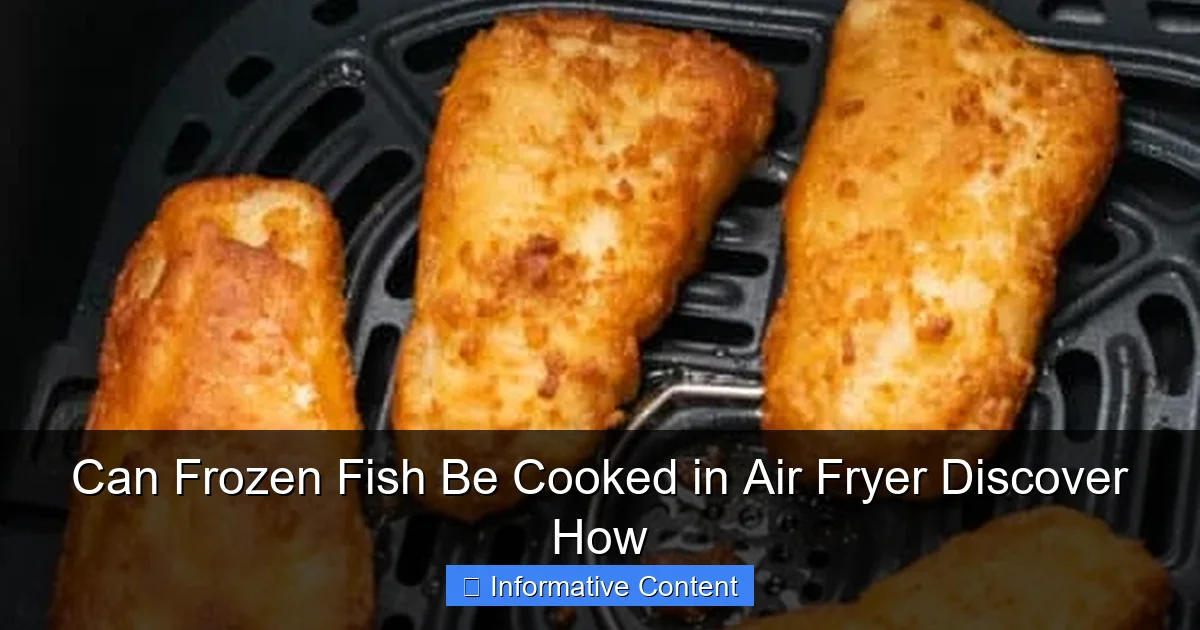
Featured image for can frozen fish be cooked in air fryer
Image source: airfryerworld.com
Yes, you can cook frozen fish in an air fryer—no thawing required—for a quick, crispy, and healthy meal. The air fryer’s rapid hot air circulation cooks the fish evenly while locking in moisture, delivering flaky results in minutes. Simply season, place in the basket, and air fry at 400°F for 10–15 minutes for perfectly cooked frozen fish every time.
Key Takeaways
- Cook frozen fish directly in air fryer—no thawing needed for quick meals.
- Preheat the air fryer to ensure even cooking and crispy results.
- Use minimal oil to enhance texture without making fish greasy.
- Adjust time and temp based on thickness and type of fish for best outcomes.
- Flip halfway through cooking for uniformly golden, flaky fillets every time.
- Check internal temperature to confirm fish reaches 145°F for safe consumption.
📑 Table of Contents
- The Magic of Cooking Frozen Fish in an Air Fryer
- Why the Air Fryer Is Perfect for Frozen Fish
- Step-by-Step Guide to Cooking Frozen Fish in an Air Fryer
- Best Types of Frozen Fish to Air Fry
- Common Mistakes and How to Avoid Them
- Data Table: Air Frying Times and Temperatures for Popular Frozen Fish
- Final Thoughts: Yes, You Can Cook Frozen Fish in an Air Fryer
The Magic of Cooking Frozen Fish in an Air Fryer
Let’s be honest—life gets busy. You open the freezer, stare at that pack of frozen fish you’ve been meaning to cook, and think, “Do I really have time to thaw this?” We’ve all been there. The good news? You don’t always have to. Cooking frozen fish in an air fryer isn’t just possible—it’s one of the easiest, most efficient ways to get a delicious, flaky meal on the table in under 20 minutes. No thawing, no mess, no stress.
I remember the first time I tried it. I had a bag of frozen breaded cod fillets, and my air fryer was sitting on the counter, practically begging to be used. I tossed them in, set the timer, and crossed my fingers. Ten minutes later, I had golden, crispy fish with a tender center—no soggy edges, no oil splatter. It felt like a kitchen miracle. Since then, I’ve experimented with everything from frozen salmon to tilapia, and the results have been consistently impressive. The air fryer’s rapid circulation of hot air crisps the outside while sealing in moisture, giving you that restaurant-quality texture without the deep fryer guilt.
Why the Air Fryer Is Perfect for Frozen Fish
How Air Fryers Work Their Magic
An air fryer isn’t just a mini convection oven—it’s a precision tool for cooking frozen food. It uses a high-powered fan to circulate hot air around the food at high speeds. This creates a Maillard reaction (that’s the fancy term for browning) on the surface, which is what gives breaded or seasoned frozen fish that crispy, golden crust. At the same time, the interior heats evenly, cooking the fish through without drying it out.
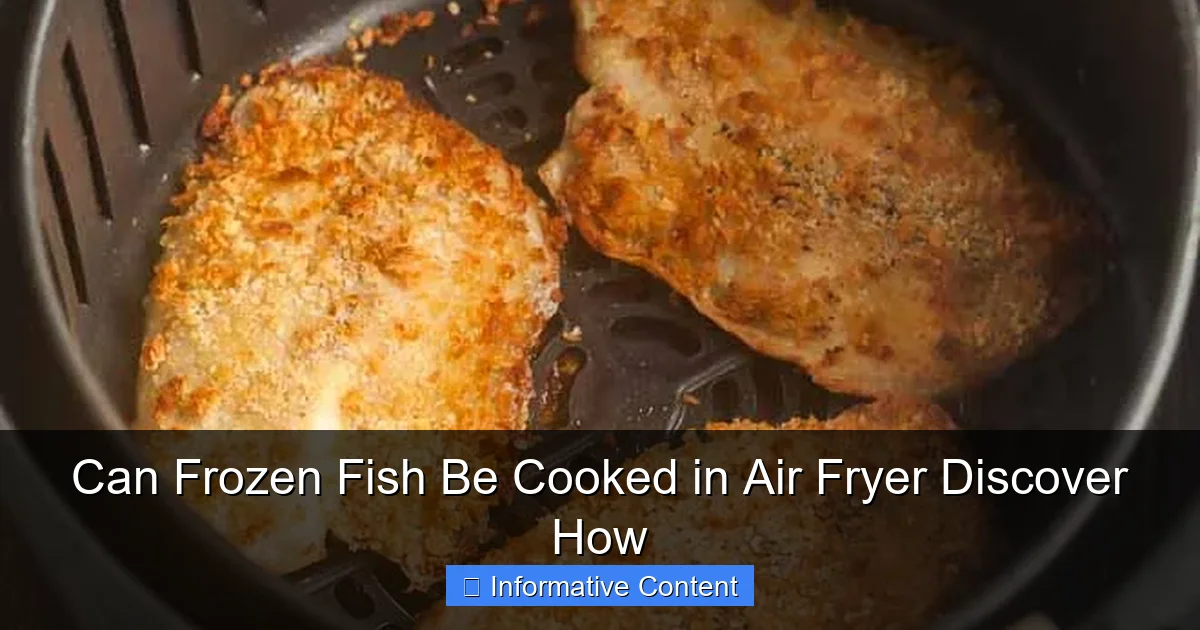
Visual guide about can frozen fish be cooked in air fryer
Image source: cookthestory.com
Unlike microwaves, which can leave frozen fish rubbery or unevenly cooked, the air fryer ensures consistent results. And compared to baking in a conventional oven? It’s faster, uses less energy, and doesn’t heat up your kitchen. For frozen fish, this means you skip the thawing step—no more waiting for hours or dealing with waterlogged fillets from fridge thawing.
Time and Energy Efficiency
Let’s talk numbers. A typical frozen breaded fish fillet takes 12–15 minutes in an air fryer at 400°F (200°C). That’s about half the time of baking in a conventional oven, which often requires 25–30 minutes at the same temperature. Plus, you don’t need to preheat the air fryer (though I’ll share a tip later on why you might want to for certain types of fish).
Energy-wise, air fryers use significantly less electricity than ovens. A study by Energy.gov found that small appliances like air fryers can save up to 50% in energy costs compared to full-size ovens. For busy weeknights or quick lunches, that’s a win-win: faster cooking and lower bills.
Healthier Results Without Sacrificing Crispiness
One of the biggest myths about frozen fish is that it’s unhealthy. But if you’re using unbreaded fillets (like frozen salmon or cod), you can cook them in the air fryer with just a light spray of oil or even none at all. The air fryer’s design means you get that crispy exterior with minimal oil—often just 1–2 teaspoons, compared to 1–2 cups in deep frying.
Even breaded frozen fish (like fish sticks or fish patties) turns out better in an air fryer. The high heat crisps the breading without making it greasy. I’ve tested the same frozen fish sticks in both a microwave and an air fryer. The microwave version? Soggy, pale, and limp. The air fryer version? Crispy on the outside, flaky on the inside—just like they were meant to be.
Step-by-Step Guide to Cooking Frozen Fish in an Air Fryer
Preparing Your Air Fryer and Fish
Before you start, make sure your air fryer basket is clean and lightly greased. A quick spray with cooking oil or a light brush with oil prevents sticking—especially important for delicate fillets. For breaded fish, you don’t need much oil. For unbreaded fish, a thin coating helps with browning.
Arrange the fish in a single layer. Overcrowding is the #1 mistake people make. If your air fryer basket is small, cook in batches. Overlapping fillets steam instead of crisp, and you’ll end up with uneven results. I learned this the hard way when I tried to cook five frozen cod fillets at once—two came out perfect, the others were undercooked and stuck together.
Temperature and Timing Tips
Here’s my go-to rule of thumb:
- Breaded frozen fish (fish sticks, patties, fillets): 400°F (200°C) for 10–14 minutes. Flip halfway for even crispiness.
- Unbreaded frozen fish (salmon, cod, tilapia): 375°F (190°C) for 12–18 minutes. No flip needed, but check for flakiness with a fork.
- Frozen fish in sauce (like lemon butter or garlic): 360°F (180°C) for 15–20 minutes. The sauce can burn at high heat, so lower the temperature slightly.
Pro tip: For extra-crispy breaded fish, spritz the top with a little oil halfway through cooking. This boosts browning without adding much fat.
Checking for Doneness
Frozen fish is done when it flakes easily with a fork and reaches an internal temperature of 145°F (63°C). For thick fillets like salmon, I use a meat thermometer to check the center. For thinner fillets, a quick visual check works: the edges should be opaque, and the center should no longer look translucent.
If your fish is undercooked, don’t panic. Just pop it back in for 2–3 minutes. But be careful not to overcook—dry fish is a real downer. I once left frozen tilapia in for 20 minutes (I got distracted by a phone call). It was edible, but the texture was closer to cardboard than flaky goodness. Learn from my mistakes!
Best Types of Frozen Fish to Air Fry
Breaded and Pre-Seasoned Options
These are the easiest to cook and often the most satisfying. Look for:
- Fish sticks or fingers: Perfect for kids or quick meals. Brands like Gorton’s or Trident work great. Cook at 400°F for 10–12 minutes.
- Breaded fillets (cod, pollock, haddock): Ideal for fish sandwiches or tacos. Flip halfway for even crispiness.
- Fish patties or burgers: Great for a low-effort dinner. Add a slice of cheese during the last 2 minutes for a melty finish.
I once used frozen breaded cod fillets to make fish tacos. I air-fried them, then topped them with mango salsa and lime crema. My family thought I’d ordered takeout. The air fryer made the breading so crispy, it held up perfectly under the toppings—no sogginess!
Unbreaded and Plain Fillets
For a healthier option, unbreaded frozen fish is a game-changer. Try:
- Frozen salmon fillets: Season with salt, pepper, and lemon slices. Cook at 375°F for 15–18 minutes. The skin gets crispy, and the flesh stays moist.
- Cod or halibut: Lightly coat with olive oil and herbs. These are perfect for a simple weeknight dinner.
- Tilapia: A mild, budget-friendly choice. Cook at 375°F for 12–15 minutes. Pair with rice and veggies.
One of my favorite tricks: place a lemon slice or a pat of butter on top of unbreaded salmon before air frying. The steam from the lemon keeps the fish juicy, and the butter adds richness.
Frozen Fish in Sauce or Marinades
Some brands sell frozen fish already in sauce (think garlic butter salmon or lemon pepper cod). These can be tricky because the sauce can burn at high heat. Here’s how to handle them:
- Reduce the temperature to 360°F (180°C).
- Place the fish in a heat-safe dish or foil pouch to contain the sauce.
- Cook for 15–20 minutes, checking frequently.
I tried this with a frozen lemon butter cod fillet. I put it in a small foil boat to catch the sauce, and it came out perfectly—flaky, flavorful, and not a burnt spot in sight.
Common Mistakes and How to Avoid Them
Overcrowding the Basket
This is the most common issue. When you pile too much fish in the basket, the hot air can’t circulate. The result? Steamed, not crispy fish. I’ve seen people try to cook six fish sticks in a 3-quart air fryer. Don’t do it. Cook in batches, and give each piece space.
Skipping the Flip (For Breaded Fish)
Breaded fish needs a flip halfway through to crisp both sides. If you skip this, the top will be golden, but the bottom will be pale and soft. Set a timer for the halfway point—it’s worth the extra 10 seconds.
Using Too Much Oil
Air fryers are designed to work with minimal oil. A light spray is enough. Dripping oil can cause smoke or uneven cooking. I once used a whole tablespoon of oil on frozen fish sticks, thinking it would make them crispier. Instead, they turned out greasy and the oil pooled in the basket. Lesson learned: less is more.
Not Checking Internal Temperature
Visual cues are helpful, but a thermometer is foolproof. I keep a digital one in my kitchen drawer. It takes 2 seconds to check, and it prevents overcooking or undercooking. For thick fillets like salmon, this is a must.
Ignoring the Package Instructions
Every brand of frozen fish cooks differently. Some are pre-cooked, some are raw. Check the package for guidance. For example, pre-cooked fish sticks need less time than raw fillets. I once assumed all frozen fish needed the same treatment—big mistake. Now I always read the label first.
Data Table: Air Frying Times and Temperatures for Popular Frozen Fish
Here’s a handy reference for common frozen fish types. These times are based on my testing and manufacturer recommendations. Adjust as needed for your air fryer model and fish thickness.
| Fish Type | Temperature | Cooking Time | Notes |
|---|---|---|---|
| Breaded fish sticks/fingers | 400°F (200°C) | 10–12 minutes | Flip halfway. Spray with oil for extra crispiness. |
| Breaded cod fillet | 400°F (200°C) | 12–14 minutes | Flip halfway. Avoid overcrowding. |
| Unbreaded salmon fillet | 375°F (190°C) | 15–18 minutes | Add lemon slices or butter for moisture. |
| Unbreaded cod fillet | 375°F (190°C) | 12–15 minutes | Check for flakiness with a fork. |
| Frozen fish patty | 400°F (200°C) | 10–12 minutes | Add cheese in the last 2 minutes. |
| Frozen fish in sauce | 360°F (180°C) | 15–20 minutes | Use a foil pouch or dish to contain sauce. |
| Frozen shrimp (breaded) | 390°F (200°C) | 8–10 minutes | Shake the basket halfway for even cooking. |
Note: Cooking times may vary by 2–3 minutes depending on your air fryer model and the thickness of the fish. Always check for doneness with a fork or thermometer.
Final Thoughts: Yes, You Can Cook Frozen Fish in an Air Fryer
So, can frozen fish be cooked in an air fryer? Absolutely. It’s not just a convenient option—it’s often the best option. The air fryer delivers crispy, flavorful results with minimal effort, no thawing required, and less mess than traditional methods. Whether you’re cooking breaded fish sticks for a quick lunch or a fancy salmon fillet for dinner, the air fryer handles it all.
I’ve found that the key is simplicity. Don’t overthink it. Follow the basic guidelines—single layer, right temperature, check for doneness—and you’ll get great results every time. And don’t be afraid to experiment. Try different seasonings, sauces, or toppings. I love adding a sprinkle of smoked paprika to frozen fish sticks or a dash of Old Bay to unbreaded cod. The possibilities are endless.
At the end of the day, the air fryer is a tool that fits into real life. It’s for the busy parent, the college student, the person who just wants a good meal without spending hours in the kitchen. And when it comes to frozen fish, it’s a game-changer. So next time you open your freezer and see that pack of fish, don’t groan. Grab your air fryer, set the timer, and get ready to enjoy a delicious meal in minutes. Trust me—it’s worth it.
Frequently Asked Questions
Can frozen fish be cooked in an air fryer?
Yes, frozen fish can be safely and efficiently cooked in an air fryer. The air fryer’s rapid hot air circulation ensures even cooking without thawing, making it a convenient option for quick meals.
How long do you cook frozen fish in an air fryer?
Cooking times vary by thickness, but most frozen fish fillets take 12-18 minutes at 375°F (190°C) in an air fryer. Flip halfway through for even browning and check for an internal temperature of 145°F (63°C).
Do you need to thaw frozen fish before using an air fryer?
No, thawing isn’t necessary—air fryers are designed to cook frozen foods directly. Cooking from frozen helps retain moisture and prevents overcooking the exterior while the center thaws.
What types of frozen fish work best in an air fryer?
Firm, thick fillets like cod, salmon, halibut, or tilapia are ideal for air frying. Avoid thin or heavily breaded varieties, as they may dry out or burn due to high heat exposure.
Can you cook breaded frozen fish in an air fryer?
Yes, breaded frozen fish (like fish sticks or nuggets) cooks well in an air fryer. Lightly spray with oil to enhance crispiness and cook at 400°F (200°C) for 8-12 minutes, flipping halfway.
What’s the best way to ensure perfectly cooked frozen fish in an air fryer?
Preheat the air fryer, arrange fish in a single layer, and avoid overcrowding. Use a meat thermometer to confirm it reaches 145°F (63°C) for food safety and optimal texture.