
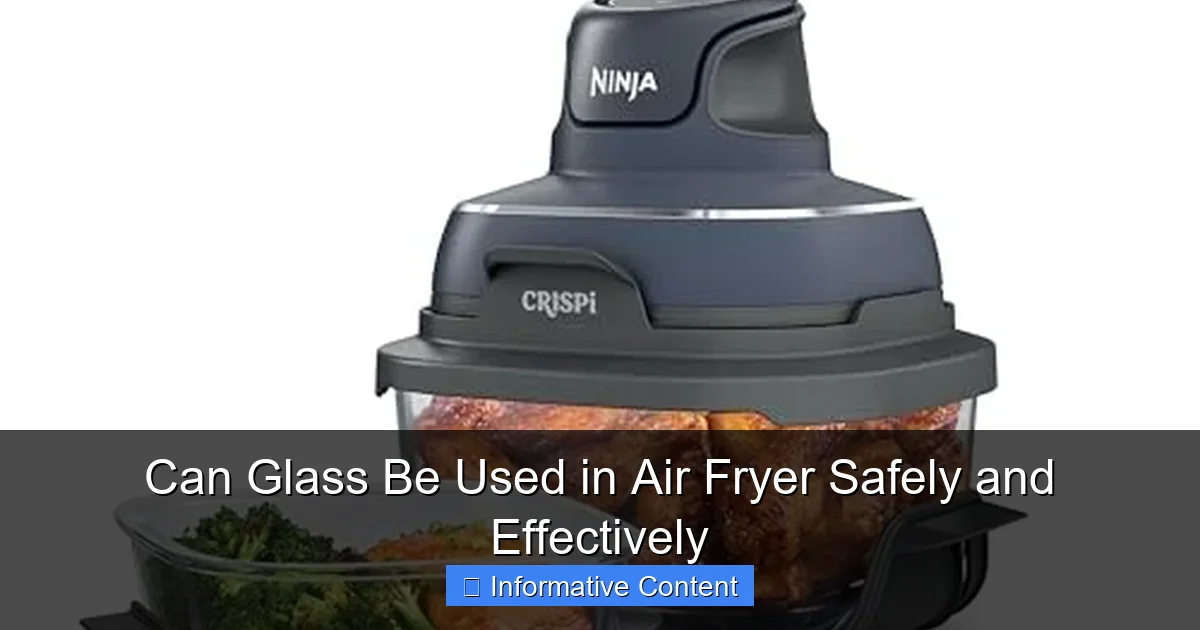
Featured image for can glass be used in air fryer
Image source: m.media-amazon.com
Yes, glass can be safely used in an air fryer—but only if it’s labeled oven-safe and can withstand high, direct heat. Avoid sudden temperature changes to prevent cracking, and always check the manufacturer’s guidelines before placing glassware inside. Using the right type of glass ensures even cooking and easy cleanup without damaging your air fryer.
Key Takeaways
- Use only oven-safe glass: Ensure glass is labeled for oven use to prevent shattering.
- Avoid sudden temperature changes: Preheat glass gradually to avoid thermal shock.
- Check air fryer compatibility: Verify your model allows glass containers before use.
- Opt for tempered glass: It’s more durable and heat-resistant than regular glass.
- Monitor cooking times closely: Glass conducts heat faster, so adjust timings accordingly.
- Use caution with acidic foods: Glass is safe, but prolonged exposure may weaken it.
📑 Table of Contents
- Can Glass Be Used in Air Fryer Safely and Effectively
- Understanding How Air Fryers Work and Why Glass Matters
- Types of Glass That Are Safe for Air Fryer Use
- How to Use Glass in an Air Fryer Safely: Step-by-Step Guide
- Foods That Work (and Don’t Work) in Glass Air Fryer Dishes
- Common Mistakes and How to Avoid Them
- Glass vs. Other Air Fryer Materials: A Quick Comparison
- Final Thoughts: When Glass Makes Sense in Your Air Fryer
Can Glass Be Used in Air Fryer Safely and Effectively
You’ve just pulled your air fryer out of the box, excited to make everything from crispy fries to juicy chicken wings. But then you wonder—can you use that cute little glass ramekin for baking a single-serving brownie? Or maybe that leftover lasagna in a glass dish from last night? It’s a question I’ve asked myself more than once, especially after watching my friend try (and fail) to melt cheese in a glass bowl that cracked right inside the air fryer. Spoiler: It was messy, smoky, and a little heartbreaking.
Glass is a kitchen staple—we use it for storage, baking, and even microwaving. But when it comes to air fryers, things get a little more complicated. Unlike microwaves or ovens, air fryers use high-speed hot air to cook food quickly and evenly. That intense, focused heat can be a game-changer for crispiness, but it also raises concerns about whether glass can handle the temperature changes without cracking or shattering. So, can glass be used in an air fryer? The short answer is: sometimes. But the real answer is much more nuanced. In this guide, I’ll walk you through what types of glass are safe, how to use them properly, and what to avoid—so you can cook confidently without turning your kitchen into a glass disaster zone.
Understanding How Air Fryers Work and Why Glass Matters
The Science Behind Air Fryer Cooking
Air fryers don’t actually “fry” food. Instead, they use a powerful heating element and a high-speed fan to circulate hot air (usually between 300°F and 400°F) around the food. This rapid convection creates a crispy, golden exterior—similar to deep frying—but with little to no oil. The cooking basket is designed to let air flow freely, which is why most air fryer accessories are made of metal or heat-resistant silicone. These materials conduct heat evenly and can handle sudden temperature shifts.
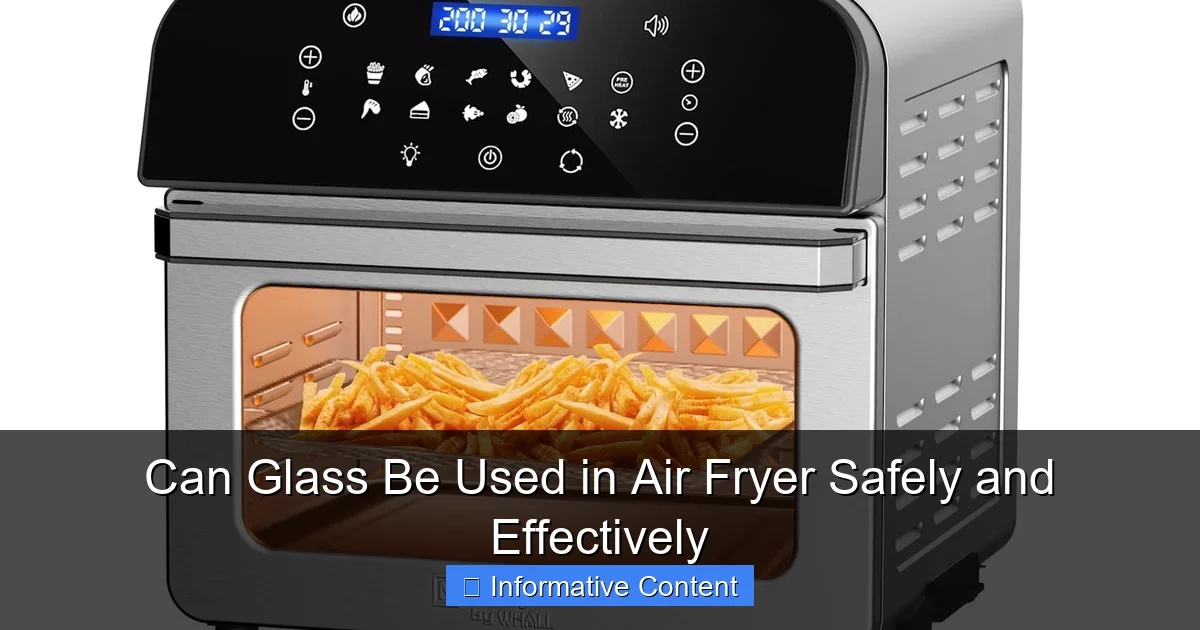
Visual guide about can glass be used in air fryer
Image source: m.media-amazon.com
Glass, on the other hand, behaves differently. It’s an insulator, not a conductor. That means it heats up slowly and unevenly, which can lead to thermal shock—a sudden change in temperature that causes cracks or breaks. Think of it like pouring hot water into a cold glass: the outside heats up faster than the inside, creating stress that can make the glass explode. In an air fryer, where temperatures jump from room temp to 350°F in under two minutes, that risk is real.
Why Material Matters in Air Fryer Cooking
Not all cookware is created equal, and the air fryer’s environment is uniquely demanding. Unlike ovens, which heat gradually and evenly, air fryers blast food with concentrated hot air from multiple directions. This means:
- Heat distribution is uneven if the container doesn’t conduct well.
- Rapid temperature changes can stress materials not designed for it.
- Steam buildup inside glass dishes can create pressure, increasing breakage risk.
So while glass is great for slow, even baking in an oven, it needs to meet specific standards to be safe in an air fryer. The key is knowing which types of glass are built for this kind of heat stress.
Types of Glass That Are Safe for Air Fryer Use
Tempered Glass (Borosilicate or Soda-Lime)
The safest glass for air fryer use is tempered glass, especially borosilicate glass (like Pyrex or Duralex). This type of glass is specially treated to withstand rapid temperature changes. Borosilicate glass can handle temperatures up to 450°F and is commonly used in laboratory glassware and high-end bakeware for a reason—it’s tough.
For example, I’ve used my Pyrex 2-cup measuring cup to make individual frittatas in my Cosori air fryer at 375°F. The eggs cooked evenly, and the glass came out cool enough to touch (after a few minutes). No cracks, no warping. Success!
But not all tempered glass is the same. Look for labels that say:
- “Oven-safe up to 450°F”
- “Borosilicate glass”
- “Tempered” or “heat-treated”
Even if it says “microwave-safe,” that doesn’t mean it’s air fryer-safe. Microwaves heat water molecules, not the container itself—so the glass doesn’t get as hot. Air fryers, however, heat the dish directly.
Glass Bakeware Designed for Oven and Air Fryer
Some brands now make glass dishes specifically labeled for air fryers. These often combine tempered glass with a silicone base or metal rim to improve heat distribution and reduce thermal shock. For instance, Anchor Hocking’s oven-to-table glass bakeware is marketed as safe for air fryers up to 425°F. I’ve used their 8-inch square dish to make mini lasagnas—layered with sauce, noodles, and cheese—and it held up perfectly at 360°F for 20 minutes.
These dishes are usually:
- Thicker than standard glass
- Pre-treated for thermal resistance
- Designed with flat bottoms for stability in the basket
Tip: Always check the manufacturer’s website or packaging. If it says “not for direct flame or broiler,” it’s likely safe for air fryers, since air fryers don’t use open flames.
What About Regular Glass Jars and Containers?
Here’s where things get tricky. Mason jars, leftover pasta sauce containers, or even drinking glasses—while made of glass—are not safe for air fryer use. These are typically annealed glass, which hasn’t been heat-treated. They can’t handle sudden temperature changes and may shatter without warning.
I learned this the hard way when I tried to melt butter in a mason jar at 300°F. After just 3 minutes, a small crack appeared. By minute 5, the jar split in half, sending hot butter everywhere. Not only was it a mess, but it also left glass shards in my air fryer basket (which I had to carefully pick out). Never again.
Rule of thumb: Only use glass containers that are explicitly labeled for oven or high-heat use. If it came from the grocery store with food in it, assume it’s not safe.
How to Use Glass in an Air Fryer Safely: Step-by-Step Guide
Step 1: Preheat the Air Fryer (With or Without Glass?)
Preheating helps ensure even cooking, but should you preheat with the glass dish inside? It depends.
- Yes, preheat with tempered glass if it’s rated for high heat. Place the empty glass dish in the air fryer during preheat (3–5 minutes). This helps the glass warm up gradually, reducing thermal shock.
- No, don’t preheat with thin or unrated glass. Instead, preheat the air fryer empty, then add the glass dish with food. This is safer but may add 1–2 minutes to cooking time.
Example: I preheat my air fryer with a Pyrex dish for baking individual quiches. But when using a small glass ramekin for melting cheese, I skip preheating the dish to avoid overheating the cheese before it’s even in.
Step 2: Avoid Thermal Shock at All Costs
Thermal shock is the #1 enemy of glass in air fryers. To prevent it:
- Don’t place a cold glass dish into a hot air fryer. Let it sit at room temperature for 10–15 minutes first.
- Never put a hot glass dish on a cold surface (like a granite countertop or metal sink). Use a trivet or wooden cutting board.
- Avoid sudden temperature changes. Don’t take a hot dish out and immediately add cold ingredients.
Pro tip: If you’re reheating leftovers in a glass container, let the container sit on the counter for 10 minutes before air frying. This small step can save you from a shattered dish.
Step 3: Choose the Right Size and Shape
Air fryers rely on airflow. A dish that’s too big or too deep can block circulation, leading to uneven cooking and overheating. Ideal glass containers for air fryers are:
- Small to medium size (4–8 inches wide)
- Shallow with low sides (under 2 inches high)
- Flat bottomed to sit securely in the basket
I use a 6-inch round Pyrex dish for baking mini pizzas and a 4-ounce ramekin for melting chocolate. Both fit well and allow air to flow around the edges. Avoid tall, narrow dishes—they trap steam and increase breakage risk.
Step 4: Monitor Cooking Time and Temperature
Glass cooks differently than metal. Because it insulates heat, food may take longer to brown or crisp. Here’s how to adjust:
- Reduce temperature by 25°F compared to metal cookware (e.g., cook at 350°F instead of 375°F).
- Add 2–5 minutes to cooking time if needed.
- Check food early—glass can retain heat longer, so overcooking is easy.
Example: When I bake a single-serving chocolate chip cookie in a glass ramekin, I set the air fryer to 325°F for 12 minutes (instead of 350°F for 10 minutes in a metal pan). The result? A gooey center with a crisp edge—perfect.
Foods That Work (and Don’t Work) in Glass Air Fryer Dishes
Best Foods to Cook in Glass
Glass is ideal for foods that benefit from gentle, even heating or need to be contained (like liquids). Great options include:
- Eggs: Frittatas, quiches, or baked eggs with veggies.
- Cheese dishes: Melted cheese, nacho dips, or grilled cheese (use a lid to trap heat).
- Baked goods: Mini cakes, brownies, or muffins.
- Reheating: Leftover casseroles, rice, or pasta (add a splash of water to prevent drying).
- Sauces and dips: Warm spinach dip, chocolate fondue, or cheese sauce.
I love making a “breakfast casserole” in a 6-inch glass dish: whisk eggs, add diced ham and spinach, and air fry at 325°F for 15 minutes. It comes out fluffy and golden, with no sticking.
Foods to Avoid in Glass
Some foods just don’t pair well with glass in an air fryer. Avoid:
- High-fat meats: Burgers, bacon, or sausages. The fat can splatter and smoke, and the glass may overheat.
- Foods needing high heat for crispiness: Wings, fries, or chicken tenders. Glass won’t crisp them as well as metal.
- Foods with high moisture content: Raw veggies like zucchini or eggplant. They release steam, which can build pressure in the dish.
- Foods that expand: Popcorn or puffed snacks. They can overflow and stick to the glass.
Stick to the air fryer basket for these. Save the glass for dishes where containment and even heat are more important than crispiness.
Common Mistakes and How to Avoid Them
Mistake 1: Using Cold Glass Directly from the Fridge
This is the most common cause of cracking. Glass contracts when cold and expands when hot. A sudden shift causes stress. Always let glass come to room temperature first. If you’re in a hurry, warm it under lukewarm water for 1–2 minutes (not hot water!).
Mistake 2: Overfilling the Dish
Glass can’t handle pressure. If you fill it to the brim with liquid or expandable food (like batter), it can bubble over and create steam pressure. Leave at least 1 inch of space at the top.
Mistake 3: Ignoring the Manufacturer’s Guidelines
Not all “oven-safe” glass is air fryer-safe. Some brands specify a lower max temperature for convection cooking. For example, a dish rated for 450°F in an oven might only be safe up to 375°F in an air fryer due to faster heat transfer. Always check the manual or website.
Mistake 4: Using Scratched or Damaged Glass
Small cracks or scratches are weak points. They can expand under heat and cause the dish to shatter. If your glass has any damage, retire it—don’t risk it in the air fryer.
Mistake 5: Not Checking for Airflow
If your glass dish blocks the air fryer’s vents or sits too high in the basket, it can overheat or cause the machine to overwork. Always ensure the dish fits comfortably and doesn’t touch the heating element.
Glass vs. Other Air Fryer Materials: A Quick Comparison
| Material | Max Temp | Heat Conductivity | Best For | Air Fryer Safe? |
|---|---|---|---|---|
| Tempered Glass (Borosilicate) | 450°F | Low (insulates) | Liquids, baking, reheating | ✅ Yes (with caution) |
| Metal (Stainless Steel, Aluminum) | 500°F+ | High (conducts) | Crispy foods, meats, fries | ✅ Yes |
| Silicone | 425°F | Low | Flexible baking, easy release | ✅ Yes |
| Non-Stick Metal | 450°F | High | Delicate foods, eggs | ✅ Yes |
| Regular Glass (Mason Jars) | 250°F (not rated) | Low | Storage only | ❌ No |
As you can see, tempered glass is a viable option—but it’s not the best for every task. Use it when you need containment, even heating, or a non-reactive surface (great for acidic foods like tomato sauce). For everything else, metal or silicone often performs better.
Final Thoughts: When Glass Makes Sense in Your Air Fryer
So, can glass be used in an air fryer safely and effectively? Absolutely—but only if you choose the right glass, follow the rules, and respect the science. Tempered, borosilicate, or oven-rated glass dishes are your best friends here. Regular jars, drinking glasses, or damaged containers? Keep them far away.
I’ve found that glass shines in the air fryer for dishes that need gentle heat or containment—like baking eggs, melting cheese, or reheating leftovers. It’s not the tool for crispy wings or golden fries, but for creamy, cozy, or liquid-based foods, it’s a game-changer. The key is preparation: let the glass warm up, avoid sudden temperature changes, and never overfill.
And remember: your air fryer is versatile, but it’s not magic. Just because you can use glass doesn’t mean you should for every recipe. Pair the right tool with the right job, and you’ll get delicious results—without the cleanup of shattered glass.
So go ahead, grab that Pyrex dish, make that mini quiche, and enjoy the peace of mind that comes with safe, smart cooking. Your air fryer—and your kitchen—will thank you.
Frequently Asked Questions
Can glass be used in an air fryer without breaking?
Yes, heat-resistant glass like borosilicate (e.g., Pyrex) can generally be used in an air fryer, but avoid sudden temperature changes to prevent cracking. Always check the manufacturer’s guidelines before placing glass in your air fryer.
What type of glass is safe to use in an air fryer?
Borosilicate glass and tempered glass are the safest options for air fryer use due to their high thermal resistance. Regular glass or thin glassware may shatter under rapid heating and is not recommended.
Can I put a glass bowl in my air fryer basket?
Yes, you can use a glass bowl in your air fryer as long as it fits comfortably and doesn’t block airflow. Ensure the bowl is labeled oven-safe and preheated gradually to avoid thermal shock.
Is it safe to use glass in an air fryer at high temperatures?
Heat-resistant glass can withstand air fryer temperatures (typically up to 400°F), but always verify the glass’s maximum temperature rating. Avoid extreme temperature shifts, such as moving glass from the fridge directly into a hot air fryer.
Can glass be used in an air fryer for baking or reheating?
Yes, oven-safe glass dishes are excellent for baking casseroles, reheating leftovers, or even making desserts in your air fryer. Just ensure the glass is designed for rapid heating and fits securely in the basket.
Why does glass sometimes crack in an air fryer?
Glass may crack due to thermal shock—rapid temperature changes—or if it’s not designed for high heat. Always use air fryer-safe glass and preheat it gradually to minimize the risk of breakage.