
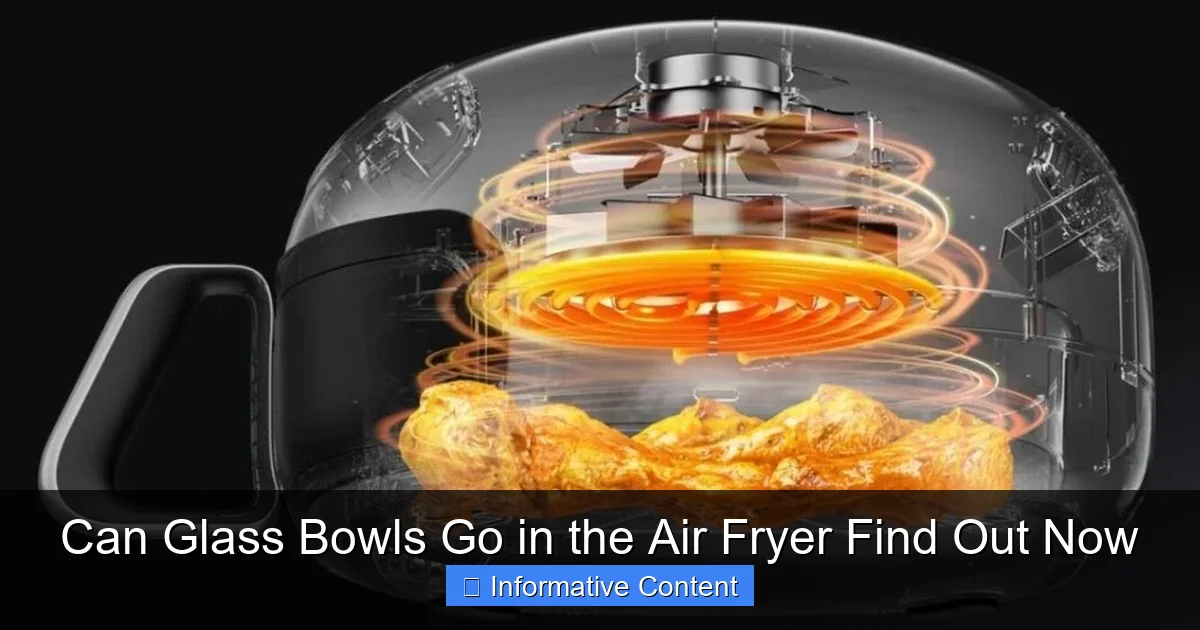
Featured image for can glass bowls go in the air fryer
Image source: wp-cdn.typhur.com
Yes, glass bowls can go in the air fryer—but only if they’re labeled oven-safe or heat-resistant to withstand high temperatures. Avoid sudden temperature changes to prevent cracking, and always check the manufacturer’s guidelines before use. Never use regular glass or thin glassware, as it can shatter due to intense heat.
Key Takeaways
- Check for air fryer-safe glass to avoid shattering or damage.
- Preheat glass bowls gradually to prevent thermal shock and cracking.
- Use oven-safe glass only—regular glass isn’t safe for air fryers.
- Monitor cooking closely to prevent overheating and potential breakage.
- Leave space for air circulation to ensure even cooking and safety.
- Cool glass slowly after cooking to avoid sudden temperature changes.
📑 Table of Contents
- Can Glass Bowls Go in the Air Fryer? Let’s Break It Down
- Understanding Glass Bowls and Air Fryers: The Basics
- When Can Glass Bowls Go in the Air Fryer? The Safe Zones
- Risks and Red Flags: When Glass Bowls Should Stay Out
- How to Safely Use Glass Bowls in the Air Fryer: Step-by-Step
- Glass vs. Alternatives: When to Use What
- Final Verdict: Can Glass Bowls Go in the Air Fryer?
Can Glass Bowls Go in the Air Fryer? Let’s Break It Down
You’re standing in your kitchen, air fryer preheating, and you’ve got that perfect glass bowl ready to pop in—maybe it’s a Pyrex dish you’ve used for casseroles or a fancy tempered glass bowl you got as a gift. But then it hits you: can glass bowls go in the air fryer? It’s a question that’s probably crossed the mind of every home cook who loves the convenience of an air fryer but doesn’t want to risk cracking their favorite dish or, worse, causing a kitchen disaster. I’ve been there too, staring at my glass bowl, wondering if I’m about to turn it into a modern art piece (spoiler: I didn’t, but I learned the hard way once).
The air fryer is a game-changer for quick, crispy meals, but it’s not always clear what cookware is safe to use inside. Glass bowls, especially those we’ve trusted for years in the oven, seem like a natural fit—but are they? The answer isn’t as straightforward as you’d hope. While some glass bowls can handle the heat, others might not be so lucky. In this post, we’ll dive into the nitty-gritty of what makes a glass bowl air fryer-safe, the risks you need to watch out for, and how to use them correctly—without turning your kitchen into a science experiment. Whether you’re reheating leftovers, baking a dessert, or trying a new recipe, this guide will help you make the right call.
Understanding Glass Bowls and Air Fryers: The Basics
How Air Fryers Work and What That Means for Glass
First things first: air fryers work by circulating hot air around food at high speeds, creating that crispy, fried texture we all love—without the oil. But this process involves rapid temperature changes and intense heat, which can be tough on certain materials. Glass bowls, especially those not designed for extreme conditions, might not handle the stress.
Visual guide about can glass bowls go in the air fryer
Image source: quiethome.life
Unlike traditional ovens, which heat food gradually, air fryers can blast food with heat from all angles. This means glass bowls need to withstand not just high temperatures (usually between 300°F and 400°F) but also the sudden shift from room temperature to hot. Think of it like stepping into a sauna after being outside in winter—your body might not love it, and the same goes for glass.
Types of Glass Bowls: Not All Glass Is Created Equal
Not all glass bowls are built the same. Here’s a quick breakdown:
- Regular glass: This includes most decorative or thin glassware you might use for salads or snacks. It’s not safe for air fryers—or ovens, for that matter—because it can’t handle thermal stress. Even a small temperature change can cause it to crack.
- Tempered glass: This is the heavy-duty stuff. Tempered glass is treated to withstand rapid temperature changes, making it oven-safe (and sometimes air fryer-safe). Look for labels like “tempered,” “oven-safe,” or “heat-resistant” on the bottom of the bowl.
- Pyrex and borosilicate glass: These are the gold standard for heat resistance. Pyrex (especially the original borosilicate formula) and brands like Anchor Hocking use borosilicate glass, which can handle extreme temperatures without cracking. If your bowl is labeled “Pyrex” or “borosilicate,” you’re in the clear—but double-check for air fryer compatibility just to be safe.
Pro tip: Always check the manufacturer’s label. If it says “microwave-safe” but not “oven-safe,” don’t risk it in the air fryer. Microwave-safe glass isn’t always designed for dry, intense heat.
When Can Glass Bowls Go in the Air Fryer? The Safe Zones
Tempered Glass and Air Fryer Compatibility
If your glass bowl is labeled “tempered” or “oven-safe,” it’s likely safe for the air fryer—but there are a few caveats. Here’s what to look for:
- Check the temperature rating: Most tempered glass bowls can handle up to 450°F, which is higher than most air fryer settings. But if your bowl’s label says “safe up to 350°F,” avoid maxing out your air fryer at 400°F.
- No sudden temperature changes: Even tempered glass can crack if you put a cold bowl straight into a hot air fryer. Always preheat the bowl (more on this later) or let it sit at room temperature for 15-20 minutes before use.
- Size matters: Your glass bowl should fit comfortably in the air fryer basket with at least 1 inch of space around the edges. Crowding the basket can block airflow, leading to uneven cooking—or worse, overheating the glass.
Real-life example: I once tried using a small tempered glass ramekin to bake mini cheesecakes in my air fryer. I preheated the bowl (by placing it in the air fryer during preheat), set the temp to 325°F, and baked for 15 minutes. No cracks, no drama—and the cheesecakes came out perfectly creamy.
Pyrex and Borosilicate Glass: The Air Fryer Superstars
Pyrex and borosilicate glass are the MVPs of the heat-resistant world. Here’s why they’re usually safe for air fryers:
- Thermal shock resistance: Borosilicate glass expands and contracts less under heat, making it far less likely to crack. This is why lab beakers (made from borosilicate) can go from ice-cold to boiling hot without breaking.
- Oven-safe by design: Pyrex dishes are built for ovens, so they’re generally fine in air fryers—as long as you follow the same rules (preheating, no cold-to-hot shocks, proper sizing).
But wait: Not all “Pyrex” is the same. Older Pyrex dishes (pre-1998) are made from borosilicate, but newer ones (post-1998) use tempered soda-lime glass. Both are oven-safe, but borosilicate is more heat-resistant. If you have an older Pyrex dish, it’s probably safer for high-heat air fryer use.
Risks and Red Flags: When Glass Bowls Should Stay Out
Thermal Shock: The #1 Cause of Cracked Glass
Thermal shock is the biggest enemy of glass in the air fryer. It happens when glass is exposed to sudden temperature changes, causing it to expand or contract too quickly. Here are the most common ways it happens—and how to avoid them:
- Putting a cold bowl into a hot air fryer: This is the classic mistake. Always let your glass bowl sit at room temperature for 15-20 minutes before using it, or preheat it in the air fryer (more on this in the tips section).
- Placing a hot bowl on a cold surface: If you take a hot glass bowl out of the air fryer and set it on a granite countertop or a wet towel, it might crack. Use a trivet, wooden cutting board, or a dry kitchen towel to protect it.
- Adding cold food to a hot bowl: If you preheat the bowl but then pour in cold batter or sauce, the temperature difference can cause stress. Try to use room-temperature ingredients when possible.
My cautionary tale: I once reheated lasagna in a glass dish in my air fryer. The dish was at room temperature, but I forgot to cover it with foil. The air fryer’s intense airflow caused the top layer to dry out and contract, creating tiny cracks in the glass. Lesson learned: always cover glass dishes with foil or a lid to reduce surface stress.
Non-Tempered Glass and Decorative Bowls: A Hard No
Some glass bowls just aren’t built for heat. Here’s what to avoid:
- Thin or decorative glass: If your bowl is lightweight, has intricate designs, or feels fragile, it’s not air fryer-safe. These bowls are designed for serving, not cooking.
- Glass with metal rims or coatings: Some bowls have metal rims or decorative coatings that can overheat in the air fryer, causing the glass to crack or the metal to warp.
- Old or chipped glass: Even tiny cracks or chips can expand under heat, turning your bowl into a dangerous projectile. If your glass has any damage, retire it from cooking duty.
Pro tip: When in doubt, use a silicone or metal alternative. Silicone molds are heat-resistant, flexible, and won’t crack. Metal pans (like aluminum or stainless steel) are also safe—just make sure they fit in your air fryer basket.
How to Safely Use Glass Bowls in the Air Fryer: Step-by-Step
Preheating Your Glass Bowl: A Crucial Step
Preheating your glass bowl is the single most important step to avoid cracks. Here’s how to do it:
- Place the bowl in the air fryer basket (empty, no food yet).
- Set the air fryer to 200°F and let it run for 5 minutes. This gently warms the glass without shocking it.
- Increase the temperature to your recipe’s setting (e.g., 350°F) and let it preheat for another 5-10 minutes.
- Add your food and cook as directed.
Why this works: Gradually heating the glass reduces the risk of thermal shock. Think of it like warming up before a workout—your glass needs to “stretch” too!
Choosing the Right Size and Shape
Not all glass bowls fit in air fryers. Here’s how to pick the right one:
- Measure your air fryer basket: The bowl should be at least 1 inch smaller in diameter than the basket to allow airflow.
- Use low-profile bowls: Deep bowls can block airflow, leading to uneven cooking. Shallow dishes (like pie plates or casserole dishes) work better.
- Avoid oversized handles or lids: If the bowl has handles or a lid, make sure they don’t stick out of the basket or touch the heating element.
Example: My 5-quart air fryer fits a 7-inch Pyrex pie dish perfectly, but a 9-inch casserole dish is too wide. I use the pie dish for quiches, mini pizzas, and even baked oatmeal.
Cooking Tips for Best Results
- Cover with foil or a lid: This reduces surface stress from the air fryer’s intense airflow. Use a vented lid or poke holes in foil to let steam escape.
- Use room-temperature ingredients: Cold batter or sauces can shock the glass. Let ingredients sit for 15 minutes before using.
- Rotate the bowl halfway: If your air fryer has uneven heat, rotate the bowl 180 degrees halfway through cooking for even browning.
Glass vs. Alternatives: When to Use What
Comparing Glass to Other Air Fryer-Safe Materials
Glass isn’t the only option for air fryer cooking. Here’s how it stacks up against other materials:
| Material | Pros | Cons |
|---|---|---|
| Glass (tempered or borosilicate) | Non-reactive, easy to clean, oven-safe | Can crack from thermal shock, heavier than other materials |
| Silicone | Flexible, won’t crack, lightweight | Can absorb odors, may not brown food as well |
| Metal (aluminum, stainless steel) | Durable, excellent heat conduction, lightweight | Can react with acidic foods (use stainless steel instead) |
| Oven-safe ceramic | Great heat retention, stylish | Heavy, can crack if not preheated properly |
When to choose glass: Use glass for dishes that benefit from even heat distribution (like casseroles, baked eggs, or desserts) or when you want to see the food while it cooks.
Best Uses for Glass Bowls in the Air Fryer
Glass bowls shine in these scenarios:
- Reheating leftovers: Glass is non-reactive and won’t absorb odors, making it perfect for reheating saucy dishes like lasagna or curry.
- Baking desserts: Mini cheesecakes, brownies, and bread puddings bake evenly in glass.
- Egg dishes: Quiches, frittatas, and baked eggs come out creamy and perfectly set.
When to avoid glass: Skip glass for recipes that require rapid temperature changes (like searing meat) or when using acidic ingredients (like tomato sauce), which can react with metal but not glass—but the heat stress might still be an issue.
Final Verdict: Can Glass Bowls Go in the Air Fryer?
So, can glass bowls go in the air fryer? The answer is: sometimes, but with conditions. Tempered glass, Pyrex, and borosilicate glass are generally safe—as long as you preheat them properly, avoid thermal shock, and use the right size and shape. But regular, decorative, or damaged glass should never go in the air fryer.
Here’s my take: if you’re careful and follow the steps in this guide, glass bowls can be a fantastic tool for air fryer cooking. They’re non-reactive, easy to clean, and perfect for dishes that need even heat. But if you’re ever unsure, opt for silicone or metal instead. Your kitchen (and your glassware) will thank you.
At the end of the day, the air fryer is all about convenience and versatility—but safety should always come first. With the right glass bowl and a few smart habits, you can unlock a whole new world of air fryer recipes without any cracks, breaks, or surprises. Now go enjoy that crispy, golden meal—safely!
Frequently Asked Questions
Can glass bowls go in the air fryer safely?
Most glass bowls can go in the air fryer if they’re labeled oven-safe and can withstand temperatures up to 400°F (200°C). Always check for cracks or thermal shock risks before use.
What type of glass bowl is air fryer-safe?
Heat-resistant glass like borosilicate (e.g., Pyrex) or tempered glass is ideal for air fryers. Avoid thin or decorative glass that isn’t designed for high heat.
Can I put a cold glass bowl directly into the air fryer?
No, sudden temperature changes can cause glass to shatter. Let the bowl reach room temperature or preheat it gradually to avoid thermal shock.
Are all glass bowls labeled “air fryer-safe”?
No, “air fryer-safe” isn’t a standard label. Look for oven-safe or microwave-safe markings, and confirm the max temperature rating matches your air fryer’s settings.
Can glass bowls damage my air fryer?
Glass bowls won’t damage the air fryer itself, but uneven heating or breakage could create safety hazards. Use appropriately sized bowls to ensure proper airflow.
What happens if I use a non-heat-resistant glass bowl in the air fryer?
Non-heat-resistant glass may crack, shatter, or release harmful chemicals when exposed to high temperatures. Always verify your bowl’s heat tolerance first.