
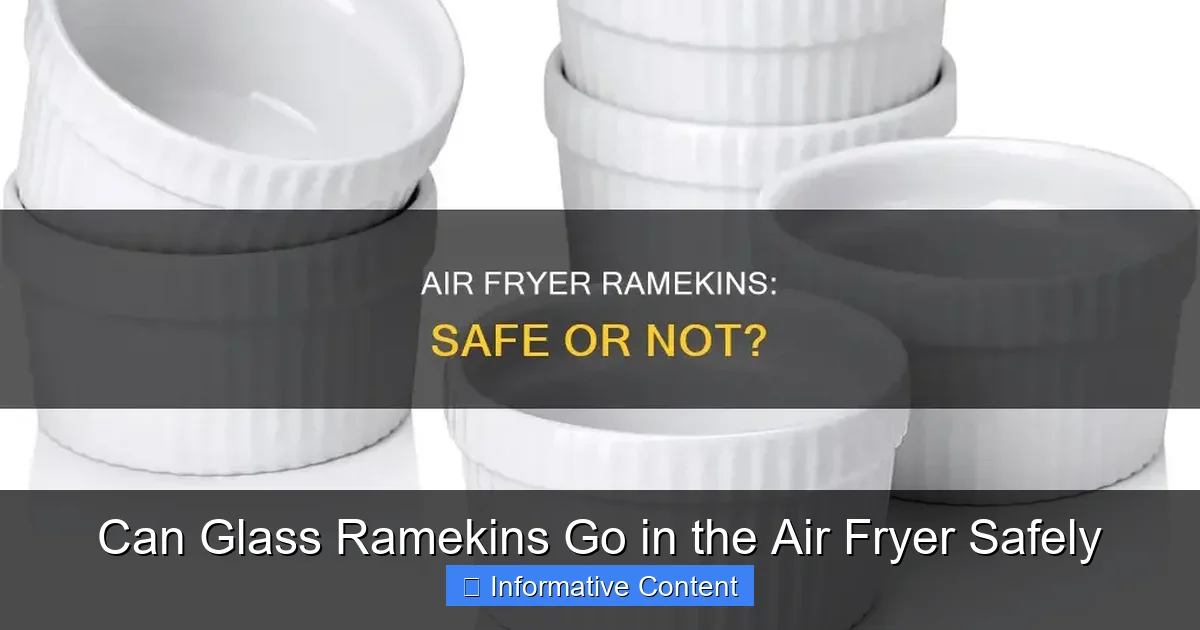
Featured image for can glass ramekins go in the air fryer
Image source: cycookery.com
Yes, glass ramekins can go in the air fryer safely—as long as they are made of oven-safe, tempered glass and free of cracks or damage. Always check the manufacturer’s guidelines and avoid sudden temperature changes to prevent shattering. With proper use, they’re perfect for baking, reheating, and serving in compact air fryer cooking.
Key Takeaways
- Check for oven-safe labels to ensure ramekins can handle air fryer heat safely.
- Avoid thermal shock by preheating ramekins before adding hot ingredients.
- Use tempered glass for better heat resistance and durability in air fryers.
- Monitor cooking closely to prevent overheating and potential cracking.
- Keep ramekins centered for even airflow and consistent cooking results.
- Avoid drastic temperature changes to extend ramekin lifespan and prevent breakage.
📑 Table of Contents
- Can Glass Ramekins Go in the Air Fryer Safely?
- Understanding Glass Ramekins: What Makes Them Air Fryer-Friendly?
- Why the Air Fryer Is Different from a Conventional Oven
- How to Safely Use Glass Ramekins in the Air Fryer
- Common Mistakes and How to Avoid Them
- Alternatives to Glass Ramekins (And When to Use Them)
- Data Table: Glass Ramekin Safety by Brand and Type
- Final Thoughts: Yes, But Do It Right
Can Glass Ramekins Go in the Air Fryer Safely?
Let’s be honest: the air fryer is one of those kitchen gadgets that feels like magic. It crisps up fries, roasts veggies, and even bakes desserts with little to no oil. But as we experiment with this wonder appliance, we start asking the real questions—like, *can glass ramekins go in the air fryer*? Maybe you’ve pulled out your favorite set of ramekins to make individual crème brûlées or mini frittatas, only to pause and wonder: “Is this a good idea?”
You’re not alone. I’ve been there—holding a glass ramekin in one hand and my air fryer basket in the other, wondering if I’m about to create a kitchen disaster. The short answer? Yes, glass ramekins can go in the air fryer—but only if they’re oven-safe and you follow a few key safety tips. This isn’t just about convenience; it’s about avoiding cracked glass, ruined meals, and potentially dangerous situations. In this guide, we’ll explore everything you need to know to use glass ramekins in your air fryer safely, confidently, and deliciously.
Understanding Glass Ramekins: What Makes Them Air Fryer-Friendly?
Types of Glass Used in Ramekins
Not all glass is created equal, especially when it comes to heat. The type of glass your ramekins are made from plays a huge role in whether they can handle the intense, rapid heating of an air fryer.
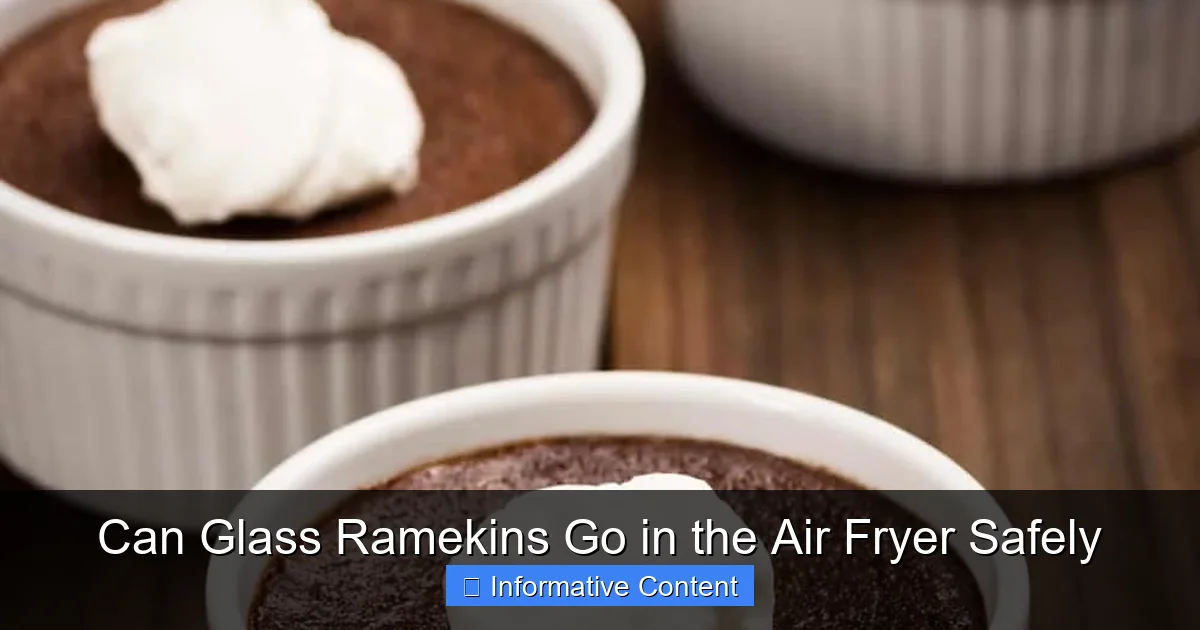
Visual guide about can glass ramekins go in the air fryer
Image source: kitchenseer.com
- Tempered glass (also called borosilicate): This is the gold standard. It’s designed to withstand thermal shock—sudden changes in temperature. Brands like Pyrex (especially older versions) and Anchor Hocking use borosilicate or similar tempered glass. These are your safest bet.
- Soda-lime glass: This is common in cheaper or decorative ramekins. It’s more prone to cracking under rapid temperature changes. While it can handle oven use, it’s riskier in an air fryer due to the concentrated heat.
- Heat-resistant ceramic with glass coating: Some ramekins are ceramic but labeled “glass-like.” Check the base—if it says “oven-safe” and lists a temperature (e.g., 450°F), it might be safe, but proceed with caution.
I once used a cute, colorful ramekin from a flea market—looked like glass, but it cracked in seconds when I preheated it. Lesson learned: always check the material and labeling.
How to Tell If Your Ramekins Are Oven-Safe
Before even thinking about the air fryer, confirm your ramekins are oven-safe. Here’s how:
- Check the bottom: Look for a stamp or label like “Oven Safe,” “Heat Resistant,” or a temperature rating (e.g., “Up to 450°F”).
- Manufacturer’s website: If the label is faded, search the brand and model online. Most reputable brands list oven and microwave safety.
- Avoid decorative or hand-painted pieces: These often have glazes that can crack or leach chemicals when heated.
- When in doubt, test it: Place an empty ramekin in a cold oven, heat to 350°F, and let it sit for 10 minutes. Remove with oven mitts. If it’s cool to the touch on the outside and no cracks appear, it’s likely safe.
Pro tip: If your ramekins came with a set and have no markings, assume they’re not air fryer-safe unless proven otherwise.
Why the Air Fryer Is Different from a Conventional Oven
Heat Distribution and Airflow
The air fryer uses a high-powered fan to circulate superheated air around food. This creates a crisp exterior in minutes—but it also means the heat is more intense and direct than a conventional oven. Glass ramekins are exposed to rapid temperature shifts from all sides, not just from the bottom and ambient air.
In a regular oven, heat rises slowly and evenly. In an air fryer, it’s like a mini wind tunnel of hot air. This is great for crisping chicken wings, but it can stress glass that isn’t designed for such rapid convection.
Size and Fit Matter
Most air fryers have a compact basket (typically 3–6 quarts). A standard ramekin is 3–4 inches wide. If it’s too close to the heating element or the basket walls, it can:
- Overheat on one side, causing uneven cooking or cracking.
- Block airflow, leading to longer cook times or undercooked food.
- Touch the heating coil (in some models), which can exceed 500°F—way beyond most glass safety limits.
I tried using a 4-inch ramekin in my 4-quart air fryer once. It fit, but it was *right* up against the back wall. After 12 minutes at 375°F, the back side cracked. The front was fine. That taught me to always leave at least 1 inch of space around the ramekin for airflow.
Temperature Fluctuations
Air fryers cycle the heating element on and off to maintain temperature. This causes rapid heating and cooling cycles. While metal pans handle this well, glass can struggle—especially if it’s not tempered. Think of it like running hot water over a cold glass bottle: thermal shock.
Rule of thumb: If your ramekin can’t handle a 200°F temperature swing in under a minute, it’s not air fryer-safe.
How to Safely Use Glass Ramekins in the Air Fryer
Step-by-Step Safety Checklist
Before you press “start,” go through this checklist:
- Verify oven-safe status: No label? No go.
- Check for cracks or chips: Even tiny flaws can expand under heat.
- Room temperature only: Never place a cold ramekin into a preheated air fryer. Let it come to room temp first.
- Preheat with the basket: Place the empty ramekin in the cold basket, then preheat the air fryer for 2–3 minutes. This reduces thermal shock.
- Leave space: Ensure at least 1 inch of clearance on all sides.
- Use oven mitts: Glass retains heat. Never touch a ramekin right out of the air fryer—it’s way hotter than it looks.
Best Practices for Cooking
Once you’ve confirmed safety, here’s how to cook like a pro:
- Start low and slow: Begin with 325°F for 5 minutes, then increase if needed. This lets the glass adjust gradually.
- Use a trivet or rack: If your air fryer has a rack, place the ramekin on it to improve airflow. No rack? Try a heat-safe silicone trivet.
- Avoid sudden temperature changes: Don’t place a hot ramekin on a cold countertop or in water. Let it cool on a wooden board or trivet.
- Grease lightly: Even with non-stick ramekins, a light oil spray helps prevent food from sticking and reduces friction during expansion.
- Don’t stack: Air fryers need airflow. Stacking ramekins blocks heat and increases cracking risk.
One of my favorite uses: individual baked eggs with cheese and herbs. I preheat the air fryer with the ramekins inside, add eggs and cheese, and cook at 325°F for 8–10 minutes. Perfectly set, no cracking—because I followed the rules.
What Foods Work Best?
Not all dishes are ideal. Here’s what to cook—and what to avoid:
Great for air fryer ramekins:
- Mini quiches or frittatas
- Individual soufflés
- Baked eggs or shakshuka
- Crème brûlée (use the broil function for the sugar top)
- Mini lasagna or mac and cheese
- Dessert pots (pudding, flan, etc.)
Use caution with:
- Dishes with high sugar content (caramel, syrup)—they can overheat and burn.
- Very wet batters (like pancake batter)—they may steam the glass unevenly.
- Frozen or refrigerated fillings—let them thaw first to avoid thermal shock.
Common Mistakes and How to Avoid Them
Putting Cold Ramekins in a Hot Air Fryer
This is the #1 cause of cracked glass. I’ve done it twice—once with a ramekin straight from the dishwasher. The result? A loud *pop* and a shattered dish. The fix? Always let ramekins reach room temperature. If they’re cold, place them in the air fryer basket while it’s off, then preheat together.
Ignoring the “Oven-Safe” Label
I know—those vintage ramekins are adorable. But if they’re not labeled oven-safe, assume they’re not. I tried using a set from my grandmother once. They looked like Pyrex, but they cracked within minutes. The lesson: nostalgia isn’t worth a kitchen hazard.
Overcrowding the Basket
Fitting three ramekins in a small basket might seem efficient, but it blocks airflow. The ones in the middle cook slower, and the ones near the walls overheat. I learned this when my mini cheesecakes came out lopsided. Now, I cook one at a time—or use a larger air fryer.
Using the Broil Function Incorrectly
Some air fryers have a “broil” or “crisp” setting that uses intense top heat. This can scorch the top of your dish and overheat the ramekin. For crème brûlée, I use the regular air fry setting for the custard, then use a kitchen torch to caramelize the sugar—much safer.
Not Monitoring the First Use
Always watch your ramekins during their first air fryer run. Look for signs of stress: tiny cracks, discoloration, or a “pinging” sound (glass expanding). If you see anything odd, turn off the air fryer immediately.
Alternatives to Glass Ramekins (And When to Use Them)
Metal Ramekins or Muffin Tins
Stainless steel or aluminum ramekins are excellent air fryer choices. They heat evenly, don’t crack, and conduct heat better than glass. A 6-cup mini muffin tin is perfect for individual portions and fits most air fryers.
Pros:
- No thermal shock risk
- Faster cooking
- More durable
Cons:
- Can’t see through them (harder to monitor doneness)
- May stick without greasing
Silicone Cups
Flexible, non-stick, and heat-resistant up to 450°F, silicone cups are a fantastic alternative. I use them for egg bites and mini quiches. They pop out easily and clean up in seconds.
Pros:
- No cracking or breaking
- Easy to release food
- Great for kids’ meals
Cons:
- Can absorb odors if not cleaned well
- May not brown food as well as metal or glass
Ceramic Ramekins
High-quality ceramic ramekins (like those from Le Creuset or Emile Henry) are oven-safe and air fryer-friendly. They’re thicker than glass, so they heat more slowly but evenly.
Pros:
- Excellent heat retention
- Beautiful presentation
- Safe for broiling
Cons:
- Heavier and more expensive
- Can chip if dropped
When to Stick with Glass
Glass ramekins are still great for:
- Dishes where visual appeal matters (e.g., layered desserts)
- Monitoring doneness (you can see the sides)
- Recipes that need even, gentle heat (like custards)
If you’re making a vanilla custard, glass is ideal. For mini meatloaves, go with metal.
Data Table: Glass Ramekin Safety by Brand and Type
| Brand/Type | Material | Max Safe Temp | Air Fryer Safe? | Notes |
|---|---|---|---|---|
| Pyrex (borosilicate) | Tempered glass | 450°F (232°C) | Yes, with preheating | Older Pyrex is safer than newer soda-lime versions |
| Anchor Hocking | Tempered glass | 425°F (218°C) | Yes | Check for “Oven Safe” stamp |
| Libbey | Soda-lime glass | 350°F (177°C) | Use with caution | Risk of cracking; preheat slowly |
| Le Creuset Ceramic | Ceramic | 500°F (260°C) | Yes | Excellent for air frying; heavy-duty |
| Silicone (various) | Food-grade silicone | 450°F (232°C) | Yes | No thermal shock; best for sticky foods |
| Decorative/Hand-Painted | Unknown | Unknown | No | Not safe; glaze may leach chemicals |
Important: Always check your specific model. This table is a general guide.
Final Thoughts: Yes, But Do It Right
So, can glass ramekins go in the air fryer? Absolutely—but only if they’re oven-safe, properly preheated, and used with care. The air fryer’s intense heat and rapid cycles demand respect. A little caution goes a long way in avoiding shattered glass and ruined meals.
Think of it like driving a sports car: powerful, efficient, but you need to handle it right. Use tempered glass, preheat with the basket, leave space for airflow, and never rush the process. And if you’re unsure? Reach for metal or silicone instead. They’re safer, more durable, and just as delicious.
From mini quiches to crème brûlée, glass ramekins can be your air fryer’s best friend—if you treat them right. I’ve made dozens of meals this way, and with these tips, you can too. Just remember: the goal isn’t just to cook—it’s to cook safely, confidently, and with a little joy in the kitchen.
Happy air frying!
Frequently Asked Questions
Can glass ramekins go in the air fryer safely?
Yes, most tempered glass ramekins can go in the air fryer if they’re labeled oven-safe up to the temperature you’re using. Avoid sudden temperature changes to prevent cracking.
Are all glass ramekins air fryer-safe?
Not all glass ramekins are safe—check for an oven-safe or heat-resistant label, and avoid using ones with metal trim or cracks. When in doubt, opt for borosilicate glass, which handles thermal shock better.
What temperature can glass ramekins withstand in an air fryer?
Most oven-safe glass ramekins handle temperatures up to 400°F (200°C), which is typical for air fryers. Always verify the manufacturer’s guidelines to ensure your ramekins won’t shatter.
Can I preheat glass ramekins in the air fryer before adding batter?
It’s best not to preheat empty glass ramekins in the air fryer, as sudden heat exposure can cause breakage. Instead, add your mixture first, then start cooking.
Do glass ramekins cook food differently in an air fryer?
Glass ramekins distribute heat evenly in the air fryer, but they may slow cooking slightly compared to metal. Adjust cook time by a few minutes and monitor food for doneness.
Can I use glass ramekins for air fryer desserts like soufflés or crumbles?
Yes, glass ramekins work well for air fryer desserts due to their even heat distribution. Just ensure they’re oven-safe and avoid overcrowding the air fryer basket.