
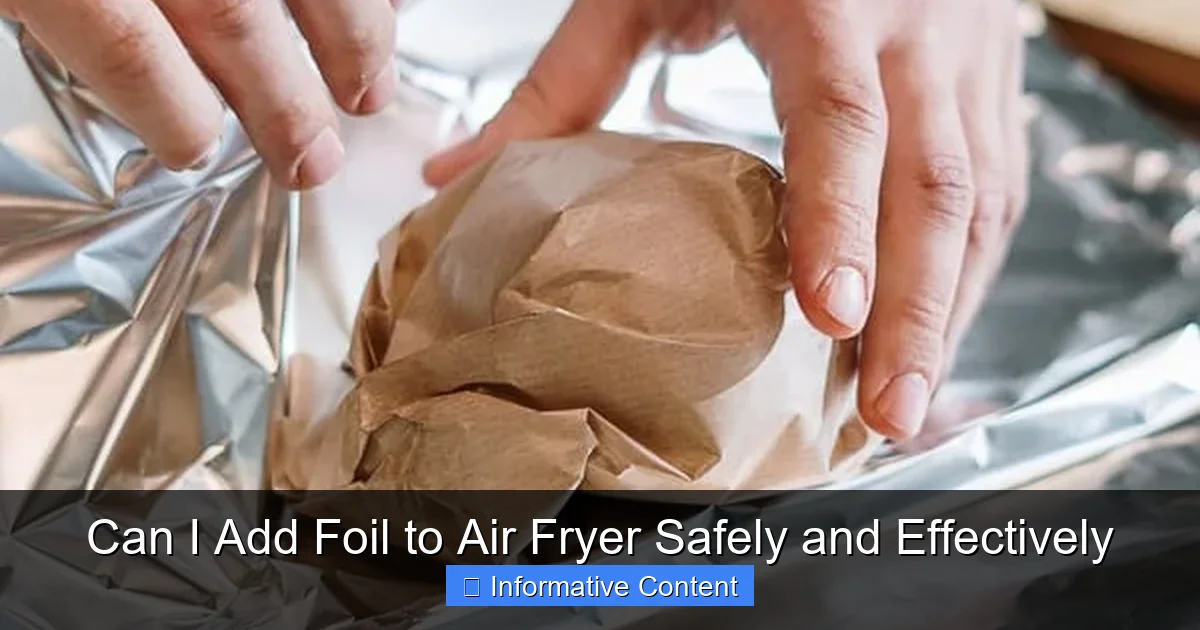
Featured image for can i add foil to air fryer
Image source: airfryereats.com
Yes, you can safely add foil to your air fryer—but only when used correctly to avoid blocking airflow or causing hazards. Always mold the foil loosely around food or use it in the basket’s base, ensuring it doesn’t touch the heating element or impede circulation for even cooking.
Key Takeaways
- Use foil sparingly: Avoid blocking airflow for even cooking.
- Never cover the basket: Prevents damage and fire hazards.
- Secure edges tightly: Prevents foil from flying into heating elements.
- Opt for parchment paper: Safer alternative for non-stick cooking.
- Check food placement: Ensure foil doesn’t touch heating coils.
- Clean thoroughly after: Remove foil debris to avoid future risks.
📑 Table of Contents
- Can I Add Foil to Air Fryer? A Practical Guide to Safety and Success
- How Air Fryers Work and Why Foil Use Matters
- Is Aluminum Foil Safe in Air Fryers?
- Best Ways to Use Foil in Your Air Fryer
- What to Avoid: Common Foil Mistakes
- Alternatives to Foil: When to Use Something Else
- Quick Reference: Foil Use by Food Type
- Final Thoughts: Foil Is a Tool—Not a Shortcut
Can I Add Foil to Air Fryer? A Practical Guide to Safety and Success
So, you’ve got your air fryer humming, and you’re ready to whip up something crispy, golden, and delicious. But as you reach for the aluminum foil to line the basket or wrap your food, a nagging thought pops up: Can I add foil to an air fryer safely? It’s a question I asked myself years ago when I first started using my air fryer. I’d seen people do it online, but I also read horror stories about smoke, melted foil, and even damaged machines. I didn’t want to risk my appliance—or worse, my kitchen.
If you’re standing in your kitchen right now, foil in hand, wondering the same thing, you’re not alone. The short answer? Yes, you *can* use aluminum foil in an air fryer—but only if you do it the right way. The key is understanding how air fryers work, what types of foil are safe, and how to avoid common mistakes that could lead to frustration (or a kitchen fire). In this guide, I’ll walk you through everything I’ve learned from years of testing, experimenting, and yes—learning from a few mistakes along the way. Whether you’re cooking delicate fish, sticky ribs, or just trying to keep cleanup simple, this guide will help you use foil in your air fryer safely and effectively.
How Air Fryers Work and Why Foil Use Matters
The Science Behind Air Frying
Before we dive into foil, let’s take a quick look at how air fryers work. Unlike traditional ovens or deep fryers, air fryers use rapid air technology. A powerful heating element warms the air, and a high-speed fan circulates it around the food at high velocity. This creates a convection effect, giving food that crispy, golden exterior—without the need for submerging it in oil.
Visual guide about can i add foil to air fryer
Image source: mydaintykitchen.com
Think of it like a mini convection oven, but with way better airflow. The food sits in a perforated basket, which allows hot air to flow through and around it evenly. This is why air-fried food gets so crispy—air is constantly hitting all sides of the food.
Why Foil Can Disrupt Airflow
Here’s the catch: aluminum foil blocks airflow. If you cover the entire basket or wrap food too tightly, you’re essentially turning your air fryer into a mini oven. The hot air can’t circulate properly, which means:
- Food may cook unevenly (crispy on top, soggy on the bottom)
- Cooking time increases
- The crispy texture you love might not develop
- Excess moisture gets trapped, leading to steamed food instead of air-fried
I learned this the hard way when I wrapped a whole chicken in foil and ended up with a rubbery, undercooked bird. Not my proudest moment.
When Foil Is Actually Helpful
Despite the risks, foil isn’t the enemy. In fact, it can be a huge help in certain situations. For example:
- Preventing small pieces from falling through the basket (like chopped potatoes or green beans)
- Keeping sticky marinades or sauces from making a mess (think honey-glazed chicken or BBQ ribs)
- Protecting delicate foods from drying out (like salmon or tofu)
- Easing cleanup after cooking messy foods (bacon, cheese-stuffed mushrooms, etc.)
So yes—foil has its place. But it’s all about using it strategically, not covering the entire basket like you would in a regular oven.
Is Aluminum Foil Safe in Air Fryers?
Yes, But Only If Used Correctly
Let’s get this out of the way: aluminum foil is safe in most air fryers, but only when used properly. The concern isn’t the foil itself—it’s how you use it. Most air fryers are designed with metal baskets and heating elements that can handle the heat from foil. However, there are a few safety risks if you’re not careful.
Common Safety Risks and How to Avoid Them
- Foil touching the heating element: This is the #1 danger. If loose foil or a crumpled ball touches the heating coil, it can spark, smoke, or even catch fire. Always make sure the foil is securely tucked into the basket and doesn’t dangle near the top.
- Blocking airflow: As we discussed earlier, covering too much of the basket blocks airflow. The air fryer may overheat, triggering a safety shutoff or damaging the motor. Always leave at least 70–80% of the basket exposed.
- Using non-food-grade foil: Some cheap foils have coatings or impurities. Stick with trusted brands labeled “food-safe” or “kitchen foil.”
- Overheating due to poor ventilation: If the foil traps too much steam, pressure can build up. This is especially risky with sealed packets (like foil pouches). Use caution and never fully seal food unless the recipe specifically calls for it.
What the Manufacturers Say
I checked the manuals for popular air fryer brands like Philips, Ninja, Cosori, and Instant Vortex. Most state that aluminum foil is safe when used properly, but they all emphasize:
- Never let foil touch the heating element
- Do not cover the entire basket
- Use only small pieces to line the bottom or wrap individual items
- Do not use foil in models with non-stick coatings unless specified
One user on a cooking forum told me their Philips air fryer manual actually includes a photo showing how to safely line the basket with foil—proving that the brand supports it when done right.
Best Ways to Use Foil in Your Air Fryer
1. Lining the Bottom of the Basket (With Gaps)
This is my go-to method for sticky or messy foods. I take a small piece of foil—just big enough to cover the center of the basket—and crinkle it slightly so it fits snugly. Then, I leave the edges and sides uncovered to let air flow.
Example: When I cook honey garlic chicken wings, the glaze is sticky and drips down. By lining the center with foil, I catch the drips without sacrificing airflow. After cooking, I just lift out the foil—no scrubbing!
Tip: Use a piece about 3–4 inches wide. If it’s too big, fold the edges up slightly to create a shallow tray, but don’t let it touch the heating element.
2. Wrapping Individual Items
Perfect for foods that tend to dry out or need gentle steaming. I often use this for salmon fillets or vegetables in sauce.
To do it right:
- Place the food on a small square of foil
- Add seasonings, a little oil, or sauce
- Fold the foil loosely into a packet—don’t seal it completely. Leave a small gap for steam to escape
- Place the packet in the basket, seam-side up
This method keeps the fish moist and flavorful, and the foil prevents the sauce from dripping everywhere. I tried this with lemon-herb salmon last week, and it came out perfectly flaky.
3. Creating a “Tray” for Small Foods
Chopped potatoes, green beans, or broccoli florets can fall through the basket holes. Instead of using a silicone liner (which I also love), I sometimes use a foil tray.
How to: Cut a piece of foil slightly larger than the basket. Press it into the bottom, then use a fork or skewer to poke holes every inch or so. This lets air circulate while keeping small pieces contained.
Pro tip: Lightly coat the foil with cooking spray to prevent sticking.
4. Preventing Splatter from Sticky Foods
Foods like bacon, glazed ribs, or cheese-stuffed mushrooms can splatter oil or sauce all over the air fryer. A small piece of foil placed under or around these items helps catch the mess.
I use this trick when I cook maple-glazed bacon. I place a foil “trough” under the bacon strips to catch the drips. It’s not 100% foolproof, but it cuts cleanup time in half.
5. Using Foil with Accessories
Many air fryers come with racks, pans, or skewers. You can place a small piece of foil under a metal pan to catch drips, or wrap the base of a silicone muffin cup to prevent sticking.
For example, when I make mini quiches in silicone cups, I place a small foil “nest” under each one. It prevents the silicone from melting or warping and makes cleanup easier.
What to Avoid: Common Foil Mistakes
1. Covering the Entire Basket
This is the most common mistake. People think, “If a little foil is good, a lot must be better.” But covering the whole basket blocks airflow, leading to:
- Uneven cooking
- Longer cook times
- Risk of overheating
I once tried to line my entire basket with foil for a big batch of fries. The result? The fries in the center were undercooked, and the edges were burnt. Lesson learned.
2. Using Foil with Non-Stick Baskets (Unless Approved)
Some air fryer baskets have a non-stick coating. If you use foil, make sure it doesn’t scratch the surface. I’ve seen people use sharp-edged foil and end up with scratches that trap food and bacteria.
Solution: Use a silicone liner or parchment paper instead. Or, if your manual says it’s okay, use soft, smooth foil and avoid scraping it with utensils.
3. Creating Sealed Foil Packets
While foil packets work great in ovens or grills, they can be risky in air fryers. The high-speed air and confined space can cause pressure to build up.
If you *must* use a sealed packet, leave a small vent (like a corner unfolded) to let steam escape. Better yet, use the “loose packet” method I described earlier.
4. Using Foil with High-Sugar or Acidic Foods
Foods high in sugar (like BBQ sauce) or acid (like tomato-based marinades) can react with aluminum foil, causing a metallic taste or discoloration.
Fix: Use parchment paper for these recipes, or place a layer of parchment between the food and foil.
5. Forgetting to Preheat
When you add foil, it acts like a heat sink. If you don’t preheat the air fryer, the foil will absorb heat, slowing down the cooking process.
Always preheat for 3–5 minutes before adding your food—even if you’re using foil.
Alternatives to Foil: When to Use Something Else
Silicone Liners
These reusable, non-stick mats are my favorite alternative. They’re perfect for sticky foods, small pieces, or when you want zero cleanup. They don’t block airflow as much as foil and are safe for all air fryers.
Best for: Baked goods, sticky sauces, small vegetables.
Parchment Paper
Great for wrapping fish, lining the basket, or preventing sticking. Unlike foil, parchment won’t conduct heat, so it’s safer for delicate foods.
Note: Don’t use parchment near the heating element—it can ignite. Always keep it at least 1–2 inches away from the top.
Silicone Molds and Cups
Ideal for portioned foods like egg bites, mini muffins, or stuffed mushrooms. They’re reusable, easy to clean, and don’t require foil.
Reusable Baking Sheets (Air Fryer-Safe)
Some brands make flexible silicone sheets designed for air fryers. They’re a great middle ground between foil and liners.
When to Skip Foil Altogether
- Cooking large, dry foods (like chicken breasts or steak)
- Using high-acid or high-sugar sauces
- Air fryer models with sensitive non-stick coatings
- When you want maximum crispiness (foil can trap moisture)
Quick Reference: Foil Use by Food Type
| Food Type | Can Use Foil? | Best Method | Tips |
|---|---|---|---|
| Chicken Wings | Yes | Line center of basket | Use for sticky glazes; leave sides open |
| Salmon Fillets | Yes | Loose foil packet | Add lemon, herbs; leave vent for steam |
| Chopped Vegetables | Yes | Foil tray with holes | Poke holes for airflow; coat with oil |
| Bacon | Yes | Foil trough under strips | Prevents splatter; easy cleanup |
| Cheese-Stuffed Mushrooms | Yes | Line basket center | Prevents cheese from melting through |
| BBQ Ribs | Yes | Line basket; wrap ends | Use foil to catch sauce drips |
| Tomato-Based Dishes | No (or use parchment) | Skip foil or layer parchment | Acid can react with foil |
| Large Steaks | No | None needed | Air fryer crisps well without foil |
Final Thoughts: Foil Is a Tool—Not a Shortcut
After years of using my air fryer, I’ve learned that foil isn’t something to fear—it’s a tool to use wisely. When I first started, I was afraid of making a mistake. But now, I see foil as just another way to make cooking easier, cleaner, and more enjoyable. The key is understanding your machine and respecting how it works.
Remember: air fryers rely on airflow. Foil can help, but it can also hurt—if you’re not careful. Use it in small amounts, never cover the entire basket, and always keep it away from the heating element. And if you’re ever unsure, check your air fryer’s manual. Most manufacturers have specific guidelines for foil use.
At the end of the day, the goal is to enjoy delicious, crispy food without the hassle. Whether you’re cooking for one or feeding a family, a little foil can go a long way—when used the right way. So go ahead, grab that roll, and cook with confidence. Just do it safely, and your air fryer (and your kitchen) will thank you.
Frequently Asked Questions
Can I add foil to an air fryer without damaging it?
Yes, you can add foil to an air fryer safely if used correctly. Avoid covering critical airflow areas like the heating element or basket vents to prevent damage or uneven cooking.
Is it safe to use aluminum foil in an air fryer?
Aluminum foil is safe in most air fryers, but ensure it’s secured and doesn’t touch the heating element. Poking small holes in the foil can help maintain proper airflow for even cooking.
How do I use foil in an air fryer effectively?
Line the basket’s bottom with foil (not the sides) to catch drips, or shape it into a sling for easy food removal. Always leave space around the edges for air circulation to avoid disrupting cooking performance.
Can I add foil to my air fryer for messy foods like chicken wings?
Yes, foil is great for containing splatters from greasy foods like wings or bacon. Just make sure the foil doesn’t block the basket’s airflow, which could lead to undercooked or soggy results.
Will adding foil to my air fryer affect cooking times?
Foil can slightly slow cooking by reducing direct heat exposure, so monitor food closely. Adjust time or temperature as needed, and flip items halfway for balanced results.
What are the risks of using foil in an air fryer?
Improper use—like blocking airflow or letting foil touch the heating element—can cause smoke, uneven cooking, or even damage. Always follow your air fryer manual’s guidelines for safe foil use.