
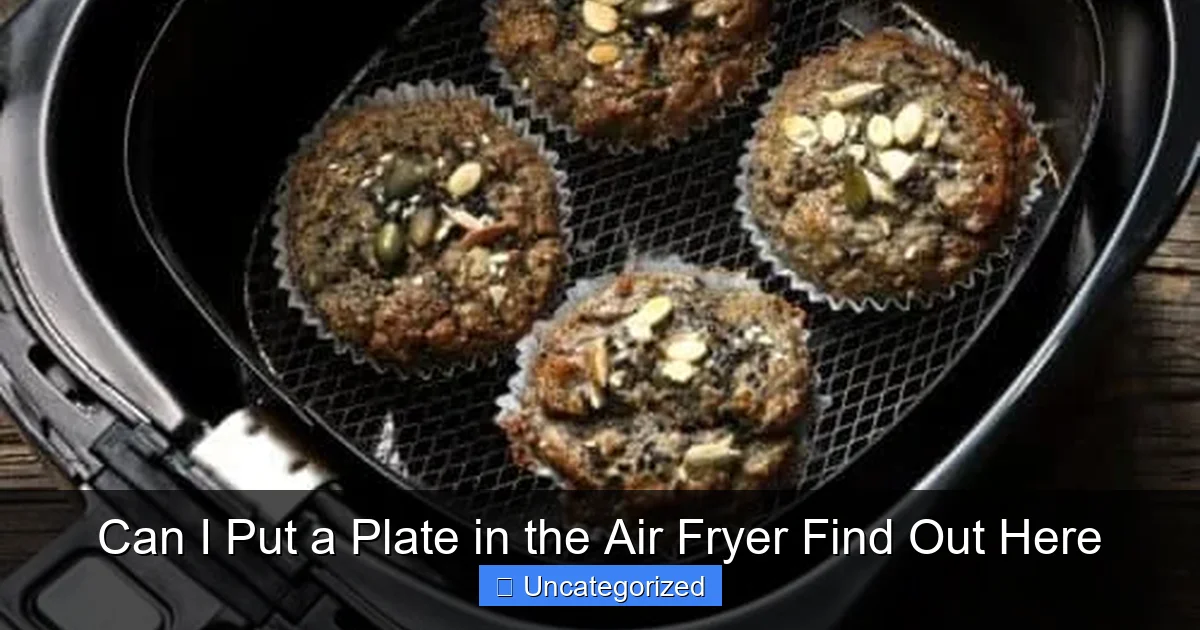
Featured image for can i put a plate in the air fryer
Image source: plattertalk.com
Yes, you can put a plate in the air fryer, but only if it’s heat-safe and fits securely without blocking airflow. Materials like ceramic, glass, or metal (non-plastic) work best, but always check your air fryer’s manual to avoid damage or hazards. Never use paper, plastic, or flammable plates—safety first!
Key Takeaways
- Only use oven-safe plates to avoid melting or cracking in the air fryer.
- Check plate material—ceramic, glass, and metal are generally safe choices.
- Avoid plastic or paper plates—they can melt or catch fire easily.
- Ensure proper airflow by not overcrowding the plate with food.
- Preheat the air fryer to prevent sudden temperature shocks to the plate.
- Monitor cooking closely to prevent overheating or damage to the plate.
📑 Table of Contents
- Can I Put a Plate in the Air Fryer? Find Out Here
- How Air Fryers Work: The Science Behind the Heat
- Safe Materials for Plates in the Air Fryer
- Materials to Avoid: What Not to Put in Your Air Fryer
- Practical Uses: When and How to Use Plates in Your Air Fryer
- Best Practices and Pro Tips for Using Plates in Air Fryers
- Data Table: Air Fryer Plate Compatibility Guide
- Conclusion: Making the Right Choice for Your Air Fryer
Can I Put a Plate in the Air Fryer? Find Out Here
Air fryers have revolutionized modern kitchens, offering a healthier, faster, and more convenient way to cook everything from crispy fries to succulent chicken wings. Their ability to mimic deep-frying using hot air and minimal oil has made them a staple in homes worldwide. However, as air fryer usage grows, so do the questions about what’s safe and effective to use inside these compact, powerful appliances. One of the most frequently asked questions is: Can I put a plate in the air fryer? The answer isn’t as simple as a yes or no—it depends on the type of plate, the material it’s made from, and how you plan to use it. Misunderstanding this can lead to damaged cookware, ruined meals, or even safety hazards.
Understanding what you can and cannot place in your air fryer is crucial for both performance and longevity of the appliance. While air fryers are designed to accommodate a wide range of cookware and food types, certain materials react poorly to the high heat and rapid air circulation. This blog post dives deep into the science, safety, and practicality of using plates in air fryers. We’ll explore which materials are safe, which should be avoided, and how to maximize efficiency while minimizing risks. Whether you’re reheating leftovers, baking a small casserole, or trying to avoid extra dishes, this guide will help you make informed decisions and get the most out of your air fryer.
How Air Fryers Work: The Science Behind the Heat
To understand whether a plate can go into an air fryer, it’s essential to first grasp how these appliances operate. Unlike conventional ovens that rely on radiant heat from heating elements, air fryers use a combination of convection heating and rapid air circulation. A heating element warms the air, while a powerful fan pushes the hot air around the food at high speeds. This process creates a crispy, golden exterior—similar to deep-frying—but with up to 80% less oil.
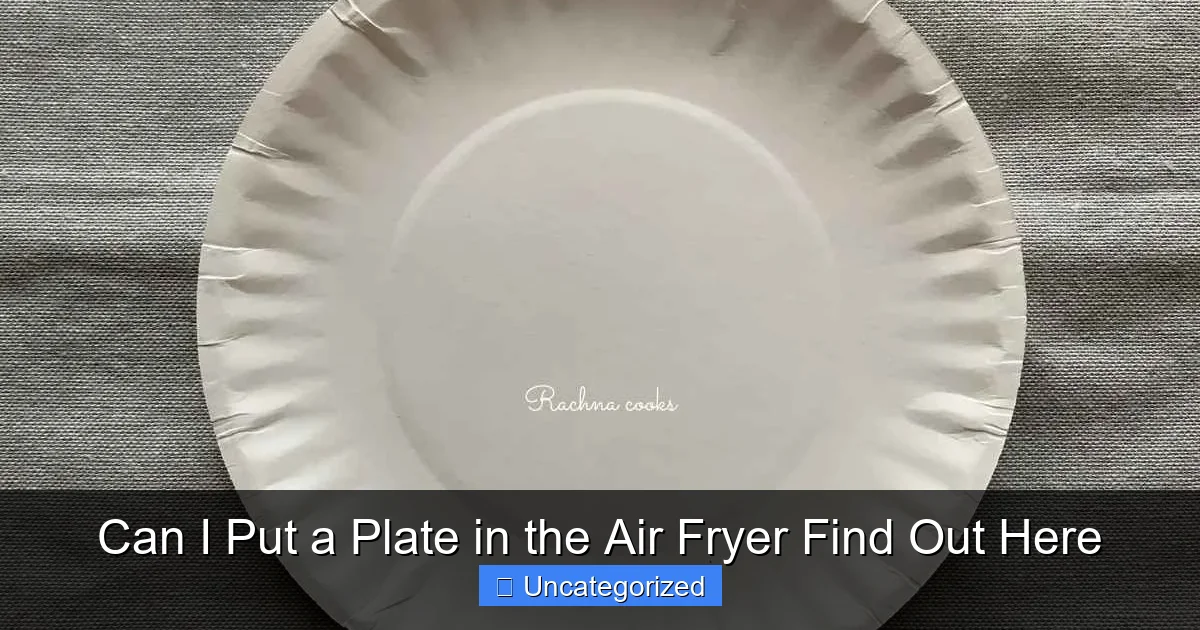
Visual guide about can i put a plate in the air fryer
Image source: rachnacooks.com
The Role of Airflow
Airflow is the cornerstone of air fryer performance. The basket or drawer is designed with perforations or a mesh base to allow hot air to circulate freely around the food. Any obstruction—like a solid, non-perforated plate that blocks airflow—can lead to uneven cooking, soggy results, or even overheating of the appliance. For example, placing a flat ceramic plate directly on the air fryer basket without elevation can trap steam and prevent the Maillard reaction, which is responsible for browning and crispiness.
Temperature Ranges and Heating Cycles
Most air fryers operate between 175°F and 400°F (80°C to 200°C), with some models reaching up to 450°F (230°C) on special modes. The heating cycle is rapid—air fryers can preheat in 2–3 minutes and cook food faster than traditional ovens due to the concentrated airflow. This high-intensity heat means that any object placed inside must be able to withstand sudden temperature changes and prolonged exposure to heat without cracking, warping, or releasing harmful substances.
Implications for Cookware
Because air fryers rely on consistent heat distribution, the materials you use must be both heat-resistant and airflow-friendly. A plate that traps heat or disrupts airflow can reduce cooking efficiency and increase energy consumption. Additionally, materials that expand or contract rapidly under heat (like some plastics or thin glass) are prone to cracking. Therefore, the suitability of a plate depends on its ability to coexist with the air fryer’s unique environment.
Safe Materials for Plates in the Air Fryer
Not all plates are created equal when it comes to air fryer compatibility. The key is to choose materials that are heat-resistant, non-reactive, and airflow-permeable. Here are the safest options:

Visual guide about can i put a plate in the air fryer
Image source: lovinghomecollection.com
Ceramic Plates
Ceramic is one of the most popular and safe materials for air fryer use. High-quality, oven-safe ceramic plates (such as those labeled “air fryer-safe” or “oven-to-table”) can withstand temperatures up to 450°F. Look for plates made from stoneware or porcelain, which are dense and less prone to thermal shock. For example, a ceramic pie plate can be used to bake mini quiches or reheat a slice of lasagna. Just ensure the plate has a slightly raised edge to prevent food from spilling and blocking airflow.
- Tip: Avoid ceramic plates with metallic trim or decorative glazes—these can spark or release toxins when heated.
- Example: The Lodge Cast Iron Skillet with Ceramic Coating is a hybrid option that combines even heat distribution with air fryer compatibility.
Oven-Safe Glass Plates
Glass plates labeled as “oven-safe” or “borosilicate” (e.g., Pyrex) are generally safe for air fryers. These materials can handle rapid temperature changes and high heat. However, they must be used with caution. Always preheat the air fryer before inserting the glass plate to minimize thermal shock. Never place a cold glass plate into a preheated air fryer—this can cause cracking.
- Tip: Use glass plates for reheating leftovers or baking casseroles, but ensure they fit without touching the heating element or fan.
- Example: A 7-inch square Pyrex dish works well for individual servings of mac and cheese.
Silicone Plates and Mats
Food-grade silicone is a versatile and safe option. It’s non-stick, flexible, and can withstand temperatures up to 425°F (220°C). Silicone plates or mats are ideal for baking cookies, roasting vegetables, or preventing food from sticking to the basket. Unlike rigid materials, silicone conforms to the air fryer’s shape and allows airflow through perforations.
- Tip: Choose thick, reinforced silicone mats (at least 2mm) to avoid warping.
- Example: The Silikids Silicone Air Fryer Mat is designed specifically for air fryers and includes drainage holes.
Perforated Metal Trays
Metal trays with holes or mesh designs (like those from air fryer accessory kits) are excellent for promoting airflow. Stainless steel or aluminum trays with perforations can be used to elevate food, allowing hot air to circulate underneath. These are ideal for cooking multiple items simultaneously or preventing delicate foods from falling through the basket.
- Tip: Avoid solid metal plates—they block airflow and can cause uneven cooking.
- Example: The Ninja Air Fryer Crisper Plate is a perforated stainless steel tray designed for even browning.
Materials to Avoid: What Not to Put in Your Air Fryer
While some materials are safe, others can be dangerous or ineffective in an air fryer. Here’s what to steer clear of:
Regular Dinner Plates (Non-Oven-Safe)
Everyday porcelain, stoneware, or ceramic plates not labeled “oven-safe” are a gamble. These may contain glazes with lead or cadmium, which can leach into food when heated. Additionally, non-oven-safe ceramics are more likely to crack or shatter due to thermal shock. For instance, a decorative plate from a restaurant or gift shop may look sturdy but isn’t designed for high-heat appliances.
Plastic Plates
Plastic is a definite no. Most plastics begin to melt or warp at temperatures above 250°F (120°C), well below the air fryer’s operating range. Even “heat-resistant” plastic containers (like takeout boxes) can release harmful chemicals like BPA or phthalates when exposed to high heat. Melting plastic can also damage the air fryer’s interior and create toxic fumes.
- Warning: Never use plastic containers, Tupperware, or disposable plates in an air fryer.
Paper Plates and Wax Paper
Paper products are flammable and should never be placed in an air fryer. Even if the paper doesn’t catch fire, it can ignite from sparks caused by static electricity or contact with the heating element. Wax paper, while sometimes used in ovens, can melt or smoke in an air fryer due to the intense, concentrated heat.
Metal with Non-Stick Coatings (Unless Specified)
Some metal plates or trays have non-stick coatings that aren’t rated for air fryer use. The high heat can degrade these coatings, causing them to flake into food. Always check the manufacturer’s instructions—only use non-stick metal cookware labeled as “air fryer-safe.”
Glass with Metal Trims or Lids
While glass itself is safe, metal components (like rims, handles, or lids) can cause arcing or sparking when exposed to the air fryer’s heating element. This can damage the appliance or create a fire hazard.
Thin or Low-Quality Cookware
Cheap or flimsy plates—regardless of material—are prone to warping, cracking, or breaking. Invest in high-quality, durable cookware designed for high-heat environments.
Practical Uses: When and How to Use Plates in Your Air Fryer
Now that you know which materials are safe, let’s explore practical scenarios where using a plate in your air fryer makes sense.
Reheating Leftovers
Reheating pizza, casseroles, or fried rice? A ceramic or glass plate is perfect. Place the food on the plate, insert it into the air fryer, and set to 350°F for 3–5 minutes. The plate prevents small pieces from falling through the basket and helps retain moisture. For example, reheating a slice of chicken parmesan on a ceramic plate ensures the cheese stays gooey and the breading stays crispy.
- Tip: Cover the plate with a perforated silicone lid to trap heat while allowing steam to escape.
Baking Small Dishes
Air fryers aren’t just for frying—they’re great for baking. Use a 6–8 inch ceramic or glass dish to make mini quiches, brownies, or even individual lasagna portions. The plate provides a stable base and prevents batter from seeping into the basket.
- Example: Bake a chocolate mug cake in a ramekin for a quick dessert.
- Tip: Line the dish with parchment paper (with holes punched for airflow) to prevent sticking.
Cooking Delicate Foods
Fish fillets, eggs, or tofu can be tricky to cook directly in the basket. A silicone mat or perforated tray elevates the food, allowing air to circulate while preventing breakage. For instance, cooking salmon on a silicone mat ensures even browning without the fish falling apart.
Using Accessory Kits
Many air fryer brands offer accessory kits with specialized plates, racks, and trays. These are designed to optimize airflow and fit perfectly in the appliance. For example, the Instant Vortex Plus Accessory Set includes a crisper plate, skewer rack, and baking pan—all safe for air frying.
Multi-Layer Cooking
Some air fryers support multi-layer cooking using stacking trays. These perforated metal or silicone trays let you cook multiple items simultaneously—like chicken wings on one level and veggies on another. Just ensure each tray has enough space for air to flow.
Best Practices and Pro Tips for Using Plates in Air Fryers
Using plates in your air fryer isn’t just about material safety—it’s also about technique. Follow these best practices to maximize efficiency and avoid mishaps.
Preheat the Air Fryer
Always preheat your air fryer for 3–5 minutes before inserting the plate. This ensures even cooking and reduces the risk of thermal shock, especially for glass or ceramic.
Elevate the Plate (When Needed)
If your plate is solid or blocks airflow, elevate it using a perforated trivet or stackable rack. This allows hot air to circulate underneath. For example, place a ceramic plate on a metal rack to reheat a casserole without steaming it.
Check for Proper Fit
Ensure the plate fits without touching the heating element or fan. Leave at least 1 inch of space around the edges. A plate that’s too large can block airflow; one that’s too small may tip over.
Use Parchment Paper or Liners
Line ceramic or glass plates with air fryer-safe parchment paper (with holes cut for airflow) to prevent sticking and simplify cleanup. Never use regular parchment—it can catch fire.
Monitor Cooking Time
Food in plates may cook slower than in the basket due to reduced airflow. Increase cooking time by 1–3 minutes and check frequently. For example, a casserole in a ceramic dish may need 12 minutes instead of 10.
Clean and Maintain Plates
After use, let plates cool before washing. Avoid thermal shock by not rinsing a hot plate with cold water. For non-stick silicone, hand-wash with mild soap. For ceramic or glass, use non-abrasive cleaners to prevent scratching.
Data Table: Air Fryer Plate Compatibility Guide
| Material | Max Safe Temp | Airflow-Friendly? | Best For | Risks |
|---|---|---|---|---|
| Ceramic (Oven-Safe) | 450°F (230°C) | Yes (with raised edges) | Baking, reheating | Thermal shock if not preheated |
| Glass (Borosilicate) | 450°F (230°C) | Yes (if perforated) | Casseroles, baking | Cracking from rapid temp changes |
| Silicone (Food-Grade) | 425°F (220°C) | Yes (with holes) | Delicate foods, baking | Warping if too thin |
| Stainless Steel (Perforated) | 500°F (260°C) | Yes | Elevating food, roasting | None (if properly designed) |
| Plastic | 250°F (120°C) | No | Never use | Melting, toxic fumes |
| Paper | 350°F (175°C) | No | Never use | Fire hazard |
Conclusion: Making the Right Choice for Your Air Fryer
So, can you put a plate in the air fryer? The answer is a cautious yes—but only if the plate is made from the right materials and used correctly. Ceramic, oven-safe glass, food-grade silicone, and perforated metal are all safe options when chosen and handled properly. These materials allow airflow, resist high heat, and enhance your cooking experience. On the other hand, plastic, paper, non-oven-safe ceramics, and low-quality cookware should be avoided to prevent damage, fire hazards, or health risks.
By understanding how air fryers work and following best practices—such as preheating, elevating plates, and using airflow-friendly designs—you can expand your air fryer’s capabilities beyond simple frying. Whether you’re reheating leftovers, baking desserts, or cooking delicate proteins, the right plate can make all the difference. Invest in high-quality, air fryer-safe cookware, read manufacturer guidelines, and never take shortcuts with unsafe materials. With this knowledge, you’ll not only protect your appliance but also unlock new culinary possibilities. So go ahead—experiment with confidence, and enjoy the crispy, healthy results that only an air fryer can deliver.
Frequently Asked Questions
Can I put a plate in the air fryer without damaging it?
Yes, you can put a plate in the air fryer, but only if it’s labeled as air fryer-safe, oven-safe, or heat-resistant up to 400°F (200°C). Avoid using plastic, paper, or thin ceramic plates, as they may melt, warp, or crack under high heat.
What type of plate can I safely use in an air fryer?
Opt for plates made of borosilicate glass, ceramic, or metal (like stainless steel) that are explicitly marked as oven-safe. These materials can withstand the air fryer’s high temperatures and won’t release harmful chemicals.
Is it safe to put a cold plate directly into a preheated air fryer?
No, avoid placing a cold plate into a preheated air fryer, as sudden temperature changes can cause thermal shock and crack the plate. Let the plate warm up gradually or preheat it alongside the air fryer.
Can I use a paper plate in the air fryer for quick meals?
Never use paper plates in the air fryer—they can catch fire or release toxic fumes due to the high heat. Stick to heat-resistant materials like silicone, metal, or tempered glass instead.
Will putting a plate in the air fryer affect cooking performance?
Using a plate can slightly alter airflow, so ensure it’s small enough to allow proper circulation. For best results, use perforated air fryer-safe plates or baskets designed for even heat distribution.
Are there any risks to putting a plate in the air fryer?
The main risks include plate cracking, melting, or releasing toxins if the material isn’t heat-safe. Always check manufacturer guidelines and avoid non-stick coatings that may degrade at high temperatures.