
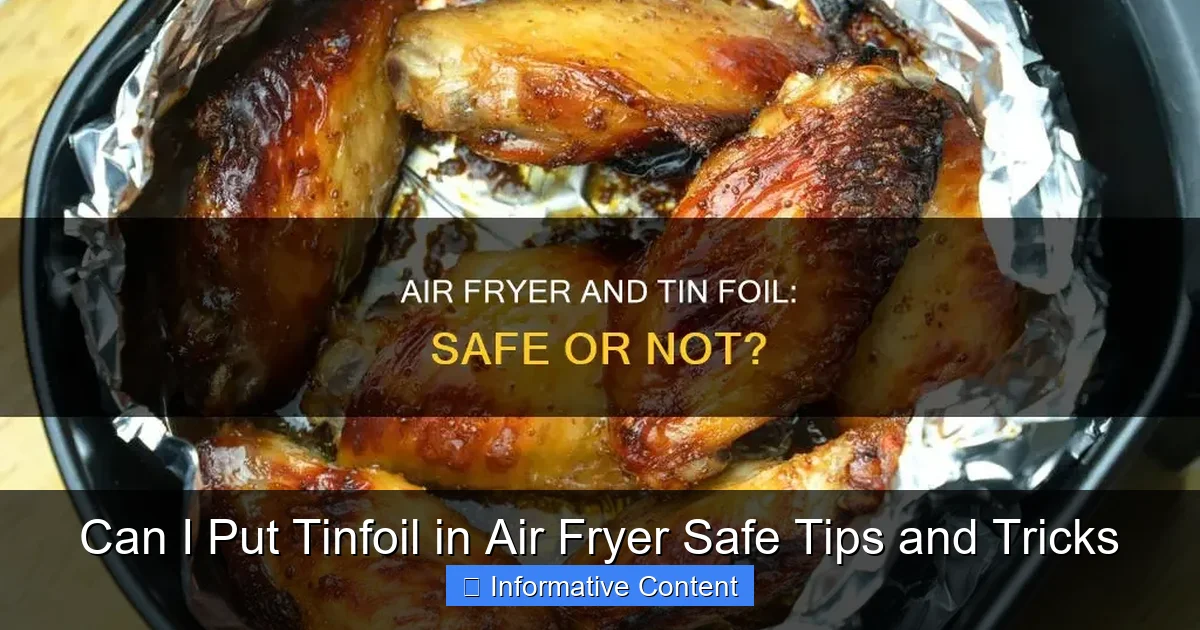
Featured image for can i put tinfoil in air fryer
Image source: cycookery.com
Yes, you can put tinfoil in an air fryer, but only when used correctly to avoid safety hazards. Always ensure the foil is weighed down by food and kept away from heating elements to prevent overheating or fire risks. Never let loose foil flutter near the top—this simple trick keeps your cooking safe and mess-free.
Key Takeaways
- Yes, you can use tinfoil in air fryers, but avoid covering the basket’s edges.
- Always preheat the air fryer before adding foil to prevent safety hazards.
- Never let foil touch heating elements to avoid sparks and potential fire risks.
- Use foil for easy cleanup by lining the basket, not blocking airflow.
- Check manufacturer guidelines to ensure foil use won’t void your warranty.
- Opt for parchment paper as a safer alternative for delicate foods.
📑 Table of Contents
- Can I Put Tinfoil in Air Fryer? Let’s Settle This Once and For All
- How Air Fryers Work (And Why Foil Matters)
- When It’s Safe to Use Tinfoil in Your Air Fryer
- When You Should Avoid Foil (And What to Use Instead)
- Foil vs. Other Liners: A Quick Comparison
- Expert Tips for Maximizing Air Fryer Performance with Foil
- Conclusion: Yes, You Can Use Foil—But Do It Right
Can I Put Tinfoil in Air Fryer? Let’s Settle This Once and For All
We’ve all been there—standing in front of our air fryer, a half-wrapped burrito in one hand and a crumpled sheet of tinfoil in the other, wondering: “Can I put tinfoil in the air fryer?” It seems like such a small question, but it opens up a whole world of cooking safety, efficiency, and kitchen myths. I’ve been guilty of tossing a piece of foil into the basket to catch drips or make cleanup easier, only to pull it out later with a slightly warped, charred edge. Was that a mistake? Or is it actually okay?
Air fryers have become a kitchen staple for their ability to deliver crispy, delicious food with little to no oil. But with great power comes great responsibility—especially when it comes to what you can and can’t put inside. The idea of using tinfoil (or aluminum foil) in an air fryer is tempting. It promises easier cleanup, better heat distribution, and protection for delicate foods. But the real question isn’t just *can* you—it’s *should* you? And if so, how do you do it safely without risking a fire, damaging your appliance, or altering your food’s taste? In this guide, I’ll walk you through everything I’ve learned—through trial, error, and a few slightly smoky kitchen moments—about using tinfoil in your air fryer. Whether you’re a first-time user or a seasoned air fryer pro, this is your go-to resource for safe, effective, and smart foil use.
How Air Fryers Work (And Why Foil Matters)
The Science Behind Air Frying
Before we dive into foil, it helps to understand how your air fryer actually works. Unlike traditional deep fryers, which submerge food in hot oil, air fryers use a powerful fan and a heating element to circulate hot air rapidly around the food. This process, called convection, creates a crispy outer layer while cooking the inside—think of it as a mini convection oven on your countertop.
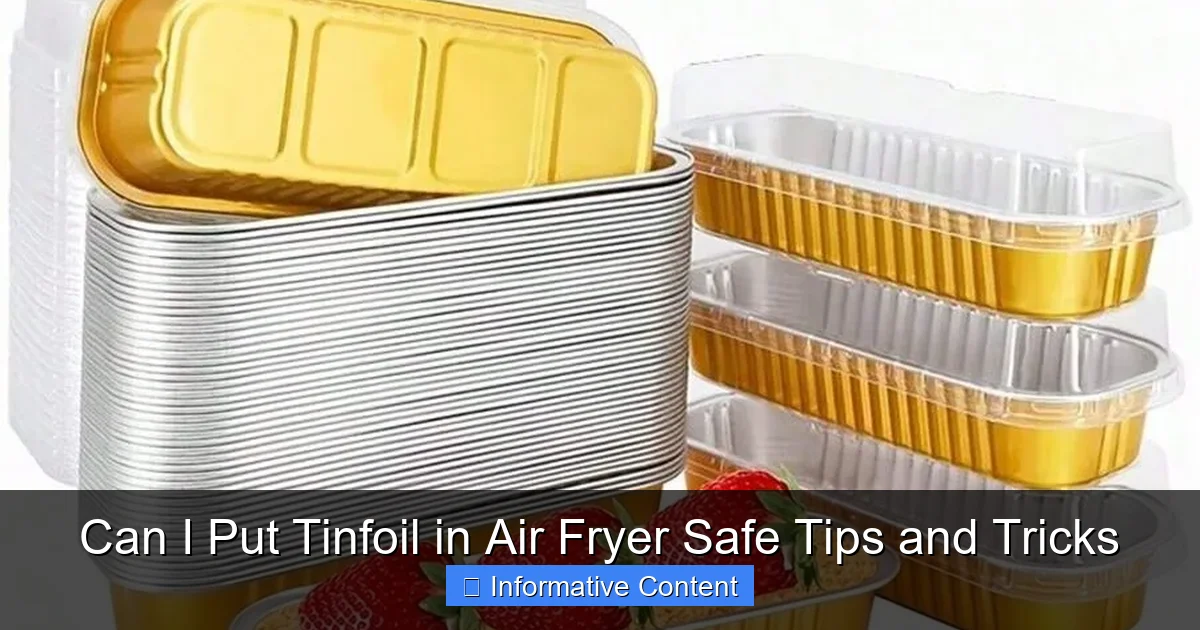
Visual guide about can i put tinfoil in air fryer
Image source: img.ltwebstatic.com
The key to great air frying is airflow. The basket is designed with perforations or ridges to allow hot air to move freely from all sides. When airflow is blocked or restricted, your food won’t cook evenly, and you might end up with soggy fries or a burnt exterior. That’s where foil comes into play—and why it’s a double-edged sword.
Why Foil Can Be Helpful (And Risky)
Aluminum foil is great for a few reasons: it’s heat-resistant, non-stick (to some extent), and excellent at catching drips. If you’re cooking something greasy—like chicken wings or bacon—foil can save you from scrubbing the basket afterward. It also helps prevent small food items from falling through the holes, like cherry tomatoes or chopped veggies.
But here’s the catch: foil is also a conductor of heat and electricity. In an environment with intense heat and fast-moving air, improper foil use can lead to:
- Restricted airflow, leading to uneven cooking
- Foil touching the heating element, causing sparks or smoke
- Static buildup or arcing (especially in older models)
- Food sticking or steaming instead of crisping
So while foil can be a helpful tool, it’s not a free pass to line the entire basket. The goal is to use it strategically, not recklessly.
Real-Life Example: My First Foil Fiasco
When I first got my air fryer, I was excited to cook everything—including a batch of marinated chicken thighs. I lined the basket with foil, thinking it would make cleanup easier. I didn’t leave enough space around the edges, and halfway through cooking, I noticed a faint burning smell. When I opened the drawer, I saw the foil had warped and was touching the heating element. No fire, thankfully, but the chicken was unevenly cooked and slightly metallic-tasting. Lesson learned: foil needs space to breathe.
When It’s Safe to Use Tinfoil in Your Air Fryer
Approved Use Cases
The good news? You can use tinfoil in your air fryer—but only in specific situations. Here are the most common and safe ways:
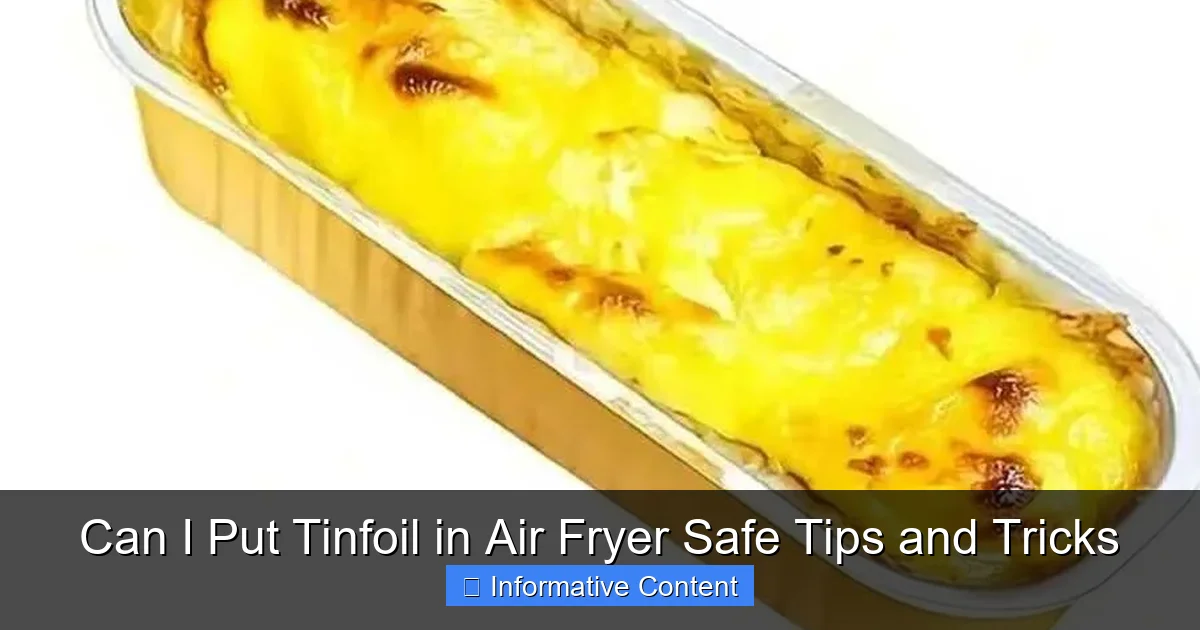
Visual guide about can i put tinfoil in air fryer
Image source: img.ltwebstatic.com
- Catching drips: Place a small piece of foil at the bottom of the basket to catch grease or sauce. This is especially useful for fatty meats like sausages or marinated chicken.
- Protecting delicate foods: Wrap fragile items like fish fillets or stuffed mushrooms in foil to prevent them from falling apart during cooking.
- Creating a barrier: Use foil to cover the bottom of the basket when cooking sticky or sugary foods (like glazed carrots or honey-roasted nuts) to prevent caramelized messes.
- Making a foil packet: Fold foil around ingredients like veggies, shrimp, or chicken breasts with herbs and oil. This “en papillote” method steams the food while still allowing some crisping.
How to Use Foil Safely: The Step-by-Step Guide
Follow these steps to avoid common pitfalls:
- Use only a small sheet: Cut the foil to fit the bottom of the basket, leaving at least 1 inch of space on all sides. Never cover the entire basket.
- Crinkle it slightly: A flat sheet can create a seal that traps steam. Lightly crinkle or fold the edges to allow airflow.
- Never let foil touch the heating element: The heating coil is usually at the top. Keep foil at least 1–2 inches below it.
- Secure with food: Place food on top of the foil so it doesn’t fly up during cooking. The weight of the food keeps it in place.
- Check halfway: Pause and inspect the foil. If it’s warping, smoking, or touching the top, remove it immediately.
What NOT to Do
- Don’t line the entire basket—this blocks airflow and can overheat the motor.
- Don’t use foil on the crisper plate or in the drip tray if it’s too close to the heating element.
- Don’t use foil with acidic foods (like tomatoes or citrus) for long periods—acid can react with aluminum, leaching into your food.
- Don’t reuse charred or melted foil. Toss it and start fresh.
Pro Tip: Try Parchment Paper Instead
If you’re nervous about foil, consider using air fryer-safe parchment paper. It’s pre-cut, non-stick, and allows airflow. Just make sure it’s labeled for high heat (up to 450°F/230°C) and doesn’t cover the entire basket. I keep a pack in my kitchen drawer for quick, mess-free cooking.
When You Should Avoid Foil (And What to Use Instead)
Foods That Don’t Play Nice with Foil
Not all recipes are foil-friendly. Here’s when to skip it:
- Foods that need maximum crispiness: Fries, onion rings, and breaded chicken rely on direct air contact. Foil will trap steam and make them soggy.
- High-moisture foods: Steaming veggies or reheating leftovers in foil can work, but they won’t get the signature air fryer crunch.
- Acidic marinades: Lemon juice, vinegar, or tomato-based sauces can react with aluminum, altering flavor and potentially leaching metal into your food (though the risk is low with short cooking times).
- Very small items: If you’re cooking tiny foods like popcorn or mini meatballs, foil can block airflow entirely. Use the basket as-is or try a silicone liner.
Alternative Solutions for Common Foil Problems
Instead of defaulting to foil, try these smarter alternatives:
- Silicone liners or mats: Reusable, non-stick, and designed for air fryers. They catch drips without blocking airflow.
- Oil or non-stick spray: Lightly coat the basket or food with avocado or coconut oil to prevent sticking.
- Elevate with a rack: Use the crisper plate or a silicone rack to lift food above drippings.
- Soak and scrub: Yes, it sounds old-school, but a quick soak in soapy water makes cleanup easy. Most air fryer baskets are dishwasher-safe!
My Go-To Cleanup Hack
After cooking greasy foods, I let the basket cool for 5 minutes, then fill it with hot, soapy water. While it soaks, I wipe down the exterior and tray. By the time I’m done, the stuck-on bits come off with a soft sponge. No foil, no hassle.
Foil vs. Other Liners: A Quick Comparison
How Foil Stacks Up
Here’s a breakdown of common air fryer liners, including foil:
| Type | Pros | Cons | Best For |
|---|---|---|---|
| Aluminum Foil | Heat-resistant, cheap, catches drips well | Blocks airflow if misused, can spark, not eco-friendly | Drippy meats, foil packets, short-term use |
| Parchment Paper | Non-stick, allows airflow, disposable | Not as heat-resistant as foil, can burn if too close to element | Delicate foods, baking, reheating |
| Silicone Liners | Reusable, non-stick, eco-friendly, easy cleanup | Can retain odors, not ideal for high-heat searing | Daily use, sticky foods, eco-conscious cooks |
| Reusable Silicone Mats | Dishwasher-safe, flexible, no waste | Can warp over time, may need replacement | Long-term use, frequent air frying |
Note: Always check your air fryer’s manual for approved liners. Some brands recommend against foil entirely.
When to Choose Each Option
- Use foil: For occasional drip-catching or wrapping small batches of food.
- Use parchment: When you want a clean, disposable option for delicate dishes.
- Use silicone: If you cook daily and want a sustainable, low-effort solution.
I keep all three in my kitchen. Foil for emergencies, parchment for baking, and silicone for my weekly meal prep.
Expert Tips for Maximizing Air Fryer Performance with Foil
Boost Flavor Without Compromising Safety
Want the benefits of foil without the risks? Try these tricks:
- Create a foil “boat”: Fold the edges up to catch drips but leave the sides open for airflow. This works great for saucy ribs or glazed tofu.
- Use foil to pre-cook: Wrap potatoes or sweet potatoes in foil and cook for 10 minutes before adding them to the basket. They’ll finish crisping up with direct air contact.
- Add herbs or citrus: Place lemon slices or rosemary under the foil to infuse flavor without direct contact.
Temperature and Time Adjustments
Foil can affect cooking times. Since it insulates food, you might need to:
- Increase cooking time by 2–5 minutes for foil-wrapped items.
- Reduce temperature by 25°F (15°C) if using a thick foil packet to prevent burning.
- Flip food halfway through to ensure even cooking.
For example, chicken breasts wrapped in foil might need 18–20 minutes at 375°F instead of 15 minutes at 400°F uncovered.
Maintenance Matters
Even with careful foil use, your air fryer needs regular upkeep:
- Wipe the heating element (when cool) with a dry cloth to remove foil residue.
- Check the fan for blockages—especially if you’ve used foil near the top.
- Replace the crisper plate or basket if it’s warped or damaged.
I clean mine once a week, even if I haven’t used foil. It keeps performance consistent and prevents smoke from old grease buildup.
Conclusion: Yes, You Can Use Foil—But Do It Right
So, can you put tinfoil in your air fryer? The answer is a cautious yes—but with rules. Foil is a useful tool for catching drips, protecting delicate foods, and simplifying cleanup. But it’s not a one-size-fits-all solution. Misused, it can block airflow, spark, or ruin your food’s texture.
Think of foil like a kitchen hack, not a shortcut. Use it sparingly, strategically, and always with airflow in mind. Pair it with smart alternatives like parchment paper or silicone liners, and you’ll get the best of both worlds: easy cleanup and perfectly crispy results.
At the end of the day, your air fryer is designed to work without foil in most cases. But when you do reach for that roll, remember my golden rules: keep it small, keep it away from the heating element, and keep airflow flowing. Whether you’re cooking a weeknight dinner or hosting a party, these tips will help you avoid smoke alarms and soggy snacks.
Now, go ahead—toss that foil in (safely) and enjoy your next air-fried creation. And if you ever doubt yourself? Just ask: “Is this helping airflow, or hurting it?” That simple question will keep your kitchen safe, your food delicious, and your air fryer happy for years to come.
Frequently Asked Questions
Can I put tinfoil in an air fryer safely?
Yes, you can put tinfoil in an air fryer, but ensure it doesn’t block airflow or touch the heating element. Always leave space around the foil for proper circulation.
Is it safe to use aluminum foil in an air fryer for all foods?
While tinfoil in an air fryer is generally safe for most foods, avoid using it with acidic ingredients like tomatoes or citrus, as they may react with the foil and affect flavor.
Can I use tinfoil to prevent food from sticking in my air fryer?
Yes, lining the basket with tinfoil can help prevent sticking, but don’t cover the entire basket—leave gaps for air to flow. Poke small holes if needed to improve circulation.
What are the risks of putting tinfoil in an air fryer?
Improper use of tinfoil in an air fryer can cause overheating, uneven cooking, or even fire if it touches the heating element. Always follow your air fryer’s manual guidelines.
How do I safely use tinfoil in an air fryer for mess-free cooking?
Shape the tinfoil to fit the basket without covering the edges, and weigh it down with food to prevent it from flying up. This method reduces mess while maintaining airflow.
Can I use parchment paper instead of tinfoil in an air fryer?
Parchment paper is a great alternative to tinfoil in an air fryer, especially for delicate foods. Just ensure it’s perforated or weighed down to avoid blocking airflow.