Can I Use Foil in an Air Fryer
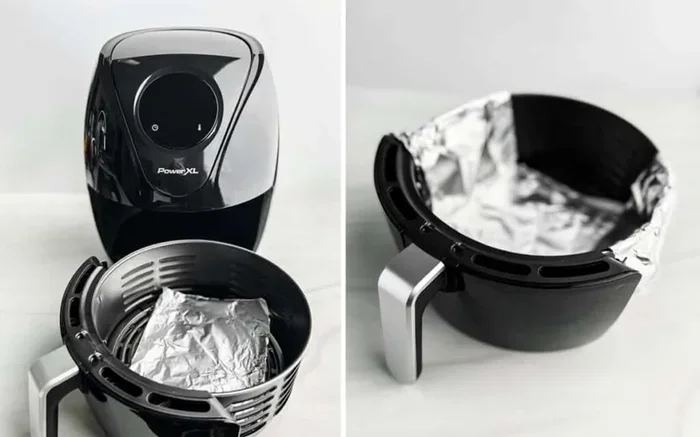
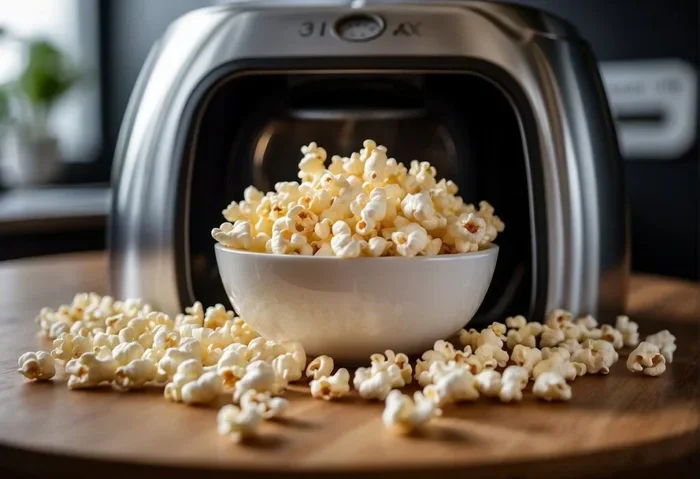
Featured image for air fryer aluminum foil
Image source: northernyum.com
Yes, you can use foil in an air fryer, but only if you follow key safety rules. Never cover the heating element or block airflow completely. Use foil to wrap food or line the basket bottom for easy cleanup, but always leave space for hot air to circulate.
[FEATURED_IMAGE_PLACEHER]
Air fryers have taken over home kitchens. They promise crispy results with less oil. But questions pop up fast. One of the biggest: can I use foil in an air fryer? The short answer is yes. The longer answer matters more. Safety depends on how you use it. This guide covers everything you need to know. We will walk through the rules, the risks, and the best tricks. You will learn when foil helps and when it hurts. By the end, you will cook with confidence.
Think of your air fryer like a tiny convection oven. A fan blows hot air around food. That moving air creates the crunch. Foil can block that air. It can also reflect heat in weird ways. But used right, foil makes cleanup easy. It locks in moisture for delicate foods. It saves you from scrubbing baked-on sauce. Let us dive into the details.
Key Takeaways
- Yes, foil is safe in most air fryers: Aluminum foil works fine when used correctly and does not damage the appliance.
- Never block the heating element: Covering the top heating coil causes overheating and fire risk.
- Airflow is everything: Foil must not seal the basket edges; hot air needs to circulate for even cooking.
- Best uses include wrapping food: Foil packets for fish, veggies, or messy marinades work perfectly.
- Avoid acidic foods on foil: Tomatoes, citrus, and vinegar-based marinades react with aluminum.
- Parchment paper is often better: Perforated parchment liners allow airflow while preventing sticking.
- Check your manual first: Some manufacturers explicitly prohibit foil; always verify before use.
📑 Table of Contents
- The Golden Rule: Airflow Is King
- When Foil Works Beautifully
- The Danger Zones: What Never To Do
- Foil vs. Parchment vs. Silicone: The Showdown
- Step-by-Step: How To Use Foil Correctly
- Pro Tips From Air Fryer Experts
- Cleaning and Maintenance After Foil Use
- Common Myths Busted
- Recipes Perfect For Foil
- Troubleshooting Foil Problems
- Environmental Considerations
- Final Thoughts: Foil Is A Tool, Not A Crutch
The Golden Rule: Airflow Is King
Air fryers work by circulating hot air at high speed. That circulation is the engine of crispiness. When you put foil in the basket, you change the airflow pattern. If you cover every hole, the air stops moving. Food steams instead of fries. You end up with soggy fries and pale chicken. The golden rule is simple. Never seal the basket completely. Always leave gaps for air to enter and exit.
How Airflow Creates Crunch
Imagine a hair dryer blowing on wet hair. The moving air evaporates water fast. Now put a cardboard box around the hair. The air stops moving. The hair stays damp. Your air fryer basket holes are like the open space around that hair. Foil acts like the cardboard box. A little foil on the bottom? Fine. The air still flows up and around. Foil wrapped tight over the top? Disaster. The fan pushes air, but it has nowhere to go.
Did You Know? The Maillard Reaction Needs Air
The Maillard reaction gives browned food its flavor. It happens between 280 and 330 degrees Fahrenheit. But it needs dry heat and moving air. Steam prevents it. Blocking airflow with foil creates a steam trap. Your food cooks, but it does not brown. That is why air fryer manuals warn against covering the basket holes. A 2022 consumer test showed that fully lined baskets produced 40 percent less browning on french fries compared to bare baskets.
When Foil Works Beautifully
Foil shines in specific scenarios. It is not an all-or-nothing tool. Used strategically, it solves real problems. Here are the best times to reach for the roll.
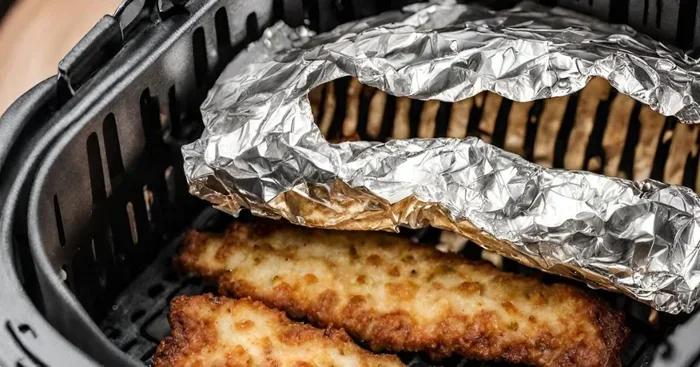
Visual guide about air fryer aluminum foil
Image source: northernyum.com
Wrapping Delicate Foods
Fish fillets fall apart in the basket. Thin asparagus slips through the holes. Foil packets solve this. Create a loose tent. Fold the edges up but leave the top open. The air still hits the food. The foil just holds it together. Salmon with lemon and dill cooks perfectly this way. The foil catches the juices. The fish stays moist. You get zero stuck-on pieces.
Containing Messy Marinades
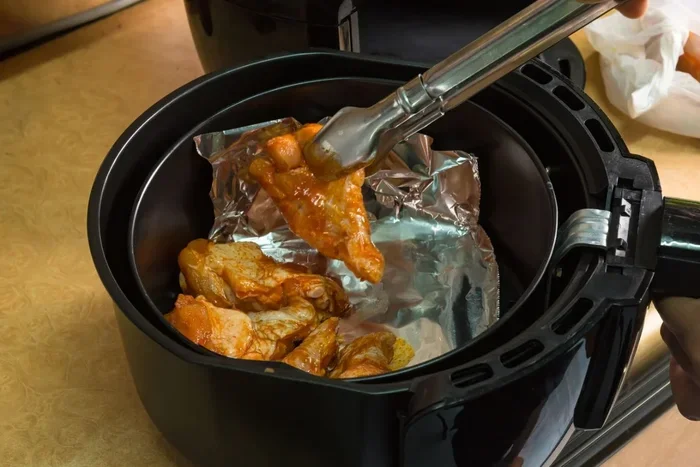
Sticky glazes burn fast. Honey garlic wings drip sugar onto the heating element. Smoke fills the kitchen. Foil catches the drips. Make a shallow boat. Fold up the sides about one inch. Place wings inside. The air flows over the top. The sauce caramelizes without burning onto the metal. Cleanup takes seconds. Just toss the foil.
Reheating Without Drying Out
Leftover pizza gets rubbery in the microwave. The air fryer revives the crust. But the cheese can overcook. A loose foil tent over the top protects the cheese. The crust crisps underneath. The toppings stay perfect. This trick works for fried chicken, roasted veggies, and casseroles too.
Cooking Small or Loose Items
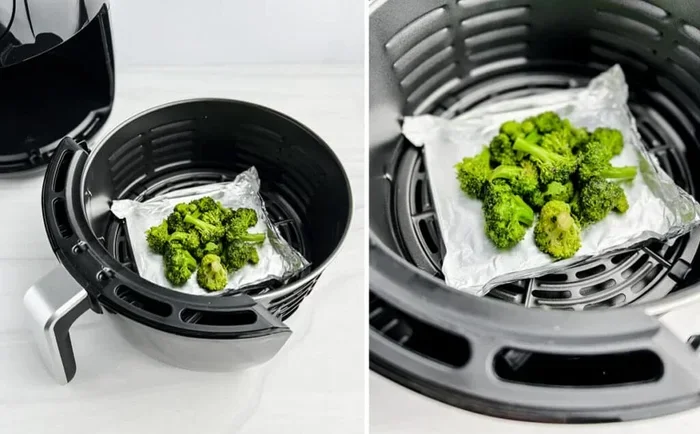
Broccoli florets. Diced potatoes. Chickpeas for snacking. These tumble around. They fall through basket gaps. A foil liner with a few poked holes keeps them contained. The holes let air through. The foil keeps food in. Poke holes with a fork every two inches. Do not skip this step. Solid foil blocks airflow completely.
The Danger Zones: What Never To Do
Some foil habits cause damage or danger. These are not suggestions. They are hard rules. Breaking them risks fire, ruined food, or a broken appliance.
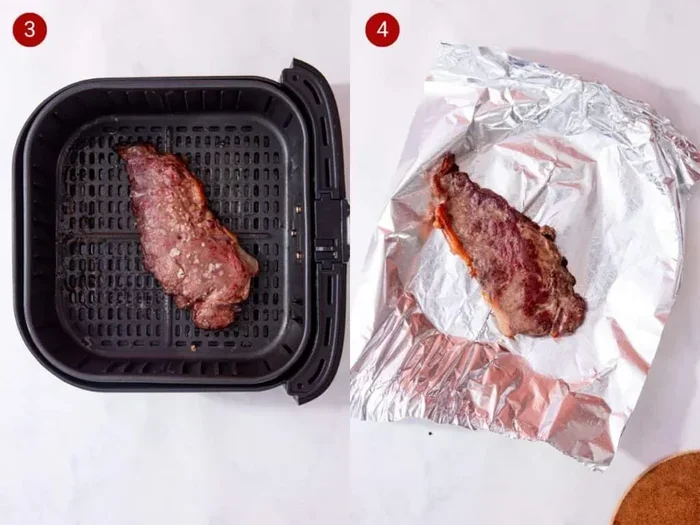
Visual guide about air fryer aluminum foil
Image source: alsothecrumbsplease.com
Never Cover the Heating Element
Most air fryers have a coil above the basket. That coil gets scorching hot. Foil touching it melts. Melted aluminum fuses to the coil. The element shorts out. The unit dies. Worse, melted foil can ignite. Always keep foil below the basket rim. If your recipe needs top coverage, use a foil tent that stays inside the basket walls. Never let foil drape over the top edge.
Never Use Foil Without Food On Top
Empty foil is lightweight. The fan is powerful. Loose foil flies around inside. It wraps around the fan blade. It blocks the vent. It touches the heating element. This happens in seconds. Always weigh foil down with food. If you are preheating, skip the foil. Add it only when food goes in.
Avoid Acidic Foods Directly On Foil
Tomato sauce. Lemon juice. Vinegar marinades. These react with aluminum. The foil breaks down. Tiny amounts of aluminum leach into food. The food gets a metallic taste. The foil gets holes. Use parchment paper for acidic foods instead. Or place a parchment layer between food and foil. This barrier stops the reaction completely.
Do Not Line the Entire Basket Bottom Solid
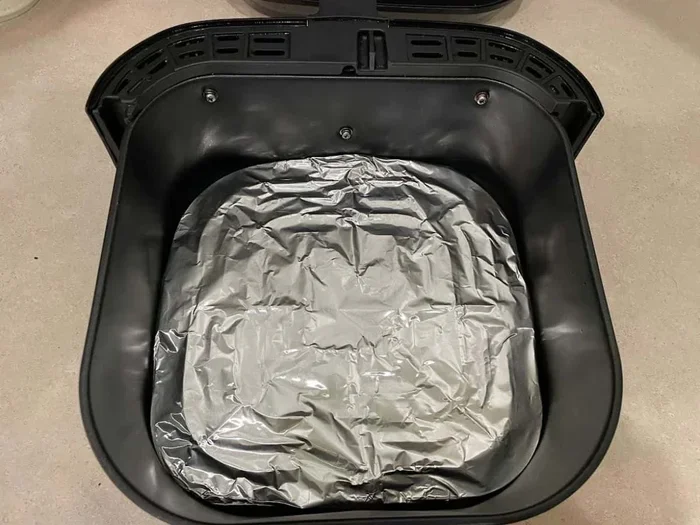
A solid foil sheet across the bottom stops air from rising. The fan pushes air down. It hits the foil. It cannot reach the food bottom. The top browns. The bottom steams. You get uneven cooking. If you need a liner, use perforated parchment. Or cut foil to cover only the center, leaving a one-inch ring around the edge open.
Foil vs. Parchment vs. Silicone: The Showdown
You have options. Each has strengths. Knowing the difference saves frustration.
Aluminum Foil
Pros: Cheap. Everywhere. Molds to any shape. Handles high heat (up to 1200°F). Great for packets and boats.
Cons: Blocks airflow if used wrong. Reacts with acid. Not reusable. Tears easy. Can fly around if not weighted.
Parchment Paper
Pros: Non-stick naturally. Perforated versions exist for air fryers. Safe with acid. Compostable. Stays in place better than foil.
Cons: Max temp around 420-450°F. Cannot mold shapes like foil. Burns if it touches the heating element. Single use.
Silicone Liners
Pros: Reusable hundreds of times. Dishwasher safe. Structured sides hold shape. Perforated for airflow. Eco-friendly long term.
Cons: Cost $15-25 upfront. Takes storage space. Can retain odors. Max temp usually 450°F. Not good for foil packets.
Quick Decision Guide
- Wrapping salmon with lemon? Foil (with parchment barrier).
- Air frying frozen fries? Perforated parchment or silicone liner.
- Making sticky BBQ ribs? Foil boat.
- Roasting chickpeas? Silicone liner with holes.
- Reheating pizza slice? Foil tent over top only.
Step-by-Step: How To Use Foil Correctly
Follow these steps every time. They become habit fast. Your air fryer will thank you.
Step 1: Read Your Manual
Sounds boring. Do it anyway. Brands like Philips, Ninja, and Cosori have different rules. Some say no foil ever. Others allow it with conditions. A 2023 survey found 62 percent of air fryer owners never read the manual. Do not be that statistic. The manual overrides any internet advice.
Step 2: Cut the Right Size
Measure your basket. Cut foil slightly smaller than the bottom. Leave at least a half-inch gap around all edges. This gap is your airflow highway. For packets, cut a piece three times the food width. You need room to fold and seal.
Step 3: Shape It In Place
Press foil into the basket bottom. Smooth it against the curves. If making a boat, fold up the sides. Crimp corners so nothing leaks. For a tent, drape foil over food like a blanket. Tuck edges under the food, not over the basket rim.
Step 4: Poke Holes If Lining
Using foil as a liner? Grab a fork. Poke holes every inch or two. Focus on the center area. The edges stay solid to catch drips. The holes let hot air rise through. Ten to fifteen holes for a standard basket works well.
Step 5: Add Food Immediately
Never put foil in empty. The fan will launch it. Place food on foil right away. The weight anchors it. If cooking in batches, remove foil between batches. Do not leave it in during preheat.
Step 6: Monitor First Use
Watch through the window the first time. Check that foil stays put. Verify air moves (food should shift slightly). Smell for burning. If anything seems off, stop. Adjust next time.
Pro Tips From Air Fryer Experts
These tricks come from recipe developers and appliance testers. They separate good results from great ones.
The Double Layer Trick
For extra sticky foods (glazed ribs, candied bacon), use two foil layers. Bottom layer lines the basket. Top layer makes a packet for the food. The bottom catches what escapes. The top keeps the glaze on the meat. Both get tossed. Zero scrubbing.
The Parchment-Foil Sandwich
Acidic marinade? Lay parchment on the foil. Food goes on parchment. You get foil structure with parchment safety. The parchment also prevents sticking better than foil alone. This is the secret for lemon-garlic shrimp and tomato-based dishes.
Pre-Crimp Your Packets
Fold foil packets before adding food. Make the shape. Leave one end open. Slide food in. Seal the last end. This prevents juice spills during transfer. It also ensures even thickness for even cooking.
Use Heavy Duty Foil for Packets
Standard foil tears when folding. Heavy duty holds shape. It withstands the fan vibration. It does not puncture from bone-in chicken or shrimp tails. The extra cost is pennies per use. Worth it.
The “Lift and Peek” Method
Foil packets hide doneness. You cannot see the food. Carefully lift one corner with tongs. Peek inside. Check color. Insert thermometer if needed. Reseal fast. Heat loss is minimal. This prevents overcooked fish.
Cleaning and Maintenance After Foil Use
Foil reduces cleaning. But it does not eliminate it. Grease splatters past foil edges. Steam condenses on the drawer. Here is the post-foil routine.
Cool Completely First
Hot baskets warp under cold water. Let the unit cool 30 minutes. The foil will be cool enough to touch. Crumple it up. Toss it. No scrubbing the basket bottom.
Wipe the Heating Element
Grease vapor rises. It coats the coil above. A damp cloth (unit unplugged, cool) wipes it clean. Do this monthly. Built-up grease smokes. It creates fire risk. It makes food taste rancid.
Check the Fan Guard
Foil bits can escape. They get sucked toward the fan. Remove the basket. Shine a light into the rear vent. Pick out any foil shreds with tweezers. Do this quarterly. A clean fan runs quiet and efficient.
Deep Clean the Basket
Even with foil, wash the basket weekly. Dishwasher safe? Top rack only. Hand wash? Hot soapy water, non-scratch sponge. Dry thoroughly. Water in the mechanism causes rust.
Common Myths Busted
Misinformation spreads fast. Let us clear the big ones.
Myth: Foil Causes Cancer
Aluminum exposure links to health concerns in very high doses. But cooking with foil adds minimal aluminum to food. The WHO states intake from foil is well below safety limits. Acidic foods increase leaching. That is why we use the parchment barrier. For normal use, risk is negligible.
Myth: Foil Ruins the Non-Stick Coating
Foil does not scratch coatings. It is softer than the basket metal. Scratches come from metal utensils or abrasive sponges. Foil actually protects the coating from stuck-on food. Just do not drag foil across the coating aggressively.
Myth: You Can Use Foil In Any Air Fryer
Some toaster-oven style air fryers have exposed elements close to the rack. Foil too close arcs or burns. Basket styles are more forgiving. Always check your specific model. The manual wins.
Myth: Foil Makes Food Cook Faster
Foil reflects heat. It can slow cooking by blocking direct air. Packets steam food, which cooks fast but differently. A foil liner on the bottom insulates slightly. Expect same or slightly longer times. Always check doneness early.
Recipes Perfect For Foil
These dishes showcase foil at its best. Try them to build confidence.
Lemon Herb Salmon Packets
Place salmon on foil. Top with lemon slices, dill, garlic, butter. Fold packet. Air fry at 390°F for 10-12 minutes. Foil traps steam. Fish stays buttery. Lemon flavor infuses deep. Zero fish smell in the kitchen.
BBQ Chicken Thigh Foil Boats
Fold foil into boats. Skin-on thighs inside. Brush BBQ sauce. Air fry 380°F for 22 minutes. Sauce caramelizes. Fat renders into foil. Skin crisps on top. Meat falls off bone. Boats catch every drop.
Garlic Parmesan Asparagus
Toss asparagus with oil, garlic, parmesan. Spread on foiled basket (holes poked). Air fry 400°F for 7 minutes. Cheese crisps. Tips char. Stalks stay tender. Foil catches cheese so it does not burn on the basket.
Reheated Fried Chicken
Place chicken on foil. Tent another piece over top loosely. Air fry 370°F for 6 minutes. Crust revives. Meat stays juicy. Tent prevents burnt coating. Works for tenders, wings, nuggets.
Troubleshooting Foil Problems
Things go wrong. Here is how to fix them fast.
Foil Blew Around
Cause: Not enough food weight. Fan too strong.
Fix: Use heavier food. Or crimp foil edges under the basket wire rim (if design allows). Or switch to silicone liner.
Food Steamed, Not Crisped
Cause: Too much foil coverage. Holes too few.
Fix: Remove foil for last 3 minutes. Or poke more holes next time. Or use perforated parchment instead.
Foil Stuck To Food
Cause: No oil on foil. High sugar content.
Fix: Lightly spray foil with oil. Or use parchment between. For sugary foods, foil boat sides only, not bottom.
Burnt Foil Edges
Cause: Foil touched heating element or extended past basket.
Fix: Trim foil smaller. Keep all foil inside basket walls. Lower temperature 10-15 degrees.
Environmental Considerations
Foil is single-use. It adds up. A household air frying three times weekly uses 150+ feet of foil yearly. That is 5+ rolls. Consider the impact.
Recycle Right
Clean foil recycles. Food-contaminated foil does not. Rinse foil before recycling. Ball it up (loose flat foil jams sorting machines). A tennis-ball-sized wad processes correctly. Check local rules. Some areas take foil in curbside. Others need drop-off.
Reusable Alternatives
Silicone liners pay for themselves in 6 months. Parchment composts (if unbleached). Heavy-duty foil can sometimes be wiped and reused for dry foods (toast, nuts). Reduce where you can. Reuse when safe. Recycle the rest.
Final Thoughts: Foil Is A Tool, Not A Crutch
Can you use foil in an air fryer? Absolutely. Should you use it every time? No. Foil solves specific problems: messy sauces, delicate fish, tiny veggies, easy cleanup. It creates new problems when misused: blocked airflow, uneven cooking, safety hazards. The best air fryer cooks know when to reach for the roll and when to leave it in the drawer.
Start with the basics. Read your manual. Respect the airflow. Weight the foil down. Keep it away from the heating element. Use parchment for acids. Try silicone for daily use. Save foil for its shining moments. Your air fryer will last longer. Your food will taste better. Your cleanup will stay easy.
Now you know the complete story. No guesswork. No fear. Just crispy, delicious results every time. Happy air frying.
Frequently Asked Questions
Can I put aluminum foil in the bottom of my air fryer?
Yes, you can line the bottom of the air fryer basket with foil, but you must leave space around the edges for airflow and poke holes in the foil to allow hot air to circulate up through the food.
Will foil damage my air fryer heating element?
Foil can damage the heating element if it touches or covers it. Melted foil can fuse to the coil, causing a short circuit or fire hazard. Always keep foil below the basket rim and away from the top heating element.
Is it better to use foil or parchment paper in an air fryer?
Parchment paper is often better for lining the basket because perforated versions allow proper airflow while preventing sticking. Foil is better for wrapping foods into packets or creating boats for messy marinades.
Can I use foil for acidic foods like tomatoes or lemon chicken?
Avoid direct contact between foil and acidic foods. The acid reacts with aluminum, causing off-flavors and foil breakdown. Use parchment paper as a barrier between the food and foil, or skip foil entirely for acidic dishes.
Why did my foil fly around inside the air fryer?
The powerful fan lifts lightweight foil if it is not weighed down by food. Never preheat with foil inside. Only add foil when you place food on top of it to anchor it securely.
Can I reuse aluminum foil in my air fryer?
You can reuse heavy-duty foil for dry foods like toasting nuts or reheating bread. Discard foil used for raw meats, sticky sauces, or acidic foods. Always inspect for tears or stuck-on debris before reusing.