Can Tin Foil Go in the Air Fryer
Featured image for air fryer aluminum foil
Image source: theenvironmentalblog.org
Yes, tin foil can be used in an air fryer when you follow a few simple rules. It helps with cleanup and can protect delicate foods, but blocking airflow can cause uneven cooking or fire hazards.
Air fryers have taken home kitchens by storm, promising crispy results with a fraction of the oil. As more people experiment, the question can tin foil go in the air fryer pops up in forums, recipe blogs, and manufacturer FAQs. The short answer is yes, but only when you respect the machine’s need for unrestricted hot‑air flow. This guide breaks down the who, what, where, when, and why of foil use so you can cook confidently and safely.
Did you know? A 2023 consumer survey found that 68 % of air fryer owners have tried lining the basket with foil at least once, yet 22 % reported uneven cooking because the foil blocked the fan. Understanding the mechanics behind the appliance turns a risky shortcut into a reliable kitchen hack.
Key Takeaways
- Manufacturer approval matters: Most brands allow foil if it does not cover the heating element or fan.
- Airflow is king: Foil must leave space around the edges so hot air can circulate.
- Use heavy‑duty foil: Thin sheets can tear and create hot spots.
- Acidic foods react: Tomatoes or citrus can break down foil and affect taste.
- Alternatives exist: Parchment paper, silicone mats, and dedicated accessories often work better.
- Never preheat with loose foil: Loose pieces can lift and touch the heating coil.
- Cleanup is easier: A properly sized liner catches drips and saves scrubbing time.
📑 Table of Contents
Why the Question Matters
The Rise of Air Fryer Cooking
Air fryers work like miniature convection ovens. A powerful fan forces super‑heated air around food, creating a crisp exterior without deep‑fat frying. Because the cooking chamber is compact, any obstruction — even a thin sheet of metal — can change the airflow pattern dramatically. That is why the question can tin foil go in the air fryer is more than a curiosity; it directly affects texture, safety, and appliance longevity.
Common Misconceptions
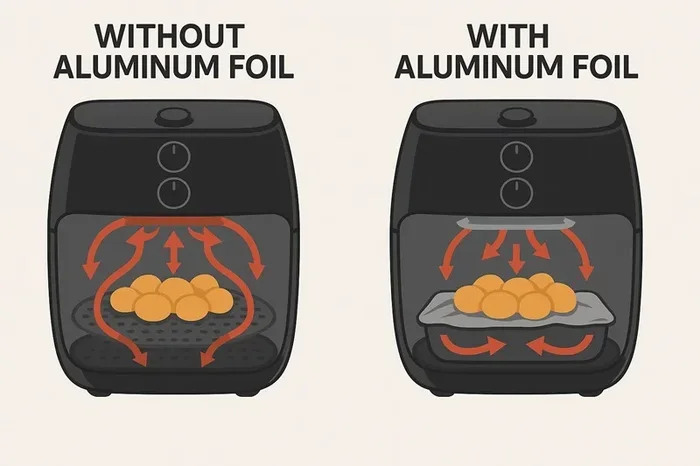
Many home cooks assume foil behaves the same way it does in a conventional oven. In an oven, radiant heat dominates, so a foil tent simply reflects heat. In an air fryer, convection is the primary heat transfer method. Blocking even a small portion of the fan’s path can create cold spots, leading to soggy fries or undercooked chicken. Think of the fan as a wind tunnel; a piece of foil is like a billboard placed in the middle of the tunnel — air has to go around it, slowing everything down.
Manufacturer Guidance and Safety Basics
Official Guidelines
Most major brands — Ninja, Cosori, Philips, Instant Pot — publish a one‑page “Do’s and Don’ts” sheet. The universal rule: foil is allowed if it does not cover the heating element, the fan, or the entire basket surface. Some manuals explicitly state “use only heavy‑duty aluminum foil” and “cut foil to fit the basket with at least a 1‑inch margin around the edges.” Ignoring these guidelines can void the warranty.
Visual guide about air fryer aluminum foil
Image source: dutchovenscookware.com
Fire Risk and Airflow
Aluminum foil melts at roughly 1,220 °F (660 °C), far above typical air fryer temperatures (350‑400 °F). However, if foil touches the heating coil, it can cause a short circuit or spark. A 2022 safety report from the U.S. Consumer Product Safety Commission recorded 14 incidents where loose foil ignited because it was sucked into the fan housing. The lesson: secure the foil, keep it flat, and never let it flap freely.
Ideal Situations for Tin Foil
Lining the Basket for Easy Cleanup
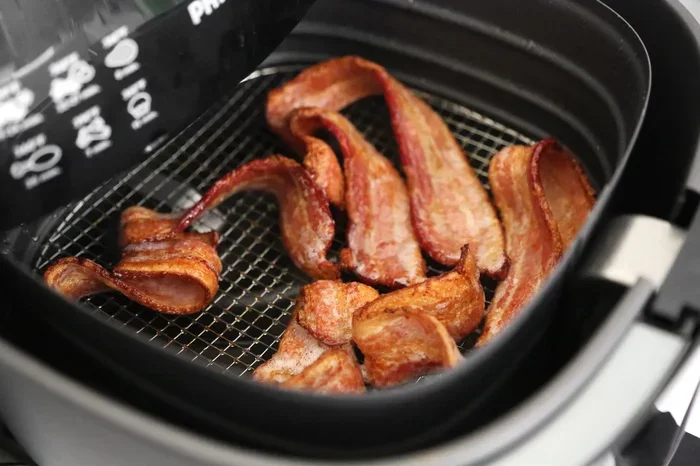
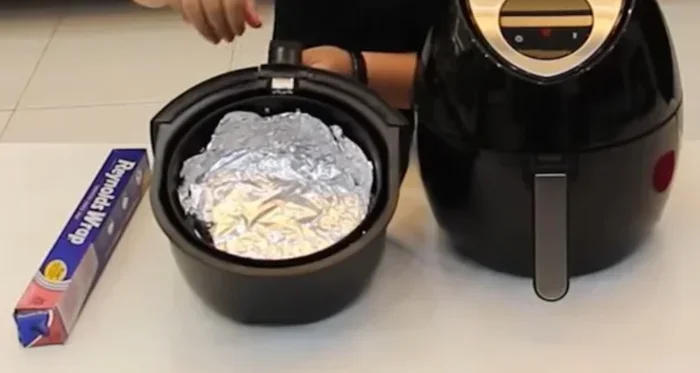
When cooking greasy items like bacon, sausages, or breaded chicken, a foil liner catches drippings. Cut a piece that covers the bottom and rises slightly up the sides, leaving a 1‑inch gap at the perimeter. This method reduces scrubbing time by up to 70 % according to a 2021 kitchen‑efficiency study.
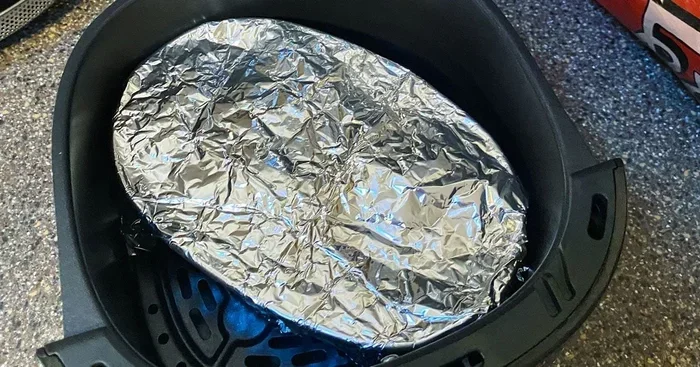
Visual guide about air fryer aluminum foil
Image source: tasteofhome.com
Protecting Delicate Items
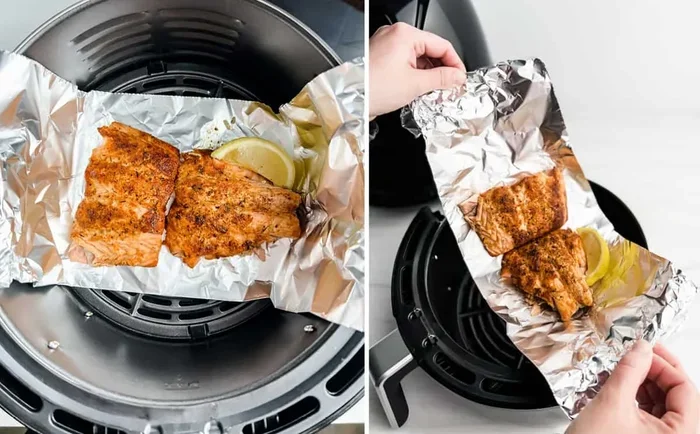
Fish fillets, thin asparagus, or stuffed peppers can fall apart when the fan blasts them. A loose foil “cradle” — shaped like a shallow bowl — supports the food while still allowing air to flow over the top. The foil acts like a gentle hammock, not a sealed tent.
Creating Packets for Steam Cooking
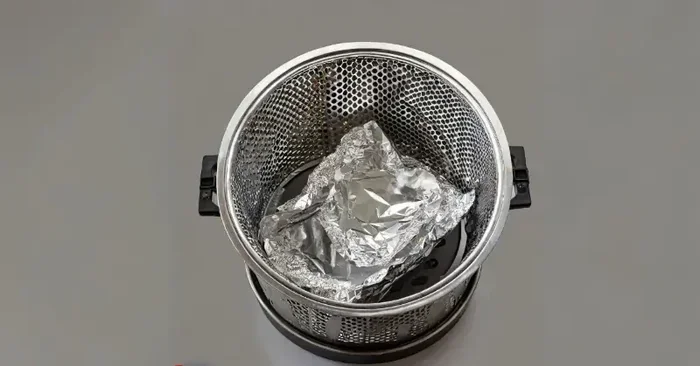
Foil packets (often called “hobo packs”) let you steam vegetables or cook salmon in its own juices. Seal the packet tightly, but poke a few tiny holes with a fork. The holes let excess steam escape, preventing pressure buildup while still delivering moist, flavorful results.
Situations to Skip Tin Foil
Blocking the Fan
If you cover the entire basket bottom with foil, the fan cannot push air through the food. The result is uneven browning — some pieces stay pale while others burn. A simple test: place a single layer of fries on a fully lined basket; you’ll notice the center fries stay soft. Removing the foil restores the crisp texture.
Acidic Foods Reaction
Tomatoes, citrus marinades, and vinegar‑based sauces react with aluminum, producing a metallic taste and tiny pits in the foil. Over time, this can leach trace amounts of aluminum into food. While the health risk is minimal, the flavor impact is noticeable. Use parchment paper or a silicone mat for acidic dishes instead.
High‑Temperature Limits
Some recipes call for 400 °F or higher (e.g., reheating pizza). At these temperatures, thin foil can become brittle and tear, especially if the basket shakes during cooking. Heavy‑duty foil (0.0015 in thick) tolerates the heat better, but even then, avoid direct contact with the heating element.
Pro Tips for Safe Foil Use
Cut to Size
Measure the basket interior, then cut foil ½‑inch smaller on each side. This guarantees a perimeter gap for airflow. A kitchen scissors works fine; no need for a special cutter.
Leave Space Around Edges
Think of the gap as a “breathing room” for the fan. Even a ¼‑inch clearance can improve circulation enough to prevent hot spots. If your basket has a removable tray, place foil on the tray rather than directly on the basket floor.
Use Heavy‑Duty Foil
Standard household foil (0.0007 in) tears easily under the fan’s suction. Heavy‑duty foil resists tearing, holds shape, and distributes heat more evenly. It costs a few cents more per roll but saves you from foil fragments in your food.
Secure the Foil
Press the foil gently into the basket corners. If the basket has a lip, tuck the foil under it. For extra security, place a lightweight silicone weight (like a small silicone mat) on top of the foil — just enough to keep it flat without pressing on the food.
Foil Alternatives and Final Thoughts
Parchment Paper
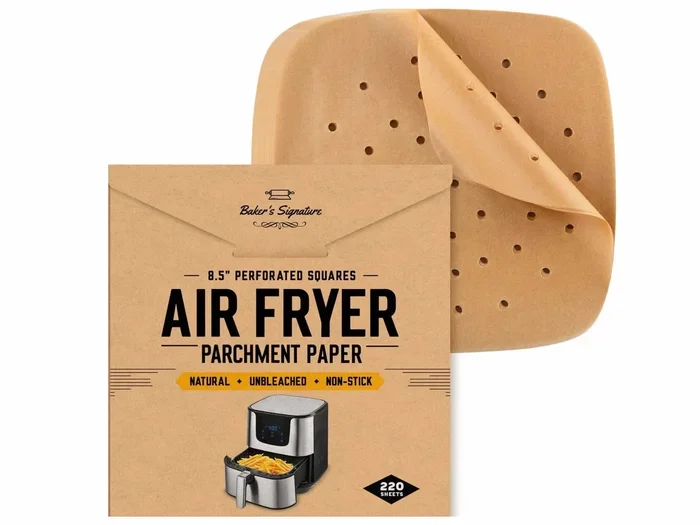
Parchment paper rated for 450 °F works well for most air fryer tasks. It’s non‑reactive, disposable, and allows air to pass through its microscopic pores. Cut a round or square piece with a 1‑inch margin, just like foil.
Silicone Mats
Reusable silicone mats (often labeled “air fryer liners”) are heat‑safe up to 500 °F. They’re dishwasher‑safe, eco‑friendly, and provide a non‑stick surface without any risk of metal reaction. Many users report they become their go‑to liner after the first try.
Air Fryer‑Specific Accessories
Manufacturers now sell perforated baskets, grill plates, and silicone cups designed for their models. These accessories are engineered to maintain optimal airflow while offering the convenience of easy cleanup. Investing in a model‑specific kit can eliminate the guesswork entirely.
Quick Troubleshooting Checklist
- Food is soggy: Check if foil covers too much of the basket. Remove or trim.
- Foil lifts during cooking: Secure edges or switch to a heavier liner.
- Metallic taste: Swap foil for parchment or silicone when cooking acidic foods.
- Smoke or burning smell: Foil may be touching the heating element. Power off, cool, and reposition.
- Uneven browning: Ensure at least a 1‑inch gap around the foil perimeter.
In summary, the answer to can tin foil go in the air fryer is a qualified yes. Treat foil as a tool, not a blanket. Respect the fan’s need for space, choose the right thickness, and match the liner to the food type. When in doubt, reach for parchment paper or a silicone mat — they deliver the same cleanup benefits with fewer safety concerns. Happy air frying!
Frequently Asked Questions
Can I put aluminum foil in any air fryer model?
Most modern air fryers allow foil if you follow the manufacturer’s guidelines. Always check the user manual for specific restrictions.
Does foil affect cooking time?
Foil can slightly increase cooking time because it reduces direct airflow. Monitor food and add a minute or two if needed.
Is it safe to cook acidic foods on foil?
Acidic foods can react with aluminum, creating a metallic taste. Use parchment paper or a silicone mat for tomato‑based or citrus‑marinated dishes.
Can I reuse foil in the air fryer?
Reusing foil is not recommended. It can tear, harbor bacteria, and lose its non‑stick properties after one use.
What happens if foil touches the heating element?
Contact with the heating coil can cause sparks, smoke, or a fire hazard. Keep foil at least an inch away from the element.
Are there any foods that should never be cooked with foil?
Very light foods like leafy greens or loose herbs can be blown around by the fan if foil creates turbulence. Use a perforated basket or silicone mat instead.