
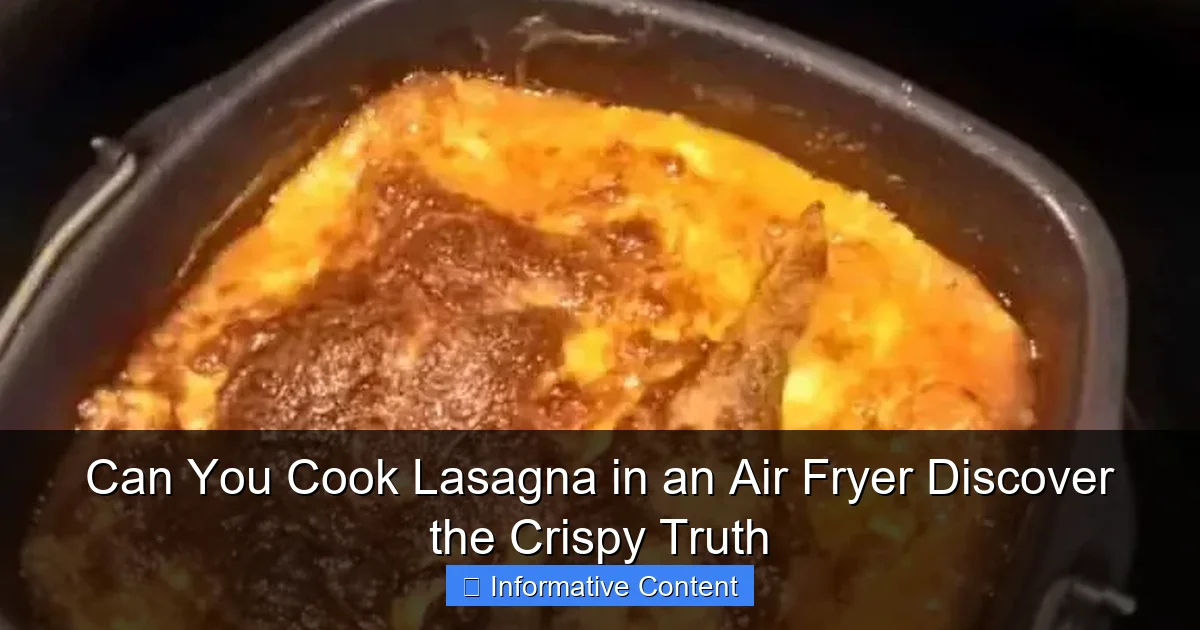
Featured image for can you cook lasagna in an air fryer
Image source: airfryerbro.com
Yes, you can cook lasagna in an air fryer—and it delivers a crispier, faster result than traditional baking. With layered noodles, sauce, and cheese achieving golden perfection in under 30 minutes, air fryer lasagna is a game-changer for quick, delicious weeknight dinners.
Key Takeaways
- Yes, you can cook lasagna in an air fryer—it’s faster and crispier than oven-baking.
- Use oven-ready or pre-cooked noodles to avoid mushy layers in your air fryer lasagna.
- Layer ingredients evenly for consistent cooking and perfect texture in every bite.
- Preheat the air fryer to ensure even browning and reduce cooking time effectively.
- Cover with foil halfway to prevent cheese from burning while noodles cook through.
- Check doneness early—air fryers vary, so monitor at 20 minutes to avoid overcooking.
- Let it rest before slicing to allow layers to set and serve neatly.
📑 Table of Contents
- Can You Cook Lasagna in an Air Fryer? Discover the Crispy Truth
- Why Air Fryer Lasagna? The Pros and Cons
- Choosing the Right Tools and Ingredients
- Step-by-Step Guide to Air Fryer Lasagna
- Common Mistakes and How to Fix Them
- Creative Variations and Leftover Hacks
- Data Table: Air Fryer vs. Oven Lasagna Comparison
- Final Thoughts: Is Air Fryer Lasagna Worth It?
Can You Cook Lasagna in an Air Fryer? Discover the Crispy Truth
Lasagna—the ultimate comfort food. Layers of pasta, rich tomato sauce, creamy cheese, and savory meat. It’s the kind of dish that brings families together and warms the soul. But let’s be honest: traditional oven-baked lasagna takes time. You preheat, wait, bake for 45 minutes, and then let it rest. That’s over an hour before you can even take a bite. Enter the air fryer—your kitchen’s new multitasking hero. It’s fast, energy-efficient, and promises crispy results. So, naturally, the question arises: can you cook lasagna in an air fryer?
As someone who loves lasagna but hates waiting, I had to find out. I’ve tested, tweaked, and even had a few kitchen disasters (hello, cheese waterfall). But through trial and error, I’ve discovered a way to make air fryer lasagna that’s not only possible but surprisingly delicious. In this post, I’ll walk you through everything you need to know—from choosing the right pan to layering like a pro. Whether you’re short on time, want a crispy crust, or just love experimenting in the kitchen, you’ll find practical tips, honest insights, and real results. Let’s dive into the lasagna in air fryer revolution.
Why Air Fryer Lasagna? The Pros and Cons
The Big Advantages
Let’s start with the good stuff. Cooking lasagna in an air fryer isn’t just a gimmick—it has real benefits. First, speed. A full lasagna in the oven takes about 45–50 minutes, plus preheating. In an air fryer? You’re looking at 20–25 minutes from start to finish. That’s a game-changer on busy weeknights.
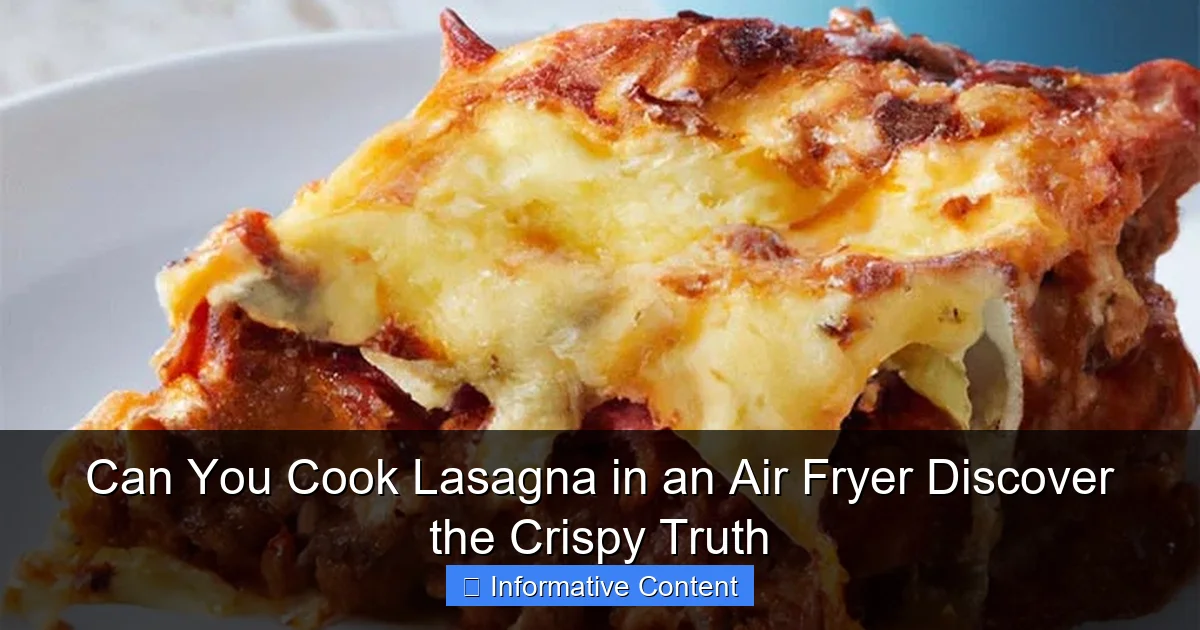
Visual guide about can you cook lasagna in an air fryer
Image source: airfryandeat.com
Second, energy efficiency. Air fryers use less electricity than full-sized ovens. If you’re trying to cut costs or reduce your carbon footprint, this matters. My 1,500-watt air fryer uses about half the energy of my oven for the same meal.
Third, texture. The hot, circulating air gives the top layer a golden, slightly crispy crust—something traditional lasagna often lacks unless you broil it at the end. One bite of that bubbly, cheesy top layer, and you’ll see why fans love it.
And finally, portion control. Air fryers are smaller, so you’re not making a giant pan for two people. Perfect for singles, couples, or meal prep in smaller batches.
The Trade-Offs You Need to Know
Now, let’s be real. Air fryer lasagna isn’t perfect. The first downside? Size limitations. Most air fryers hold 3–5 quarts, which means you’re making a single-layer or shallow lasagna. No towering, restaurant-style stacks here. I tried fitting a double-layer in my 5.8-quart model once—it overflowed like a cheese volcano. Lesson learned.
Second, layering challenges. In an oven, lasagna bakes slowly, letting the flavors meld. In an air fryer, the heat is more intense and direct. If you’re not careful, the top layer can burn before the middle is hot. I’ve had a few “crispy top, cold center” moments that were… less than ideal.
Third, moisture control. Lasagna needs moisture to soften the pasta and blend flavors. But air fryers are designed to remove moisture, which can dry out your dish. I’ve found that pre-cooked noodles or a splash of broth helps, but it’s something to watch.
So, is it worth it? For me, yes—but with caveats. It’s not a full replacement for oven-baked lasagna, but a fantastic alternative when you want speed, crispiness, and a satisfying meal without the wait.
Choosing the Right Tools and Ingredients
The Pan: Your Air Fryer’s Best Friend
Not all pans work in an air fryer. You need something that fits, conducts heat well, and is safe for high temperatures. Here’s what I recommend:
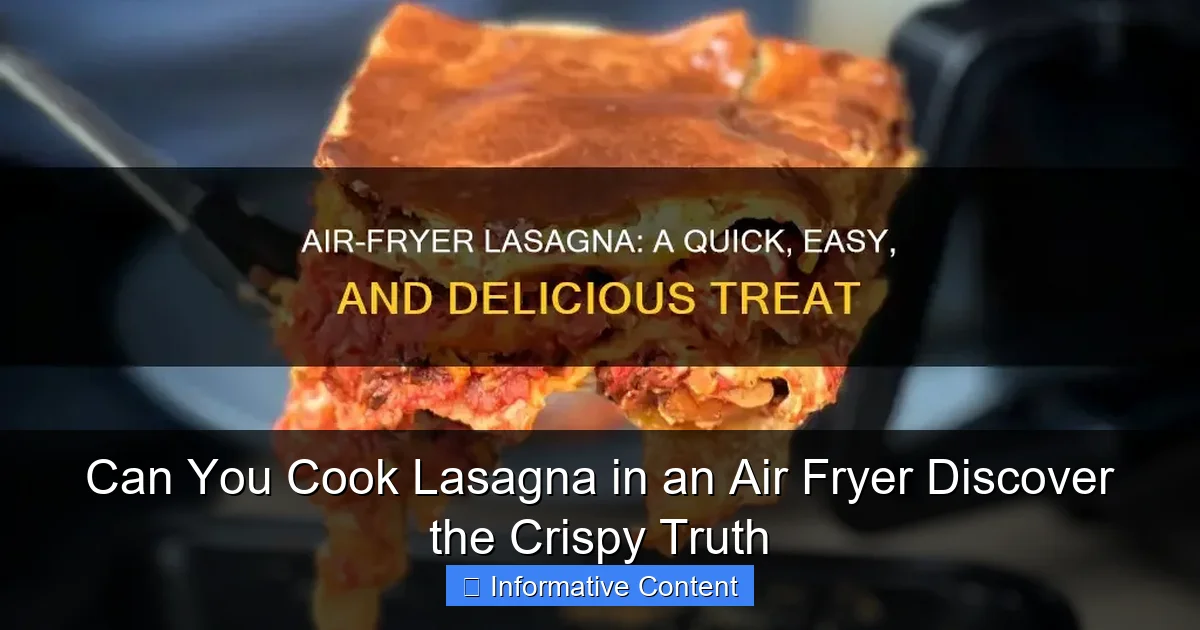
Visual guide about can you cook lasagna in an air fryer
Image source: cycookery.com
- Silicone baking pans: Flexible, non-stick, and heat-resistant up to 425°F (220°C). I use a 7-inch round pan that fits snugly in my air fryer basket. It’s perfect for single-layer lasagnas.
- Oven-safe glass (like Pyrex): Durable and easy to clean, but make sure it fits with room for air circulation. I’ve used a small 6×6-inch dish with great results.
- Metal pans (aluminum or stainless steel): Great for heat distribution, but avoid non-stick coatings that can chip. A 7-inch round cake pan works well.
Pro tip: Measure your air fryer basket before buying a pan. You need at least 1 inch of space around the edges for air to circulate. No circulation? Soggy lasagna.
Lasagna Ingredients: What Works and What Doesn’t
Not all lasagna ingredients behave the same in an air fryer. Here’s my tried-and-true list:
- Noodles: Use oven-ready (no-boil) lasagna noodles. They’re thinner and absorb sauce faster. I’ve tried regular noodles, but they stay hard unless pre-cooked. Save yourself the frustration.
- Cheese: Ricotta, mozzarella, and Parmesan are all winners. For the top layer, I like a 50/50 mix of mozzarella and Parmesan for that golden, crispy crust.
- Sauce: Use a thick, chunky marinara or meat sauce. Thin, watery sauces can make the bottom layer soggy. I drain my homemade sauce for 10 minutes to remove excess liquid.
- Meat: Ground beef, sausage, or a mix works well. I brown it first to avoid a greasy lasagna. Vegan? Try lentils or crumbled tofu—just make sure it’s not too moist.
- Add-ins: Spinach, mushrooms, zucchini—yes, but sauté them first to remove water. Wet veggies = steam, not crisp.
My go-to combo: Oven-ready noodles, browned sausage, drained marinara, ricotta mixed with egg and parsley, and a generous layer of mozzarella on top. Simple, satisfying, and air fryer-friendly.
Step-by-Step Guide to Air Fryer Lasagna
Prep Like a Pro
Before you start layering, prep everything. Here’s my checklist:
- Brown the meat: Cook ground beef or sausage with onions, garlic, and seasonings. Drain excess fat.
- Drain the sauce: If using homemade or thick store-bought sauce, let it sit in a colander for 10 minutes to remove extra liquid.
- Prep veggies: Sauté spinach, mushrooms, or zucchini until tender. Pat dry with paper towels.
- Mix the ricotta: Combine ricotta cheese with egg, parsley, salt, and pepper. This helps it hold together.
- Preheat the air fryer: Set it to 375°F (190°C) for 3–5 minutes. A hot basket = even cooking.
Why preheat? It ensures the lasagna starts cooking immediately, reducing the risk of a cold center.
Layering: The Key to Success
Layering is where most air fryer lasagnas go wrong. Too much sauce? Soggy. Too little? Dry. Here’s my foolproof method:
- First layer: Sauce – Spread a thin layer of marinara on the bottom of your pan. This prevents sticking and adds flavor.
- Second layer: Noodles – Place 2–3 oven-ready noodles (break them to fit if needed). Don’t overlap—gaps are okay.
- Third layer: Ricotta – Dollop spoonfuls of ricotta mixture and spread gently. Don’t overmix—you want pockets of creaminess.
- Fourth layer: Meat/veggies – Add a thin layer of meat or veggies. Less is more here.
- Fifth layer: Sauce – Drizzle a thin layer of sauce. Too much? It will bubble over.
- Repeat – For a single-layer lasagna, repeat steps 2–5. For a double-layer, repeat once.
- Final layer: Cheese – Top with mozzarella and Parmesan. This is your crispy crown.
Pro tip: Don’t pack the layers too tightly. Air needs to circulate to cook evenly.
Cooking Time and Temperature
Here’s the magic formula:
- Temperature: 375°F (190°C)
- Time: 18–22 minutes for a single-layer, 22–25 minutes for double-layer
Start checking at 15 minutes. The cheese should be golden, and the center should be hot (use a food thermometer if unsure—165°F is the safe zone).
Watch the top: If the cheese browns too fast, cover it with foil for the last 5 minutes. I’ve saved many a lasagna this way.
Common Mistakes and How to Fix Them
“My Lasagna Is Soggy”
This is the #1 complaint. The culprit? Too much liquid. Here’s how to fix it:
- Drain the sauce: Let it sit in a colander before using.
- Sauté veggies: Remove water from spinach, mushrooms, etc.
- Use oven-ready noodles: They absorb sauce better than regular noodles.
- Less sauce between layers: A thin drizzle is better than a pour.
My fix: If it’s already soggy, bake it uncovered for 5 more minutes to evaporate moisture.
“The Top Burned, But the Middle Is Cold”
This happens when the heat is too high or the layers are too thick. Solutions:
- Lower the temperature: Try 360°F (180°C) for 25 minutes.
- Use foil: Cover the top after 10 minutes to slow browning.
- Thinner layers: Stick to 1–2 layers max.
- Preheat the pan: Warm your dish in the air fryer before adding lasagna.
My fix: If the top is burnt, scrape off the charred part and serve the rest. It’s still tasty!
“The Cheese Slid Off”
Cheese sliding? That’s a layering issue. Fix it:
- Let it rest: After cooking, wait 5–10 minutes. The cheese sets and holds together.
- Use egg in ricotta: The egg acts as a binder.
- Press gently: After layering, press down lightly to compact.
Creative Variations and Leftover Hacks
Beyond Classic Lasagna
Why stop at traditional? Try these fun twists:
- Vegetable lasagna: Use zucchini, eggplant, and mushrooms. Sauté first to remove water.
- Mexican lasagna: Swap marinara for enchilada sauce, add black beans and corn, top with cheddar and avocado.
- Breakfast lasagna: Use scrambled eggs, cheese, and bacon. Add a layer of hash browns for crunch.
- Mini lasagnas: Use muffin tins for single-serve portions. Cook time: 15–18 minutes.
My favorite: A Greek-inspired version with spinach, feta, and olives. So good!
Reheating and Storing
Air fryer lasagna reheats beautifully. Here’s how:
- Reheating: Place leftovers in the air fryer at 350°F (175°C) for 5–7 minutes. No microwave sogginess!
- Freezing: Wrap individual portions in foil and freeze. Reheat from frozen at 375°F for 10–12 minutes.
- Meal prep: Make 3–4 single-layer lasagnas at once. They freeze well and cook faster from frozen.
Pro tip: Add a splash of broth or water before reheating to restore moisture.
Data Table: Air Fryer vs. Oven Lasagna Comparison
| Factor | Air Fryer Lasagna | Oven-Baked Lasagna |
|---|---|---|
| Cooking Time | 20–25 minutes | 45–50 minutes |
| Energy Use | Low (1,500 watts) | High (2,400–3,000 watts) |
| Texture | Crispy top, soft center | Even, moist layers |
| Portion Size | 1–2 servings | 6–8 servings |
| Ease of Use | Easy, but needs monitoring | Set and forget |
| Cleanup | Quick (small pan) | Long (large dish) |
Final Thoughts: Is Air Fryer Lasagna Worth It?
So, can you cook lasagna in an air fryer? Absolutely. It’s not a perfect replacement for the slow, melded flavors of oven-baked lasagna, but it’s a fantastic alternative when you’re short on time or craving that crispy, golden top layer. After testing countless batches, I’ve found that air fryer lasagna shines in three scenarios: quick weeknight dinners, small portions, and when you want a crunchy texture without the wait.
The key is adapting your technique. Use oven-ready noodles, drain your sauce, and layer thoughtfully. Don’t overload the pan—your air fryer needs room to breathe. And remember, mistakes happen. A burnt top or soggy bottom doesn’t mean failure. It means you’re learning, and that’s what cooking is all about.
For me, the best part is the speed. On a busy evening, I can have a hot, satisfying lasagna ready in 25 minutes. No preheating, no waiting, no fuss. And when I take that first bite—crispy cheese giving way to creamy layers—it’s worth every second. Whether you’re a lasagna lover, an air fryer enthusiast, or just looking for a new kitchen hack, give it a try. You might just find your new favorite way to cook lasagna.
Frequently Asked Questions
Can you cook lasagna in an air fryer?
Yes, you can cook lasagna in an air fryer! The air fryer’s rapid air circulation cooks the layers evenly while giving the top a delicious crispy texture. Just use an oven-safe dish that fits your air fryer basket.
How long does it take to cook lasagna in an air fryer?
Air fryer lasagna typically takes 20-25 minutes at 350°F (175°C), depending on your appliance and lasagna thickness. Check for bubbling edges and a golden top to confirm it’s done.
What type of dish should I use for air fryer lasagna?
Use an oven-safe, shallow dish like ceramic, glass, or metal that fits inside your air fryer basket. A 6-7 inch round dish is ideal for most models and ensures even cooking.
Can you cook frozen lasagna in an air fryer?
Yes, you can cook frozen lasagna in an air fryer, but increase the cooking time to 30-35 minutes at 350°F (175°C). Cover with foil for the first 20 minutes to prevent over-browning.
How do you prevent air fryer lasagna from drying out?
To keep your lasagna moist, cover it with foil for the first 15 minutes of cooking. You can also add a splash of broth or tomato sauce between layers to retain moisture during air frying.
Can you reheat leftover lasagna in an air fryer?
Absolutely! Reheating lasagna in an air fryer at 320°F (160°C) for 5-8 minutes restores the crispy top while keeping the inside moist. The air fryer is perfect for reviving leftovers without drying them out.