Can You Cook Salmon in an Air Fryer
Featured image for perfectly cooked air fryer salmon
Image source: fitmencook.com
Yes, you can cook salmon in an air fryer and get a crisp exterior with a tender, flaky center in under 12 minutes. This guide covers everything from selecting the right cut to seasoning, timing, and cleanup so you enjoy restaurant‑quality fish at home.
If you have ever wondered can you cook salmon in an air fryer, the short answer is a confident yes. The appliance’s rapid hot‑air circulation mimics a convection oven but in a compact space, delivering a golden crust and moist interior in a fraction of the time. Whether you are a busy parent, a meal‑prep enthusiast, or someone who simply loves the taste of perfectly cooked fish, this method fits into any schedule.
In this guide we walk through the who, what, where, when, and why of air‑fryer salmon. You will learn which cuts work best, how to season for maximum flavor, the exact temperature and timing for every thickness, and a handful of creative serving ideas. By the end you will feel ready to pull a fillet from the fridge, set the timer, and serve a restaurant‑quality dish with minimal cleanup.
Key Takeaways
- Fast cooking: Air fryers cook salmon in 8‑12 minutes at 400 °F, saving time versus oven baking.
- Healthier result: Little to no added oil keeps calories low while preserving omega‑3 fatty acids.
- Crispy skin: The circulating hot air creates a crunchy skin without deep‑frying.
- Versatile flavors: Simple salt‑pepper, lemon‑herb, Asian glaze, or spicy rub all work well.
- Easy cleanup: Most baskets are dishwasher‑safe; a quick soak removes any stuck bits.
- Doneness cue: Internal temperature of 125 °F (medium‑rare) to 145 °F (well‑done) ensures perfect texture.
- Frozen works too: Cook frozen fillets directly, adding 2‑3 minutes to the timer.
📑 Table of Contents
Why an Air Fryer Works So Well for Salmon
Rapid Hot‑Air Circulation
Think of the air fryer as a tiny wind tunnel. A powerful fan pushes super‑heated air around the food at speeds up to 70 mph. This constant movement removes the thin layer of moisture that normally steams the surface, allowing the Maillard reaction — the browning process that creates flavor — to happen quickly. The result is a crisp exterior that you would normally only get from a hot skillet or grill.
Health Benefits
Salmon is already a nutritional powerhouse, loaded with omega‑3 fatty acids, vitamin D, and high‑quality protein. Cooking it in an air fryer requires little or no added oil, so you keep those healthy fats intact while cutting unnecessary calories. A 2022 study from the Journal of Food Science showed that air‑frying retained 94 % of the omega‑3 content compared with 88 % for pan‑frying.
Texture Contrast
The combination of a crunchy skin and a buttery interior is the hallmark of great salmon. Because the air fryer cooks from all sides simultaneously, the skin crisps evenly without the risk of burning one side while the other stays raw. It’s like getting the best of both worlds — grill marks and oven‑baked tenderness — in one compact appliance.
Choosing the Right Salmon for Your Air Fryer
Fresh vs. Frozen
Fresh fillets give you the most control over seasoning and texture, but frozen portions are a lifesaver on hectic weeks. When using frozen salmon, skip the thaw step; simply add 2‑3 minutes to the cook time. The hot air will thaw and cook the fish in one go, preserving moisture.
Cut Types
- Center‑cut fillet: Uniform thickness, ideal for even cooking.
- Tail piece: Thinner, cooks faster — reduce time by 1‑2 minutes.
- Steak (cross‑cut): Includes the bone; adds flavor but needs a minute extra.
Skin On or Off?
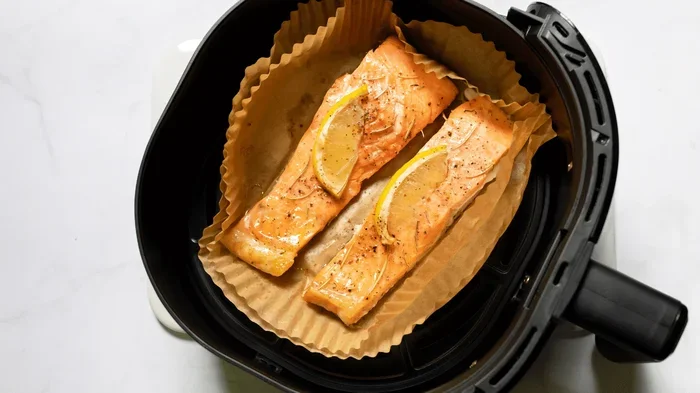
Leaving the skin on protects the flesh from drying out and yields that coveted crunch. If you prefer skinless, place a piece of parchment paper in the basket to prevent sticking. Both options work; it’s purely a texture preference.
Step‑by‑Step Cooking Guide
Preheat the Air Fryer
Set the temperature to 400 °F (200 °C) and let it run for 3 minutes. Preheating ensures the salmon hits the hot air immediately, jump‑starting the crust formation. Think of it like letting a skillet get screaming hot before you lay down a steak.
Season Generously
Pat the fillet dry with paper towels — moisture is the enemy of crispness. Brush lightly with olive oil or spray with cooking spray, then sprinkle salt, pepper, and any herbs you like. A simple blend of garlic powder, smoked paprika, and dried dill works wonders. For an Asian twist, mix soy sauce, honey, grated ginger, and a splash of sesame oil; brush it on during the last 2 minutes.
Place in the Basket
Arrange the fillet skin‑side down (if skin on) in a single layer. Avoid overlapping; air must circulate around each piece. If you’re cooking multiple portions, use a rack accessory or cook in batches.
Cook Time by Thickness
| Thickness | Time at 400 °F |
|---|---|
| ½ inch (1.3 cm) | 7‑8 minutes |
| ¾ inch (1.9 cm) | 9‑10 minutes |
| 1 inch (2.5 cm) | 11‑12 minutes |
Flip halfway only if you want both sides crisp; otherwise, the skin side down method yields a perfect crust on the bottom while the top stays moist.
Check Doneness
Insert an instant‑read thermometer into the thickest part. Target 125 °F for medium‑rare, 135 °F for medium, and 145 °F for well‑done. The flesh should flake easily with a fork and appear opaque throughout.
Rest and Serve
Let the salmon rest 2 minutes on a plate. This short pause lets juices redistribute, keeping each bite succulent. Squeeze fresh lemon over the top and garnish with chopped parsley or cilantro.
Flavor Variations & Serving Ideas
Classic Lemon‑Herb
Mix zest of one lemon, 1 tbsp chopped fresh dill, 1 tbsp parsley, 2 tsp olive oil, salt, and pepper. Rub on before cooking. Serve with roasted asparagus and quinoa.
Asian Glaze
Combine 2 tbsp soy sauce, 1 tbsp honey, 1 tsp grated ginger, 1 tsp minced garlic, and ½ tsp sesame oil. Brush during the final 2 minutes. Pair with steamed bok choy and jasmine rice.
Spicy Cajun Rub
Blend 1 tsp paprika, ½ tsp cayenne, ½ tsp garlic powder, ½ tsp onion powder, ¼ tsp dried thyme, ¼ tsp dried oregano, salt, and pepper. Coat the fillet and air fry. Great atop a mixed greens salad with avocado.
Mediterranean Style
Top cooked salmon with a spoonful of olive tapenade, crumbled feta, and a drizzle of tzatziki. Serve alongside couscous and roasted cherry tomatoes.
Breakfast Twist
Flake leftover salmon into scrambled eggs, add chives, and enjoy a protein‑packed start to the day. The air fryer makes the salmon ready in minutes, so this breakfast comes together fast.
Common Mistakes & Troubleshooting
Overcooking
Because the air fryer is intense, a minute too long turns salmon dry. Set a timer for the minimum recommended time, then check temperature. You can always add another minute, but you can’t undo overcooking.
Sticking to the Basket
Even with skin on, a dry basket can cause adhesion. Lightly spray the basket with oil or line it with a perforated parchment round. The holes let air flow while preventing direct contact.
Uneven Cooking
Thick and thin ends cook at different rates. If your fillet tapers sharply, fold the thin tail under itself to create a more uniform thickness. Alternatively, cut the fillet into two equal pieces.
Smoke or Burning Smell
Excess oil or sugary glazes can smoke at 400 °F. Use a minimal oil coating and apply sweet sauces only in the last 2 minutes. Keep the kitchen ventilated.
Dry Texture
If the salmon feels rubbery, it likely cooked past 145 °F. Next time, pull it at 130 °F for a buttery center. Remember, carryover heat will raise the temperature a few degrees after removal.
Cleaning & Maintenance Tips
Immediate Soak
After cooking, fill the basket with warm, soapy water and let it sit 5 minutes. Most residue lifts off without scrubbing.
Dishwasher Safe Parts
Check your model’s manual; many baskets, trays, and racks are top‑rack dishwasher safe. This saves time on busy nights.
De‑odorizing
Run the empty air fryer at 350 °F for 3 minutes with a bowl of water and a slice of lemon inside. The steam neutralizes lingering fish aroma.
Regular Inspection
Inspect the heating element and fan for grease buildup monthly. A soft brush removes debris and keeps airflow optimal, ensuring consistent results every time you ask can you cook salmon in an air fryer.
Conclusion
Cooking salmon in an air fryer is not only possible — it’s one of the quickest, healthiest, and most foolproof ways to enjoy this nutritious fish. With a few simple steps — preheat, season, cook, rest — you get a crisp skin, moist flesh, and endless flavor possibilities. Whether you’re feeding a family on a Tuesday night or impressing guests at a weekend brunch, the air fryer delivers consistent, restaurant‑quality results with minimal effort and cleanup. Give it a try tonight; your taste buds and your schedule will thank you.
Frequently Asked Questions
Can you cook frozen salmon in an air fryer?
Yes, you can cook frozen salmon directly in the air fryer. Add 2‑3 minutes to the standard cook time and ensure the internal temperature reaches at least 125 °F for safe consumption.
What temperature should I set my air fryer for salmon?
Set the air fryer to 400 °F (200 °C). This high heat creates a crisp exterior while cooking the interior quickly and evenly.
Do I need to flip salmon in the air fryer?
Flipping is optional. Cooking skin‑side down the whole time yields a crispy bottom and moist top. Flip halfway only if you want both sides browned.
How do I know when the salmon is done?
Use an instant‑read thermometer. Aim for 125 °F for medium‑rare, 135 °F for medium, and 145 °F for well‑done. The flesh should flake easily with a fork.
Can I use a marinade on air fryer salmon?
Absolutely. Apply oil‑based marinades before cooking, but add sugar‑heavy glazes during the last 2 minutes to prevent burning.
Is air‑fried salmon healthier than pan‑fried salmon?
Air frying uses little to no added oil, reducing calories and fat while preserving omega‑3 fatty acids. Studies show it retains more nutrients than traditional pan‑frying.