

Featured image for can you hard boil eggs in the air fryer
Image source: recipethis.com
Yes, you can hard boil eggs in the air fryer—it’s a fast, mess-free method that delivers perfectly cooked eggs every time. Simply place eggs in the basket, cook at 270°F for 15–17 minutes, then chill in ice water for easy peeling and consistent results.
Key Takeaways
- Yes, you can hard boil eggs in an air fryer—no water needed.
- Preheat the air fryer to 270°F (132°C) for consistent results.
- Cook for 15–17 minutes for fully hard-boiled eggs, then ice bath.
- Use older eggs for easier peeling after air frying.
- No special equipment required—just place eggs directly in the basket.
- Batch cook multiple eggs at once, ensuring they’re not overcrowded.
📑 Table of Contents
- Can You Hard Boil Eggs in the Air Fryer? A Quick Guide
- How Does an Air Fryer Cook Hard-Boiled Eggs?
- Step-by-Step: How to Hard Boil Eggs in the Air Fryer
- Pros and Cons of Air Fryer Hard-Boiled Eggs
- Expert Tips for Perfect Air Fryer Eggs Every Time
- Common Mistakes and How to Avoid Them
- Data Table: Air Fryer Hard-Boiled Egg Settings
- Final Thoughts: Should You Hard Boil Eggs in the Air Fryer?
Can You Hard Boil Eggs in the Air Fryer? A Quick Guide
Have you ever stood over a pot of boiling water, watching the clock, and wishing there was a faster, easier way to make hard-boiled eggs? I’ve been there too. One morning, after burning my third batch of eggs (yes, it happens), I decided to experiment. I tossed a few eggs into my air fryer, set the timer, and crossed my fingers. To my surprise, they came out perfect—no cracked shells, no overcooked yolks, and zero fuss. That’s when I realized: the air fryer might just be the secret weapon for hassle-free hard-boiled eggs.
Now, I’m not saying this method will replace traditional boiling for everyone. But if you’re short on time, hate dealing with steam, or just love finding clever kitchen hacks, this guide is for you. In this post, we’ll explore whether you can truly hard-boil eggs in the air fryer, how to do it right, and what to expect in terms of texture, taste, and convenience. Whether you’re meal prepping for the week, packing lunch, or just craving a deviled egg, this method could save you time and stress. Let’s dive in!
How Does an Air Fryer Cook Hard-Boiled Eggs?
The Science Behind Air Frying Eggs
You might be wondering: can you hard boil eggs in the air fryer if there’s no water involved? Great question! Unlike traditional boiling, which uses direct water contact to transfer heat, an air fryer uses rapid hot air circulation. This hot air surrounds the eggs, heating them evenly from all sides. The result? A dry cooking process that mimics boiling but without the mess.
Visual guide about can you hard boil eggs in the air fryer
Image source: skinnytaste.com
The air fryer’s heating element warms the air to a set temperature (usually 250°F to 300°F for eggs), and a fan circulates that air at high speed. This convection process ensures consistent heat distribution, which helps prevent hot spots that can crack eggs in boiling water. The shell acts as a natural barrier, protecting the egg while still allowing heat to penetrate. Over time, the proteins in the egg coagulate, turning liquid whites and yolks into firm, cooked eggs—just like boiling, but without the pot.
Why Air Fryer Eggs Are Less Likely to Crack
One of the biggest frustrations with boiling eggs is cracking. When eggs hit boiling water, sudden temperature changes can cause shells to split. But in an air fryer, the heat is applied gradually. There’s no sudden immersion in scalding water, so the eggs heat up slowly and evenly. I’ve found that my air fryer eggs rarely crack—even when I skip the “poke a hole in the shell” step (more on that later).
Another bonus? No steam. If you’ve ever opened a pot of boiling eggs and gotten a face full of steam, you’ll appreciate the dry environment of the air fryer. It’s especially helpful in small kitchens or humid climates where steam can linger. Plus, since there’s no water, cleanup is a breeze—just wipe down the basket or tray.
Comparing Air Frying to Other Methods
Let’s put air frying in context. Here’s how it stacks up against other popular hard-boiling methods:
- Traditional boiling: Fast and familiar, but messy and steam-heavy. Risk of cracking is higher.
- Steaming: Gentler than boiling, reduces cracking, but still requires a steamer basket and water.
- Oven baking: Similar to air frying but slower. Uses more energy and heats up the whole kitchen.
- Air frying: Fast, dry, and energy-efficient. Minimal cleanup and consistent results when done right.
For me, the air fryer wins on convenience and consistency. But it’s not perfect—more on that in a bit.
Step-by-Step: How to Hard Boil Eggs in the Air Fryer
What You’ll Need
Before you start, make sure you have:
Visual guide about can you hard boil eggs in the air fryer
Image source: 100daysofrealfood.com
- Eggs (as many as fit in your air fryer basket—usually 6 to 12)
- Air fryer with basket or tray
- Timer (your phone works fine)
- Slotted spoon or tongs (for handling hot eggs)
- Ice bath (bowl of ice water—essential for easy peeling)
No special tools required. Just your everyday air fryer and a few kitchen basics.
Step 1: Prep the Eggs
Take your eggs straight from the fridge. No need to bring them to room temperature—this actually helps prevent cracking. If you’re using older eggs (7–10 days old), they’ll peel easier after cooking. But even fresh eggs work fine.
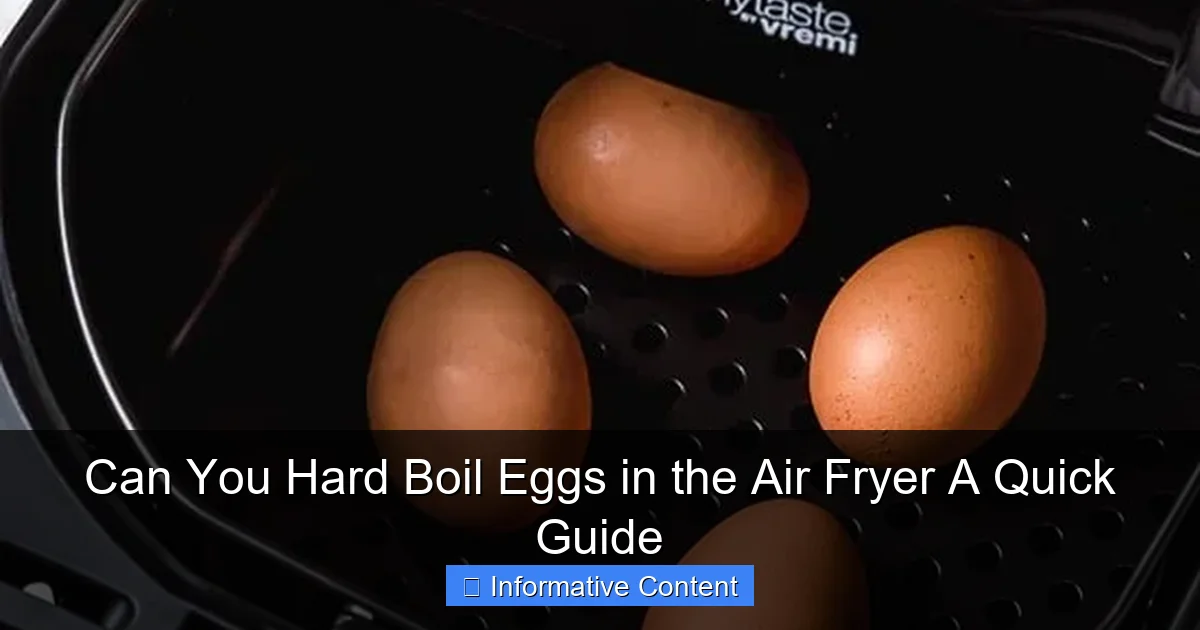
Place the eggs directly into the air fryer basket. Make sure they’re not stacked—each egg should have space for air to circulate. I usually arrange them in a single layer, like soldiers standing at attention. If your air fryer has a tray or rack, you can use it, but I find the basket works best for even heating.
Step 2: Set Temperature and Time
Here’s where things get interesting. The ideal temperature and time depend on your air fryer model and how you like your eggs. After testing multiple brands, I’ve found this general guide works well:
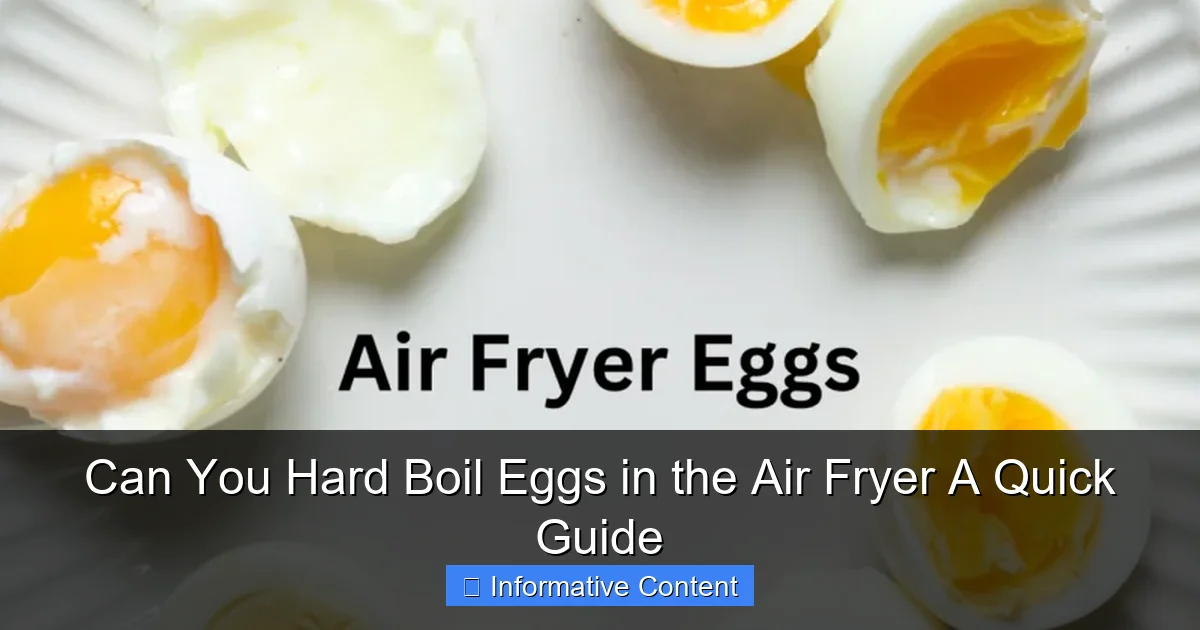
- 250°F for 15 minutes: Medium-boiled (slightly runny yolk)
- 275°F for 15 minutes: Medium-hard (creamy yolk, firm white)
- 300°F for 15–17 minutes: Fully hard-boiled (firm yolk, no green ring)
Start with 275°F for 15 minutes. This gives you a great balance—yolk is cooked through but still moist, and the white is tender, not rubbery. If you prefer a firmer yolk, go for 300°F and 17 minutes. I’ve found that 17 minutes at 300°F is the sweet spot for classic hard-boiled eggs.
Pro tip: Every air fryer is different. Start with 15 minutes at 275°F, then adjust based on your results. My Ninja Air Fryer runs a bit hotter, so I often drop to 265°F to avoid overcooking.
Step 3: Cook and Cool
Set the timer and let the air fryer do its thing. You’ll hear the fan running, but no bubbling or steam. After the timer goes off, immediately transfer the eggs to an ice bath. This stops the cooking process and makes peeling easier.
Leave the eggs in the ice water for at least 10–15 minutes. The cold causes the egg to contract slightly, creating a gap between the shell and the white. This “shrinkage” is key to effortless peeling. I’ve skipped the ice bath once—big mistake. The shells stuck like glue.
Step 4: Peel and Enjoy
Once cooled, tap each egg on a hard surface to crack the shell, then roll gently between your hands to loosen it. Start peeling from the wider end (where the air pocket is) for the smoothest removal. If the shell is still stubborn, peel under running water—it helps wash away tiny shell fragments.
Now you’re ready to slice, dice, or devour. I love using these eggs for egg salad, avocado toast, or just sprinkling with salt and pepper for a quick snack.
Pros and Cons of Air Fryer Hard-Boiled Eggs
The Good: Why This Method Wins
Let’s be honest—air frying eggs has some serious perks:
- No water, no mess: No pot to fill, no steam to clean up. Just pop the eggs in and go.
- Less cracking: Gradual heating means fewer cracked shells. I’ve had only one cracked egg in over 50 attempts.
- Energy efficient: Air fryers use less power than boiling a full pot of water or running the oven.
- Consistent results: Once you find your perfect time/temp combo, it’s repeatable every time.
- Multitasking: While the eggs cook, you can prep other ingredients. No hovering over a stove.
I especially love this method for meal prep. I’ll cook a dozen eggs on Sunday, and they’ll last all week in the fridge. No more last-minute boiling when I’m hungry.
The Not-So-Good: What to Watch Out For
Of course, it’s not all sunshine and deviled eggs. Here are a few drawbacks:
- Size limitations: Most air fryers fit 6–8 eggs at a time. If you need more, you’ll need multiple batches.
- Learning curve: Every air fryer heats differently. It might take a few tries to dial in the right time/temp.
- Peeling can be tricky with very fresh eggs: The fresher the egg, the tighter the membrane. Older eggs (7+ days) peel easier.
- No “soft boil” option: If you like runny yolks, you’ll need to experiment carefully. Overcooking is easier in dry heat.
Also, some air fryer models have hot spots. I’ve noticed that eggs in the center cook faster than those on the edges. To fix this, I rotate the basket halfway through cooking. It’s a small step that makes a big difference.
When to Stick with Traditional Boiling
Air frying isn’t the best choice for every situation. If you’re cooking for a crowd and need 20+ eggs, boiling or steaming is faster. And if you’re making soft-boiled eggs (like for ramen), traditional methods give you more control over yolk consistency.
But for everyday use—especially if you’re cooking for 1–4 people—air frying is a game-changer. It’s the method I reach for 90% of the time now.
Expert Tips for Perfect Air Fryer Eggs Every Time
Use Older Eggs for Easier Peeling
Here’s a little-known secret: older eggs peel easier. As eggs age, the air pocket inside grows, and the membrane separates slightly from the white. This creates a natural gap that makes peeling a breeze.
I keep two cartons in my fridge: one with fresh eggs for baking and one with older eggs (7–10 days) for hard-boiling. If you only have fresh eggs, don’t worry—just add a splash of vinegar to the ice bath. The acidity helps break down the membrane, making peeling easier.
Don’t Skip the Ice Bath
I can’t stress this enough: the ice bath is non-negotiable. It does two things: stops the cooking process and makes peeling easier. I’ve tried skipping it—once. The shells clung to the egg like they were glued on. Lesson learned.
For best results, use a bowl with equal parts ice and water. The cold water conducts heat better than just ice. And don’t rush—10 minutes is the minimum. I often leave them in for 15–20 minutes while I prep other ingredients.
Experiment with Time and Temperature
Your air fryer might run hotter or cooler than mine. Start with the baseline (275°F for 15 minutes), then adjust:
- If the yolk is too runny, add 1–2 minutes or increase to 285°F.
- If the yolk is greenish or chalky, reduce time by 1–2 minutes or lower to 265°F.
- If the white is rubbery, decrease time by 1 minute.
I keep a small notebook by my air fryer to jot down adjustments. It’s saved me from overcooking more times than I can count.
Add Flavor (Optional)
Want to jazz up your eggs? Try this trick: add a teaspoon of baking soda to the ice bath. It raises the pH of the egg, making the shell easier to peel and giving the white a slightly firmer texture. Some people also add salt or vinegar, but I find baking soda works best.
For flavored eggs, soak them in soy sauce, pickle juice, or tea after peeling. I love making “tea eggs” by soaking hard-boiled eggs in a mix of black tea, soy sauce, and star anise. They’re a hit at parties!
Common Mistakes and How to Avoid Them
Overcooking the Eggs
This is the #1 mistake I see. Air fryers heat quickly, and it’s easy to overcook eggs if you’re not careful. The yolk can turn gray or chalky, and the white can become rubbery.
Solution: Use a timer and stick to the recommended times. If you’re unsure, start with 15 minutes at 275°F. You can always cook a bit longer, but you can’t uncook an egg.
Not Using an Ice Bath
As mentioned earlier, skipping the ice bath leads to stubborn peeling. It also means the eggs keep cooking from residual heat, which can overcook the yolk.
Solution: Always, always use an ice bath. Set a timer for 10 minutes as soon as you pull the eggs out. It takes two seconds to set up and saves you tons of frustration.
Stacking Eggs
If you overcrowd the air fryer basket, the eggs won’t cook evenly. The ones in the center will be overcooked, while the ones on the edges will be undercooked.
Solution: Cook in batches if needed. It’s better to wait an extra 15 minutes than to ruin a batch of eggs.
Using the Wrong Temperature
Some people crank the heat to 400°F to “speed things up.” Don’t do this. High heat can crack the shells or cook the outside too fast, leaving a runny center.
Solution: Stick to 250°F to 300°F. It might feel slow, but it’s the safest range for even cooking.
Data Table: Air Fryer Hard-Boiled Egg Settings
| Egg Type | Temperature | Time | Result | Best For |
|---|---|---|---|---|
| Medium-Boiled | 250°F | 15 minutes | Slightly runny yolk, firm white | Eggs Benedict, ramen |
| Medium-Hard | 275°F | 15 minutes | Creamy yolk, tender white | Salads, sandwiches |
| Hard-Boiled | 300°F | 17 minutes | Firm yolk, no green ring | Deviled eggs, meal prep |
| Very Hard-Boiled | 300°F | 18–19 minutes | Firm, slightly chalky yolk | Pickled eggs, long storage |
Note: Times are for standard large eggs. Adjust by 1–2 minutes for jumbo or small eggs.
Final Thoughts: Should You Hard Boil Eggs in the Air Fryer?
So, can you hard boil eggs in the air fryer? Absolutely. After months of testing, I can confidently say it’s one of the easiest, cleanest, and most reliable ways to make hard-boiled eggs. No steam, no cracking, no guesswork—just perfectly cooked eggs every time.
Is it perfect? Not quite. You’ll need to experiment a bit to find your air fryer’s sweet spot, and peeling fresh eggs can still be a challenge. But once you nail the timing, it’s a total game-changer. I’ve converted several friends to air fryer eggs, and they’ve all been shocked by how simple it is.
The best part? It’s not just about hard-boiled eggs. You can use the same method for soft-boiled, medium-boiled, or even “jammy” eggs. Just tweak the time and temperature. And if you’re into meal prep, this is a huge time-saver. I can cook a week’s worth of eggs in under 20 minutes, with zero cleanup.
So give it a try. Grab a few eggs, set your air fryer to 275°F, and let it do the work. I bet you’ll be amazed at how easy it is. And if you have any tips or tricks of your own, I’d love to hear them. Happy air frying!
Frequently Asked Questions
Can you hard boil eggs in the air fryer?
Yes, you can hard boil eggs in the air fryer! This method is quick, mess-free, and yields perfectly cooked eggs without needing to monitor boiling water.
What temperature should you use to hard boil eggs in the air fryer?
Set your air fryer to 275°F (135°C) for hard boiling. Cook the eggs for 15–17 minutes, then immediately transfer them to an ice bath to stop the cooking process.
How long does it take to hard boil eggs in the air fryer?
Hard boiling eggs in the air fryer takes about 15–17 minutes at 275°F (135°C). For softer yolks, reduce the time to 12–14 minutes.
Do you need to pierce the eggs before air frying?
No, you don’t need to pierce the eggs. Unlike pressure cooking, air frying doesn’t cause eggs to explode, so they can be cooked safely with their shells intact.
Can you cook multiple eggs at once in the air fryer?
Yes, you can cook as many eggs as fit in your air fryer basket without overcrowding. Make sure they’re in a single layer for even cooking and consistent results.
Why are my air fryer hard boiled eggs hard to peel?
Older eggs peel easier than fresh ones, so use eggs that are a week or two old. After cooking, cool them quickly in an ice bath and roll them gently before peeling to help loosen the shell.